


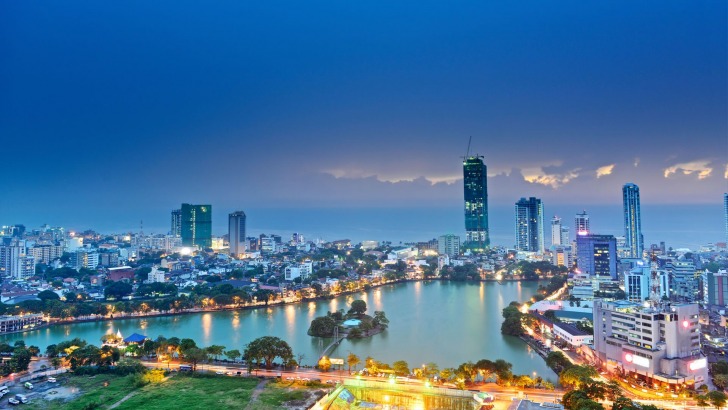
Colombo is Sri Lanka’s fast-moving commercial capital, stretched along the Indian Ocean on the island’s western coast.
It is a city of contrasts: colonial buildings beside glossy towers, Buddhist temples not far from sea-view promenades, and crowded local markets only minutes from stylish cafes and hotels.
I find Colombo more practical than dreamy at first glance, but that is part of its charm.
It is a place where you quickly feel the pulse of modern Sri Lanka.
For travelers, Colombo is usually the first stop after landing and often the place where you learn the rhythm of the country.
It is not the quietest or most polished city in Asia, but it is full of character, history, color, and energy.
Safety-wise, it is manageable for most tourists who stay alert, use common sense, and plan around traffic, scams, and changing local conditions.
Warnings & Dangers in Colombo

OVERALL RISK: MEDIUM
Colombo is generally workable for tourists, but I would not call it carefree. The biggest issues are petty crime, scams, harassment, road chaos, and the possibility of protests or security disruptions. Most visitors get through Colombo without serious trouble, but this is a city where awareness matters every day, especially in crowded public spaces.

TRANSPORT & TAXIS RISK: MEDIUM
Getting around Colombo is usually straightforward, but road behavior can feel aggressive and unpredictable. Taxis and ride services are safer when booked through reputable counters or apps, especially from the airport. Public transport is cheap and useful, though it can be crowded and confusing for first-time visitors. Night travel is better handled with prearranged transport.

PICKPOCKETS RISK: MEDIUM
Pickpocketing is not the city’s defining danger, but it is a realistic concern in busy areas, transport hubs, crowded buses, markets, and festival zones. Travelers carrying phones in back pockets or flashing cash are easier targets. I would be especially careful in packed shopping streets and anywhere distractions are common.

NATURAL DISASTERS RISK: MEDIUM
Colombo is not a disaster zone, but heavy rain, localized flooding, and monsoon-related disruptions can affect travel plans. Sri Lanka’s southwest monsoon can bring difficult road conditions and transport delays. In bad weather, floodwater, power interruptions, and slower emergency response become more of an issue than headline-grabbing catastrophe.

MUGGING RISK: MEDIUM
Violent street crime is not the main fear for most tourists in Colombo, but robbery and harassment do occur. The risk rises late at night, in poorly lit areas, and when travelers are alone, intoxicated, or unfamiliar with the neighborhood. It is smart to keep evenings simple and avoid isolated streets after dark.

TERRORISM RISK: MEDIUM
This is not something most travelers will feel hour to hour, but it cannot be ignored. Sri Lanka remains a place where official advisories urge caution because of past attacks and ongoing security concerns. For visitors, that means staying alert in crowded venues, major hotels, and public gathering spots.

SCAMS RISK: MEDIUM
Scams are one of the most likely annoyances in Colombo. Overcharging, fake guides, inflated taxi fares, gemstone sales pressure, and card fraud are all commonly reported. None of this makes the city unvisitable, but it does mean that travelers should confirm prices early, avoid overly friendly hustlers, and monitor card transactions carefully.

WOMEN TRAVELERS RISK: MEDIUM
Women do travel through Colombo successfully, but solo travelers may face staring, verbal harassment, or unwanted attention, especially in crowded transit areas or at night. Modest dress, reputable transport, and avoiding isolated evening walks can reduce problems. Colombo is more comfortable when you move with intention and avoid improvising late at night.

TAP WATER RISK: HIGH
I would not recommend drinking tap water in Colombo as a visitor. Even where locals use it, travelers can be more sensitive to unfamiliar water quality and microbes. Bottled or properly boiled water is the safer choice, and it is also wise to be cautious with ice, washed produce, and street drinks made with untreated water.
Safest Places to Visit in Colombo
Galle Face Green
Galle Face Green is one of the easiest places for travelers to ease into Colombo.
This seafront promenade is busy with families, couples, food vendors, and evening walkers, which gives it a more comfortable atmosphere than a deserted urban park.
I like it best around sunset, when the crowds make it feel lively rather than risky.
Stay aware of your belongings, but overall it is one of the city’s most approachable public spaces.
Cinnamon Gardens
Cinnamon Gardens feels calmer, greener, and more orderly than many other parts of Colombo.
This district has embassies, schools, cultural spots, and wider roads, so it tends to feel more relaxed for daytime exploring.
It is a good choice for travelers who want a break from the noise and congestion.
The area is also better suited to higher-end hotels and cafes, which often adds to the general sense of comfort.
Colombo Fort and the Seafront Hotel Zone
Colombo Fort is busy rather than peaceful, but the better-developed pockets around the business district and major hotels tend to be among the most convenient places for tourists.
Security presence is often stronger near major hotels and government-related areas.
This part of Colombo works well for first-time visitors who want central access, reliable transport, and familiar services close by.
Independence Square Area
The Independence Square area is another solid pick for a low-stress visit.
It is popular for walks, casual sightseeing, and short breaks during the day.
Because it is a well-known civic landmark with regular foot traffic, it tends to feel more comfortable than random side streets elsewhere in the city.
Places to Avoid in Colombo
Pettah After Dark
Pettah is one of Colombo’s most interesting districts, but it can also be one of the most overwhelming.
During the day it is packed with shoppers, market stalls, traffic, and noise.
That same intensity makes it tiring for distracted tourists and less appealing after dark, when crowds thin out unevenly and the area feels less controlled.
I would visit in daylight, keep valuables secure, and leave before late evening.
Isolated Streets Around Transport Hubs
Bus stands, rail areas, and poorly lit streets near transport hubs deserve extra caution, especially at night.
These are places where confusion, crowding, and opportunistic theft mix together.
They are not automatic danger zones, but they are exactly where tired new arrivals make mistakes.
Use direct transport instead of wandering with luggage.
Protest Areas and Government Zones During Tension
The most important areas to avoid are not permanent bad neighborhoods but places where demonstrations suddenly form.
Colombo has seen protests that disrupt traffic and can become tense with little warning.
If you notice police buildup, blocked roads, or large crowds near government buildings, turn around immediately and reroute your day.
Quiet Backstreets Late at Night
In any district, the risk rises once you leave the better-lit main roads.
Quiet backstreets are where harassment, robbery, and confusion become more plausible.
Colombo is not a city where I would recommend long unplanned nighttime walks, especially for solo travelers unfamiliar with the area.
Safety Tips for Traveling to Colombo
- Use airport taxis or reputable ride services. When you land, avoid making your first Colombo decision on the fly. Use the official airport taxi counter or a trusted ride app. This cuts down the risk of overcharging, confusion, and unnecessary stress after a long flight.
- Keep your valuables out of sight. Colombo is much easier when you look low-maintenance. Do not carry a flashy watch, visible jewelry, thick wallet, or phone hanging out of your pocket. A zipped crossbody bag works better than a backpack dangling open behind you.
- Avoid demonstrations completely. If you see a protest, roadblock, or gathering that feels political, leave immediately. Do not stop to watch. Even peaceful demonstrations can escalate, snarl transport, or draw a police response very quickly.
- Be extra careful in markets and crowded transit areas. Busy places are great for atmosphere but also ideal for petty theft and scams. In markets like Pettah, keep your bag in front of you and your phone tucked away when not in use.
- Do not drink tap water. Stick to bottled, sealed, or properly boiled water. Use the same caution with ice and uncooked foods washed in water you cannot verify. A stomach issue can derail a trip faster than almost anything else.
- Plan your nights, especially if you are traveling solo. Colombo is more comfortable when evenings are intentional. Book your return ride before you go out, avoid isolated streets, and do not rely on wandering around to figure things out after dark.
- Dress with local norms in mind. You do not need to disappear into the background, but dressing modestly can reduce unwanted attention and help you move more comfortably, particularly in traditional areas and religious sites.
- Watch for overcharging and friendly hustles. Some scams in Colombo are subtle. A driver may quote a vague fare, a stranger may suddenly become your unofficial guide, or a shop may pressure you into a “special” purchase. Confirm prices early and walk away from anything that feels pushy.
- Protect yourself from mosquitoes and heat. Safety in Colombo is not only about crime. Mosquito-borne illness is a real concern, especially during wetter periods. Use repellent, wear lighter long clothing when practical, and stay hydrated in the tropical heat.
- Stay flexible during bad weather or security alerts. Monsoon rain, flooding, protests, or security checks can change the mood of a day fast. Build extra time into transfers, avoid stubbornly sticking to one plan, and let common sense override your itinerary.
So... How Safe Is Colombo Really?
Colombo is one of those cities that is safer in practice than in reputation for many travelers, but only if you travel smart.
I would describe it as moderately safe rather than truly easy.
The official picture matters because Sri Lanka continues to draw caution from governments over terrorism risk, demonstrations, scams, and crime concerns.
That does not mean Colombo is constantly dangerous.
It means travelers should avoid complacency.
Day to day, the more common risks are overcharging, harassment, theft in crowded places, unsafe road conditions, and health annoyances like unsafe water or mosquito exposure.
Those are manageable problems for most visitors.
The bigger issue is that conditions can shift quickly if protests flare up or if severe weather disrupts transport.
That makes Colombo a city where situational awareness matters more than fear.
If you stay in a reputable area, arrange transport carefully, avoid political gatherings, and do not take unnecessary nighttime risks, Colombo can be a rewarding stop.
I would not rank it among the safest cities in Asia, but I also would not tell cautious travelers to skip it.
For most tourists, Colombo is safe enough to enjoy, but not lazy-travel safe.
How Does Colombo Compare?
| City | Safety Index |
|---|---|
 Colombo Colombo |
70 |
| Galle |
77 |
| Kandy |
73 |
 Ngozi Ngozi | 60 |
 Ouahigouya Ouahigouya | 18 |
 Sherman Sherman | 73 |
| Temecula | 87 |
| Rapid City | 57 |
| Nebraska | 82 |
Useful Information

Visas
Most tourists need an Electronic Travel Authorization before arrival. A standard tourist permission is commonly issued for 30 days and is often double entry. Fees vary by nationality and can change, so travelers should apply before departure and keep a printed or saved copy of their approval details.

Currency
Colombo uses the Sri Lankan rupee, abbreviated as LKR. Exchange money at the airport, banks, or established exchange counters rather than through informal offers. ATMs are widely available in major areas, though not all accept every international card. Carry some cash for smaller purchases, but use cards in reputable hotels, restaurants, and shops.

Weather
Colombo is hot, humid, and tropical all year, with daytime temperatures often in the mid to upper 80s. Light clothing works best, but pack rain gear because showers can hit in any season and heavier rain comes with the monsoon pattern. Breathable fabrics, sun protection, and sandals that can handle wet pavement are smart choices.

Airports
The main gateway is Bandaranaike International Airport in Katunayake, north of Colombo. From there, travelers can reach the city by official taxi, shuttle, bus, or train connections, though taxis are the simplest option after a flight. Using a supervised airport taxi service is one of the easiest ways to start the trip safely.

Travel Insurance
Travel insurance is absolutely worth it for Colombo and Sri Lanka more broadly. It is especially useful for medical treatment, trip interruptions, theft, and emergency evacuation if something serious happens. Since medical care outside top urban areas can be limited, I would not travel here without a policy that includes strong medical and evacuation coverage.
Colombo Weather Averages (Temperatures)
Average High/Low Temperature
| Temperature / Month | Jan | Feb | Mar | Apr | May | Jun | Jul | Aug | Sep | Oct | Nov | Dec |
|---|---|---|---|---|---|---|---|---|---|---|---|---|
| High °C |
31 | 31 | 32 | 32 | 31 | 30 | 30 | 30 | 30 | 30 | 30 | 30 |
| Low °C |
22 | 23 | 24 | 25 | 25 | 25 | 25 | 25 | 24 | 24 | 24 | 23 |
| High °F |
88 | 88 | 90 | 90 | 88 | 86 | 86 | 86 | 86 | 86 | 86 | 86 |
| Low °F |
72 | 73 | 75 | 77 | 77 | 77 | 77 | 77 | 75 | 75 | 75 | 73 |
Sri Lanka - Safety by City
| City | Safety Index |
|---|---|
| Colombo | 70 |
| Galle | 77 |
| Kandy | 73 |








Colombo definitely has its charm, but I didn’t expect the traffic to be such a wild ride!
After a day of dodging traffic and wandering crowded local markets I often end up at the sea-view promenade where the mix of Buddhist temple bells and car horns somehow feels oddly comforting.
Practical, they say, sure, until you find yourself dodging traffic along the sea-view promenade and laughing nervously at how much color and chaos there is.
Funny how the honking never really stops, but somehow it kinda grows on you after a day or two.
The mix of chaotic markets and calm sea views totally caught me off guard but made wandering around way more fun than I expected.
The mix of busy streets and peaceful temples in Colombo really caught me off guard, making it feel alive in a way I didn’t expect.