


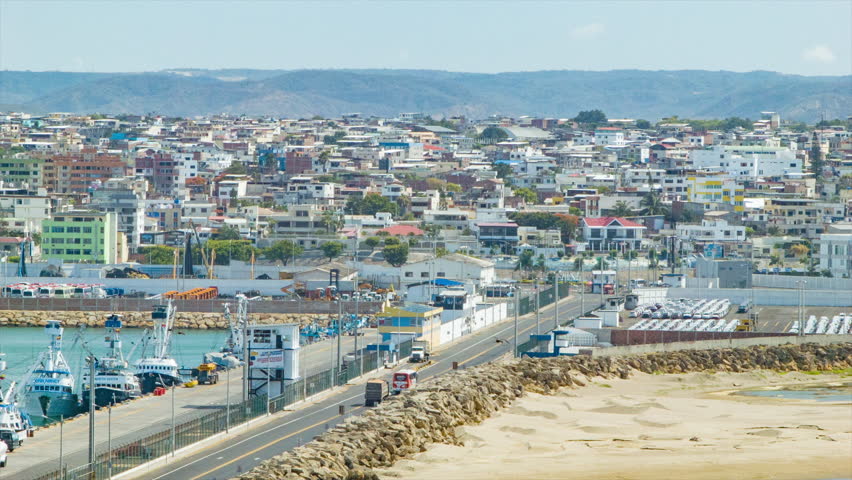
Manta sits on Ecuador’s Pacific coast in Manabí Province, where fishing boats, long beaches, and warm sea air shape the city’s personality.
It is one of the country’s best known port cities, and for many travelers it feels more relaxed than Ecuador’s biggest urban centers at first glance.
That first impression is only partly true.
Manta has genuine appeal, especially around its waterfront, beaches, seafood scene, and easy access to places like Pacoche and nearby coastal stretches.
But it also sits in a province that current travel advisories treat with real caution because of crime concerns.
That means Manta is not a place to panic about, but it is definitely a place to travel smart.
If you stay alert, use common sense, and choose your neighborhoods carefully, Manta can still be an enjoyable base on Ecuador’s coast.
Warnings & Dangers in Manta

OVERALL RISK: MEDIUM
Manta is not one of those places where most tourists feel instantly unsafe, but it is also not a destination where you should go on autopilot. Crime is the biggest concern, especially theft, armed robbery, and being in the wrong area after dark. Because Manabí Province is currently flagged more seriously in some official travel advice, a medium overall risk is the fairest rating.

TRANSPORT & TAXIS RISK: MEDIUM
Getting around Manta is manageable, especially on main roads and in busier districts, but transport calls for caution. Use registered taxis or app based rides when possible, especially at night. Avoid random street pickups in quiet areas, and be more careful if arriving late or carrying luggage. The issue is less traffic chaos than opportunistic crime linked to transport moments.

PICKPOCKETS RISK: MEDIUM
Pickpocketing is not the only crime concern here, but it is certainly part of the risk picture in crowded places, beaches, markets, transport hubs, and busy commercial streets. Travelers carrying phones in hand, loose bags, or visible cash are easy targets everywhere on Ecuador’s coast. In Manta, petty theft is common enough that you should assume distraction tactics are possible.

NATURAL DISASTERS RISK: MEDIUM
Natural disaster risk in Manta is real, mainly because Ecuador has a high earthquake risk and the coast can also be affected by heavy rain, flooding disruptions, and related infrastructure problems. Manta is in Manabí, a province with strong earthquake memory, so travelers should know hotel exits, pay attention to alerts, and stay flexible with transport plans in bad weather.

MUGGING RISK: MEDIUM
Mugging is a more serious concern than many beach travelers expect. Armed robbery and violent street crime are documented risks in Ecuador, and Manabí is specifically called out in current U.S. travel advice. That does not mean every tourist will face danger, but it does mean isolated walking at night, flashy valuables, and quiet side streets are bad ideas in Manta.

TERRORISM RISK: LOW
For an average tourist moving around beach areas, restaurant zones, and standard city attractions, terrorism is not the day to day concern that should dominate your planning. Still, Ecuador’s national advisories do mention terrorism linked to organized criminal violence in some regions, so the risk cannot honestly be called zero. For travelers in Manta, it remains lower than ordinary crime risk.

SCAMS RISK: MEDIUM
Scams in Manta are more likely to be practical and small scale than elaborate. Think inflated taxi fares, overcharging, fake friendliness used to create distraction, or street situations that pressure you into paying for something you never wanted. The best defense is simple: agree on prices early, avoid money displays, and be cautious when strangers get unusually interested in your plans.

WOMEN TRAVELERS RISK: MEDIUM
Women can absolutely travel to Manta, but solo travelers should stay cautious, especially after dark and in nightlife or less populated areas. The safest approach is to stick to well reviewed accommodations, use trusted transport, and avoid isolated beach walks at night. The city is not uniquely dangerous for women, but it does require the same alertness you would use in any city with a meaningful crime problem.

TAP WATER RISK: MEDIUM
I would not treat tap water in Manta as something to drink casually as a visitor. Travelers to Ecuador are commonly advised to avoid contaminated water risks, and bottled or properly filtered water is the safer choice. That goes for drinking, brushing teeth if you are sensitive, and especially ice or beverages from places with uncertain hygiene standards.
Safest Places to Visit in Manta
El Murciélago
El Murciélago is the obvious starting point for most travelers because it is central, well known, and consistently part of Manta’s tourist identity.
The beach itself draws locals and visitors, which usually helps create a more comfortable environment during daylight hours.
I would still keep valuables tucked away, but for a casual walk, ocean views, and people watching, this is one of the easier parts of the city to enjoy.
Santa Marianita
Santa Marianita, just outside the main urban core, is popular with travelers who want more space and a more laid back beach atmosphere.
It is especially appealing for water sports and for visitors who want a slower coastal feel than downtown Manta.
It tends to feel better for a daytime outing than for wandering late in the evening, but as a scenic stop it ranks high on the safer, more enjoyable side of the Manta experience.
San Lorenzo and the Better Kept Coastal Strips
San Lorenzo and other better maintained coastal areas are often where Manta feels most like a beach destination and least like a working port city.
These are the places where travelers usually relax into the trip, especially in daylight, around established restaurants or busier stretches.
They are not risk free, but they are usually better bets than unknown inland blocks.
Stay in populated zones and avoid drifting into empty side streets.
Pacoche Area
If you want something beyond beaches, the Pacoche area is one of Manta’s most interesting nearby escapes.
Trails, tropical scenery, and wildlife give travelers a break from the city itself.
For safety, go in daylight, ideally with local guidance or clear route planning, and avoid turning a nature outing into an improvised solo adventure.
It is one of the most rewarding ways to experience the region without lingering in riskier urban pockets.
Places to Avoid in Manta
Isolated Areas of Tarqui After Dark
Tarqui is important to Manta’s local life and commerce, but it is not the kind of district where I would tell a tourist to wander casually at night.
Busy market style areas can be fine by day if you are alert, but once foot traffic thins out, the risk profile changes.
Quiet streets, limited lighting, and opportunistic crime make this the kind of neighborhood where timing matters a lot.
Use transport instead of walking if you need to cross it late.
Remote Beachfront Stretches at Night
One of the easiest mistakes travelers make in coastal cities is assuming the beach is always the relaxing option.
In Manta, isolated beachfront sections after dark can be exactly where you do not want to be.
Even attractive areas feel different once crowds disappear.
Avoid late night solo walks, especially if you have your phone out or look like you are not familiar with the area.
Poorly Lit Inland Streets Away From Tourist Activity
The biggest red flag in Manta is not always a famous dangerous neighborhood with a reputation.
Sometimes it is simply the wrong block at the wrong hour.
Poorly lit inland streets, quieter residential edges, and unfamiliar areas away from beach activity can expose you to robbery risk.
If a street feels empty and you are not sure where you are, that is your sign to leave the heroics for someone else.
Anywhere You Arrive Distracted
This sounds broad, but in Manta it matters.
Bus stations, arrival points, taxi handoffs, and moments when you are checking maps or luggage are exactly when tourists stand out.
The places to avoid are often less about geography and more about vulnerability.
Looking lost in a transitional space is one of the fastest ways to invite attention.
Arrive with your transport sorted and keep your phone use brief in public.
Safety Tips for Traveling to Manta
- Choose your neighborhood before you book. In Manta, where you stay matters almost as much as how you behave. Pick accommodations in well known beach or commercial areas with recent positive reviews, visible staff presence, and easy access to reliable transport. Saving a few dollars on a random inland property is rarely worth the uncertainty.
- Do not treat Manta like a carefree resort town. It has lovely coastal energy, but it is still a city in a province facing serious security concerns. That means no casual flashing of jewelry, no leaving your phone on restaurant tables, and no zoning out while walking.
- Use registered taxis or ride apps whenever possible. This is especially important after dark, when arriving from the airport, or when moving between neighborhoods you do not know. A planned ride is safer than guessing your way across the city on foot.
- Keep beach days low profile. Bring only what you actually need. One card, a modest amount of cash, sunscreen, and a phone you keep close is enough. A beach bag full of electronics is basically an advertisement.
- Avoid walking alone late at night. Even if a place looked friendly earlier in the day, nighttime changes the equation. If you are heading back from dinner or the waterfront, use transport instead of trusting your instincts on empty streets.
- Have an earthquake plan in the back of your mind. You probably will not need it, but Ecuador’s coast is not the place to ignore basic preparedness. Know the exits in your hotel, keep shoes and essentials nearby, and pay attention to local instructions if there is seismic activity.
- Be careful with water and food hygiene. Stick to bottled or reliably filtered water and be selective with ice, juices, or casual food stands if hygiene looks shaky. Ruining a beach trip with stomach trouble is a deeply unnecessary plot twist.
- Watch for small scams, not just big dangers. Tourists often focus on dramatic crime and overlook the annoying stuff. Confirm taxi prices, check bills, and do not let strangers create rushed situations where you feel pressured to pay or decide quickly.
- Stay current on local conditions. Coastal Ecuador can change fast when it comes to crime alerts, transport issues, or weather disruptions. Check with your hotel, tour operator, or current official advisories before day trips or late arrivals.
- Get insurance that actually covers something useful. Do not buy the cheapest plan just to feel organized. Look for coverage that includes medical care, theft related losses if relevant, and especially emergency evacuation support. If something goes wrong, that detail stops being boring very fast.
So... How Safe Is Manta Really?
Manta is one of those destinations where the answer depends heavily on what kind of traveler you are.
If you are cautious, daylight oriented, selective about transport, and sensible about valuables, you can probably have a perfectly good trip.
If you like wandering aimlessly at night, carrying expensive gear, and assuming every beach city works like a resort brochure, Manta is a much worse fit.
The most important fact is that Manta sits in Manabí Province, and current U.S. travel advice says travelers should reconsider travel there because of terrorism and crime.
At the same time, broader advisories for Ecuador describe the country overall as requiring increased caution or a high degree of caution, not blanket avoidance everywhere.
That tells you something useful: the risk is meaningful, but not uniform.
Manta is not beyond reach for tourists, it just demands sharper judgment than a low risk coastal getaway.
Add Ecuador’s earthquake exposure and ordinary traveler health precautions, and the honest conclusion is this: Manta is manageable for prepared travelers, but it is not carefree.
For most visitors, “medium risk” is the right label because the city can be enjoyable, yet the security context is serious enough that you should never get lazy.
How Does Manta Compare?
| City | Safety Index |
|---|---|
 Manta Manta |
62 |
| Quito |
55 |
| Guayaquil |
45 |
 Kandahar Kandahar | 35 |
 Mankato Mankato | 82 |
| Santa Claus | 84 |
 Bogotá Bogotá | 55 |
| Idaho Falls | 87 |
 Wanaka Wanaka | 90 |
Useful Information

Visas
For many tourists, Ecuador allows visa free stays of up to 90 days, though travelers should always check the rules for their nationality before flying. If you want to stay longer, extensions may be possible, but they need to be handled before your initial period expires. Overstaying can lead to fines and future entry problems.

Currency
Ecuador uses the U.S. dollar, which makes things pleasantly simple for American travelers and easy enough for everyone else to understand. Cards are accepted in many places, but cash still matters, especially for smaller businesses. Bring smaller bills when you can, and use indoor ATMs or bank linked machines rather than exposed street kiosks.

Weather
Manta has a warm coastal climate year round, with a hotter, rainier stretch roughly from January to April and a drier, slightly cooler period from May onward. Pack light clothing, sun protection, and breathable layers, but toss in a light rain jacket if you are traveling in the wetter months. The sun here is not subtle.

Airports
Manta is served by Eloy Alfaro International Airport, known by the code MEC, located about 2.5 kilometers east of the city. That makes arrivals relatively straightforward. The easiest transfer into town is a prearranged pickup, hotel transport, or registered taxi rather than improvising on arrival, especially if you land late.

Travel Insurance
Travel insurance is a very smart move for Manta, and honestly for Ecuador in general. Official travel guidance specifically recommends insurance, including medical and evacuation coverage. That matters more in a place where crime risk, transport disruptions, or emergency medical needs could turn an ordinary trip into an expensive mess faster than you would like.
Manta Weather Averages (Temperatures)
Average High/Low Temperature
| Temperature / Month | Jan | Feb | Mar | Apr | May | Jun | Jul | Aug | Sep | Oct | Nov | Dec |
|---|---|---|---|---|---|---|---|---|---|---|---|---|
| High °C |
30 | 30 | 30 | 30 | 29 | 28 | 28 | 27 | 27 | 27 | 28 | 29 |
| Low °C |
23 | 23 | 23 | 23 | 22 | 22 | 21 | 21 | 21 | 21 | 22 | 23 |
| High °F |
86 | 86 | 86 | 86 | 84 | 82 | 82 | 81 | 81 | 81 | 82 | 84 |
| Low °F |
73 | 73 | 73 | 73 | 72 | 72 | 70 | 70 | 70 | 70 | 72 | 73 |
Ecuador - Safety by City
| City | Safety Index |
|---|---|
| Guayaquil | 45 |
| Manta | 62 |
| Quito | 55 |











Manta does sound like an interesting experience!
The food is exquisite
Nothing to write home about, compared to other, more luxurious cities from Ecuador and other countries. But, this doesn’t mean it’s not a nice place. Everything is clean and nice and the prices are lower than other areas. One thing I did love was the food which was exquisite and quite affordable.
I went to that seafood market they keep raving about, and while the prices were indeed low, I wasn’t blown away by the variety they had on display.
Just got back from Manta and the seafood was something else; I’ve never tasted anything so fresh and flavorful, it really made my trip unforgettable.
The warm sea air and the steady creak of fishing boats at dawn really got under my skin, but I still found myself checking my phone and route home when I left the waterfront after dark.
Do you really stroll out for ceviche at dusk with that perfect late-afternoon breeze and still manage to laugh off the weird taxi-rank vibes by the market?
I’ve been to Manta a couple of times and while the ocean breeze and fresh seafood make it easy to just chill, you really notice how important it is to stay aware once you step away from the tourist spots.
You mentioned crime concerns, but how noticeable was that vibe when you were actually walking around the waterfront or beaches?
Spent a weekend around the waterfront and the seafood really hits different fresh off the boat, but yeah, you can’t just stroll around without keeping your wits about you here.
So with all the crime warnings, how do you manage to enjoy those chill waterfront vibes without constantly looking over your shoulder?
Oh sure, it’s all beaches and seafood until you realize you’re basically on high alert the whole time, which really adds that extra “fun” vibe to your vacation.