


 Anguilla : Safety by City
If the Caribbean had a hidden “backstage pass,” Anguilla would be it.
Sitting just north of St. Martin, this British Overseas Territory is a sliver of coral and limestone that has stayed more low-key than its glitzier neighbors.
Its history is shaped by resilience: from Arawak settlement to centuries of colonial tug-of-war, Anguilla eventually chose to remain tied to Britain.
That status today means stable governance, the East Caribbean dollar pegged to the U.S. dollar, and English as the official language, making it simple for visitors to navigate.
What sets Anguilla apart isn’t flashy resorts or cruise ports.
It’s the blend of simplicity and refinement.
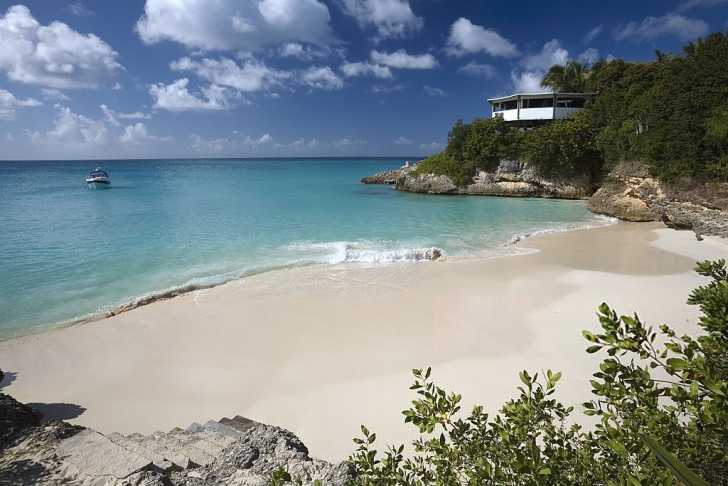
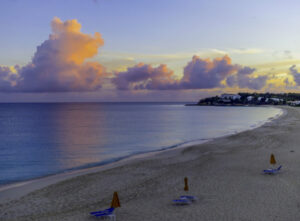
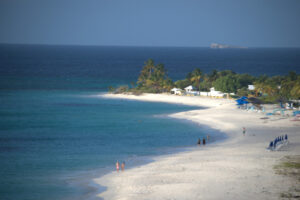
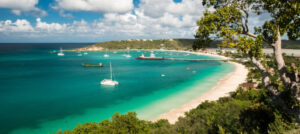
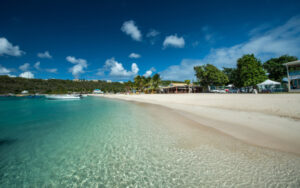
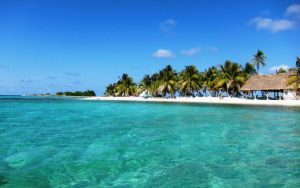
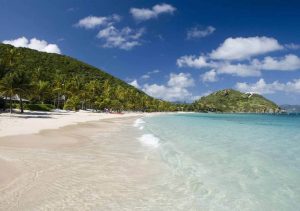
The island has 33 beaches, many considered among the best in the world, with powder-soft sand and water that shifts from turquoise to deep blue at the same glance.
Resorts range from boutique hideaways to luxury names, but none overwhelm the coastline.
Offshore cays add another layer of escape, with snorkeling reefs and beach barbecues only reachable by boat.
Culture threads through in subtler ways: wallblake sugar plantation ruins, small but meaningful museums, local music spilling from Sandy Ground bars, and colorful festivals like Carnival in August.
With just around 111,000 visitors a year, Anguilla stays quieter than most Caribbean destinations.
That slower pace is the appeal—a chance to linger over grilled crayfish, chat with fishermen in Island Harbour, or watch a sailing race without fighting crowds.
It’s a place that still feels like an island rather than an industry.
In fact, many previous visitors probably wish I wouldn’t spill all the enticing secrets of this Caribbean gem to keep that secluded feel!
Warnings & Dangers in Anguilla

OVERALL RISK: LOW
Anguilla is one of the safer islands in the Caribbean. Violent crime is rare, and most visits happen without incident. The biggest concerns are petty theft and the weather, not danger on the streets. Keep normal travel sense, and you’ll be fine.

TRANSPORT & TAXIS RISK: LOW
Driving is generally safe, but the roads are narrow and not always well-lit. Taxis don’t use meters, so confirm your fare before getting in. Rental car companies can help you get the required license for driving, but be prepared for aggressive driving conditions. Risk comes more from traffic quirks than crime.

PICKPOCKETS RISK: LOW
The risk is low, but if there's anything most likely to happen, it's petty theft due to an opportunity. Standard safety measures go a long way toward keeping this risk low.

NATURAL DISASTERS RISK: MEDIUM
The real risk in Anguilla is the weather. Hurricanes run from June through November, peaking in late summer and fall. Even offshore storms can bring rough seas and heavy rain that derail plans. Travel insurance and watching forecasts are key.

MUGGING RISK: LOW
Muggings aren’t common here. You’ll hear about the occasional robbery, but they’re not a big threat to tourists. Stick to well-lit areas at night and keep valuables in check.

TERRORISM RISK: LOW
There’s no terrorism risk in Anguilla. It’s not on anyone’s radar for that kind of activity. Stay aware, like anywhere else, but this is the least of your worries.

SCAMS RISK: MEDIUM
Overcharging on taxi fares or pushy “deals” are the main scams. Nothing dramatic, just watch for inflated prices and stick with licensed operators. Check with the Anguilla Tourism Board if you suspect any type of scammy or sketchy behavior from a vendor.

WOMEN TRAVELERS RISK: LOW
Women traveling solo should feel mostly safe. Catcalling or unwanted attention can happen, especially at night. Standard solo-travel rules apply: keep drinks in sight, trust your gut, and you’ll likely be fine.

TAP WATER RISK: LOW
Tap water is treated and usually safe, but many locals stick to bottled or filtered water. If you’ve got a sensitive stomach, do the same. Shortages can also happen during dry spells, so don’t waste water.
Safest Places to Visit in Anguilla
The Anguilla Tourism Board runs the travel website ivisitanguilla.com.
A free downloadable tourism guide is available on the home page.
The island’s biggest draw is its beaches.
It’s important to note that there are more than 30 beaches in Anguilla, and all of them are public.
That goes for the beach in front of fancy resorts.
Anyone is allowed to enjoy the beach there!
Shoal Bay East is the classic postcard stretch with calm water and beach bars, while Rendezvous Bay gives you a long, quiet walk with a view of St. Martin in the distance.
Sandy Ground is where the nightlife happens, with beach shacks, live music, and the island’s salt pond right behind it.
If you want a taste of history, head to The Valley, the island’s capital.
It’s home to the Heritage Collection Museum, Wallblake House, and a few small galleries that show off Anguilla’s art scene.
You can also hike Katouche Valley, sometimes called the “rainforest” of Anguilla, though it’s more of a rugged, green ravine than a jungle.
Water sports are everywhere.
Snorkel Little Bay for sea turtles, kayak around Crocus Bay, or take a boat trip to Prickly Pear Cays — an offshore pair of islands with reefs, trails, and beach grills.
Scilly Cay is another must: a tiny private islet famous for rum punch and lobster lunches.
On the east end, Island Harbour is the fishing village where you’ll find fresh catches and views of offshore cays.
The west end is dotted with upscale resorts, golf at CuisinArt, and Meads Bay’s beach clubs.
Places to Avoid in Anguilla
Anguilla is a pretty safe place, with no regions or neighborhoods considered too dangerous to visit.
Even travel advisories list petty crimes of opportunity as the most common risk, but even that isn’t an imminent issue.
The real risk comes during the hurricane season, from June through November.
The tropics really fire up between August and October.
This could mean a delayed or canceled trip, last-minute evacuations, or a lack of infrastructure after a storm.
Even if a hurricane stays offshore, the heavy rain, rough winds, and gray skies can turn your beach trip into anything but glamorous.
Safety Tips for Traveling to Anguilla
- The Royal Anguilla Police Force is who you’ll call if something goes wrong. The number is 911, the same as the U.S. You can also reach them at +1-264-497-2333. Princess Alexandra Hospital’s emergency line is +1-264-497-2551. Keep those handy in case you need quick help.
- Anguilla’s Department of Disaster Management (DDM) pushes alerts through radio, website, email, and their official app. Many locals also use the DDM’s WhatsApp channel for instant updates. Sign up or tune in so you don’t miss warnings about storms, earthquakes, or anything else major.
- Visitors can’t just rent a car and go. You’ll need a temporary driving permit, available through rental agencies or government offices. It requires your home license and passport, and costs a small fee. Permits can last a few days or up to six months.
- There are no required shots unless you’re arriving from a yellow fever country. Still, doctors recommend staying current on basics like tetanus, MMR, and hepatitis A. If you’re spending time outdoors or around animals, consider typhoid or rabies as an extra layer of protection.
- English is the official language. That means menus, road signs, and conversations will be easy to follow. Locals may slip into a dialect that sounds a little different, but you’ll understand enough, and they’ll absolutely understand you.
- Anguilla has no rivers, so water depends on rain and desalination. During dry months, supplies can run thin. Don’t waste it. Carry a refillable bottle, stay at places that provide safe water, and expect the occasional hiccup in supply.
- Mobility access is tough. Sidewalks are uneven or missing, ramps are rare, and crosswalks are scattered. Public buses and taxis don’t have special features for wheelchairs. If accessibility is a must, plan carefully and choose accommodations that fit your needs.
- Taking the ferry to St. Maarten or other nearby islands? Don’t assume the rules are the same everywhere. Each island has its own entry rules and safety issues. Always check advisories before you board so you don’t get surprised at the dock.
- Planning to fish? You’ll need a Visitor Sport Fishing License, even for shoreline casting. Weekly permits cost around EC$150 and are available through the Fisheries Unit. Stick to rod and line methods — other styles may not be allowed.
- In Anguilla, it’s polite to greet people with the time of day — “Good morning,” “Good afternoon,” or “Good night.” Jumping straight into “Hi” or “Hello” can sound dismissive. Start with the proper greeting, maybe add a “how are you,” and you’ll come across much friendlier.
So... How Safe Is Anguilla Really?
After reviewing the travel advisories and guidance from the U.S., the U.K., Canada, and Australia, Anguilla is relatively safe.
It’s also one of the safer Caribbean islands to visit.
Countries that do travel advisory rankings all give Anguilla the Level 1 designation.
That means using basic safety precautions.
Remember, a low risk level doesn’t mean “no risk.”
Crimes of opportunity are the biggest concerns.
There are natural risks, which can also be avoided by using common sense.
For example, don’t go on a deep-dive expedition if you’ve never dived before.
Know the water risks on any given day.
I do want to note that you’ll probably read other articles about drug and violent crimes increasing in the Caribbean.
This is partially true, but it doesn’t apply to all countries.
Even though the Canadian advisory mentions that there are increases in both categories in Anguilla, it’s not enough to warrant raising the advisory level.
However, that can change, so always check the most recent advisories before planning a trip.
By and large, Anguilla is safe, welcoming, and full of adventure or relaxation.
Whatever you’re looking for, you’ll find it in this island escape.
How Does Anguilla Compare?
| Country | Safety Index |
|---|---|
| Anguilla | 70 |
 Chad Chad | 32 |
 Equatorial Guinea Equatorial Guinea | 48 |
 Guinea-Bissau Guinea-Bissau | 36 |
 Romania Romania | 80 |
 Aruba Aruba | 90 |
 South Korea South Korea | 86 |
 Israel Israel | 65 |
 Gambia Gambia | 69 |
Useful Information

Visas
Most nationalities don’t need a visa for visiting Anguilla; if you hold a valid visa or residence permit from the US, UK, or Canada, you’re usually exempt. If your country is on the “visa-required” list, you’ll need to apply in advance or via the eVisa system. Always double-check before traveling in case changes pop up.

Currency
Anguilla uses the Eastern Caribbean Dollar (XCD or “EC$”), pegged to the US dollar at about EC$2.70 to USD1. The US dollar is also widely accepted in most hotels, restaurants, and shops. ATMs are available; for the best rates, bring cash or use a bank rather than resort exchanges.

Weather
Anguilla is hot all year, with average highs around 85-88°F (29-31°C) and lows rarely dipping below about 74°F (23-24°C). There's a dry season roughly from December to April. Rain peaks in September and October, which also aligns with hurricane risk. If you want sunny, calm travel, lean toward winter or early spring.

Airports
The main airport is Clayton J. Lloyd International (AXA) near The Valley. It handles regional and some international flights, plus charters. For more gateway options, you might fly to nearby islands like St. Maarten or Puerto Rico, then connect by smaller plane or ferry.

Travel Insurance
It’s not mandatory to have travel insurance when visiting Anguilla, but it’s smart. Best to get coverage for medical emergencies, evacuation, trip cancellation or delays, and lost luggage. Industry experts recommend policies with at least US$50,000 in medical coverage and over US$100,000 for evacuation as a safety cushion. More risky activities might require adventure insurance.
Anguilla Weather Averages (Temperatures)
Average High/Low Temperature
| Temperature / Month | Jan | Feb | Mar | Apr | May | Jun | Jul | Aug | Sep | Oct | Nov | Dec |
|---|---|---|---|---|---|---|---|---|---|---|---|---|
| High °C |
28 | 28 | 28 | 29 | 30 | 31 | 31 | 31 | 31 | 30 | 29 | 28 |
| Low °C |
22 | 22 | 24 | 24 | 26 | 27 | 27 | 27 | 26 | 26 | 24 | 24 |
| High °F |
82 | 82 | 82 | 84 | 86 | 88 | 88 | 88 | 88 | 86 | 84 | 82 |
| Low °F |
72 | 72 | 75 | 75 | 79 | 81 | 81 | 81 | 79 | 79 | 75 | 75 |
Anguilla - Safety by City
| City | Safety Index |
|---|---|
| Island Harbour | 86 |
| Meads Bay | 90 |
| Sandy Ground | 82 |
| Shoal Bay Village | 88 |












Travel
Very Safw. It’s a beautiful place to visit
I enjoyed learning about Anguilla’s laid back Caribbean vibe and low crime vibe it gave me confidence that beaches and small towns are safe if you use normal travel sense. The nod to weather risks and practical tips made me feel prepared.
I was not expecting such an untouched vibe; being able to just chill at the beach without the usual tourist scene was honestly refreshing.
The way Anguilla feels so untouched really makes you appreciate those simple moments, like sharing a meal with locals or just lounging on a nearly empty beach with that stunning water in front of you.
Just spent a week there and the beaches truly are like something out of a dream, the sand feels so soft it’s like walking on clouds.
Spent an afternoon on that powder-soft sand watching a small sailing race tuck along the horizon and felt oddly peaceful, like the usual rush just washed away.
Are you seriously trying to keep Anguilla a secret, because after getting sand in my flip-flops on that powder-soft beach and practically licking the plate of grilled crayfish I ate there, I wouldn’t blame you?
Walked a powder-soft beach at dusk, ate grilled crayfish from a little beach barbecue and felt my shoulders finally unclench in a way the crowded islands never let me.
Hard to believe Anguilla can stay under the radar with 33 beaches and only about 111,000 visitors a year, but after listening to live music in Sandy Ground while warm sand stuck between my toes it still felt quietly special.
Does anyone else feel protective about Anguilla because that hush at dawn on Shoal Bay when the sand actually squeaked under my feet and a fisherman waved from Island Harbour made me want to keep it secret?