


 British Virgin Islands : Safety by City
Think of the British Virgin Islands as the quieter neighbor in a shared Caribbean backyard.
They sit beside the U.S. Virgin Islands, just east of Puerto Rico and roughly 1,100 miles southeast of Florida.
Together, these clusters of islands dot the northeastern Caribbean, though they ended up under different flags.
The Virgin Islands were once held by colonial powers competing for sugar and trade routes.
Eventually, Denmark sold the western islands to the United States in 1917, creating the U.S. Virgin Islands, while Britain retained the eastern group, now known as the BVI.
Today, the two territories are close geographically but operate under separate governments and travel rules.
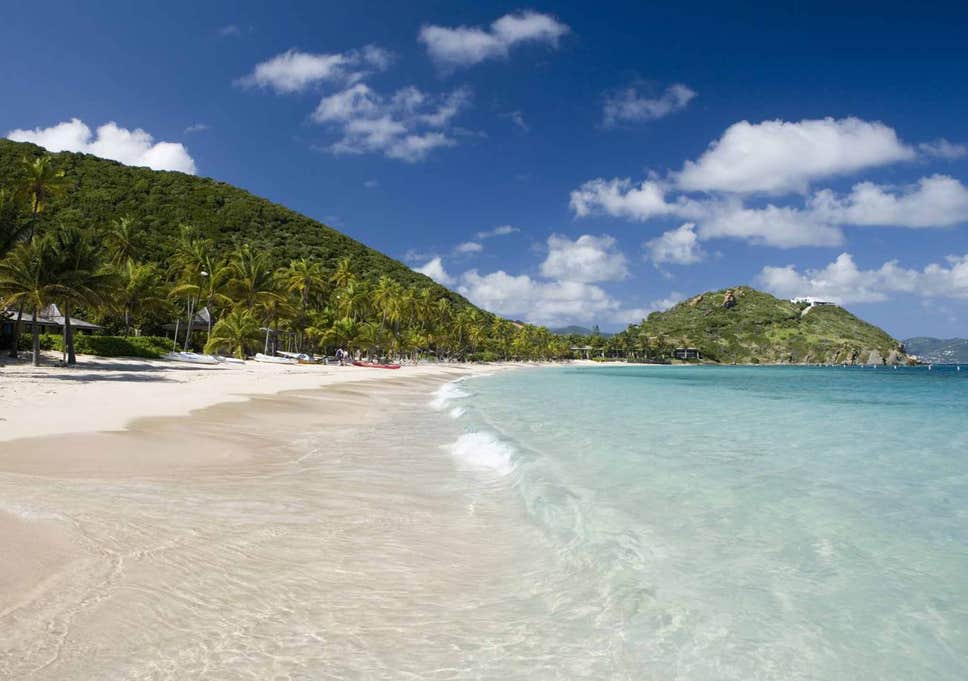
Visitors come to the BVI for sailing, world-class snorkeling and diving, and the relaxed atmosphere that contrasts with busier cruise ports.
Tortola offers beaches and nightlife, Virgin Gorda is famous for The Baths, Anegada lures with endless reefs, and Jost Van Dike is known for its beach bars.
Tourism numbers show how connected the two island groups are.
In 2024, the USVI set records with more than 2.7 million visitors, most arriving by cruise ship.
The BVI welcomed over 1 million, including 770,000 cruise passengers, reflecting a strong rebound and its enduring appeal for Caribbean travelers.
Warnings & Dangers in British Virgin Islands

OVERALL RISK: LOW
There's a low overall risk in the British Virgin Islands. Most of the major concerns come from how safely you plan and experience the island at your skill and comfort level.

TRANSPORT & TAXIS RISK: LOW
This is another low risk. Use ferries to island hop and local public transportation to get around the islands. Driving yourself is an option, but the roads can be poorly marked and have aggressive drivers.

PICKPOCKETS RISK: LOW
Crime is rare here, but pickpocketing is mostly a crime of opportunity. Don't leave your stuff lying around the beach while you're in the water, and keep your wallet secured at all times. The risk is low, but more crowded areas and being out if you've been drinking warrant more vigilance.

NATURAL DISASTERS RISK: MEDIUM
Hurricanes are the main threat, especially from June to November. Definitely treat it as a medium risk during those months. Earthquakes are possible since the islands sit on a fault line, though damaging ones are rare. Flooding and landslides can follow heavy rains. Travelers should monitor forecasts, follow local advisories, and buy travel insurance that covers weather-related delays or evacuations.

MUGGING RISK: LOW
Violent crime is relatively low in the BVI. Muggings are most likely to happen at night in less-populated areas. Petty theft around beaches, marinas, and nightlife spots is more common. Staying in well-lit, busy areas and avoiding solo late-night walks cuts your risk significantly.

TERRORISM RISK: LOW
There’s no recent history of terrorism in the BVI. The islands are considered low risk compared to global hotspots. Still, travelers should remain aware, avoid large political gatherings, and follow updates from their embassy or government travel advisory in case the regional security situation shifts.

SCAMS RISK: LOW
Tourist scams are uncommon but not absent. Overpriced taxis, unofficial “fees” for beach access, or inflated bills at bars may pop up. Always confirm fares in advance, double-check receipts, and stick with reputable operators for tours or rentals. Most locals are honest, but staying alert avoids small headaches.

WOMEN TRAVELERS RISK: LOW
The BVI is generally safe for women, but solo travelers should still practice caution. Harassment is rare but can occur, especially around nightlife hubs. Stick to reputable taxis, avoid isolated areas at night, and trust your instincts if something feels off. Resorts and organized tours offer an added layer of security.

TAP WATER RISK: MEDIUM
Tap water in the BVI isn’t always reliable for drinking. I'd encourage you to treat it as a medium risk unless provided with safety proof from a resort. Supplies can be limited, and desalination plants occasionally face disruptions. Bottled water is widely available and the safer choice. Use tap water for showering and brushing teeth, but stick to sealed bottles for drinking and ice in drinks.
Safest Places to Visit in British Virgin Islands
The official tourism website for the BVI is www.bvitourism.com.
You won’t find information about the United States Virgin Islands (USVI) there; that website is www.visitusvi.com.
Let’s break down the things to do and places to see by island.
Tortola
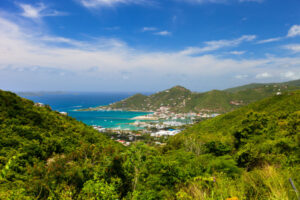
The largest island is the heart of the BVI, home to the capital, Road Town.
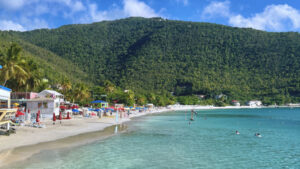
Tortola offers white-sand beaches like Cane Garden Bay and Brewers Bay, lively beach bars, and a small but vibrant cultural scene.
Sage Mountain National Park delivers hiking trails with sweeping views, while the Callwood Rum Distillery offers a taste of local heritage.
Virgin Gorda
Known for The Baths, a collection of giant granite boulders forming caves and pools along the shoreline, Virgin Gorda is a must-see.
Beyond that, you can explore Copper Mine Ruins, take in panoramic views from Gorda Peak, or relax at Little Dix Bay.
The island combines natural wonders with quiet, upscale resorts.
Anegada
Unlike the other volcanic islands, Anegada is flat and coral-based, famous for endless beaches like Loblolly Bay and Cow Wreck Beach.
It’s also a haven for snorkeling and diving, thanks to Horseshoe Reef, the Caribbean’s largest barrier reef.
Don’t leave without trying the island’s renowned spiny lobster.
Jost Van Dyke
This small island is big on fun, with world-famous beach bars like Foxy’s and the Soggy Dollar Bar, birthplace of the Painkiller cocktail.
White Bay is perfect for anchoring or just enjoying a laid-back beach day.
Hiking paths and local charm make it a favorite for day trips.
Places to Avoid in British Virgin Islands
There aren’t dangerous islands or parts of cities in the BVI, but standard precautions apply.
I do want to reiterate that the British Virgin Islands sit squarely in the Atlantic hurricane belt.
Storms are possible every year from June to November, peaking in late summer.
Direct hits aren’t annual, but powerful systems like Irma in 2017 show the risk is real.
Travel is easier outside this window, though if you go during hurricane season, flexible plans and travel insurance are essential.
Keep in mind that hurricanes or tropical weather can also impact cruise ship routes and connecting airports along the U.S. coast.
Safety Tips for Traveling to British Virgin Islands
- The Royal Virgin Islands Police Force handles law enforcement in the British Virgin Islands. In an emergency, dial 911 for police, fire, or ambulance. Response times can be slower outside main towns like Road Town or Spanish Town, so be clear when giving directions. Carrying local contact numbers for your hotel or charter company is also smart, since they often help coordinate.
- The BVI Department of Disaster Management issues alerts for hurricanes, earthquakes, and other major events. You can follow them on social media, tune into local radio, or sign up for text notifications through their website. Hotels and marinas also circulate warnings, so always pay attention to posted notices, especially during hurricane season from June to November.
- Foreign nationals cannot drive on a foreign license alone in the BVI. You must obtain a temporary BVI driver’s permit, which is available from car rental agencies for a small fee. Vehicles drive on the left side of the road, and mountainous terrain makes local driving far more challenging than it looks on a map.
- There are no mandatory vaccinations for entry into the BVI, but the CDC recommends being up to date on routine immunizations. Additionally, chemoprophylaxis for malaria is advised for all travelers, even on short trips, due to potential exposure in the region. Discuss options with a healthcare provider before departure, as guidance can change with current health risks.
- English is the official language of the British Virgin Islands, and it is widely spoken and understood. Travelers will have no issues navigating daily interactions, from ordering at restaurants to arranging transport. You may hear local dialects or Caribbean patois, but English remains the standard for signs, business, and official communication.
- Access in the BVI is very limited for travelers with mobility challenges. Sidewalks are often uneven or nonexistent, and ramps at intersections are rare. Pedestrian crossings can be poorly marked, making street navigation difficult. Public buses and taxis are not equipped with lifts or accommodations, so mobility-aid users will find moving around challenging.
- Outages are not uncommon in the BVI. Power cuts often result from storms or strain on the grid, while water shortages can stem from supply disruptions or maintenance. These outages are usually temporary, lasting a few hours, but they can be longer after hurricanes. Hotels and resorts typically have backup generators and cisterns to offset disruptions.
- The BVI has both public islands, where anyone can visit beaches, towns, and attractions, and private islands, which may be restricted to resort guests or day passes. When planning trips, confirm access in advance. Showing up uninvited on a private island can result in being turned away.
- Unlike some Caribbean destinations, the BVI has not passed a law banning traditional sunscreens. Reef-safe formulas are strongly encouraged to protect fragile coral ecosystems, especially when snorkeling or diving. Many dive shops and resorts sell reef-friendly options. While not legally required, using them is a responsible choice to help preserve the marine environment. Plus, eco-friendly sunscreen is required in the United States Virgin Islands.
- The BVI enforces strict drug laws, including for marijuana. Penalties for possession, trafficking, or smuggling are severe. Always keep your own luggage with you when traveling between islands or on ferries, and never agree to carry packages for others. Even unintentional involvement can lead to arrest, fines, or jail time under local smuggling laws.
So... How Safe Is British Virgin Islands Really?
The British Virgin Islands come with the lowest government advisory levels from the United States, the United Kingdom, Canada, and Australia.
What does that mean?
Level 1 equals “Use standard safety precautions.”
It’s worth noting that since the British Virgin Islands are not part of the United Kingdom itself, the islands have their own government and local laws.
That also means travel advisories are separate.
British residents should not just check the UK’s general advisory page, but specifically look for the British Virgin Islands listing to get conditions and risks unique to the territory.
Aside from general opportunist crime risks, you should really get informed about the dangers of the adventure activities and other struggles in the BVI.
Ask yourself several questions, including:
- Am I prepared for a water or a power outage?
- Am I booking activities that match my physical skill levels?
- Can I commit to only doing water activities when I haven’t consumed alcohol?
- Am I properly vetting the tour guides I’ve hired to take me on adventures?
These preventative steps can help you plan a safer trip while minimizing the risks.
One quick note—if you’re looking for safety comparing the U.S. Virgin Islands (USVI) to the British Virgin Islands, you’ll need to check Canada’s comparison.
Both the U.K. and Australia lump the USVI into the same category as the USA.
However, both sets of islands have low crime rates and similar natural risks.
One isn’t better or worse than the other.
How Does British Virgin Islands Compare?
| Country | Safety Index |
|---|---|
| British Virgin Islands | 89 |
 Monaco Monaco | 88 |
 Montserrat Montserrat | 70 |
 Ghana Ghana | 73 |
 Burkina Faso Burkina Faso | 41 |
 Latvia Latvia | 80 |
 Democratic Republic of the Congo Democratic Republic of the Congo | 21 |
 Bahrain Bahrain | 46 |
 Malawi Malawi | 53 |
Useful Information

Visas
You don’t need a visa if you’re a U.S., Canadian, or most European traveler staying under a month. Longer stays may require extensions through the immigration office. Always carry a valid passport with at least six months left before it expires, or you might get stopped before your beach day begins. Even though the British Virgin Islands are a UK Overseas Territory, UK citizens cannot breeze in with just a driver’s license or ID. A valid passport is required. The same goes for U.S. citizens. You can fly into the U.S. Virgin Islands with a driver’s license and birth certificate, but the moment you hop over to the BVI, you’ll need your passport in hand.

Currency
The U.S. dollar is the official currency, which makes things simple if you’re visiting from the States. Credit cards are widely accepted, though small shops and taxis often prefer cash. ATMs can be limited outside main towns, so it’s smart to have bills handy for ferries, roadside bars, or market stalls.

Weather
Warm weather dominates year-round, with average highs hovering in the 80s. Winter and spring are peak tourist months with drier skies, while summer and fall bring higher humidity and the risk of hurricanes. Pack light clothing, sunscreen, and rain gear if you’re traveling late in the season to avoid surprises.

Airports
Terrance B. Lettsome International Airport on Beef Island is the main gateway for the British Virgin Islands. Most international flights connect through Puerto Rico, St. Thomas, or Antigua. Smaller islands are served by ferries and charter flights, so plan for island hopping.

Travel Insurance
Travel insurance is a smart choice here. Medical facilities are limited, and serious cases often require evacuation to another island or the U.S. Mainland. Policies that cover medical emergencies, trip interruptions, and weather-related delays offer peace of mind. Given the region’s hurricane risk, it’s worth the small investment before you go.
British Virgin Islands Weather Averages (Temperatures)
Average High/Low Temperature
| Temperature / Month | Jan | Feb | Mar | Apr | May | Jun | Jul | Aug | Sep | Oct | Nov | Dec |
|---|---|---|---|---|---|---|---|---|---|---|---|---|
| High °C |
28 | 28 | 29 | 29 | 30 | 31 | 31 | 31 | 31 | 30 | 30 | 29 |
| Low °C |
23 | 23 | 24 | 25 | 26 | 27 | 27 | 27 | 27 | 26 | 25 | 24 |
| High °F |
82 | 82 | 84 | 84 | 86 | 88 | 88 | 88 | 88 | 86 | 86 | 84 |
| Low °F |
73 | 73 | 75 | 77 | 79 | 81 | 81 | 81 | 81 | 79 | 77 | 75 |
British Virgin Islands - Safety by City
| City | Safety Index |
|---|---|
| Cane Garden Bay | 90 |
| North Sound | 93 |
| Road Town | 84 |
| White Bay | 92 |
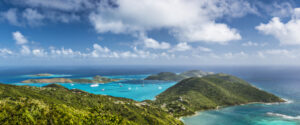










GORGEOUS!
The British Virgin Islands is BEAUTIFUL! My husband and I went here this year for our honeymoon. It was a bit of a mess because of COVID but we managed and went when there were downward patterns so we could avoid most of the hassles. I loved spending time on the beach. I felt as if I was living in a painting. We are going to go back for your 5 year anniversary and I can’t wait!
Seafood everywhere
Seafood is a big part of the food you will get to eat there so if you’re allergic, stock up on your anti allergy medicines or bring some snacks! Some restaurants purely serve seafood so ask ahead or research the menus before going in. I can’t wait to go back there though! We just did a quick trip, I would love to stay longer.
Have fun, the BVI rock
Most of the people I’ve encountered were helpful, decent and honest. They really know how to do tourism the right way, you won’t feel like something’s missing.
I would stay clear of the beach after dark, regardless if you’re traveling alone or not. If there’s an event or party on the beach then, by all means, go, otherwise I wouldn’t spend the late hours on the beach.
We stayed on Tortola and just went to nearby islands on day trips. This worked best for us since island hopping allowed us to better experience the whole area and do more than just laying around in the sun all day long. You could rent a catamaran for this but make sure to double check the weather.
If we were to come back we would choose St. John for its snorkeling and diving and skip island hopping altogether. I know people tend to opt between St John and St Thomas but for us the first is the best choice by a longshot.
I’ve found zero threats, both on land and on the boat. Everyone was accommodating and for obvious reasons you won’t feel like a walking target like you might feel in crowded squares in big cities. I just avoid having expensive jewelry or accessories along with wads of cash. This along with simply being aware of who is around me was enough to keep me safe, regardless where on the BVI I found myself.
Are you a foodie? Go for a food tour. Do you love the outdoors? Go hiking. A bit of underwater fun? Snorkeling and diving are sure ways to keep you entertained. Jost Van Dyke with its Soggy Dollar is THE place to go for a great drinking session.
Friendly place, seemed very safe and you won’t get bored with so many islands around.
This travel advice offered a nice mix of upbeat destination highlights turquoise waters, calm beaches, and laidback sailing spots while honestly noting pickpockets risks and hurricane seasons realities. Between sailing advice and practical safety tips, if felt like planning with a friends who’s been there.
Just spent a week in the BVI, and the snorkeling was like swimming in a live painting!
I didn’t expect the BVI to feel so laid-back and peaceful compared to its busier neighbors; sailing through those calm waters while soaking in the stunning views was honestly a breath of fresh air.
Sunrise through those granite boulders at The Baths still makes me tear up.
Relaxed atmosphere, right, try sitting through a one-hour Tortola ferry line with sunburned shoulders and tell me how relaxed you feel.
Sitting at a beach bar on Jost Van Dyke with the music in the background made me actually relax in a way I hadn’t expected.
The calm vibe in the BVI really makes snorkeling at The Baths feel like you’ve found a secret little world away from the crowds.
Spent a day snorkeling around Virgin Gorda and the underwater views totally made it worth it.