


 Cayman Islands : Safety by City
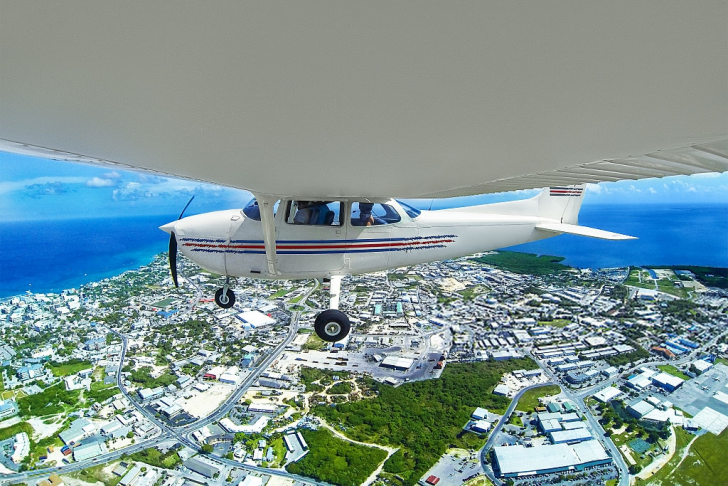
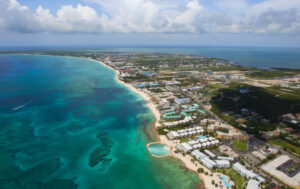
If your idea of paradise involves soft white sand, clear turquoise water, and a gentle sea breeze, you’re probably picturing the Cayman Islands.
This British Overseas Territory sits in the western Caribbean Sea, about 150 miles south of Cuba and 480 miles northwest of Jamaica.
It’s made up of three islands: Grand Cayman, Cayman Brac, and Little Cayman, each with its own personality.
- Grand Cayman is the largest and most developed island, home to the famous Seven Mile Beach, high-end resorts, and the lively capital of George Town.
- Cayman Brac, with its dramatic limestone bluff, attracts divers, rock climbers, and nature lovers.
- Little Cayman is the quiet sibling, tiny and serene, ideal for travelers who want to truly unplug.
The islands were first sighted by Christopher Columbus in 1503, though he never landed.
They were later settled by shipwrecked sailors, pirates, and former slaves before becoming a British colony in the 1600s.
Today, they blend island life with global sophistication, balancing tourism, finance, and nature conservation.
In 2024, the Cayman Islands welcomed over 1.2 million visitors, and about two-thirds of those arrived by cruise ship.
The appeal is obvious: crystal-clear water, coral reefs, luxury resorts, and a friendly culture that prizes both comfort and calm.
The landscape is a mix of pristine beaches, mangroves, caves, and underwater walls that plunge into the Caribbean Sea.
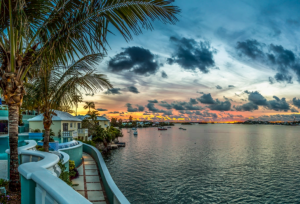
Whether you’re snorkeling with stingrays, diving shipwrecks, or simply watching the sun melt into the horizon, the Caymans make relaxation feel effortless.
It’s also one of the safest destinations in the Caribbean, but it still helps to know what to expect before you go.
Warnings & Dangers in Cayman Islands

OVERALL RISK: LOW
There's a low risk in the Cayman Islands, and it's consistently ranked as one of the safest Caribbean destinations. Common sense and basic safety steps go a long way.

TRANSPORT & TAXIS RISK: LOW
This is another low-risk category, with plenty of options for getting around Grand Cayman. You can rent a car, take a taxi, or flag down a bus. To get between the islands, you'll have to book a domestic flight.

PICKPOCKETS RISK: LOW
Crime is rare in the Cayman Islands, but don't let your guard down. Petty theft isn't a major concern, but it can happen if a crime of opportunity presents itself.

NATURAL DISASTERS RISK: MEDIUM
The Cayman Islands sit in the Caribbean hurricane belt, so tropical storms and hurricanes are possible from June through November. The risk is medium during this time. However, the islands are well-prepared with strong building codes and early warning systems.

MUGGING RISK: LOW
Violent crime is even less common than petty crimes. Especially when you look at travel advisories in places like Cuba or Jamaica, you'll find the Cayman Islands to be a very low risk.

TERRORISM RISK: LOW
There’s no known terrorist threat in the Cayman Islands. The territory maintains strong security partnerships with the UK and regional agencies. Like anywhere, remain aware of your surroundings at large public gatherings or festivals, but this is one of the safest Caribbean destinations.

SCAMS RISK: LOW
Scams are uncommon, but a few travelers have encountered inflated taxi fares or fake excursion operators. Always confirm tour prices in advance, book through reputable companies, and avoid sharing payment information with unverified online vendors.

WOMEN TRAVELERS RISK: LOW
The risk is low, but there might be more catcalling or verbal harassment than you might expect. Stick to groups after dark or if you'll be drinking.

TAP WATER RISK: LOW
Tap water in the Cayman Islands is safe to drink. It’s treated through modern desalination and purification systems that meet international standards. If you prefer, bottled water is widely available, but most visitors and locals have no issues drinking water straight from the tap.
Safest Places to Visit in Cayman Islands
The Cayman Islands Department of Tourism runs the official travel website visitcaymanislands.com.
Information is provided for guests arriving by land or sea.
Grand Cayman is the hub, where Seven Mile Beach steals the show with white sand and calm, turquoise water perfect for swimming or paddleboarding.
Don’t miss Stingray City, where you can wade or snorkel alongside gentle southern stingrays.
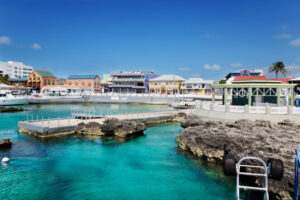
George Town offers colorful shopping, art galleries, and the Cayman Spirits Co. distillery.
For divers, the Kittiwake shipwreck and the North Wall are world-class sites teeming with marine life.
Head to the East End or Rum Point for quieter beaches, beach bars, and a slower pace.
Starfish Point is another favorite, especially at low tide when the starfish gather close to shore.
If you’re into nature, explore the Queen Elizabeth II Botanic Park or hike the Mastic Trail for a look at the island’s wilder side.
Cayman Brac is a paradise for divers and rock climbers.
The Bluff, a limestone cliff stretching along the island’s east side, offers panoramic views and a few small caves to explore.
The Brac Museum gives a glimpse into local history, and if you dive, the MV Captain Keith Tibbetts wreck is a must-see.
Little Cayman feels like a private island escape.
It’s home to fewer than 200 residents and the legendary Bloody Bay Marine Park, considered one of the best wall dives in the world.
Rent a bike, visit the Booby Pond Nature Reserve to see red-footed boobies, or spend an afternoon kayaking through quiet mangroves.
Places to Avoid in Cayman Islands
There aren’t really “bad areas” in the Cayman Islands, but like anywhere, use common sense.
Women should use extra precautions, especially when out after dark.
You shouldn’t dive and fly on the same day because your body needs time to safely release excess nitrogen absorbed while diving.
Flying too soon (usually within 18 to 24 hours) can cause decompression sickness, also known as “the bends.”
This rule applies to both long-distance and interisland flights, since even short flights climb high enough to pose a risk.
Grand Cayman does have a decompression chamber for emergencies at the hospital.
In the water, jellyfish and “sea itch” (tiny larvae that cause an itchy rash) are most common from April to August.
Wearing a rash guard, avoiding still or shallow water after storms, and showering immediately after swimming can help you sidestep the sting.
Avoid booking tours or excursions just based on the lowest price.
Cheapest isn’t always safest. Some bargain tours in the Cayman Islands cut corners on safety gear, insurance, or proper licensing.
You might end up on an overcrowded boat or with guides who aren’t certified.
Always check reviews, confirm credentials, and book through reputable operators.
It’s worth paying a little more for peace of mind and reliability.
Safety Tips for Traveling to Cayman Islands
- The Royal Cayman Islands Police Service handles law enforcement across all three islands. For emergencies, dial 911 for police, fire, or medical help. Non-urgent issues can be directed to the nearest police station. Officers are professional, approachable, and accustomed to assisting visitors.
- Cayman has a strong disaster-preparedness system. Visitors can sign up for the National Emergency Notification System (NENS) to get instant alerts via text or the AtHoc app for hurricanes, earthquakes, or other emergencies. Local radio stations and hotels also broadcast updates.
- Visitors can drive in Cayman using a valid driver’s license from their home country. No special permit is required for short stays, but you must have local car insurance. Drive on the left side of the road, buckle up, and watch for speed limits posted in miles per hour.
- There are no vaccine requirements to enter the Cayman Islands. However, travelers should be up-to-date on routine vaccines and consider hepatitis A or B shots, especially if eating local food or swimming in natural water areas. Always check current health notices before traveling.
- English is the official language of the Cayman Islands, and nearly everyone speaks it fluently. You’ll hear a relaxed Caymanian accent and some local slang, but communication for English speakers is effortless across hotels, restaurants, and shops.
- Reef-safe sunscreen isn’t just encouraged, it’s becoming an environmental expectation. Some areas may issue fines for using formulas with harmful chemicals. Play it safe and use mineral-based, reef-friendly sunscreen to help protect Cayman’s coral reefs and marine life.
- Bringing firearms or ammunition into the Cayman Islands is strictly illegal, regardless of permits or military status. Customs checks are thorough, and violations can result in arrest, prosecution, steep fines, and possible jail time. Leave all weapons, ammunition, and parts at home.
- Buying or possessing sea turtle products is illegal in the Cayman Islands. Wild turtle shells, jewelry, or meat are off-limits and can lead to hefty fines. Only items from the government-regulated Turtle Centre are legal, though most visitors avoid them to support conservation efforts.
- The legal drinking age is 18, but public drinking has limits. You can enjoy a cocktail on the beach at a resort or bar, but open containers on public streets or non-commercial beaches can attract police attention. Cayman enforces public intoxication laws, so drink responsibly.
- If you’re flying in, check the cruise schedule before planning your beach day or shopping trip. Cruise ships can bring thousands of passengers at once, changing traffic flow and crowd sizes. Locals plan around the schedule, and you should, too, for a more relaxed experience.
So... How Safe Is Cayman Islands Really?
At a time when many Caribbean locations are facing increased travel warnings, the Cayman Islands remain one of the safer places to visit.
The United States, Canada, and Australia list the Cayman Islands at the lowest possible risk level, which is Level 1.
That just means to exercise standard precautions.
However, low risk doesn’t mean “no risk.”
The biggest concerns here, as far as crime, include petty theft or opportunistic crimes.
The bigger risks are all on you, such as being prepared for the intense sun, booking activities that match your physical level, and understanding risks, such as diving and flying, in one day.
Provided you follow the guidance we’ve gone through, you’ll find what most visitors experience—a place with clear water, friendly towns, and a safe vibe that embraces people from all walks of life.
How Does Cayman Islands Compare?
| Country | Safety Index |
|---|---|
| Cayman Islands | 70 |
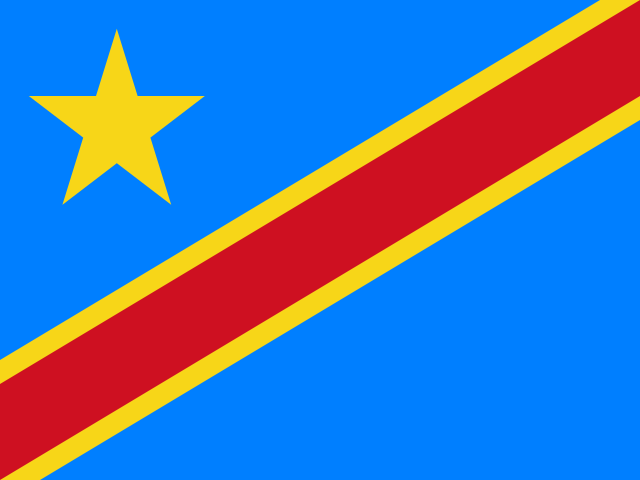 Democratic Republic of the Congo Democratic Republic of the Congo | 21 |
 Pakistan Pakistan | 26 |
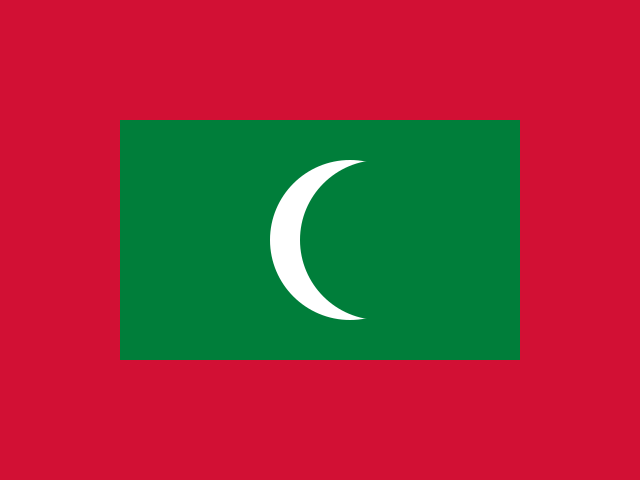 Maldives Maldives | 46 |
 Nepal Nepal | 59 |
 Namibia Namibia | 71 |
 Seychelles Seychelles | 80 |
 Argentina Argentina | 70 |
 Egypt Egypt | 38 |
Useful Information

Visas
If you’re from the U.S., Canada, or the UK, you can stay in the Cayman Islands for up to six months without a visa. Have proof of lodging, return plans, and money upon entry.

Currency
The Cayman Islands dollar (KYD) is the local currency, but U.S. dollars are accepted just about everywhere. Credit cards are widely accepted.

Weather
The Cayman Islands stay warm all year, averaging 77–88 °F (25–31 °C). December to April is the dry season. Expect it to be sunny, breezy, and ideal for beach time. May to November brings more heat, humidity, and occasional tropical storms. Even in the rainy season, showers usually pass fast, leaving behind postcard skies.

Airports
Owen Roberts International on Grand Cayman is the main entry point, serving direct flights from the U.S., Canada, and the UK. Charles Kirkconnell on Cayman Brac handles regional hops. If you’re heading to Little Cayman, brace for a short and scenic puddle-jumper.

Travel Insurance
You’re not required to have travel insurance to enter, but skipping it is a rookie move. Tropical storms, medical bills, and flight delays are real things. Look for coverage that includes medical care and emergency evacuation. For higher-risk activities, you'll want adventure insurance, just in case.
Cayman Islands Weather Averages (Temperatures)
Average High/Low Temperature
| Temperature / Month | Jan | Feb | Mar | Apr | May | Jun | Jul | Aug | Sep | Oct | Nov | Dec |
|---|---|---|---|---|---|---|---|---|---|---|---|---|
| High °C |
29 | 29 | 29 | 30 | 30 | 32 | 32 | 32 | 32 | 32 | 32 | 29 |
| Low °C |
22 | 22 | 23 | 24 | 25 | 26 | 26 | 26 | 26 | 26 | 26 | 23 |
| High °F |
84 | 84 | 84 | 86 | 86 | 90 | 90 | 90 | 90 | 90 | 90 | 84 |
| Low °F |
72 | 72 | 73 | 75 | 77 | 79 | 79 | 79 | 79 | 79 | 79 | 73 |
Cayman Islands - Safety by City
| City | Safety Index |
|---|---|
| Bodden Town | 82 |
| East End | 86 |
| Seven Mile Beach | 88 |
| West Bay | 83 |















Safest Place In The World
Cayman Islands Is Very Safe
Thank You For Not Lying
Also Thanks For Not Lying
Best island in the Caribbean!
Grand Cayman is the best Caribbean island hands down! Always feel safe and the people a mix from all over the world are friendly. Not to mention the best beaches where you can snorkel in 3 feet of water!
Short time but still had fun
Went on a cruise when I was 11 and this was one of the stops. Didn’t get to do much but I’m glad I could visit. I did get to swim with turtles which was amazing. Definitely a destination I recommend.
World traveler just found paradise
The terrorism risk at medium is both embarrassing and comical. Cayman is probably the safest country in the western hemisphere if not the planet.
Safest place in the carribean
This safety overview made me picture sunshine, clear water, and a calm island vibe, but didn’t shy away from practical cautions about pretty theft, taxi scams, and the needed to book reliable tours. It balanced beach holiday bliss with sensible reminders about hurricane season and normal travel precautions all of which felt honest and useful before planning a trip to the Caymans.
The beaches do look stunning in pictures, but I’ve heard the crowds can really change the vibe, especially at the popular spots. It’s easy to romanticize the idea of paradise until you find yourself stuck in tourist traffic.
Did you really get to see the sun setting into that horizon? I can only imagine how breathtaking that must have been.
Spent a week there and it really does feel like you’re walking through a postcard, especially on Seven Mile Beach. The water is unreal, and the sunsets? Just breathtaking.
Out here, even a short walk on Seven Mile Beach with its soft white sand and turquoise water made my shoulders finally unclench.
Sure, the water’s crystal clear and all, but try enjoying Seven Mile Beach at 10 a.m. when three cruise ships unload and the vibe turns chaotic, so relaxing.