


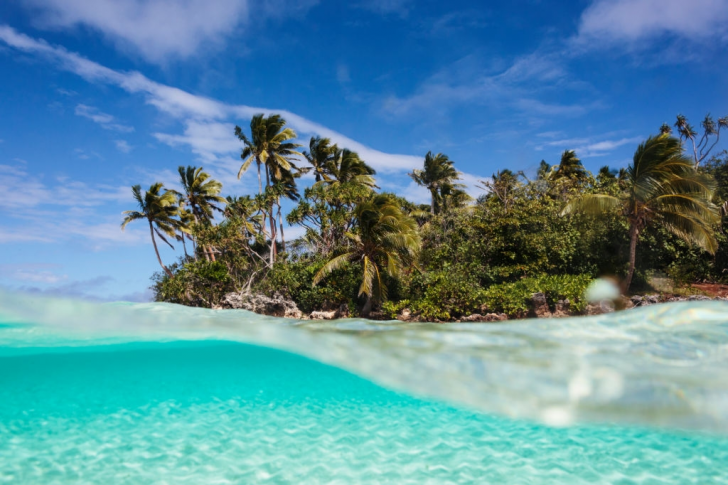
Tonga is often called the Friendly Islands, a travel nickname that actually holds up.
From warm village greetings to easygoing hospitality, much of what travelers experience here reflects that reputation.
It’s a place where small gestures matter, time moves slowly, and visitors are treated more like guests than customers.
Geographically, Tonga floats in the South Pacific like a loose necklace of islands, stretching between Fiji and Samoa and well below the equator.
It sits in a remote corner of Polynesia, which explains both its unspoiled feel and the long journey it takes to get there.
Isolation has shaped Tonga’s story, culture, and resilience.
Historically, Tonga stands out as the only Pacific nation never formally colonized, maintaining its monarchy and traditions through centuries of regional change.
Its modern identity combines ancient Polynesian customs, Christian influence, and strong royal heritage, all of which still shape daily life.
About 60,000 travelers visit each year, a modest number by global standards.
That’s not because of safety concerns, but rather distance, limited flight routes, and intentionally low-key tourism development.
What draws visitors are whale encounters, pristine reefs, relaxed beaches, hiking on rugged islands, and a culture that feels refreshingly untouched.
Tonga isn’t built for mass tourism, and that’s exactly why people fall in love with it.
Warnings & Dangers in Tonga

OVERALL RISK: LOW
There's a low risk in Tonga, but a lot of nuances new travelers should know before planning a trip. We'll detail those throughout the article.

TRANSPORT & TAXIS RISK: MEDIUM
Transportation has a medium risk, mostly due to the logistics of planning a trip to a country with so many islands to explore. Tongatapu and 'Eua have taxis and buses. The outer islands are more about getting around by bike, on foot, or via boat. While there are inter-island ferries, sometimes these can be overcrowded. Use your best judgment and trust your gut.

PICKPOCKETS RISK: LOW
This is a low risk, but that's to say you should use normal precautions. Crimes of opportunity will happen. It's also important to know that this is a country where people don't flaunt wealth. Doing so could make you a target.

NATURAL DISASTERS RISK: MEDIUM
Tonga sits in a highly active seismic and volcanic zone, which means earthquakes, undersea eruptions, and tsunami risks are real, though infrequent. The country also experiences cyclone season from November through April, bringing heavy rain, flooding, and strong winds. Treat it as a medium risk to stay informed on the weather and know the steps to take if an unforeseen issue, like an earthquake, happens.

MUGGING RISK: LOW
This is another low risk, with violent crime not being that common. However, the risk goes up after dark. Again, don't display signs of wealth or show off cash or valuables.

TERRORISM RISK: LOW
Terrorism isn't listed as one of the concerns in Tonga, so it's a low risk, but never low enough to let your guard down. Avoid local demonstrations or protests, should they happen during your trip, just to be safe.

SCAMS RISK: LOW
Scam risk in Tonga is low, especially compared to many global destinations. Most issues involve simple overcharging, unofficial tour operators, or vague pricing for taxis and boat transfers. Always confirm costs before committing, book tours through licensed providers, and avoid handing over passports as deposits.

WOMEN TRAVELERS RISK: LOW
Women travelers generally find Tonga safe, friendly, and respectful, including solo visitors. Violent crime is rare, and harassment levels are low. That said, Tonga is deeply religious and socially conservative, so modest clothing and reserved behavior go a long way. Avoid revealing outfits, especially outside beach settings, and be mindful on Sundays.

TAP WATER RISK: MEDIUM
Tap water in Tonga is generally treated, but reliability varies by island, infrastructure, and weather conditions. That's why it's a medium risk. Heavy rain and cyclones can affect water quality, even in urban areas. Many locals and hotels rely on rainwater tanks. To avoid stomach issues, stick to bottled or filtered water for drinking and brushing teeth, especially outside Nukuʻalofa.
Safest Places to Visit in Tonga
The Tonga Tourism Authority runs the official travel website www.tongatourism.travel.
Under the Plan header, you can find some suggested itineraries.
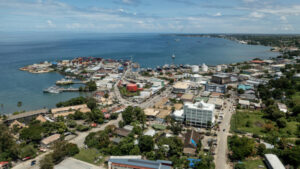
Tongatapu is Tonga’s main island and home to the capital, Nukuʻalofa.
This is where you’ll find most of the country’s historical sites, including the ancient Haʻamonga ʻa Maui trilithon, royal tombs, traditional markets, and the dramatic coastal blowholes at Mapuʻa ʻa Vaea.
Vava‘u is Tonga’s adventure hub, known for sailing, snorkeling, scuba diving, and world-class whale encounters.
Its maze of sheltered islands, coral reefs, and limestone cliffs makes it one of the South Pacific’s best playgrounds for water lovers.
Neiafu, the main town, offers marinas, dive shops, waterfront dining, and easy access to caves, beaches, and offshore islands.
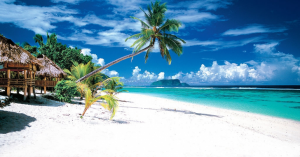
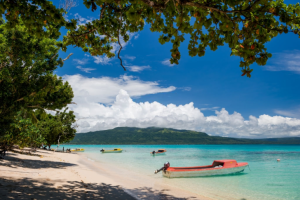
Ha’apai sits between Tongatapu and Vava’u and delivers classic postcard scenery: white-sand beaches, turquoise lagoons, and laid-back village life.
This region is ideal for travelers who want fewer crowds, relaxed island hopping, and simple seaside stays.
‘Eua is Tonga’s hiking and eco-adventure standout, offering rugged cliffs, rainforest trails, sea caves, and panoramic ocean views.
Just a short flight or ferry ride from Tongatapu, it feels far removed from urban life and is perfect for birdwatching, trekking, and dramatic coastal walks.
The Niuas, Tonga’s most remote islands, offer raw natural beauty, volcanic landscapes, and deeply traditional culture.
Reaching them takes effort, but travelers are rewarded with untouched reefs, village hospitality, and a rare glimpse of life far beyond typical tourist routes.
Places to Avoid in Tonga
Tonga, across the board, has a low risk.
There aren’t any dangerous neighborhoods or parts of the island to avoid.
While you can’t avoid the possibility of a fuel shortage, it helps to know the real risk here.
The country frequently experiences shortages that impact flights, ground transportation, and ferries.
You also want to avoid jumping into the water from any beach, as some are more dangerous than others.
Whether it’s a sharp coral reef just under the water or raging rip currents, look for beach warning signs and talk to locals before choosing a beach spot.
You should also know that poisonous cone shells are common on the coral reefs of Tonga.
The shells are beautiful, but the sting can be debilitating or deadly.
Avoid putting your shoes on before shaking them out to confirm no poisonous centipedes crawled in while you were away.
When looking at the menu at a local restaurant, you should know that Ciguatera fish poisoning is one of the most common food-borne illnesses.
It’s impossible to spot the risk, but you can talk to the wait staff about which fish aren’t from the reef.
Safety Tips for Traveling to Tonga
- Tonga’s police force is the Tonga Police, and emergency services are reached by dialing 911, similar to the U.S. Police, fire, and ambulance all run through this system. Response times can be slower outside Nukuʻalofa, especially on outer islands.
- Tonga does not have a nationwide emergency alert app like FEMA or Alert Ready. Most warnings come through local radio, television, social media, and word of mouth. Hotels and tour operators are usually the fastest source of updates for cyclones, earthquakes, or tsunami advisories. Keep up with weather risks through the Fiji Meteorological Service.
- Foreign visitors must obtain a local Tongan driver’s license, even if they already have a valid license from home. This is handled by the Tonga Police in Nukuʻalofa and is usually quick and inexpensive. Driving is on the left, road lighting is limited, and livestock regularly wander into traffic.
- There are no mandatory vaccinations for entering Tonga if you’re arriving from most countries, including the U.S., Canada, Australia, and Europe. However, routine vaccines plus Hepatitis A, Typhoid, and Tetanus boosters are commonly recommended. Dengue and Zika are present, so mosquito protection matters.
- Tongan and English are the official languages, and English is widely spoken, especially in tourism, government, and business settings. You’ll have no trouble navigating hotels, restaurants, tours, or airports in English. Learning a few basic Tongan greetings goes a long way and earns instant goodwill.
- If you’re diving in Tonga, avoid flying for at least 18 to 24 hours afterward. No hyperbaric chamber exists in Tonga to treat diving injuries, and emergency evacuation to the nearest chamber in Fiji or Nauru is extremely expensive. This makes conservative dive planning essential. Build in surface time before flights and resist the temptation to squeeze in “one last dive.”
- Tonga takes Sunday observance seriously. Many businesses close, flights pause, and even physical activities like jogging, sports, or swimming in public areas can be considered illegal. Even the airport is closed! Plan travel days carefully, stock up ahead of time, and embrace Sunday as a forced slow-down day.
- Tonga is socially conservative, and same-sex relationships remain criminalized under the law, though enforcement is rare for visitors. Public displays of affection of any kind, straight or LGBTQ+, are uncommon. LGBTQ+ travelers generally report safe experiences, but discretion matters. Stick to respectful behavior, avoid public affection, and lean into Tonga’s cultural norms to stay comfortable and drama-free.
- Tonga lacks accessibility laws and infrastructure for travelers with mobility, sensory, or cognitive disabilities. Sidewalks are uneven, ramps are rare, elevators are limited, and public transportation is not wheelchair-friendly. Even hotels can vary widely in accessibility standards. If mobility is a concern, contact accommodations directly before booking and plan for extra logistical hurdles.
- Between June and November, humpback whales migrate through Tongan waters. Tongan law requires visitors to use licensed operators with certified guides. Swimming, kayaking, or approaching whales independently can result in heavy fines and jail time.
So... How Safe Is Tonga Really?
Tonga ranks at the lowest advisory level possible, with the United States, Canada, and Australia, which is Level 1: Exercise Standard Precautions.
That means the risk of crime, terrorism, civil unrest, and other major safety factors is low.
Low risk doesn’t mean “no risk,” but common sense and situational awareness go a long way.
However, if you only read that far, you’re missing part of the story.
Some of the recent issues in Tonga might cause anxiety or frustration if you aren’t aware.
In 2025 and early 2026, Tonga experienced periodic fuel shortages that affected everything from domestic flights to ferry schedules and even power generation.
For travelers, this mostly translates into delayed or canceled flights, especially between islands, and occasional service disruptions.
Part of your planned itinerary might suddenly become impossible.
Tonga’s domestic airline, Lulutai Airlines, has also faced operational challenges, including aircraft availability issues and heightened safety scrutiny.
I’d recommend checking the latest headlines before booking a trip on that airline.
While Tonga is genuinely safe, it runs on island time, island resources, and island realities.
How Does Tonga Compare?
| Country | Safety Index |
|---|---|
 Tonga Tonga | 70 |
 Guinea Guinea | 39 |
 Samoa Samoa | 70 |
 Russia Russia | 34 |
 Gambia Gambia | 69 |
 Saint Kitts and Nevis Saint Kitts and Nevis | 70 |
 Taiwan Taiwan | 73 |
 Guinea-Bissau Guinea-Bissau | 36 |
 Palau Palau | 80 |
Useful Information

Visas
Most travelers from the U.S., Canada, the UK, Australia, and New Zealand can enter Tonga visa-free for up to 31 days. You just need a passport valid for six months, proof of onward travel, and enough funds for your stay.

Currency
Tonga uses the Tongan paʻanga (TOP), and cash is king outside the main tourist areas. ATMs exist in Nukuʻalofa, but they can run dry or go offline, especially on weekends. Credit cards work at larger hotels and restaurants, but don’t rely on them everywhere. Bring a mix of cards and cash, and plan ahead if you’re island hopping.

Weather
Tonga stays warm year-round, with daytime temps hovering in the 70s to 80s. The dry season runs from May through October and is the most popular time to visit. November through April is the hotter, more humid cyclone season, which can bring heavy rain and travel disruptions.

Airports
Most international travelers arrive at Fuaʻamotu International Airport near Nukuʻalofa. Flights typically route through Auckland, Sydney, or Fiji. Domestic flights connect the main island of Tongatapu with Vava'u and Ha'apai, but schedules can change with little notice. Build buffer time into your plans, especially if you’re connecting to whale swims or boat transfers.

Travel Insurance
Travel insurance provides peace of mind in Tonga. Medical facilities are limited, and serious cases often require evacuation to New Zealand or Australia, which can cost tens of thousands of dollars. Your policy should cover medical treatment, evacuation, trip delays, and cancellations. Add adventure coverage if you plan on diving, whale swimming, or boating.
Tonga Weather Averages (Temperatures)
Average High/Low Temperature
| Temperature / Month | Jan | Feb | Mar | Apr | May | Jun | Jul | Aug | Sep | Oct | Nov | Dec |
|---|---|---|---|---|---|---|---|---|---|---|---|---|
| High °C |
29 | 30 | 30 | 29 | 27 | 26 | 25 | 25 | 26 | 27 | 28 | 29 |
| Low °C |
23 | 24 | 24 | 23 | 21 | 20 | 19 | 19 | 20 | 21 | 22 | 23 |
| High °F |
84 | 86 | 86 | 84 | 81 | 79 | 77 | 77 | 79 | 81 | 82 | 84 |
| Low °F |
73 | 75 | 75 | 73 | 70 | 68 | 66 | 66 | 68 | 70 | 72 | 73 |












How is terrorist risk medium? You clearly do not know much of Tonga
because sense there have been none that does not mean there is none you should always beware of your surroundings
Wanna go back so bad…
Female solo traveler, I had the time of my life in Tonga! The water, the sand, the people, everything was picture perfect, way better than I prayed for. Everyone needs to experience the beauty of these islands at least once in their lifetime. I feel like most people always choose super popular destinations just because they’ve seen them on insta. People, there’s tons of amazing places, book a different location next time, preferably one that’s not Maldives.
No scams, no petty theft, no unwanted looks, people just mind their own business which allows you to mind your own business.
Because I traveled alone I paid even more attention when I visited a nightclub. Meaning I didn’t overdo it with the alcohol, never allowed my glass to get out of my sight and just ordered a taxi when I was done partying. Walking to the hotel, regardless how close you might think it is, is not ideal.
If you plan to do a lot of swimming I would advise you to exercise caution and listen to the hotel staff. Jumping head first in the water might get you a room in the ER, that is if you’re lucky They have super strong currents, currents that might overpower even the strongest swimmer.
For a huge whale lover like myself the fact that I was able to swim with whales made the whole trip worth the long flight, the jetlag, the overly pricey accommodation and so on. Flashing your fancy camera might impress people but it might also put you in the front set of a quick and effective robbery. Do yourself a favor and keep it under wraps until you actually need it. The same goes for your phone, drone, wallet. Don’t act like a douche and you will be left alone, simple as that.
Reading about Tonga made me rethink my South Pacific plans I hadn’t realized how much volcanic activity and unpredictable weather are part of the islands. The safety tips about keeping an eye on your stuff and staying aware of emergency signals actually made me feel more comfortable booking a flight.
It’s hard to shake the feeling that the real Tongan culture is getting lost with all the Western influences, even if the new traditions are interesting in their own right.
Sometimes a humpback breaching right beside the little boat makes me stop breathing for a second and feel quietly grateful to be where things still slow down.
Did you find the slow pace actually helped you unwind, or was it hard waiting for things to happen sometimes?
Did you find the slow pace of life refreshing or a little frustrating after a few days there?
Spending time there really makes you appreciate how much slower life can be, and I remember feeling genuinely welcomed when neighbors stopped just to chat while I was out walking.
Did you find the slow pace of life there made it hard to adjust back once you left?
The way people just stop to chat on the street really caught me off guard in the best way.