


 Brunei : Safety by City
Brunei isn’t the first place most travelers think of when planning a trip to Southeast Asia, which is exactly why it stands out.
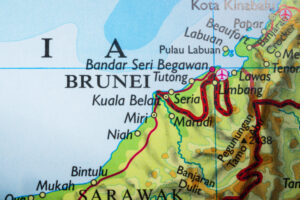
This small, oil-rich nation is located on the island of Borneo, bordered by Malaysia and facing the South China Sea.
Its history stretches back centuries as a regional sultanate, and today it remains ruled by one of the world’s longest-reigning monarchs.
Tourism here is modest compared to nearby countries.
In 2024, only about 678,000 people visited, a number that feels almost tiny when you realize Brunei’s entire population is just over 450,000.
That combination makes it a destination without crowds, where travelers can move at their own pace rather than jostling for space at every viewpoint.
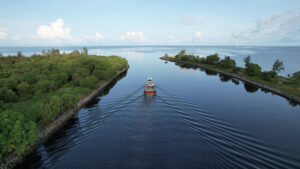
The country’s landscapes are a blend of pristine rainforests, mangrove estuaries, and quiet stretches of coastline.
You will not get a sprawling checklist of must-see cities and chaotic transit hubs here.
Instead, the appeal is the simplicity: compact towns, abundant natural beauty, and a slower rhythm that feels different from most of Asia.
It is a place to appreciate both nature and culture without feeling overwhelmed.
Brunei may not have the global reputation of Bali, Singapore, or Thailand, but that is part of the draw.
Add in the fact that it consistently ranks among the safest countries in the region, and it becomes a compelling choice.
Let’s look at why Brunei is such a secure place to explore, but also learn the etiquette and laws that might catch you off guard.
Warnings & Dangers in Brunei

OVERALL RISK: LOW
Brunei is considered one of the safest countries in Southeast Asia. Most governments rank it at the lowest travel advisory level, meaning standard precautions are enough. Violent crime is rare, and locals are generally respectful. The main concerns for visitors are natural conditions like heat, rain, and wildlife, rather than threats from people.

TRANSPORT & TAXIS RISK: MEDIUM
Getting around Brunei is straightforward and low risk. Roads are well-maintained, and traffic is calm compared to many Asian countries. Official taxis are limited and can be expensive, but they are safe. Ride-hailing apps like Dart are reliable. Renting a car is common, though local driving habits may feel slow to those used to busier roads.

PICKPOCKETS RISK: LOW
Petty theft is uncommon. Crowded markets, bus stations, and tourist spots are where it is most likely to happen. Simple precautions like keeping valuables close and avoiding flashing expensive items go a long way. Compared to neighboring countries, Brunei has very low pickpocketing activity.

NATURAL DISASTERS RISK: MEDIUM
Brunei avoids many of the natural disasters that hit other parts of Asia. It is not in a typhoon zone and does not experience major earthquakes. The biggest risks are flooding, heavy rains, and occasional landslides during the wet season.

MUGGING RISK: LOW
Muggings are rare in Brunei, even more so than petty crime. Most incidents involve crimes of opportunity, such as unattended bags or unlocked hotel rooms. Crimes of opportunity are the only real concern here.

TERRORISM RISK: LOW
Brunei has no recent history of terrorism, and the risk is considered very low. The government maintains tight security, and no known groups are operating inside the country. Regional instability can affect Southeast Asia broadly, but Brunei is not a common target.

SCAMS RISK: LOW
Tourist scams that plague many parts of Asia are almost nonexistent in Brunei. Prices are generally fair, and locals are not aggressive in selling to travelers. Compared to nearby destinations, Brunei is refreshingly free of scams, and the tourism industry is well-regulated.

WOMEN TRAVELERS RISK: LOW
Brunei is safe for women travelers, including those exploring alone. Street harassment is minimal, and violent crime is rare. Modest clothing is encouraged, especially in rural areas and religious sites, due to cultural and religious norms. Following these customs shows respect and helps avoid unwanted attention. Overall, it is a comfortable place for women to visit.

TAP WATER RISK: HIGH
Reports are mixed on the safety of Brunei's water, especially if you're used to Western standards. Check the latest travel advisories. Flooding can lead to tap water changing colors or impacting the quality. The website that should be able to provide water safety information from the government is not working. (You can try www.mod.gov.bn closer to your travel date to see if it's up and running.) Until then, treat it as a high risk.
Safest Places to Visit in Brunei
You can trust the information on www.bruneitourism.com since the government’s Tourism Development Department runs it.
Check out the e-guides for travel brochures in different regions or for specific activities.
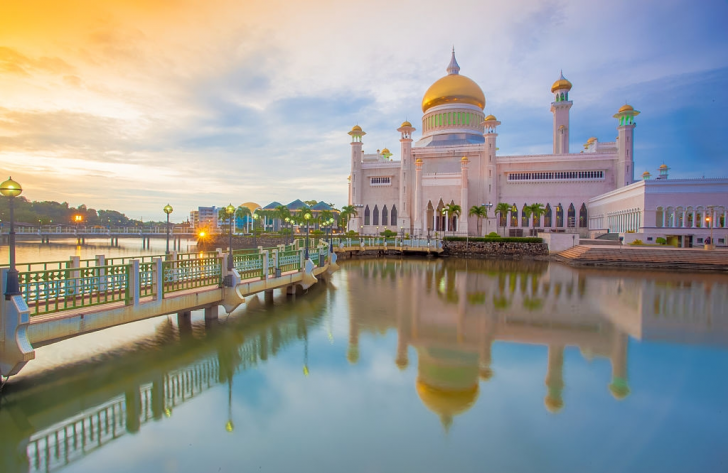
In the capital, Bandar Seri Begawan, highlights include the stunning Sultan Omar Ali Saifuddien Mosque, the modern Jame’ Asr Hassanil Bolkiah Mosque, and Kampong Ayer, the sprawling water village often called the “Venice of the East.”
The Royal Regalia Museum adds context to the country’s monarchy, while Tasek Lama Recreational Park offers waterfalls and hiking trails minutes from downtown.
Nature lovers will want to explore Ulu Temburong National Park, accessible only by boat, where rainforest canopy walkways give sweeping views.
The Andulau Forest Reserve and Bukit Shahbandar Forest Recreation Park are closer options for hiking and wildlife spotting.
Brunei’s mangroves are prime spots for proboscis monkey river safaris, while Jerudong Park Playground brings theme-park fun for families.
On the coast, Muara Beach is popular for picnics and swimming, while Serasa Beach caters to water sports like windsurfing and jet skiing.
Tutong District offers quieter stretches of sand, cultural homestays, and ecotourism projects.
Belait District, meanwhile, is known for oil industry heritage, traditional longhouses, and off-the-beaten-path adventures.
Places to Avoid in Brunei
Unlike some destinations, Brunei does not really have “no-go” zones.
The country is small, orderly, and generally safe, so you will not find neighborhoods that travelers are warned to avoid.
Petty crime can happen anywhere, but there are no districts with reputations for violence or high crime.
That said, your trip to Brunei might also take you across the border into Malaysia, since the two countries share the island of Borneo.
It is worth reading our article “How Safe Is Malaysia for Travel”, because risk levels are higher there, particularly in East Sabah.
Piracy and kidnapping concerns along parts of the Sulu and Celebes Seas have made governments issue stronger advisories for that region.
Brunei itself does not face those risks, but understanding the difference will help you plan responsibly if you’re combining both countries in one trip.
Safety Tips for Traveling to Brunei
- The Royal Brunei Police Force maintains order across the country. In case of an emergency, dial 993 for police assistance. Brunei is generally safe, but it is always good to know the number. Police stations are present in all districts, and officers are known for being professional and approachable if you need help.
- Brunei issues disaster and emergency updates through local media, radio, and government websites. The Prime Minister’s Office and Brunei’s National Disaster Management Centre post advisories. There isn’t a nationwide text alert system, so visitors should monitor reliable news outlets.
- Foreign nationals can drive in Brunei using a valid international driving permit or a license from their home country for short stays. For longer visits, you may need to convert it to a local license. Roads are in excellent condition, but traffic rules are strictly enforced. Always carry your documents, including insurance papers, when driving.
- No vaccines are legally required for entry into Brunei, but recommended shots include hepatitis A and B, typhoid, and routine immunizations. Mosquito-borne illnesses like dengue exist, so precautions are advised. Check with your doctor before travel for up-to-date advice. Yellow fever vaccination is required only if you are arriving from an affected country.
- Malay is the official language, but English is widely spoken in Brunei, especially in business, government, and tourism. Street signs and menus often include both languages. Visitors should have little trouble communicating, though learning a few simple Malay greetings is a respectful way to connect with locals and show appreciation for their culture.
- Brunei follows conservative Islamic values, and respecting local customs is important. Dress modestly, avoid public intoxication, and follow guidelines for behavior at mosques or religious sites.
- During Ramadan, eating, drinking, or smoking in public during daylight hours is illegal for everyone, including non-Muslims. Respecting this rule shows cultural awareness and avoids fines or arrest. Most hotels provide private dining options, and food outlets open at night. Plan your meals accordingly if visiting during the fasting month.
- Brunei enforces Sharia laws on khalwat, or close proximity between unmarried men and women when one is Muslim. Even holding hands or small displays of affection may be considered offenses. In addition to khalwat, zina laws prohibit fornication and adultery. Foreign visitors are subject to these laws if involved with a Muslim partner.
- Same-sex acts are illegal in Brunei under both civil and Sharia law, with severe potential penalties. While enforcement has been limited in practice, laws remain in place. LGBTQ+ travelers should be cautious, avoid public displays of affection, and prioritize discretion.
- Brunei’s Sharia Penal Code lists punishments such as stoning for adultery or certain same-sex acts and amputation for theft. These are rarely enforced due to strict requirements, but the laws still apply to foreigners. Understanding this framework is important.
So... How Safe Is Brunei Really?
Brunei is about as safe as you can hope for in an international destination.
Countries like the United States, Canada, and Australia, which rank travel advisories on a scale of 1 to 4, give Brunei the lowest risk level.
That’s Level 1, which means exercising standard precautions.
In fact, the biggest safety risks are crimes of opportunity, which means you largely control how safe you are there by using common sense.
It is worth noting that December and July see an uptick in crime, since December is during the busy holiday season and July is when schools aren’t in session.
There are rainforest risks, mainly tied to the terrain and wildlife.
Slippery trails, sudden downpours, and encounters with snakes or insects are more likely than violent crime.
Stick to marked paths, carry insect repellent, and go with a guide if you’re exploring remote areas.
Beyond that, the main considerations are tied to Brunei’s identity as a Muslim country.
Respecting local laws, dress codes, and customs is less about danger and more about being a thoughtful guest.
Hopefully, we’ve helped you prepare for a safe, respectful, and enjoyable trip to this unique island nation.
How Does Brunei Compare?
| Country | Safety Index |
|---|---|
| Brunei | 80 |
 Kazakhstan Kazakhstan | 72 |
 Poland Poland | 84 |
 Denmark Denmark | 94 |
 Japan Japan | 89 |
 Costa Rica Costa Rica | 64 |
 Finland Finland | 86 |
 Switzerland Switzerland | 89 |
 Maldives Maldives | 46 |
Useful Information

Visas
Most visitors to Brunei can enter visa-free for short stays, but it depends on your nationality. All travelers must complete an online E-Arrival Card before arriving. This is required even if you do not need a visa. If you do need one, the process is fairly simple.

Currency
Brunei uses the Brunei dollar, which is pegged to the Singapore dollar. Both are accepted everywhere. ATMs are common in cities but less so in rural areas. Credit cards are accepted in hotels and malls, but cash is still best for small shops and markets.

Weather
Brunei has a tropical climate, meaning it is hot, humid, and rainy year-round. Expect temperatures in the 70s and 80s Fahrenheit with frequent downpours. There is no cool season, so pack lightweight clothing and rain gear. The rain tends to fall in bursts, so you will usually still get plenty of sunshine.

Airports
Brunei International Airport in Bandar Seri Begawan is the main entry point. It is a small, easy-to-navigate airport with flights connecting to nearby hubs like Singapore, Kuala Lumpur, and Manila. Facilities are modern but limited, so do not expect endless shopping or food options.

Travel Insurance
Brunei now requires medical insurance for most visitors, effective July 2025. Coverage minimums vary by visa type, starting around BND 10,000 for short stays and much higher for work or long-term passes. Buying a policy before you travel avoids stress at the border.
Brunei Weather Averages (Temperatures)
Average High/Low Temperature
| Temperature / Month | Jan | Feb | Mar | Apr | May | Jun | Jul | Aug | Sep | Oct | Nov | Dec |
|---|---|---|---|---|---|---|---|---|---|---|---|---|
| High °C |
30 | 31 | 32 | 33 | 33 | 33 | 32 | 32 | 32 | 32 | 31 | 31 |
| Low °C |
23 | 23 | 24 | 24 | 24 | 23 | 23 | 23 | 23 | 23 | 23 | 23 |
| High °F |
86 | 88 | 90 | 91 | 91 | 91 | 90 | 90 | 90 | 90 | 88 | 88 |
| Low °F |
73 | 73 | 75 | 75 | 75 | 73 | 73 | 73 | 73 | 73 | 73 | 73 |
Brunei - Safety by City
| City | Safety Index |
|---|---|
| Bandar Seri Begawan | 91 |
| Bangar | 95 |
| Kuala Belait | 92 |
| Muara | 92 |
| Seria | 93 |
| Tutong | 94 |














GOOD if muslim. POOR if not.
Don’t go if not Muslim
Don't dress like you are from California...
You have to be aware of the culture in the area. Women, do not go here dressing as you would in America. Wear loose-fitting clothing that covers your chest, behind, and stomach. I would not advise on wearing anything shorter than capris in terms of shorts. It is best to just buy some of those oversize loose-fitting tops designed for warmer weather.
Motor boat and cruise
Respect local customs when you are there, especially when you are in areas that are holy. There are a lot of beautiful mosques to see. It is a generally safe country to visit, I remember sharing a boat with other tourists for the motor boat and cruise. Splitting the cost could save you a couple more bucks.
It breaks down crime, transport, scams, and cultural norms clearly especially useful if you’re wondering how it feels on the streets and what to expect day to day.
Just got back from Brunei, and I really enjoyed how peaceful it felt; it’s refreshing to have some space to breathe and soak in the natural beauty without the usual tourist hustle.
I didn’t expect Brunei to offer such a peaceful vibe, but the lack of crowds really lets you soak in the scenery. It’s refreshing to find a place where you can just enjoy nature without the usual hustle.
After wandering the near-empty mangrove boardwalks and feeling oddly relaxed, do you think Brunei’s quietness is what makes it special for slow travel or does it risk leaving most visitors wanting more?
Spent a slow morning watching proboscis monkeys along the mangrove river and honestly the quiet streets and the smell of wet earth left me feeling pleasantly unhurried.