


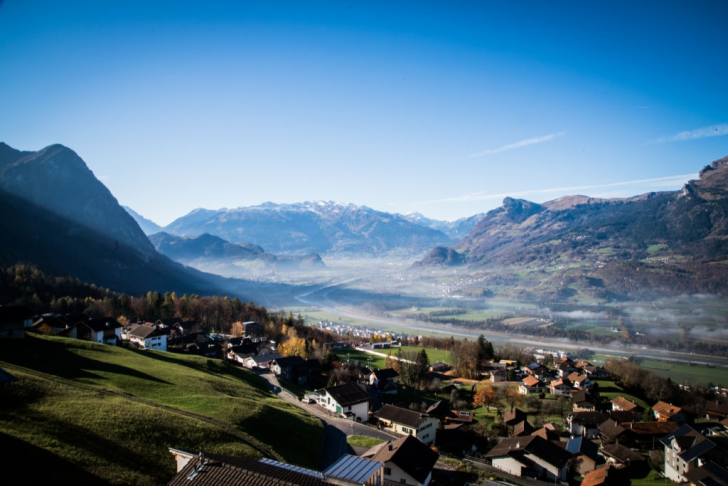
Liechtenstein is small.
Really small.
The entire country is roughly the size of Washington, DC, which immediately explains a lot about how it works, how people move through it, and why it feels so orderly.
You can cross the country in under an hour, yet it manages to pack in mountains, vineyards, medieval castles, and an outsized global reputation.
Geographically, Liechtenstein sits like a quiet hinge between worlds.
It rests in the Alpine Rhine Valley, where the Alps rise sharply on one side, and the river flattens the land on the other.
Switzerland hums just across the Rhine, Austria presses in from the east, and everything around it feels bigger, louder, and faster.
Liechtenstein feels intentionally calmer, like a deep breath between destinations.
Its history is equally compact but surprisingly influential.
The country became a sovereign principality in 1806 and has been ruled by the same royal family ever since.
Liechtenstein never joined the European Union, has no army, and has leaned into neutrality, finance, and precision industries to thrive.
Tourism hovers around 600,000 visitors a year.
For a country this size, that number is impressive.
Visitors come for Alpine scenery, hiking and skiing routes that feel uncrowded, postcard villages, and a sense of quiet efficiency that borders on charming.
The landscape shifts quickly from vineyard-lined valley floors to jagged mountain peaks, and nearly every view feels earned, not manufactured.
Liechtenstein is proof that small does not mean simple.
It just means everything is closer together.
Warnings & Dangers in Liechtenstein

OVERALL RISK: LOW
There's a low risk in Liechtenstein, especially when it comes to crime concerns. Most risks about about the activities you choose to do and the skill level you have to complete those activities.

TRANSPORT & TAXIS RISK: LOW
The risk of using public transportation is low, and there's an extensive bus network that makes it easy to get around the country. Taxis are plentiful and safe to use as well. If you plan to drive, ensure you know about the various toll roads and chain requirements throughout the country.

PICKPOCKETS RISK: MEDIUM
This one is a medium risk, but mostly in crowded areas. Pickpocketing happens here, but it's not an overwhelming problem. The best advice is to avoid leaving bags unattended. It's easy to get a sense of safety in such a low-risk country, but there are teams of pickpockets looking for tourists who let their guard down.

NATURAL DISASTERS RISK: LOW
Liechtenstein has low natural disaster risk overall, but winter is the wildcard. Heavy snowfall in the Alps raises avalanche risk from December through March, especially at higher elevations. Spring brings snowmelt and occasional flooding along the Rhine.

MUGGING RISK: LOW
This is another low, with violent crime against tourists being rare. You should still exercise basic precautions, but don't let this concern be a reason to avoid a trip to Liechtenstein.

TERRORISM RISK: LOW
The standard terrorism warning templates are in place for Liechtenstein, which is to say that "terrorism can happen anytime, anywhere." While that's a low risk, it's worth reporting anything suspicious to help keep the risk low.

SCAMS RISK: LOW
The risk of being scammed is low, but you'll still want to use standard precautions. Book through vetted tour agencies and don't let anyone pressure you to purchase something you don't want or need.

WOMEN TRAVELERS RISK: LOW
This is another low-risk risk, and even solo female travelers feel comfortable visiting Liechtenstein. As with any destination involving adventure activities, it's best to go with a group or guide to avoid being stuck in remote areas without help.

TAP WATER RISK: LOW
The alpine springs and groundwater of Liechtenstein make the water safe to drink, and some even prefer the taste to bottled water. If you're out in the wild, you might want to bring some bottled water to be safe.
Safest Places to Visit in Liechtenstein
The official tourism website for Liechtenstein is en.tourismus.li.
A marketing agency runs it, but it’s at the request of the government agency that oversees tourism.
Whether you’re visiting for a few hours or a few days, there are plenty of places of interest and activities that can fill up your Liechtenstein itinerary.
The Rhine Valley is where most towns sit, including Vaduz, Schaan, and Balzers.
This area is the cultural and economic heart, home to museums, galleries, wine cellars, and the country’s best dining and shopping.
Vaduz Castle looms above it all and sets the scene year-round.
Head uphill and the landscape changes fast.
Triesenberg and its surrounding mountain villages lean into Alpine tradition, with hiking routes, viewpoints, and quiet villages that feel far removed from the valley below.
In winter, this region becomes a snow playground.
Malbun is the main winter resort, known for skiing, snowboarding, sledding, and family-friendly slopes.
Spring and summer flip the script.
Hiking and biking trails crisscross the country, many with views into Switzerland and Austria.
The Prince of Liechtenstein Way is a favorite for long walks.
Autumn brings vineyards to life, especially around Vaduz and Eschen.
Fall is also when the Triesenberger Wochen (food festival) runs, which is perfect for those who want to explore the cuisine of Liechtenstein.
Places to Avoid in Liechtenstein
You don’t have to worry about dangerous neighborhoods or cities in Liechtenstein.
The country is relatively safe from crime, assuming you use standard safety precautions.
I can’t stress enough how small this country is.
Again, it’s about the size of Washington, D.C., and that means it’s about 20 times smaller than the state of Rhode Island.
Within that small size, elevation ranges from 1,400 feet above sea level to more than 8,500 feet.
The microclimates from the river valley to the alpine altitudes can mean quick changes to the weather.
Outdoor enthusiasts should know that while tourism is heavily regulated here, not all outdoor areas are marked clearly with risks or danger points.
That’s especially true if you are used to the robust safety measures in the U.S.
While all of this information is out of an abundance of caution, you don’t want to assume that, because you’ve explored higher mountain ranges like the Rockies or Sierras, you can skip safety steps in this slightly lower elevation country.
Safety Tips for Traveling to Liechtenstein
- Liechtenstein is very safe, but the National Police handle emergencies. Dial 117 for police, 144 for medical emergencies, and 118 for fire services. The European emergency number 112 also works. Response times are fast due to the country’s size, but mountain rescues can take longer depending on weather, terrain, and visibility.
- Download the AlertSwiss app for real-time alerts about severe weather, road closures, and regional emergencies. For winter sports and hiking, the European Avalanche Warning Service is essential. Conditions can change quickly in the Alps, especially from December through March.
- There are no government requirements for an International Driving Permit, but some rental car companies may ask for one. Winter driving can include mandatory snow chains, alpine road rules, and toll passes in nearby countries. Roads are excellent but narrow in mountain areas. Always check seasonal driving rules before heading out.
- There are no required vaccinations to enter Liechtenstein. Routine vaccines should be up to date, and travelers spending time outdoors may want to consider tick-borne encephalitis protection, especially in warmer months.
- German is the official language, spoken in a local Alemannic dialect. English is widely understood, especially in hotels, restaurants, shops, and tourist areas. You will rarely struggle with communication, though signage and official notices are often in German.
- Rescue operations in the Alps are extremely expensive and not always fully covered by insurance. Even a short helicopter rescue can run into the thousands. Many travelers choose a membership with Swiss Air Rescue (Rega), which can reduce or waive costs if you need emergency evacuation.
- Accessibility can feel different from that in the United States. Sidewalks may be narrow or uneven, and cobblestone streets are common in older areas. That said, major tourist sites, public transport, and newer facilities tend to be more accessible for those with mobility issues.
- Public buses are reliable, but the system is strict. Tickets must be purchased and validated in a punching machine before boarding. Inspectors do random checks, and fines are issued on the spot. If you do not pay immediately, the fine doubles automatically. This is enforced consistently, even for tourists.
- Liechtenstein’s highest elevations reach around 8,500 feet, which can still affect visitors. Shortness of breath, headaches, and fatigue are possible, especially when hiking or skiing. Take it slow on arrival, hydrate well, limit alcohol early on, and plan lighter activity days before pushing yourself in the mountains.
- Sunday is a quiet day in this Catholic country. Many shops close, and smaller businesses may not open at all. Tourist attractions, museums, and restaurants usually keep Sunday hours, but not always full schedules.
So... How Safe Is Liechtenstein Really?
I’ll be honest — if not for the mountainous terrain here, I’m not sure that I would’ve had much other safety information to share with you!
Liechtenstein is a wealthy, small, safe country.
Even travel advisories from other countries put it at the lowest possible risk level, which is Level 1: Exercise Standard Precautions.
Again, to punctuate the small size, you could walk this country east to west (or vice versa) in two hours and north to south (or vice versa) in six hours.
Crime is shockingly low, but don’t let that give you a false sense of safety.
Even the highest elevations aren’t going to impress people who’ve been on any of the 14ers in the U.S.
While the natural hazard risks are there, it’s worth noting that Liechtenstein is well protected by geography.
Being double landlocked and tucked into the Alps helps shield it from extreme weather systems.
Wind patterns and elevation moderate conditions year-round.
All that said, the price of safety and enjoyment comes at a real cost.
Prices here are more comparable to Switzerland instead of a $20 a day Europe budget.
But then again, does safety really have a price tag?
How Does Liechtenstein Compare?
| Country | Safety Index |
|---|---|
 Liechtenstein Liechtenstein | 89 |
 Malawi Malawi | 53 |
 Dominica Dominica | 80 |
 Barbados Barbados | 80 |
 Malta Malta | 78 |
 Paraguay Paraguay | 45 |
 Solomon Islands Solomon Islands | 70 |
 Fiji Fiji | 70 |
 Puerto Rico Puerto Rico | 48 |
Useful Information

Visas
Liechtenstein follows Schengen Area rules. U.S., Canadian, UK, Australian, and EU travelers can visit visa-free for up to 90 days within a 180-day period. Passports should be valid for at least three months beyond departure. There is no separate Liechtenstein visa process, which keeps entry refreshingly simple.

Currency
Liechtenstein uses the Swiss franc (CHF), not the euro. Credit and debit cards are widely accepted, including in small towns, but it is still smart to carry some cash. ATMs are easy to find. Be sure you're using a card with a CHIP and PIN, as those are generally required during checkout.

Weather
The climate is Alpine but relatively mild. Winters bring snow, especially at higher elevations, while summers are comfortable and rarely hot. Thanks to its geography, temperatures usually stay above about 5°F in winter and below 80°F in summer. Weather can change quickly in the mountains, so layers matter year-round.

Airports
Liechtenstein has no airport. Most travelers fly into Zurich Airport in Switzerland, about 90 minutes away by train or car. Altenrhein Airport in Switzerland is closer but limited. From Zurich, connections are easy and reliable, making Liechtenstein a straightforward add-on to a Swiss or Austrian itinerary.

Travel Insurance
Travel insurance is not legally required, but it is strongly recommended. Healthcare is excellent and expensive, and mountain rescue costs can be extremely high. Insurance should cover medical care, evacuation, and winter sports if applicable. You might need an additional adventure insurance rider if you plan on doing higher-risk activities. Many travelers also add rescue coverage through Swiss Air Rescue for extra peace of mind.
Liechtenstein Weather Averages (Temperatures)
Average High/Low Temperature
| Temperature / Month | Jan | Feb | Mar | Apr | May | Jun | Jul | Aug | Sep | Oct | Nov | Dec |
|---|---|---|---|---|---|---|---|---|---|---|---|---|
| High °C |
1 | 1 | 5 | 11 | 14 | 19 | 21 | 21 | 17 | 13 | 7 | 2 |
| Low °C |
-7 | -7 | -4 | 0 | 4 | 8 | 9 | 9 | 6 | 3 | -1 | -5 |
| High °F |
34 | 34 | 41 | 52 | 57 | 66 | 70 | 70 | 63 | 55 | 45 | 36 |
| Low °F |
19 | 19 | 25 | 32 | 39 | 46 | 48 | 48 | 43 | 37 | 30 | 23 |
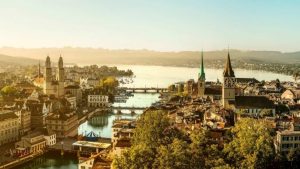












Peaceful and small
Peaceful and small. If you’ve travelled extensively around the world you would definitely feel how small it is. Their signboards would indicate the duration of walking to certain key areas, hahaha! That made me giggle the first time I saw it. You can see most of the country in a day so it might be a nice place to pop by quickly.
I had no idea Liechtenstein was such tranquil yet fascinating spot until I read this piece. It does a nice job highlighting why safety here is strong and how easy it is to travel around despite no airport. The tips on weather, emergency contacts, and practical travel logistics made me picture hiking the Alps and exploring Vaduz in a way that felt grounded and real.
It’s funny how a place so tiny can feel like a little universe of its own, especially with those incredible views around every corner.
Strolling through Liechtenstein felt like wandering through a living postcard, where every corner turned revealed a new surprise that was both breathtaking and oddly cozy, like the world’s most efficient little fairy tale.
It’s pretty wild how much beauty and history they packed into such a tiny spot; I was blown away by the views from the castles.
Did you also get that calm, almost uncanny vibe when wandering from the vineyard-lined valley up into the jagged peaks and realizing you could cross the whole country in under an hour?
Sure, being able to cross the whole country in under an hour is neat, but after a few days the constant quiet and perfectly kept postcard villages felt a little staged and oddly isolating.
I crossed the whole country in under an hour, and honestly the quiet between the vineyards and the Alps felt a bit eerie.
Sure, if you want to drive through in under an hour without actually getting lost or seeing anything other than a few castles and vineyards, Liechtenstein is your go-to tiny country fix.
I was surprised how quiet it really is, but honestly the vineyards didn’t wow me as much as I thought they would.
I get what they mean about it feeling calm, but honestly the quietness sometimes felt a bit too empty, almost like something was missing during my hike.