


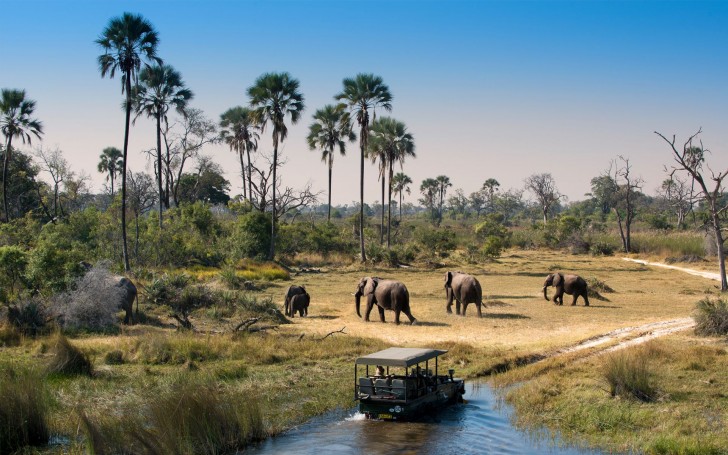
More than 1.7 million people travel to Botswana each year, drawn by its world-class safari experiences and reputation for stability.
Located in Southern Africa and landlocked between South Africa, Namibia, Zimbabwe, and Zambia, Botswana has transformed itself from one of the world’s poorest countries at independence in 1966 to a thriving democracy powered by diamond wealth.
Travelers are most often captivated by the country’s natural treasures.
A collection of national parks and reserves protects some of the rarest wildlife on the continent, from elephants and lions to desert-adapted species that thrive in harsh landscapes.
Expansive wetlands, vast salt pans, and stretches of desert offer dramatic contrasts for safaris by vehicle, river, or even small bush planes.
Beyond wildlife, Botswana offers a rich cultural dimension, with archaeological sites, vibrant traditions in rural villages, and the evolving modern identity of cities.
While it sounds postcard-perfect, there are some risks we need to go through, and this article is your first step toward having a safe experience in Botswana.
Warnings & Dangers in Botswana

OVERALL RISK: MEDIUM
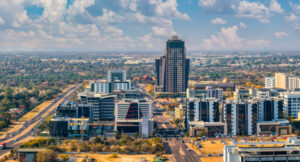
The overall risk in Botswana is considered medium, mostly because of crime in urban areas and border regions. While safari destinations and rural areas are typically safe, cities like Gaborone and Francistown see incidents of theft, robberies, and occasional violent crime. With basic precautions, most travelers enjoy the country without major safety concerns. Experienced travelers will likely feel this is a low risk.

TRANSPORT & TAXIS RISK: MEDIUM
The risk when using transport in Botswana is medium. Minibuses known as kombis are often unsafe due to poor maintenance and overcrowding. Taxis are available in cities, but may not always be metered. Driving yourself is common, though roads are poorly lit at night and wildlife frequently crosses highways. Organized transfers through lodges are generally the safest option.

PICKPOCKETS RISK: LOW
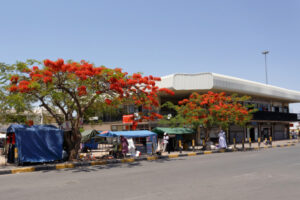
Pickpocketing risk is low to medium, depending on where you are. In busy markets, bus stations, and crowded areas of Gaborone, opportunistic theft does occur. It can quickly elevate to armed robbery. Don't resist a robbery for your own safety.

NATURAL DISASTERS RISK: LOW
Natural disaster risk in Botswana is low overall. The country experiences seasonal flooding in the Okavango Delta and occasional severe thunderstorms during the rainy season. Drought is another recurring challenge, which may affect the water supply more than tourists directly. Earthquakes and other large-scale natural disasters are not common.

MUGGING RISK: MEDIUM
Mugging risk is medium, especially in urban centers. Incidents are more frequent after dark, at isolated hiking areas like Kgale Hill, and in border towns. Most involve threats rather than extreme violence, but it’s still serious. Again, travelers are advised to comply if confronted, as most thieves approach with a knife or other weapon.

TERRORISM RISK: LOW
Terrorism risk in Botswana is low in the traditional sense, as there are no active extremist groups or recent terror attacks. However, organized crime tied to drugs, gangs, and illegal firearms is a problem, especially in border areas. These networks can damage Botswana’s reputation and occasionally spill into violent crime. Tourists aren’t direct targets, but you also don't want to end up in the wrong place because gangs won't care about your safety.

SCAMS RISK: MEDIUM
Scam risk in Botswana is medium, largely because the regulation of tour operators and services can be uneven. The best protection is doing due diligence when booking safaris or guides, keeping your electronics and social media accounts secure, and avoiding obvious signs of wealth. Taking these steps keeps the scam list short for most travelers.

WOMEN TRAVELERS RISK: LOW
The risk for women travelers is generally low. Women can safely travel solo, particularly on organized safaris or in groups. That said, harassment can occur in urban areas, and traveling at night alone is strongly discouraged. Modest dress in villages helps avoid unwanted attention.

TAP WATER RISK: LOW
This topic falls under "Are you feeling lucky?" Seriously, the tourism organization says the water is safe. Yet every government advisory says to avoid tap water and ice cubes made from tap water. Err on the side of caution and only use bottled water while visiting here. There are too many health issues to risk it.
Safest Places to Visit in Botswana
The Botswana Tourism Organisation runs the website botswanatourism.co.bw.
If you’re going to look for reputable tour companies, this is the place to start.
The country is divided into regions that each offer something different.
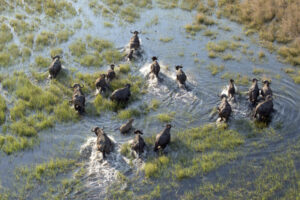
The north is dominated by the Okavango Delta, a UNESCO World Heritage Site where you can explore waterways by mokoro (traditional canoe) or game drive through Moremi Game Reserve.
To the east lies Chobe National Park, famous for huge elephant herds, and Kasane, a hub for river cruises on the Chobe River.
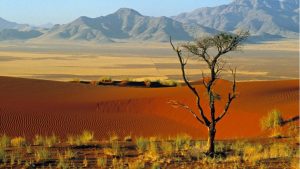
The Makgadikgadi Pans and Nxai Pan in the central region provide surreal salt flat landscapes and seasonal migrations, while the southern Kalahari offers desert-adapted wildlife and cultural encounters with San communities.
Travelers can choose how to experience it all.
Safaris generally come in three main forms:
- Self-drive: Rent a 4×4 and explore parks on your own, with campsites available. It requires preparation and navigation skills.
- Mobile guided safaris: Move from camp to camp with professional guides handling logistics.
- Luxury lodge safaris: Fly into private concessions with high-end accommodations and fully guided experiences.
Beyond safaris, Gaborone offers modern cultural stops like the National Museum and Three Chiefs Monument.
Francistown highlights Botswana’s mining history, while small villages showcase traditional crafts and music.
Archaeological sites such as Tsodilo Hills, known for ancient rock art, add depth for travelers interested in history.
Places to Avoid in Botswana
Crime in Botswana isn’t limited to cities; border regions with South Africa, Zimbabwe, and Namibia see more incidents, so it’s best to stay alert or avoid unnecessary travel there.
In Gaborone, minibuses known as kombis are cheap but often overcrowded, poorly maintained, and not the safest option for visitors.
Kgale Hill, a popular hiking spot, has had repeated reports of muggings, so consider going only with a group or local guide.
National parks are incredible, but solo exploration is risky.
Never leave your vehicle unless a warden or guide gives the okay, and never wander outside designated limits.
It’s especially important to avoid wandering out after dark, when wildlife becomes even more unpredictable.
Park rules exist for good reason, and following them could be the difference between a memorable safari and a dangerous encounter.
Safety Tips for Traveling to Botswana
- The local police are part of the Botswana Police Service and can be reached at 999 in an emergency. They are generally professional, but response times, especially outside cities, can be slow. Tourists should report crimes promptly, but don’t expect the same follow-up you’d get at home. Private security is common in urban areas.
- Emergency alerts in Botswana aren’t distributed by text like in some countries. Instead, major announcements are made on local radio, television, and through official government accounts online. Travelers should keep a portable radio in rural areas and check with lodges or tour operators for disaster updates, such as flooding or severe weather.
- Foreign nationals may drive in Botswana if they carry a valid driver’s license from their home country, but an International Driving Permit is recommended. Driving is on the left, roads can be poorly lit, and wildlife often crosses highways at night. Self-driving safaris require extra caution.
- There are no vaccination requirements unless you arrive from a yellow fever risk country, in which case proof of vaccination is mandatory. Malaria prophylaxis is recommended for northern regions like the Okavango Delta and Chobe. Routine vaccines such as hepatitis A, typhoid, and tetanus are also advised for travelers.
- English is the official language and is widely understood, especially in government offices, lodges, and cities. Setswana is the national language, and you’ll hear it everywhere, but most people in the tourism, hospitality, and transport sectors speak good English. Learning a few greetings in Setswana is appreciated.
- Power and water shortages occasionally occur, particularly in rural areas or during drought conditions. Blackouts are usually short but can disrupt ATMs, card payments, or hotel services. Travelers should keep bottled water and a flashlight handy and expect interruptions if visiting remote regions or camping outside major towns.
- Botswana strictly enforces laws against trading animal products. Spot checks are common on highways and at airports, and penalties for violations can include heavy fines and prison time. Even tourists unaware of the rules have been arrested. Do not purchase or transport any ivory, skins, or trophies.
- Same-sex sexual activity was decriminalized in 2021, and there are no reports of police harassment. Still, social attitudes outside major cities remain conservative. Travelers should avoid public displays of affection in rural areas to reduce unwanted attention. Gaborone and larger towns are generally more accepting than villages.
- Showing off wealth makes you a target for theft. Leave expensive jewelry at home, keep electronics out of sight, and avoid displaying cash. Smash-and-grabs at traffic lights, follow-home robberies, and break-ins are real risks in Gaborone. Secure valuables and stay alert, especially when driving or walking at night.
- Stray animals and wildlife should be avoided entirely. Street dogs may carry rabies, and wild animals, even when they look calm, can attack without warning. Do not touch or even approach animal droppings, as they may carry parasites or disease. Always keep your distance and respect safety rules in reserves and parks.
So... How Safe Is Botswana Really?
Botswana is often described as a safe and stable destination, but advisories vary.
The United States and Canada both give it a Level 2 rating, urging travelers to exercise a high degree of caution.
Their concerns focus on crime, including theft, break-ins, and occasional violent robberies, particularly in cities and at night.
Australia is less strict, assigning Botswana a Level 1 rating to exercise normal precautions, while still noting risks like carjackings and muggings in Gaborone.
The United Kingdom highlights a declared public health emergency, reminding visitors to secure travel insurance, check vaccination requirements, and follow local laws.
Safari regions are generally lower risk, though medical facilities outside major cities are limited.
The country’s outdoor experiences are safer with a trusted guide.
With awareness and preparation, most travelers enjoy Botswana safely. Just don’t try to go it alone, especially if it’s your first time visiting.
There are human, wildlife, and wilderness hazards, as we’ve detailed in this article.
Despite the risks, the tourist numbers consistently reaching 1.7 million a year prove that there is a safe and enjoyable way to experience this destination.
How Does Botswana Compare?
| Country | Safety Index |
|---|---|
 Botswana Botswana | 77 |
 Cuba Cuba | 47 |
 Solomon Islands Solomon Islands | 70 |
 Germany Germany | 85 |
 Ivory Coast Ivory Coast | 37 |
 Croatia Croatia | 83 |
 Guinea Guinea | 39 |
 Montserrat Montserrat | 70 |
 Bahrain Bahrain | 46 |
Useful Information

Visas
Most visitors don’t need a visa to enter Botswana for short stays, but rules change, so double-check before booking. You’ll usually get up to 90 days in a year. Customs can be picky about onward tickets, so keep proof handy. Overstaying is taken seriously, and fines or bans aren’t worth ruining your safari.

Currency
Botswana uses the pula, a name that literally means “rain” in Setswana. ATMs are easy to find in cities but nonexistent in remote camps. Credit cards work in most lodges and shops, but always carry cash for fuel stations or roadside stops. Exchange some money before heading into the bush to avoid headaches.

Weather
Botswana swings between dry winters and hot, rainy summers. May through October is peak safari season, with cool mornings and clear skies. November to April brings heat, humidity, and spectacular thunderstorms. Malaria risk also rises with the rains, especially in the north, so plan your timing wisely. Either way, you’ll pack sunscreen and layers.

Airports
Sir Seretse Khama International Airport in Gaborone is the main entry point, but most safari-goers connect through Maun or Kasane. Maun is the gateway to the Okavango Delta, with tiny bush planes whisking travelers into camp. Read the airport advisory from your government, as there's a common problem of bags being stolen from visitors entering Botswana from South Africa. This is especially important for anyone traveling through the Johannesburg or Cape Town airports.

Travel Insurance
Travel insurance isn’t a legal requirement in Botswana, but it is highly recommended. If you get sick or injured in a remote park, medical evacuations and private care can be extremely expensive. Many safari operators require proof of coverage before confirming a booking, so consider it essential for peace of mind. Additional adventure insurance might be necessary depending on the types of activities you're planning.
Botswana Weather Averages (Temperatures)
Average High/Low Temperature
| Temperature / Month | Jan | Feb | Mar | Apr | May | Jun | Jul | Aug | Sep | Oct | Nov | Dec |
|---|---|---|---|---|---|---|---|---|---|---|---|---|
| High °C |
32 | 32 | 31 | 31 | 28 | 26 | 25 | 28 | 34 | 34 | 34 | 32 |
| Low °C |
19 | 19 | 18 | 14 | 9 | 6 | 6 | 9 | 13 | 15 | 19 | 19 |
| High °F |
90 | 90 | 88 | 88 | 82 | 79 | 77 | 82 | 93 | 93 | 93 | 90 |
| Low °F |
66 | 66 | 64 | 57 | 48 | 43 | 43 | 48 | 55 | 59 | 66 | 66 |
Botswana - Safety by City
| City | Safety Index |
|---|---|
| Francistown | 72 |
| Gaborone | 74 |
| Jwaneng | 82 |
| Kasane | 84 |
| Maun | 82 |
| Palapye | 76 |
| Serowe | 79 |






Botswana is located in Southern Africa, not in South Africa. The rest of the information is accurate.
Inaccurate: September and October are not the hottest months. Those are December and January.
i like this country 👍
Very safe
Nice place
Extremly safe
We spent a big week in Botswana, surrounding the Okavango Delta, from the Caprivi, through Maun and on to Kasane. I felt as safe as I did at home, and several locals explained to me that stealing is very much frowned upon in Botswana, if a local sees another local stealing, it is directly reported. 10/10, I would go there for all my holidays if it wasn’t so far.
Botswana in Brief
When in Botswana avoid going in crowds within the malls, go to malls with cameras when in the city, Gaborone has got different kinds of malls with different security levels. Also avoid the malls in the ghettos, you are more likely to get mugged there, but almost 70% of Most cities, townships or villages are not ghettos. If you happen to visit a ghetto leave your valuables behind and take only necessities , have a company of a local guide well known in that location, avoid walking in dark streets. Apparently Maun, Kasane and the Kgalagadi desert has less crime rate in Botswana as compared to the eastern corridor where you find more population, the former mentioned places are the major tourist destinations in Botswana. Maun has the second largest airport in the country at international standard. The Okavango remains to be safest and haven in Botswana, of course it comes at a price. Botswana produces diamonds, copper, beef, coal, tourism being the second after diamonds in revenue.Batswana, people from Botswana very hospitable in nature.
The wildlife and landscapes sound incredible, but I appreciated the honest talk about crime in cities, careful transport tips, and how basic precautions really matter. Felt like prepping for adventure without sugar coating.
Just reading about Botswana’s wildlife and landscapes makes me want to pack my bags and hunt down those elephants in the Okavango Delta!
Guess it’s nice to know that while I’m dodging elephants, I can also be on the lookout for archaeological sites. Talk about multitasking on vacation!
Had the best time spotting elephants up close, it’s an experience I’ll never forget!
Just got back from Botswana and the wildlife sightings were absolutely unforgettable!
Didn’t expect the culture to be so rich alongside the incredible wildlife; it really adds another layer to the whole experience.
Experiencing the wildlife in Botswana is unlike anything else, especially watching elephants roam freely in their natural habitat, it really makes you appreciate how special this place is.
So basically, it’s all fun and games until you realize the only thing standing between you and a lion might be a flimsy vehicle door.
Still laughing at how I went from bouncing around in a dusty 4×4 watching elephants stroll past like they owned the road to nervously triple checking my bag back at the lodge after hearing about all the safety stuff.
Around here the salt pan’s dry crunch underfoot still knocks the breath out of me and makes me a bit more careful about when I head out on a drive.
I was honestly stunned at how my chest tightened watching elephants wander across the vast salt pan after a river safari, everything going oddly quiet for a minute.
Funny how a surprise rainstorm in the Kalahari left my camera splashed with mud but made that dusk game drive one of the most oddly joyful nights I’ve had here.
Caught a glimpse of a lion close to the Okavango Delta once, and man, the adrenaline rush was unreal!
Didn’t expect the salt pans to be so mesmerizing, it felt like stepping into another world out there!
I once went on a river safari there and the way the light caught the water just felt incredibly peaceful, even with all the wildlife buzzing around.