


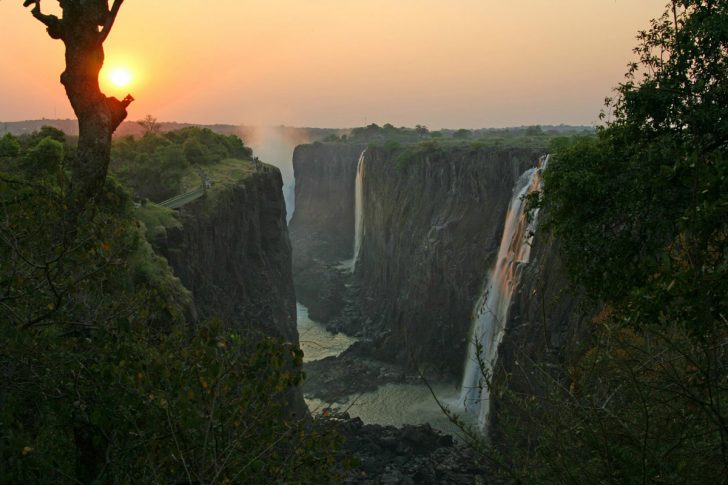
Zambia stands out as one of Africa’s lowest-risk countries, offering travelers a rare mix of political stability, social calm, and wide-open adventure.
Sitting in Southern Africa, it borders eight countries and acts as a natural crossroads between East, Central, and Southern Africa, yet manages to avoid much of the regional turbulence that often spills across borders.
Since gaining independence from Britain in 1964, Zambia has maintained a relatively steady political path, marked by peaceful elections and consistent leadership transitions.
While many neighboring nations experienced prolonged civil wars, coups, or internal conflict, Zambia leaned into diplomacy, nonalignment, and regional cooperation.
That steady governance helped build trust, stabilize institutions, and keep extremist threats and violent unrest largely at bay.
The result is a country that feels refreshingly predictable by African travel standards.
Tourism is now a major growth driver, with 2.4 million visitors arriving in 2025.
Travelers come for Victoria Falls, world-class safaris, river adventures on the Zambezi, and vast national parks that still feel untouched.
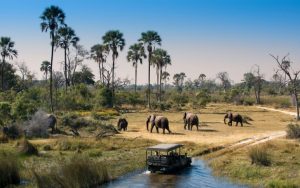
Zambia’s massive footprint allows for everything from leopard-filled bush camps and walking safaris to freshwater beaches, fishing lodges, and wetland birding.
Add warm hospitality, strong conservation efforts, and low crowd density, and Zambia quietly becomes one of Africa’s most rewarding and underrated destinations.
Warnings & Dangers in Zambia

OVERALL RISK: LOW
Zambia comes with a low risk, and it's one of the best options to visit in Africa for those concerned about minimizing safety concerns. That doesn't mean there's no risk, and we'll explore the best advice to enjoy a safe trip throughout this article.

TRANSPORT & TAXIS RISK: LOW
The risk is low, but you should know the nuances of getting around Zambia. Intercity buses are generally reliable and safe, but minibuses should be avoided due to safety concerns. Taxis are available within cities, but the cost might leave some sticker shock. Don't expect taxis or rideshares in rural areas. Getting around with a tour guide is your best and most reliable bet.

PICKPOCKETS RISK: LOW
The risk is low, and most petty theft is the result of an opportunistic crime. Don't let the low risk level cause you to let your guard down.

NATURAL DISASTERS RISK: MEDIUM
Zambia faces seasonal natural disaster risks, mainly during the rainy season from November to April. Heavy rainfall can trigger flooding, flash floods, and road washouts, especially in low-lying areas and near rivers. Another reason to travel with a guide is that they will keep an eye on the weather for you.

MUGGING RISK: LOW
Violent crimes aren't common in Zambia, giving this a low risk. At the same time, use caution after dark or if enjoying nightlife. Don't walk around after dark.

TERRORISM RISK: LOW
There's a low risk of terrorism. In fact, the United States and Canada don't mention terrorism in their advisories. The UK advisory only mentions it in general language, noting that it's important to stay vigilant anywhere you go.

SCAMS RISK: LOW
Romance and Wi-Fi scams are the main ones noted in the travel advisories, but considering how common that risk is globally, it's a low risk. You can read the advisories for updated information.

WOMEN TRAVELERS RISK: LOW
Women face a low risk, but solo travelers should proceed with a medium risk. Catcalling and unwanted attention can happen if you're traveling alone. Stick with groups or a tour guide.

TAP WATER RISK: MEDIUM
This is a medium risk, and while some major cities might have water that won't make you sick, it's generally advised to use bottled water. That's especially true if you're traveling to rural areas. Also, water shortages are common, especially during droughts. Always have bottled water with you that can last for a few days.
Safest Places to Visit in Zambia
The Zambia Tourism Agency runs the official tourism website zambia.travel.
Even though we know Zambia is one of the safer African countries to visit, the Updates header contains useful information to check before planning a trip.
Livingstone anchors most itineraries, home to Victoria Falls, one of the world’s largest waterfalls, plus Zambezi River cruises, whitewater rafting, microlight flights, bungee jumping, and easy day trips into Zimbabwe or Botswana.
Just upstream, Mosi-oa-Tunya National Park offers rhino tracking and classic safari drives.
South Luangwa National Park is Zambia’s safari crown jewel, famous for walking safaris, leopard sightings, and dense wildlife populations.
Lower Zambezi National Park delivers river safaris, canoeing, tiger fishing, and game viewing along dramatic escarpments.
Kafue National Park, one of Africa’s largest, offers remote lodges, seasonal floodplains, birding, and rare antelope species with far fewer crowds.
Lake Kariba and Lake Tanganyika attract anglers, boaters, and sunset chasers, while Nsumbu National Park pairs wild beaches with freshwater swimming and lakeside wildlife.
In the north, Kasanka National Park hosts the world’s largest bat migration, while Bangweulu Wetlands protect the rare shoebill stork.
Add Lusaka’s food scene, craft markets, and museums, plus rural villages, waterfalls, and hot springs, and Zambia becomes a destination that quietly delivers extraordinary depth without the crowds or chaos.
Places to Avoid in Zambia
Zambia does not have many places travelers need to actively avoid, but there are a few situational risks worth knowing.
In early 2025, contaminated mining wastewater entered the Kafue River system, introducing heavy metals and pollutants that created serious environmental and health concerns.
Travelers should avoid affected areas, follow local health guidance, drink only verified safe water, and avoid fish from impacted waterways.
Boiling water will not remove heavy metals, so caution here is non-negotiable.
Border regions near Angola, the Democratic Republic of Congo, and Mozambique also deserve extra care.
While Zambia was declared landmine-free in 2009, isolated unexploded ordnance may still exist in remote border zones.
Stick to paved roads, avoid unmarked trails, obey warning signs, and cross only at official border posts.
These areas can also see occasional cross-border criminal activity, so vigilance matters.
Outside these specific concerns, Zambia remains one of Africa’s safer and more relaxed destinations, especially in major cities, safari regions, and popular tourist corridors.
Safety Tips for Traveling to Zambia
- Zambia’s main emergency number is 999, which connects you to police, ambulance, and fire services. Response times can vary outside major cities, so hotels, safari lodges, and tour operators are often your fastest backup. Save the number in your phone and ask your hotel for local emergency contacts when you check in.
- Zambia does not have a nationwide emergency alert system for travelers, so staying informed takes a little effort. Follow local news, monitor weather updates during the rainy season, and pay attention to hotel and lodge notifications. If you buy a local SIM card, providers often send regional safety alerts. Safari operators and guides are excellent sources of real-time updates, especially in remote areas.
- Foreign drivers need an International Driving Permit plus a valid home license. That said, most travel advisories strongly discourage self-driving. Road conditions vary wildly, signage is limited, livestock wanders freely, and nighttime driving is particularly risky. Hiring a private driver or using lodge transfers is far safer.
- No vaccines are mandatory for entry, but travelers should be up-to-date on routine shots, such as hepatitis A, typhoid, and tetanus. Yellow fever vaccination may be required if arriving from an affected country. Malaria is present, so prevention meds and mosquito protection matter.
- HIV is prevalent in Zambia, though travelers are generally at low risk. Risk increases with unprotected sex, shared needles, or unsafe medical procedures. Use protection, avoid tattoos or piercings, and stick to reputable medical facilities if care is needed.
- English is Zambia’s official language and is widely spoken across government offices, hotels, tour companies, and major cities. You will have no trouble navigating daily travel in English. Dozens of local languages are spoken throughout the country, but communication barriers are rare for visitors.
- Zambia’s drug laws are strict, and even small amounts of illegal substances can be treated as trafficking. Penalties are severe. Travelers should carry prescription medications in original bottles, along with a doctor’s note or prescription copy. If you are unsure about a medication, check before traveling.
- Do not buy ivory, rhino horn, tortoise shell, game meat, or wildlife products without proper certification. Even items like crocodile skin or hippo teeth require official permits, and the penalties for violations include heavy fines and long prison sentences. If a souvenir involves an animal part, walk away.
- Same-sex sexual activity is criminalized in Zambia, with harsh legal penalties. While enforcement against tourists is rare, public displays of affection or overt expression can attract negative attention. LGBTQ+ travelers should exercise discretion, especially outside major cities and tourist lodges.
- Despite being relatively safe, political demonstrations can happen in Zambia, particularly around elections. Even peaceful protests can escalate quickly and cause traffic disruptions, road closures, and public transport delays. Travelers should avoid large gatherings, monitor local news, and follow guidance from hotels or tour operators.
So... How Safe Is Zambia Really?
Zambia is one of the few countries in Africa that comes with the lowest risk level issued by the United States and Canada.
The rating scale comes in four tiers, with Level 1 being the lowest, meaning exercising standard precautions, and Level 4 being the highest, meaning you should avoid all travel.
What makes Zambia stand out is that it gets a Level 1 rating when most others rank at Level 2 or 3.
- Political stability: Zambia has a long track record of peaceful elections and orderly transfers of power, which is not something every country in the region can claim.
- Low violent crime against tourists: Serious crime rates targeting visitors are relatively low, especially outside a few urban pockets in Lusaka and the Copperbelt.
- Minimal terrorism risk: Zambia has no active extremist groups and very little history of terrorist activity, keeping it off most global threat radars.
- Strong tourism infrastructure: Well-established safari lodges, tour operators, and conservation areas prioritize safety, security, and traveler support.
- Proactive conservation and park management: National parks like South Luangwa and Lower Zambezi operate under tight controls that protect both wildlife and visitors.
- Reliable emergency services for tourists: Major tourist regions have solid medical evacuation protocols, private healthcare access, and organized emergency response systems.
Even when we talk about the higher-risk border areas, the threat is due to landmines rather than militia or gang risks, as found in some other African countries.
If you really want to visit Africa but have a low tolerance for safety risks, Zambia might be just what you’re looking for!
How Does Zambia Compare?
| Country | Safety Index |
|---|---|
 Zambia Zambia | 52 |
 Switzerland Switzerland | 89 |
 Angola Angola | 48 |
 Gibraltar Gibraltar | 90 |
 Bosnia and Herzegovina Bosnia and Herzegovina | 48 |
 Serbia Serbia | 77 |
 Uzbekistan Uzbekistan | 40 |
 Myanmar Myanmar | 39 |
 Andorra Andorra | 89 |
Useful Information

Visas
Most travelers need a visa to enter Zambia, but the process is easy. Many nationalities can apply online for an eVisa or get a visa on arrival. Tourist visas typically allow 30 days and can be extended. Always apply through official government channels and double-check entry rules before departure, as policies can shift with little notice.

Currency
Zambia uses the Zambian Kwacha (ZMW). ATMs are common in cities but limited in rural areas, so carry cash when heading to safari regions. Credit cards work at major hotels and lodges, but markets, taxis, and smaller shops are cash-based. Small bills are helpful, especially for tips, fuel stops, and roadside purchases.

Weather
Zambia has three main seasons: dry and cool from May to August, hot and dry from September to October, and rainy from November to April. The dry season is best for safaris and outdoor activities, while the rainy season brings lush landscapes and fewer crowds. Heat can be intense in early fall, so pace yourself.

Airports
Kenneth Kaunda International Airport (LUN) in Lusaka is the main international gateway. Harry Mwanga Nkumbula International Airport (LVI) in Livingstone serves Victoria Falls. Smaller regional airports connect safari areas.

Travel Insurance
Travel insurance is essential for Zambia, covering medical care, emergency evacuation, trip delays, and cancellations. Safari travel often involves remote regions where evacuation costs can add up fast. If you plan activities like rafting, canoeing, or walking safaris, make sure your policy includes adventure sports and emergency transport coverage.
Zambia Weather Averages (Temperatures)
Average High/Low Temperature
| Temperature / Month | Jan | Feb | Mar | Apr | May | Jun | Jul | Aug | Sep | Oct | Nov | Dec |
|---|---|---|---|---|---|---|---|---|---|---|---|---|
| High °C |
27 | 27 | 28 | 27 | 26 | 24 | 24 | 28 | 32 | 34 | 31 | 28 |
| Low °C |
17 | 16 | 16 | 14 | 11 | 8 | 7 | 10 | 15 | 18 | 18 | 17 |
| High °F |
81 | 81 | 82 | 81 | 79 | 75 | 75 | 82 | 90 | 93 | 88 | 82 |
| Low °F |
63 | 61 | 61 | 57 | 52 | 46 | 45 | 50 | 59 | 64 | 64 | 63 |





Zambia is a very safe place with extremely low crime rate Zambians are very friendly people and would rarely harm anyone there is little to no pickpocketing as this post is alluding as Zambians are peace loving people
You Should Go To Zambia It Is Very Safe For Travelers Zambia Has Welcoming People That Are Very Nice
Zambia is safe
Zambia is safe
VERY SAFE
The pickpocketing is rather exaggerated
Safe if you’re sensible
I have lived in Zambia as a British Expat for 10 years. Pickpocketing, theft from cars left open and other petty crime is pretty common. However if you are sensible and don’t wander around with open bags or leave valuables in a car (similar to any other place!) it is a safe place to visit. Just use your common sense. You are more likely to be at risk from the parasites mosquitoes carry and drunk drivers than from criminals!
I was going to say something similar to this. I think you have to worry more about the wildlife than the people in Zambia. That being said, you should NOT go if you are not familiar enough with the culture or the people. A friend of mine went with a group in 2017 and was arrested and didn’t understand what was going on. They kept him for 2 weeks before finally letting him go.
Probably the most beautiful country in Africa
I’m sad that not more people trust Zambia to experience it. They believe it’s unsafe when it isn’t. It’s mostly very safe, especially for tourists, not to mention if you’re on a tour or/and have a guide. You should be more “afraid” of the wild life here and not the people. Zambia has this sort of beauty that you rarely see anywhere in the world and I wish more people would come here and see it for themselves.
Zambians are friendly, hospitable and it’s great to spend time with them. Of course there are people that will try to steal things, pickpockets, or try to take your belongings if it seems easy to do so. If you have a bit of common sense you will avoid anything bad from happening. Keep your valuables close and don’t leave them unattended or someone may steal them. But, overall, most Zambians are good people.
Zambia is one of my homes far from home nowadays. I remember that when I first came here on work related things I didn’t know much about it but I soon got a warm welcome from some of the locals and I started feeling at home here. There’s so much to see, you’ll feel nature like anywhere else and there’s much to do in this country.
Here you will find some amazing, huge African parks like Kafue (which is a real mammoth and will take you days to fully discover) or South Luangwa. Or how about Victoria Falls (which is the world’s biggest), Lake Kariba (the largest artificial lake on earth – when you’ll see what humans have done with this place you’ll be amazed) and Livingstone Island (take a tour and see this beautiful place).
If you’ve always wanted to visit an African country, please consider starting with Zambia. You may just find it so beautiful that it is very hard to leave.
I would not
Sounds like the perfect place if you love corruption and general asshattery that political leaders promulgate under the guise of “Christian” principles.
Hoping to go back as a tourist - good memories from the '70s
What a stupid remark. My Zambia experoence is rather dated – mid seventies. Early Kaunda years. Civil wars in Zimbabwe, Mozambique and Angola. Boarder closed between Zambia and Zimbabwe. Shortages of EVERYTHING in Livingstone – which was only miles from the action of Zimbabwe, Angola, and Mozambique. Likely among the most dangerous years post independence – and I felt safe – but careful. Yes, I had my short wave rafio “fished” through the bars of my living room window – and left outside when they found it had no batteries and required a transformer because it was 110 volts. Several friends had bicycles stolen in the city (Lusaka) – and I know several people who had cars stolen. Most potential theives were not good enough mechanics to manage to steal mine – – – . A few shirts disappeared – and were later seen on our “houseboy” – but other than that?? Definitely better than Jamaica. No driving outside of town at night -as there are only 2 parts of a hippo that reflect light, and they can’t be seen from behind!!!
Zambia is beautiful and safe.
I lived in Zambia from May 2015 until October 2019, while I served as a missionary to Zambia. I loved the people of Zambia immediately because they are friendly and warm. I lived in the Copperbelt province but traveled occasionally during school breaks. I visited the northwestern province and traveled by car down to Lusaka, Livingstone, and Victoria Falls. The country has break taking scenery everywhere.
During that time I would travel with friends, who were either expats or Zambians. I found that traveled with those who lived most of their lives in Zambia was quite the adventure because they would stop to visit friends along the journey. I never felt threatened or unsafe walking along a roadway during daylight hours, but wouldn’t walk alone at night anywhere.
I would love to return to Zambia some day. It became my second homeland. I still speak of it as my beloved Zambia.
I had no idea Zambia was so politically stable compared to its neighbors; it’s refreshing to think about exploring a place that feels safe while surrounded by such stunning nature.
It’s amazing how Zambia has kept that calm vibe while so many places around have been through a lot; exploring the untouched parks and the Zambezi feels like stepping into a whole new world.
Did you really just say low crowd density and untouched national parks? Sounds like a dream come true for someone who’s been trying to escape the hectic tourist traps everywhere else! What’s your secret for finding those hidden gems?
I had no idea Zambia was so stable compared to its neighbors; it really makes the adventure feel safer when you know the political climate is calm.
Can’t believe the Victoria Falls mist soaked my shirt and gave me goosebumps while hippos grunted downriver, honestly felt small and weirdly exhilarated.
How do you make 2.4 million visitors sound like low crowd density when the freshwater beaches on the Zambezi still feel like a secret spot at sunset?
Sure, if you’re into seeing more bugs than people and pretending the internet doesn’t exist, Zambia’s your paradise.
I never expected to find such peaceful vibes and empty trails at Victoria Falls, it made the whole trip feel way more relaxing than other places I’ve been.