


 Tanzania : Safety by City
Tanzania makes the bucket list of many travelers.
It has Mount Kilimanjaro, the Serengeti, and Zanzibar.
Located in East Africa, just south of Kenya and west of the Indian Ocean, Tanzania is a country of dramatic contrasts and serious travel credentials.
It formed in 1964 after the union of mainland Tanganyika and the Zanzibar archipelago, and it’s since grown into one of the top destinations for African tourism.
Roughly 5.4 million people visit Tanzania each year.
About 2 million of those are international tourists, with the rest made up of domestic travelers exploring their own country.
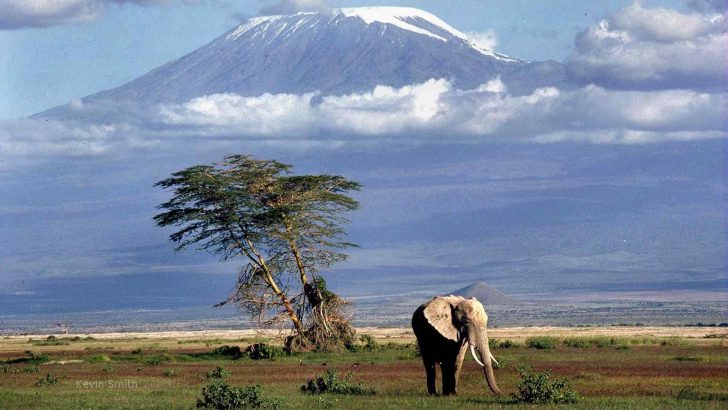
Top draws include Kilimanjaro, the highest peak in Africa, and the legendary safaris in Serengeti National Park.
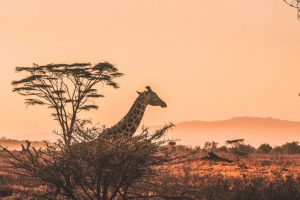
The park is one of the best places in the world to see the “Big Five”: lions, elephants, leopards, rhinos, and Cape buffalo.
Beyond the big names, visitors also explore lesser-known gems like Ruaha National Park, chimp trekking in Mahale Mountains, and diving off Mafia Island.
For culture and history, the museums of Dar es Salaam and the spice farms of Zanzibar offer a deeper look into Tanzanian life.
While Zanzibar is officially part of Tanzania, it’s semi-autonomous.
That means it runs its own government and immigration process and has its own cultural and religious identity, which leans more conservative and Muslim compared to the mainland.
Whether you’re chasing wildlife, summiting a mountain, or relaxing on a white-sand beach, Tanzania gives you a front-row seat to Africa’s most iconic experiences.
However, before you start planning the itinerary, we have some safety concerns to talk through.
Warnings & Dangers in Tanzania

OVERALL RISK: MEDIUM
Tanzania has a medium risk, but it's generally not concerning enough that people cancel or reconsider trips. We're going to touch on the biggest concerns. By the end of this article, if you feel safe and prepared to visit, you'll probably feel like it's a low risk.

TRANSPORT & TAXIS RISK: MEDIUM
Getting around can be tricky. Public minibuses are cheap but chaotic, and road conditions aren’t great outside major cities. Accidents are common, and some taxis overcharge or aren’t officially registered. Because of this, the transport risk is medium. Stick with private drivers or hotel-arranged rides when possible.

PICKPOCKETS RISK: HIGH
In crowded places like markets or bus terminals, petty theft can be a problem. Westerns or those who stand out as tourists are more likely to be targeted, and thieves are specifically looking in crowded tourist areas.

NATURAL DISASTERS RISK: LOW
Tanzania doesn’t deal with major natural disasters often. There’s a rainy season that can flood roads and disrupt travel, but otherwise, weather-related risks are low. Just plan ahead if you’re visiting during March–May or November when the rains are heavier.

MUGGING RISK: MEDIUM
Urban areas do have a risk of muggings, especially at night or in poorly lit streets. While not widespread in tourist zones, it’s happened enough that you should avoid walking alone after dark. In this case, the risk is medium and avoidable with good habits.

TERRORISM RISK: MEDIUM
The risk of terrorism is higher in certain regions, particularly the southern coastline, where activity linked to extremist groups has raised concern. Overall, treat this as a medium risk and read the latest government advisories about tensions and trouble.

SCAMS RISK: MEDIUM
Tourist scams are common enough to be worth noting. You might encounter unofficial guides, inflated prices, or “friendly” locals pushing overpriced tours. The risk is medium, especially around transportation hubs and busy tourist areas. Don't try to book a cheap tour guide, either. Get one that is legit and will keep you safe, regardless of the price. Do your homework.

WOMEN TRAVELERS RISK: MEDIUM
Solo female travelers often report a mix of experiences. Many visit without trouble, but street harassment and unwanted attention can happen, especially outside resort areas. The risk varies depending on location, but for women, it’s on the higher side compared to more developed destinations. This is not an ideal place for solo female travelers, especially Americans.

TAP WATER RISK: HIGH
The risk here is high. Tap water isn’t safe to drink, and that includes ice and brushing your teeth. Always use bottled or filtered water. Stomach issues are one of the most common complaints among travelers.
Safest Places to Visit in Tanzania
Look for the Tanzania Tourism Board’s website to find the official travel website.
For information about just Tanzania, that website is visitzanzibar.go.tz.
The Serengeti National Park is one of the most visited safari destinations in the world, famous for the Great Migration and the Big Five animals.
Nearby, the Ngorongoro Crater delivers another top-tier wildlife experience inside a massive volcanic caldera.
Mount Kilimanjaro, Africa’s highest peak, draws trekkers from around the globe.
It’s climbable year-round, but most travelers go during the dry seasons.
Arusha serves as a gateway city for both safaris and mountain treks, with the Cultural Heritage Centre and Arusha Declaration Museum offering insight into Tanzanian history.
Zanzibar, a semi-autonomous island region, is a popular beach escape.
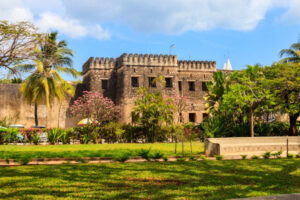
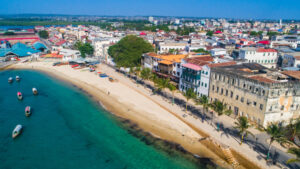
Stone Town, a UNESCO World Heritage Site, blends Swahili, Arab, and colonial influences and includes the Old Fort, House of Wonders, and the Freddie Mercury Museum.
For divers and snorkelers, Mnemba Atoll and Nungwi Beach are top spots.
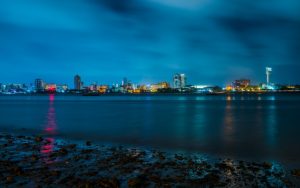
Dar es Salaam, the largest city, offers the National Museum and Village Museum for cultural context, plus access to nearby islands like Bongoyo.
To the south, Ruaha National Park and Selous Game Reserve (now Nyerere National Park) offer less crowded alternatives to the Serengeti.
Lake Victoria, Africa’s largest lake, borders Tanzania in the north and supports fishing villages and small cultural tours.
Gombe Stream and Mahale Mountains National Parks in the west offer rare chimpanzee trekking opportunities.
Places to Avoid in Tanzania
While most of Tanzania is under a Level 2 advisory, which means exercising increased precaution, there are higher-risk areas you’ll want to avoid.
The United States State Department is one of many agencies that suggest avoiding travel to the Mtwara Region along the border in southern Tanzania.
The Canadian government stresses that the border with Mozambique should be avoided at all costs.
As of June 2025, the U.S. Embassy’s security alert advising U.S. citizens to steer clear of islands and coastal areas south of Kisiju remains in place due to ongoing terrorism and militant concerns.
Also, avoid trying to climb Mount Kilimanjaro.
Licensed guides are required for every person or group planning to take the multi-day trek.
In addition, only those 10 and older can make the trek.
Safety Tips for Traveling to Tanzania
- You can call the police in Tanzania by dialing 112 or 999. That said, don’t expect the same level of response you’d get at home. Police resources are limited, and they may not always be able or willing to intervene quickly, especially in remote areas.
- Tanzania doesn’t have a formal public alert system for travelers. You’ll need to rely on your country’s embassy updates, local news, and common sense. Sign up for the U.S. State Department’s STEP program or your country’s equivalent to get security alerts via email or text.
- You’ll need proof of a yellow fever vaccination if arriving from a country where it’s present. Malaria is common, so antimalarial medication is recommended. Other health concerns include cholera, dengue, and typhoid. Check the CDC’s website for more health guidance.
- Foreigners need an International Driving Permit (IDP) along with their valid home license to drive legally. Traffic laws exist, but enforcement is inconsistent. Roads in rural areas can be rough, poorly marked, and full of surprises like livestock or speed bumps that come out of nowhere.
- Swahili is the national language, but English is widely spoken in tourist areas. Step outside those zones, and language barriers can pop up fast. Learn a few basic phrases to help smooth over transactions, and don’t assume everyone will understand English fluently.
- Outside of hotels and beach resorts, keep it covered. Tanzanian culture leans conservative, and showing too much skin can draw unwanted attention or even get you turned away from certain sites. Save the shorts and tank tops for the pool.
- Same-sex relationships are criminalized in Tanzania, and authorities have targeted LGBTQ+ individuals, especially in Zanzibar. Travelers may be denied entry, harassed, or charged under unrelated laws. It’s not a safe destination for openly LGBTQ+ travel, and discretion is strongly advised.
- If you’re climbing Kilimanjaro or hiking in the highlands, take altitude seriously. Symptoms like nausea, dizziness, and fatigue can hit hard without warning. Acclimate slowly, hydrate, and consider talking to your doctor about medication like acetazolamide before you go.
- Volunteering might feel like a goodwill gesture, but you can’t do it on a tourist visa in Tanzania. It’s considered work, and you could face fines or deportation. If you’re planning to volunteer, get the right visa from the Tanzanian High Commission in advance.
- Tanzania has a strict ban on plastic bags. That includes manufacturing, import, sale, and use, even in your suitcase. Violations can lead to fines or up to seven days in jail. Use reusable cloth bags instead, and don’t pack Ziplocks or grocery bags for snacks or toiletries.
So... How Safe Is Tanzania Really?
Tanzania is a mixed bag of risks, but there aren’t any regions with the lowest risk levels.
We get our information from government advisories, such as the United States, the United Kingdom, Canada, and Australia.
Most countries use a four-tiered scale to communicate risks.
Tanzania falls largely under Level 2: Exercise a High Degree of Caution.
Some areas are at a higher Level 3 or Level 4.
We detailed those in the Places to Avoid in Tanzania section.
Even in the Level 2 areas, the risks are concerning.
They include terrorism, violent crime, and the targeting of LGBTQ+ visitors.
For violent crime, the concerns include assault, kidnapping, and sexual assault.
At the same time, Tanzania is also a popular destination.
Experienced and diligent travelers shouldn’t let the Level 2 risk level scare them off.
However, you’ll need common sense and extra security awareness to enjoy all that the country has to offer.
US residents should keep an eye on potential travel ban developments between Tanzania and the US, as any changes could affect safety, visa rules, or even access to certain services in the future.
How Does Tanzania Compare?
| Country | Safety Index |
|---|---|
| Tanzania | 59 |
 Paraguay Paraguay | 45 |
 Nauru Nauru | 80 |
 Kosovo Kosovo | 44 |
 Thailand Thailand | 48 |
 The Bahamas The Bahamas | 49 |
 Slovenia Slovenia | 87 |
 Philippines Philippines | 47 |
 Bonaire Bonaire | 80 |
Useful Information

Visas
Most travelers need a visa to enter Tanzania, but you can usually get one on arrival or apply online ahead of time. The e-visa system is simple and works for both tourists and business travelers. Just double-check that your passport is valid for at least six months past your travel dates.

Currency
Tanzania uses the Tanzanian shilling, but U.S. dollars are widely accepted, especially in tourist-heavy areas. Bring clean, newer bills if you’re using USD. Anything printed before 2006 might be rejected. Credit cards are hit or miss, so carry cash for smaller purchases or off-grid adventures.

Weather
Tanzania is warm year-round, but timing matters. The dry season (June to October) is best for safaris and climbing Kilimanjaro. Coastal areas stay hot and humid, while the central highlands cool off at night. Rainy seasons in March–May and November can make travel a little trickier.

Airports
There are three main international airports: Julius Nyerere in Dar es Salaam, Kilimanjaro International near Arusha, and Abeid Amani Karume in Zanzibar. Domestic flights are common and often necessary, especially if you’re trying to hit the islands or safari parks.

Travel Insurance
This isn't an option in Tanzania. The country requires all visitors to have insurance from the Zanzibar Insurance Corporation (inbound.visitzanzibar.go.tz). Expect to pay anywhere from $40 to $150 for the length of your trip. Policies are available for individuals, families, groups, and students.
Tanzania Weather Averages (Temperatures)
Average High/Low Temperature
| Temperature / Month | Jan | Feb | Mar | Apr | May | Jun | Jul | Aug | Sep | Oct | Nov | Dec |
|---|---|---|---|---|---|---|---|---|---|---|---|---|
| High °C |
32 | 32 | 31 | 30 | 30 | 29 | 29 | 29 | 30 | 31 | 31 | 32 |
| Low °C |
24 | 24 | 24 | 23 | 22 | 20 | 19 | 19 | 20 | 22 | 23 | 24 |
| High °F |
90 | 90 | 88 | 86 | 86 | 84 | 84 | 84 | 86 | 88 | 88 | 90 |
| Low °F |
75 | 75 | 75 | 73 | 72 | 68 | 66 | 66 | 68 | 72 | 73 | 75 |
Tanzania - Safety by City
| City | Safety Index |
|---|---|
| Dar es Salaam | 45 |
| Stone Town | 60 |
| Zanzibar City | 55 |





Very safe
While there has been a rise in sexual assault, rape, and violence. also dont plan on getting injured cause the nation as a terrible health care so be very safe in your travel. but Tanzania is considered generally safe for tourists in fact i personally think Tanzania is one of the safest places in Africa along with a lot of other people.
Very Safe
Tanzania Is Safe
Poor, friendly and relatively safe
In October 2019 my sister and I rented a landcruiser and made a roadtrip starting in Arusha, leading us straight through the Serengeti to the east coast of lake Victoria. From there we travelled down to a hidden gem in Tanzania, the city of Mwanza (city of rocks).
As we mostly did not follow the regular touristic routes, we did see a lot of poverty, but especially a very social (but poor) community always helping out each other. I realize we may have been just plain lucky, and we took our precautions, but nowhere we felt unsafe or threatened.
I do agree with the previous comment that Tanzania is a poor but very friendly and relatively safe country to travel around.
This is what kind of put me off from my trip. I didn’t like seeing the living conditions of these people. I guess it was not a reality for me. I know they were probably happy with what they had but it still bothered me. The area just feels like it has nothing going for it in terms of uplifting the people. It is beautiful yet dangerous (because of the wildlife).
The most beautiful place on Earth. I went to Zanzibar as a volunteer teaching local community and it changed my life forever. I fell in love with a Masai and 3 and half months later we married. The people, the culture, the lifestyle the weather and everything is perfect.i always felt completely safe, especially with my Masai by my side. Tanzania is my new homeland, I leave my western world behind. Life is so much simpler and beautiful
Si vas a Tanzania, volverás...😍
I have been there twice and always felt safe.
It is true that my son has MOYONI Ong Solidarity Travel and Safaris, there in Arusha.
But I like to walk alone and I never had a safety problem.
The people are friendly and helpful.
Of course there are many poor people and it is normal for them to expect some money.
You cannot be so greedy as not to spend a few coins.
The only crime I knew about was the murder of a girl from Arusha (a good friend of ours) and the murderer was her cousin, a woman from Arusha too. The reason, because she was jealous of her.
Beautiful 20 year old girl. Famous for its dissemination of the culture of Tanzania. She was a magnificent performer of popular dances. She had culture, intelligence and beauty.
Envy and jealousy are human defects. We find them anywhere.
It is true that in some African countries, including Tanzania, the police do not have the necessary means to solve some crimes.
In this case, the murderer was found because she had taken the young woman’s shoes and when the police investigated her surroundings, they found the cousin who was wearing the shoes and a friend of the victim recognized them.
TANZANIA VERY SAFE FOR TOURIST
I am a Tanzania From Arusha yes sometimes shit Happen in the streets but i can reassure you Tanzania People are 90% respecting tourist because they know the consequence of Harassing them. when visiting Arusha or Other parts of Tanzania its recommend to hire certified guide or use travel agent but just short town tour make friend with Any member of staff from where you are staying
Once-in-a-lifetime experience
We finally managed to visit Tanzania in 2018, after having it on our shortlist for years. It’s something else, a once-in-a-lifetime experience.
As huge wildlife fans we knew we would use our camera every step of the way and we did just that.
Vehicles can sometimes end up being the target of random thieves so exercise caution: have your valuables out of sight, doors locked and windows down, especially in areas where someone might creep onto you. Since we’re on the subject of cars I have to say their car rental services are extremely underwhelmed and poorly performing. The car park is not that appealing and in most cases the state of the car will be enough to put you off. Plus, the roads are messy, wrecked drivers and poor road conditions make for a less than appealing experience, at least for us.
Being extra loud, drunk, aggressive or downright mean is not tolerated anywhere so please don’t.
As a safety measure, I would clearly advise anyone to get a guide if they want to explore the wildlife outside the usual safari. There’s enough wildlife to scare you not to mention maim you, you don’t want to go all in by yourself.
The people are warm and friendly so if you need help finding a bank or just cool stuff to do, you could always check a bar and engage with the locals there.
One huge disadvantage for the LGBT community: homosexuality is illegal in Tanzania. No holding hands, no PDA, no anything or you will find yourself arrested.
Similar to the above, a word of caution for women: dress appropriately. They are known to fine women if they wear short sleeves or shorts outside of the resort area. Our safari operator informed us so I knew to pack some extra long sleeved shirts.
Tanzania
Tanzania is safer than the article says it is.
Safer than the article lets on
I’ve been many times to many different parts of the country, tourist zones and other areas, travelled by bus, taxis, bajajis (tuktuks), boda bodas, dalla dallas, and it was always a safe experience. Tanzania is one of the friendliest places I have ever been and I will gladly return a thousand times over. One place I don’t love going… USA…much greater risk of getting shot there than anything happening to you in TZ.
From wildlife cautions in parks to petty theft warnings in Dar es Salaam. The insight on road travel and local transport made me rethink logistic before booking my safari and beach days.
Experiencing the sunsets over Zanzibar really makes you appreciate the blend of cultures and the beauty in such a unique place.
Tanzania really throws a lot at you, from the thrill of spotting those massive elephants to the bliss of just chilling on a beach, but I never thought I’d find myself dodging monkeys while trying to enjoy a quiet moment!
Just thinking about those sunsets in Zanzibar makes me want to pack my bags right now!
Nothing like going from sweating through Kilimanjaro’s scree at 4 am to pretending you’re a relaxed beach person in Zanzibar the next day and realizing your legs still hate you.
Kinda curious how many people actually manage to spot all the “Big Five” on their first safari trip there!
Been there enough to know the beaches and the spice farms smell like cloves and cardamom, which is lovely, but the pileup at the Kilimanjaro trailheads and Zanzibar’s separate immigration left me a bit worn out and wondering if the hype glosses over the hassles.