


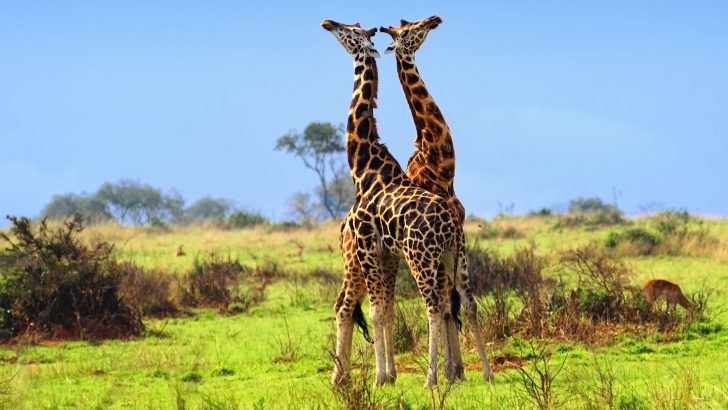
Uganda is one of the few places on Earth where you can hike through dense jungle and lock eyes with a wild mountain gorilla, and somehow that still is not the most memorable part of the trip.
Sitting in East Africa, Uganda borders Kenya, Tanzania, Rwanda, the Democratic Republic of Congo, and South Sudan, giving it a cultural and geographic mix that is as complex as its history.
Since its independence in 1962, Uganda has experienced decades of political turbulence, authoritarian rule, conflict, and recovery.
In more recent years, stability has improved, though tensions around elections and civil liberties remain.
The 2026 election cycle has drawn international attention, reinforcing the importance of staying informed, especially for travelers.
Despite this, tourism is rebounding strongly, with arrivals nearing two million in 2025, signaling growing confidence in Uganda’s travel sector.
People come for the gorillas and chimpanzees, of course, but they stay for the Nile River, wide-open savannas, misty mountains, crater lakes, vibrant cities, and warm hospitality.
Safaris, rafting, trekking, cultural encounters, and birdwatching all play major roles.
While Uganda carries elevated risk levels depending on your home country’s advisory, thoughtful planning and reputable operators make travel here deeply rewarding.
We will break down those risks clearly, so you can weigh them against one of Africa’s most extraordinary travel experiences.
Warnings & Dangers in Uganda

OVERALL RISK: MEDIUM
The risk is medium in Uganda, with the land border areas usually bringing a higher risk. Risks here run the gamut, from violent crime to civil unrest to natural hazards.

TRANSPORT & TAXIS RISK: MEDIUM
This is another medium risk. This isn't the place to rent a car due to the high risk of being involved in an accident. In 2024, nearly 26,000 accidents happened, and about 25% of those were deadly. The Masaka Highway is also known globally as one of the most dangerous roads on Earth. Avoid buses and minibuses due to numerous safety issues. Taxis and rideshares are available, but bring cash to pay.

PICKPOCKETS RISK: MEDIUM
This is a medium risk, and petty theft is common. If you leave belongings in your room, put valuables in the safe. Even sitting in traffic could put you at risk of getting your purse snatched.

NATURAL DISASTERS RISK: MEDIUM
There are many natural disasters that can threaten your trip to Uganda: droughts, floods, hailstorms, famine, landslides, rainstorms, epidemics are all possible threats for tourists.

MUGGING RISK: MEDIUM
This is another medium risk, with criminals who don't succeed at petty theft often resorting to force. It might make you feel a bit safer knowing that those who don't resist a robbery generally escape unharmed. However, you need to keep your guard up at all times. Don't go out after dark.

TERRORISM RISK: MEDIUM
Terrorism is a medium risk, and most travel advisories detail a series of terrorist attacks that happened between 2023 and 2024. Risks can happen in rural areas, like at national parks, or in crowded city centers.

SCAMS RISK: MEDIUM
Scam risk in Uganda is moderate, with common issues including overcharging, fake tour operators, unofficial guides, and currency exchange tricks. The biggest protection is using registered, licensed tour agencies, especially since many national parks sit near remote or higher-risk regions. Verified operators reduce fraud, improve safety, and ensure proper permits, guides, and emergency support.

WOMEN TRAVELERS RISK: HIGH
Women travelers in Uganda should expect occasional unwanted attention, catcalling, and persistent stares, especially in urban areas and public transport. Dressing modestly helps reduce attention, particularly outside major tourist zones. Solo travel should be avoided. Stick with tour groups.

TAP WATER RISK: MEDIUM
Tap water in Uganda is not considered safe for drinking. Stick to bottled, filtered, or properly treated water for drinking, brushing teeth, and making ice. Even locals often boil or treat their water. In rural areas, water quality varies widely, increasing the risk of gastrointestinal illness. When in doubt, sealed bottled water is your safest bet.
Safest Places to Visit in Uganda
The Uganda Tourism Board runs the official tourism website exploreuganda.com.
Download the associated app to get additional planning help and real-time information.
Kampala offers lively markets, food scenes, museums, and nightlife, while nearby Entebbe provides easy access to Lake Victoria, botanical gardens, and relaxed waterfront escapes.
Jinja, at the source of the Nile, is adventure central, serving up whitewater rafting, kayaking, bungee jumping, boat cruises, and quad biking.
The western region is where Uganda really flexes.
Bwindi Impenetrable National Park and Mgahinga Gorilla National Park deliver life-changing gorilla trekking experiences, while Kibale Forest is one of Africa’s best spots for chimpanzee tracking.
Queen Elizabeth National Park offers classic safari drives, tree-climbing lions, boat safaris on the Kazinga Channel, and rich birdlife.
Nearby, the Rwenzori Mountains National Park brings alpine hiking, glaciers, waterfalls, and dramatic scenery.
In the north, Murchison Falls National Park combines powerful waterfall views, Nile River cruises, hippo pods, crocodiles, and big-game safaris.
Kidepo Valley National Park, remote and wildly beautiful, delivers some of the best wildlife viewing in East Africa with almost no crowds.
Eastern Uganda adds Mount Elgon for hiking, waterfalls, and coffee farms, plus Sipi Falls for laid-back trekking and village stays.
I do want to mention that the national parks and wildlife reserves are generally located near higher-risk border areas.
We’ll punctuate this several times throughout this article, but you don’t need to avoid these parks.
You just need to go with a verified guide for the utmost safety.
Places to Avoid in Uganda
Not all the government advisories give the same risk level for parts of Uganda.
The United States puts the whole country at Level 3: Avoid Non-Essential Travel.
That’s not the highest risk, but it’s definitely a strong hint to avoid this country.
Australia and Canada only have a higher risk level in the border areas, focused on the 30 miles around the border with the Democratic Republic of Congo (DRC) and the Karamoja Province.
The border with South Sudan is listed as Level 4: Do Not Travel.
Why the higher risk in these areas?
Rebel groups, military operations, and banditry are listed as a few reasons.
If you plan on visiting a national park in any of these regions, you must go with a licensed and reputable guide.
It’s also important to note the risks of being out after dark.
That goes for walking around or driving.
Even the U.S. prohibits employees from traveling on most roads in the country after dark.
Safety Tips for Traveling to Uganda
- Uganda’s national police emergency number is 999 or 112, both of which connect to emergency services. Response times can vary outside major cities, so hotels, safari lodges, and tour operators often provide faster local assistance.
- Uganda does not have a nationwide emergency alert system for travelers, so staying informed takes a little effort. Monitor local news, follow weather forecasts during rainy seasons, and pay attention to hotel or tour operator advisories. If you use a local SIM card, some carriers send regional alerts. Lodges and guides are usually your best real-time source.
- Foreign visitors need an International Driving Permit plus a valid home license. That said, travel advisories strongly discourage self-driving. Road conditions, unpredictable traffic, livestock crossings, and minimal signage make driving stressful and risky. Hiring a private driver or using lodge transfers is safer, more affordable, and far more relaxing, especially outside Kampala.
- Yellow fever vaccination is required for entry. Travelers should also be up-to-date on routine vaccines plus hepatitis A, typhoid, and tetanus. Malaria is widespread, so prevention medication and mosquito protection are essential. Depending on your plans, doctors may recommend rabies or hepatitis B, especially for long stays or rural travel.
- English is Uganda’s official language and is widely spoken in cities, hotels, tour companies, and national parks. Communication is generally easy for travelers. Luganda and dozens of other local languages are also spoken, but English works well for navigating daily travel, booking tours, and handling emergencies.
- Uganda’s 2023 Anti-Homosexuality Act imposes severe penalties for same-sex relationships and criminalizes advocacy or support. This law significantly impacts LGBTQ+ travelers and their allies, increasing legal and personal safety risks. Discretion is essential, and travelers should understand that actions considered normal elsewhere may carry serious legal consequences in Uganda.
- Some visitors have suffered severe complications or died after seeking treatment from local “healers” or unlicensed practitioners. Avoid non-medical healing practices entirely. Stick to licensed medical facilities and recognized hospitals, especially for infections, injuries, or serious illness. Traditional remedies can be culturally interesting, but medical care should always stay medical.
- Parts of Uganda, especially around the Rwenzori Mountains and southwestern highlands, reach elevations where altitude sickness is possible. Symptoms include headache, nausea, fatigue, and dizziness. Ascend gradually, hydrate well, avoid alcohol early on, and rest if symptoms appear. If symptoms worsen, descend and seek medical care promptly.
- Only book tours, safaris, and trekking experiences through verified operators. You can check approved companies directly on the Uganda Tourism Board website at utb.go.ug. Licensed operators follow safety protocols, carry insurance, and use trained guides. This one step dramatically reduces risks and improves both safety and overall experience.
- Uganda’s wildlife is incredible, but it demands respect. Always follow ranger and guide instructions, keep safe distances, and never approach animals on foot or from vehicles. Gorilla and chimp tracking comes with strict rules for good reason.
So... How Safe Is Uganda Really?
I’ve read through most of the government advisories for Uganda, and while they don’t all give the same risk level, they still pretty much say the same things.
For those who aren’t familiar with advisories, they are generally ranked on a four-tiered scale.
Level 1 is the lowest, and Level 4 is the highest.
The United States puts all of Uganda at Level 3: Avoid Non-Essential Travel.
The detailed advisory talks about all the risks, including some of the challenging border areas.
Canada and Australia give the bulk of Uganda a Level 2: Exercise a High Degree of Caution, with Level 3 or 4 risks in the border areas.
Usually, the United Kingdom will join this advisory level rating if a location is among the top two riskiest categories.
However, there aren’t specific ratings for Uganda from the Foreign, Commonwealth & Development Office (FCDO).
At the same time, FCDO does offer a Regional Risk section where some of the concerns for the border areas are addressed.
Tensions in Uganda increased after the elections in early 2026.
That’s just one of many reasons why it’s important to check the most up-to-date advisories before you plan a trip here.
How Does Uganda Compare?
| Country | Safety Index |
|---|---|
 Uganda Uganda | 49 |
 Kuwait Kuwait | 74 |
 Vietnam Vietnam | 77 |
 Nepal Nepal | 59 |
 Brunei Brunei | 80 |
 Afghanistan Afghanistan | 14 |
 Finland Finland | 86 |
 Morocco Morocco | 54 |
 Thailand Thailand | 48 |
Useful Information

Visas
Most travelers need a visa to enter Uganda, which is best obtained online before departure through the official eVisa system. Tourist visas typically allow a 90-day stay. Processing is usually quick, but approvals are not instant, so apply early. Border officials do check documentation carefully, so have your approval printed and accessible.

Currency
Uganda uses the Ugandan Shilling (UGX). Cash is widely used, especially outside Kampala and major tourist areas. ATMs are common in cities but unreliable in rural regions. Credit cards work at upscale hotels and lodges, but markets, taxis, and small restaurants are cash-based. Carry small bills for tips and daily purchases.

Weather
Uganda is warm year-round, with two rainy seasons from March to May and October to November. Rain can affect road conditions and safari access, especially in remote parks. The drier months from June to September and December to February are best for trekking and wildlife viewing.

Airports
Entebbe International Airport (EBB), near Lake Victoria, is Uganda’s main international gateway. It is modern, efficient, and well-connected across Africa, Europe, and the Middle East. Smaller regional airports serve safari regions, saving hours of driving time. Most travelers will enter and exit through Entebbe.

Travel Insurance
Travel insurance is essential for Uganda, covering medical care, evacuation, trip delays, and cancellations. Many activities take place in remote areas, making emergency transport costly. If you plan on gorilla trekking, hiking, or safari activities, make sure your policy includes adventure coverage and medical evacuation. If you're from a country that puts Uganda (or parts of it) at a higher risk, confirm that your policy will still work.
Uganda Weather Averages (Temperatures)
Average High/Low Temperature
| Temperature / Month | Jan | Feb | Mar | Apr | May | Jun | Jul | Aug | Sep | Oct | Nov | Dec |
|---|---|---|---|---|---|---|---|---|---|---|---|---|
| High °C |
28 | 29 | 28 | 27 | 26 | 26 | 26 | 26 | 27 | 27 | 27 | 27 |
| Low °C |
17 | 17 | 18 | 18 | 18 | 17 | 16 | 16 | 17 | 17 | 17 | 17 |
| High °F |
82 | 84 | 82 | 81 | 79 | 79 | 79 | 79 | 81 | 81 | 81 | 81 |
| Low °F |
63 | 63 | 64 | 64 | 64 | 63 | 61 | 61 | 63 | 63 | 63 | 63 |












I LOVE UGANDA.. THE PEARL OF AFRICA! BEST PEOPLE.
Love Uganda
I just spent a month in Uganda and loved it! People are very friendly and apart from one questionable individual (likely under the influence) in a local market, I felt safe everywhere. No worse than encounters with people under the influence anywhere else in the world. The national parks are amazing
Need more info
Jenny,
thanks for your review.
Some info about you would help to better understand your message
Who are you: from which country, how old, did you stay alone or with someone, where did you stay, where did you go, which transport you used.
And also very importantly, when did you write this message, as the situation can change over time.
I found the info through it clearly flags medium risk overall with high concerns around transport, petty crime, and encourage vigilance. It was useful to see honest context rather than just sunny travel hype, though it reminded me I’d prepare well before going.
Did you really get to see gorillas up close in the wild? That sounds absolutely incredible!
Around here a gorilla in Bwindi locking eyes with me had my knees wobbling and left me grinning like an idiot the whole afternoon.
Trekking through Bwindi, wiping sweat from my brow, I still get goosebumps remembering a silverback locking eyes with me and later sipping sweet black tea on a dusty Kampala street made it all feel both ordinary and a little bit magical.
Standing on the banks of the Nile at dawn, I still get a peaceful ache thinking about the silver water and the humid air clinging to my shirt after that gorilla trek.
Honestly, I didn’t expect to feel such a chill watching gorillas in their natural home, it’s something you just can’t forget.