


 Mozambique : Safety by City
Mozambique feels like two countries sharing one stunning coastline.
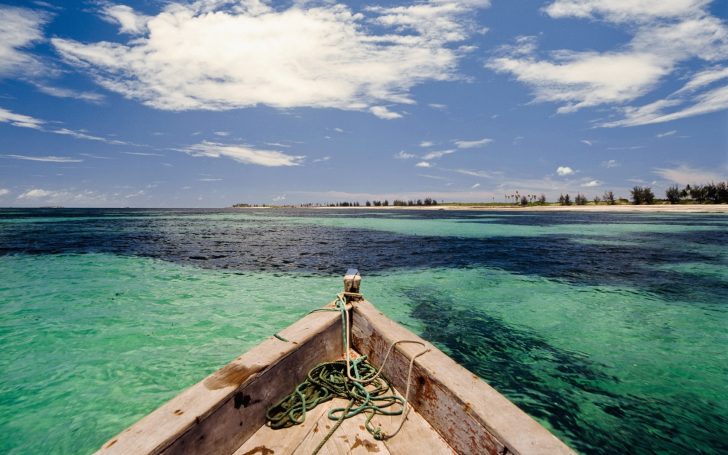
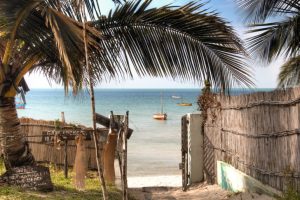
It stretches down Africa’s southeast edge along the Indian Ocean, where turquoise water meets coral reefs, barrier islands, and long, empty beaches.
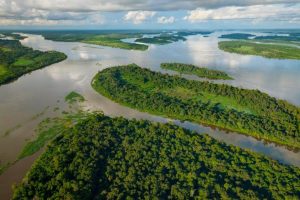
Offshore archipelagos give way inland to rivers, wetlands, savannas, and high plateaus.
You move from dhow-dotted seas to wildlife-rich parks and rugged interior landscapes in a matter of hours.
Geographically, it’s one of southern Africa’s most diverse countries.
Its modern story is more complicated.
Portuguese colonial rule ended in 1975, followed by years of civil war that reshaped infrastructure, politics, and regional stability.
While much of the country has been rebuilt and opened to tourism, parts of the far north remain affected by insurgency and economic hardship.
The result is a nation that is both welcoming and complex, with very different realities depending on where you are.
Tourism has been steadily returning, with roughly a million visitors in 2024.
People come for the coastline, diving, marine life, island escapes, wildlife, cultural cities, and a slower, more authentic rhythm than many polished resort destinations.
The food, music, and blend of African and Portuguese influences add to its appeal.
Mozambique rewards travelers who plan well.
Many regions offer safe, memorable experiences, especially along the coast and in established parks.
At the same time, there are important safety steps to understand and specific areas that should be avoided.
This is a destination that demands awareness, not fear, and delivers something genuinely special for those who travel smart.
Warnings & Dangers in Mozambique

OVERALL RISK: MEDIUM
There's a medium risk in most of Mozambique, with the northeastern region being a high risk. We'll go through the details of the various regions in this article.

TRANSPORT & TAXIS RISK: MEDIUM
Roads can be hit or miss here, some are paved, and others are riddled with potholes. Don't drive after dark for your own safety. Most governments ban their employees from doing so. Arrange for taxis only through your hotel or tour guide. Don't use minibuses as they are known to be dangerous.

PICKPOCKETS RISK: MEDIUM
This is a medium risk, with petty theft being a problem in larger cities, including Maputo. Thefts happen at all times of day and even in plain sight of crowded spaces. Hide signs of wealth and keep valuables secured.

NATURAL DISASTERS RISK: MEDIUM
Mozambique’s natural disaster risk is medium. Cyclones, flooding, and heavy rains can affect coastal and low-lying areas, especially from November through March. Roads, power, and services may be disrupted during storms. Outside the severe weather season, risks are lower.

MUGGING RISK: MEDIUM
The theft risk doesn't stop at pickpocketing. Robberies are known to happen in broad daylight, even in spots frequented by tourists. Skip walking along the Marginal south of the Southern Sun Hotel, including the stretch near Avenida Friedrich Engels and Rua Caracol.

TERRORISM RISK: MEDIUM
Mozambique’s terrorism risk is medium overall, but uneven. Most of the country falls under Level 2, where incidents are rare and daily life continues normally. However, parts of the far north are Level 4, due to active insurgent groups targeting villages, infrastructure, and occasional high-profile sites. Risk depends entirely on location.

SCAMS RISK: MEDIUM
The travel advisories detail some of the common scams, but unless you're likely to believe that you have a rich relative who died and left a massive inheritance, common sense should win. Never carry a bag for someone else, as drug trafficking is a problem here.

WOMEN TRAVELERS RISK: MEDIUM
Women face the same medium risk as anyone else. Try to travel in groups and don't venture out after dark. Stay with the tour guides for the safest experience.

TAP WATER RISK: MEDIUM
Tap water in Mozambique is not considered safe to drink in most areas. Stick to sealed bottled water for drinking, brushing teeth, and ice. Even in hotels, filtration standards vary. Avoid untreated water from taps, wells, or rivers. Using bottled water is the easiest way to prevent stomach illnesses and dehydration while traveling.
Safest Places to Visit in Mozambique
The official tourism website run by the government is www.visitmozambique.gov.mz.
I do want to warn you that the tourism website does include several locations, like the Cabo Delgado Province, which are on the “Do Not Travel” advisory lists we detail in the next section.
The Bazaruto Archipelago offers powdery sand, coral reefs, diving, snorkeling, dhow sailing, and island lodges.
Tofo and Barra are known for whale sharks, manta rays, surf, and laid-back beach towns.
Vilankulo is the jumping-off point for island hopping and marine safaris.
Ponta do Ouro, near the South African border, is popular for dolphin encounters, scuba, and casual seaside living.
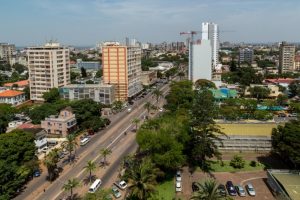
Maputo brings diversity in culture, history, and food.
Expect lively markets, colonial architecture, live music, seafood restaurants, museums, art galleries, and waterfront promenades.
In the south, Inhaca Island delivers snorkeling, coastal trails, and simple beach escapes.
Gorongosa National Park showcases one of Africa’s most impressive conservation success stories, with safaris, birding, hiking, and wetlands teeming with wildlife.
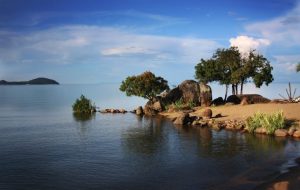
Niassa and other reserves offer remote, wild landscapes for serious nature travelers.
Places to Avoid in Mozambique
There’s a giant chunk in the north/northeastern part of the country that should be avoided.
The highest-risk area is Cabo Delgado Province, which remains under active insurgency as of this publication.
Armed groups continue to attack villages, government forces, and supply routes.
Even the provincial capital, Pemba, is vulnerable due to its proximity to militant activity, and only essential travel is advised there.
Risk also extends into neighboring areas.
In Nampula Province, the districts of Memba and Erati are considered unsafe due to spillover violence.
In Niassa Province, parts of the region, including areas near the Niassa Special Reserve, face security threats.
Notably, upscale hunting lodges in and around the reserve have been specifically targeted, including hostage situations involving guests.
Travel to these regions is widely classified as Level 4: Do Not Travel, with some limited exceptions for essential movement under professional security.
If you must visit these regions, you’ll want to hire private security, and you’ll do so at your own risk.
Safety Tips for Traveling to Mozambique
- Mozambique’s police force is the Polícia da República de Moçambique (PRM). For emergencies, dial 119 for police, 118 for fire, and 117 for medical services. Response times vary by region, especially outside major cities. If something feels off, contact your hotel or lodge for help navigating local services.
- Mozambique does not have a centralized emergency alert app for travelers. Updates during storms, flooding, or unrest usually come through local radio, hotels, tour operators, and embassy notices. Keep mobile data active, follow reputable local news, and ask your accommodations about current conditions.
- Foreign nationals can drive with a valid home license, but an International Driving Permit is strongly recommended. Roads outside major cities can be rough, poorly lit, and affected by flooding. If you plan to travel outside Maputo during the rainy season, you’ll need a 4WD vehicle.
- No vaccinations are legally required for most travelers, but several are strongly recommended. Make sure routine vaccines are up-to-date, and ask a travel clinic about protection for hepatitis A, typhoid, and other region-specific risks.
- Malaria is a real risk throughout Mozambique. Take it seriously. Use a strong insect repellent, wear long sleeves and pants at night, and sleep under mosquito nets when provided. Many travelers are advised to take anti-malarial medication. This isn’t about panic. It’s about smart, consistent prevention in a high-risk environment.
- Portuguese is the official language. English is spoken in higher-end hotels, lodges, and tour operations, but not widely elsewhere. In smaller towns and rural areas, don’t expect English to get you far. Learning a few basic Portuguese phrases goes a long way.
- Do not buy or transport endangered wildlife products such as ivory, rhino horn, or animal skins. It is illegal to purchase, possess, or export these items without proper licensing, and penalties can be severe. If something looks “authentic” and is being sold casually, that’s your red flag. Ethical souvenirs protect both you and the wildlife you came to see.
- Protests and strikes can happen with little warning and may affect airports, roads, public transport, and essential services. These are usually politically or economically driven rather than tourist-targeted, but they can still disrupt travel plans fast. Monitor local media, ask your hotel for updates, and follow instructions from authorities.
- Drink safety is serious here. Methanol poisoning has caused deaths in multiple countries, including among travelers. Methanol is highly toxic, and even a small amount can be fatal. Avoid homemade or unregulated alcohol, skip suspiciously cheap drinks, and stick to sealed, reputable brands. If something tastes “off,” don’t finish it.
- If you’re planning a safari with children, confirm age policies before booking. “Family-friendly” varies widely here. Always verify first. Some lodges and game reserves have minimum age limits, especially for walking safaris or open-vehicle game drives. Children under five are often restricted, and many operators require guests to be at least 12 or 16.
So... How Safe Is Mozambique Really?
Safety risks in Mozambique play out like a tale of two countries.
First, it’s worth noting that most governments will rank the safety of other countries on a four-tiered scale.
Level 1 is the lowest, suggesting standard precautions.
Level 4 is the highest, with stern guidance to avoid all travel.
Most of Mozambique falls into Level 2: Exercise Increased Precautions.
The reasons range from crime to civil unrest to terrorism to local health issues.
The northern and northeastern parts of the country unilaterally fall into Level 4.
You can check your government’s travel advisory to see where those borders are.
Even in the Level 2 risk areas, be sure to get updated safety specifics from your embassy.
Even theft problems at the Johannesburg International Airport should prompt you to use plastic wrap on all your checked bags.
The crime risks here are real, but police say they don’t see tourists being the main targets.
It’s usually a crime of opportunity or someone being in the wrong place at the wrong time.
Experienced global travelers will feel comfortable visiting this country, but first-timers should proceed with caution.
How Does Mozambique Compare?
| Country | Safety Index |
|---|---|
| Mozambique | 46 |
 United Kingdom United Kingdom | 77 |
 Germany Germany | 85 |
 Mali Mali | 31 |
 Azerbaijan Azerbaijan | 51 |
 South Korea South Korea | 86 |
 Puerto Rico Puerto Rico | 48 |
 Ukraine Ukraine | 30 |
 Suriname Suriname | 62 |
Useful Information

Visas
Mozambique’s visa rules are layered, not one-size-fits-all. Many nationalities can enter visa-free for short stays if staying at registered hotels or lodges. But if you’re visiting friends, staying in a private home, or working, different permissions may apply.

Currency
The official currency is the Mozambican metical (MZN). Cash is still king outside major cities, though hotels and higher-end restaurants may accept cards. ATMs are available but unreliable in rural areas. Bring small bills and avoid relying solely on cards.

Weather
Mozambique has a tropical climate. Hot and humid from November to March, with heavy rains and occasional cyclones along the coast. April to October is drier, cooler, and better for travel. Beach conditions, road access, and wildlife viewing are all more predictable in the dry season. Summer heat is no joke, especially inland.

Airports
Most international travelers arrive through Maputo International Airport. Smaller airports serve coastal cities like Vilankulo, Beira, and Nampula for domestic or regional connections. If you’re heading to islands or remote beaches, expect at least one internal flight or long road transfer.

Travel Insurance
Travel insurance is essential. Medical care is limited outside major cities, and evacuation can be expensive. Choose a policy that covers emergency transport, hospital treatment, trip disruptions, and lost belongings. If you’re diving, boating, or heading to remote areas, confirm those activities are included. Keep in mind that if you travel to an area on the Level 4: Do Not Travel list, your policy will likely be void.
Mozambique Weather Averages (Temperatures)
Average High/Low Temperature
| Temperature / Month | Jan | Feb | Mar | Apr | May | Jun | Jul | Aug | Sep | Oct | Nov | Dec |
|---|---|---|---|---|---|---|---|---|---|---|---|---|
| High °C |
30 | 30 | 30 | 29 | 27 | 25 | 25 | 26 | 27 | 28 | 28 | 30 |
| Low °C |
22 | 22 | 21 | 19 | 16 | 14 | 14 | 15 | 16 | 18 | 20 | 21 |
| High °F |
86 | 86 | 86 | 84 | 81 | 77 | 77 | 79 | 81 | 82 | 82 | 86 |
| Low °F |
72 | 72 | 70 | 66 | 61 | 57 | 57 | 59 | 61 | 64 | 68 | 70 |
Mozambique - Safety by City
| City | Safety Index |
|---|---|
| Bazaruto Archipelago | 62 |
| Inhambane | 45 |
| Maputo | 32 |
| Pemba | 29 |
| Quirimbas Archipelago | 68 |
| Vilanculos | 32 |












You should seriously and urgently update your risks for Mozambique, especially Northern Mozambique, there are dead and be headed bodies all over the street at the moment, I can send you pictures and videos. ISIS linked terrorism groups has taken over. Do some research! The owners of some of the lodges has vacated and fled the country.
Question how safe is it a missionary group going in June from college group seek information and it doesn’t look good.
This is inaccurate. As a woman, no one is going to bother you at the beach or on a bus or anywhere for that matter. Your highest risk is being scammed. And it is likely you will be asked for a bribe. Terrorism is high in the north – locals are foreigners are at risk. People will help you, you need a translation app or basic Portuguese or Spanish. It’s very rare that someone is pickpocketed or mugged. Property crime is high. Don’t leave valuable unattended – people are incredibly poor.
Very unsafe
Security forces and police officers are the best scammers….. you will treat as terorist to get money.. very unsafe to foreigners.. even don’t think to go there
I’d never given much thought to Mozambique before, but the safety info especially about health prep, road conditions, and coastal risks made me realize it’s a place where planning smart really matters before booking anything.
Experiencing the unique blend of cultures and the stunning coastlines really makes you appreciate the resilience and beauty that Mozambique holds despite its challenges.
Yeah sure, just ignore the warning signs and jump right into the wildlife parks like nothing could possibly go wrong, right?
Never expected to find such quiet, endless beaches mixed with buzzing local markets that have the best grilled seafood I’ve ever tried.