


 Zimbabwe : Safety by City
Zimbabwe is seeing a surge in tourists, and it is not subtle.
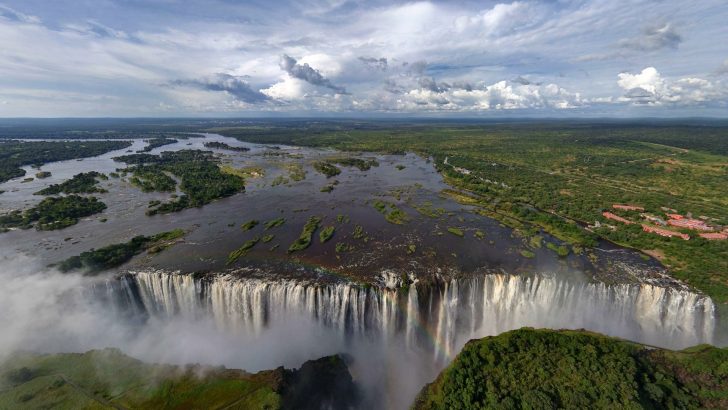
Sitting at the heart of Southern Africa, the country stretches from the thunder of Victoria Falls to wide savannas, ancient stone cities, and wildlife-rich river valleys that feel lifted from a nature documentary.
Its history is layered and complex, shaped by powerful precolonial kingdoms, British colonial rule, the liberation struggle that led to independence in 1980, and decades of political and economic turbulence that followed.
Today, Zimbabwe is reintroducing itself to the world.
Tourism in 2025 climbed to an estimated two million visitors, about 43 percent higher than the year before, with a major spike in the final months.
Travelers are returning for classic safari experiences in Hwange and Mana Pools, the raw drama of Victoria Falls, and the cultural weight of Great Zimbabwe, the largest ancient stone structure south of the Sahara.
There is also growing interest in Zimbabwe’s quieter side, including misty mountain escapes in the Eastern Highlands, walking safaris, canoe trips, birding, and community-based tourism.
Better air access, improved hospitality infrastructure, and strong word-of-mouth are helping fuel the rebound.
For travelers seeking wild landscapes, deep history, and fewer crowds than neighboring hotspots, Zimbabwe is hitting a sweet spot.
However, we still need to talk about some safety concerns before you pack.
Warnings & Dangers in Zimbabwe

OVERALL RISK: MEDIUM
Zimbabwe is somewhere between a low and medium risk, but that largely depends on your travel experience and comfort level. Crime is the biggest concern, though most trips organized by licensed tour operators will make you question why we would even consider a medium risk.

TRANSPORT & TAXIS RISK: MEDIUM
Transportation is a medium risk, though only for those wanting to get around without a tour operator or private driver. Skip renting a car; the roads are dangerous, the drivers are worse, and there are too many road hazards to count. Taxis within city limits are generally safe, but stick to the ones available through your hotel. Skip public transportation. The travel advisories list a bunch of safety problems with minibuses and even "luxury" buses.

PICKPOCKETS RISK: HIGH
This is a high risk, and it's one of the reasons for the elevated risk level from Western governments. It's not just that there is a lot of petty crime, but it's also that tourists and those who appear to be wealthy are specifically targeted. I find that Canada's advisory is generally the most detailed by neighborhoods for pickpocket risk.

NATURAL DISASTERS RISK: MEDIUM
Zimbabwe’s natural disaster risks are moderate but seasonal. Heavy rains from November through March can cause localized flooding, road washouts, and infrastructure disruptions, especially in low-lying and rural areas. Drought is a recurring concern during dry years, affecting water supply and agriculture. Severe storms are uncommon, and earthquakes are rare, but travelers should monitor weather conditions during the rainy season.

MUGGING RISK: MEDIUM
Violent crime might be uncomfortably common, especially for those who aren't global travelers with a lot of experience dealing with this risk. However, the concerns are more than mugging. Carjackings and other violent crimes on the road are a problem, too. Yet another reason to let the tour guides lead the way.

TERRORISM RISK: LOW
While terrorism concerns aren't a reason for an elevated risk here, the same boilerplate language about terrorism being possible anywhere in Africa accompanies most travel advisories. It's a low risk, but stay vigilant and report anything suspicious.

SCAMS RISK: MEDIUM
The biggest scam risk is more about doing due diligence. Not all tour companies are legit. Look for ones that are registered and licensed by the tourism authority. Don't try to find the best price, look for the safest value.

WOMEN TRAVELERS RISK: MEDIUM
The risk for women is the same as for anyone else, but you definitely want to avoid going out after dark alone. Stick with groups and tours.

TAP WATER RISK: MEDIUM
You are the safest when treating this as a medium or even high risk due to the inconsistency in water quality. Use bottled water and don't even let drinks have ice cubes made from tap water. The ongoing risk of water supply shortages should make you stock up on bottled water.
Safest Places to Visit in Zimbabwe
The Zimbabwe Tourism Authority runs the official tourism website at zimbabwetourism.net.
You can get a free travel planning guide under the Research header on the home page.
We’re breaking down the regions to line up with how the tourism website lists them, just to help you get a broad overview of what to consider for your Zimbabwe itinerary.
I also want to point out that the tourism website has a list of “Hard Adventures” and “Soft Adventures” that can match your risk-level willingness.
- Bulawayo
Zimbabwe’s second-largest city leans heavily into history and culture.
The Natural History Museum is excellent, and the Railway Museum offers a surprisingly engaging look at colonial-era travel.
Nearby, Matobo Hills National Park brings dramatic granite landscapes, rock art, hiking, and wildlife, plus Cecil Rhodes’ controversial gravesite for those interested in history.
- Eastern Highlands
This is Zimbabwe’s cooler, greener escape.
Think misty mountains, tea estates, waterfalls, and forest hikes.
Nyanga National Park and Chimanimani National Park are standouts for scenic drives, trout fishing, and trail trekking.
It feels worlds away from the heat and dust of the lowlands.
- Harare
The capital offers galleries, markets, and solid dining.
Highlights include the National Gallery of Zimbabwe, Mbare Musika Market, and nearby Lake Chivero for boating and wildlife viewing.
It’s more about culture and daily life than bucket-list sightseeing.
- Hwange
Hwange National Park is safari royalty.
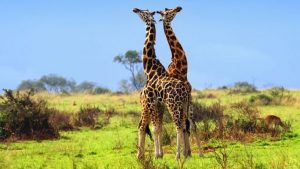
Massive elephant herds, lions, wild dogs, and over 400 bird species make Zimbabwe a premier wildlife destination.
- Mana Pools
A UNESCO World Heritage Site along the Zambezi River, known for walking safaris, canoe trips, and close-up wildlife encounters.
It’s raw, wild, and unforgettable.
- Mashonaland Central, East, and West
These regions are lighter on marquee attractions but heavy on rural scenery, farming landscapes, and cultural immersion, best explored with local guides.
- Masvingo
Home to Great Zimbabwe, the country’s most important archaeological site, and a former capital of a powerful medieval kingdom.
- Matabeleland North and South
Expect rugged terrain, cultural sites, and wildlife reserves, plus access routes to Hwange and remote safari concessions.
- Midlands
Centered around Gweru, this region offers Antelope Park, known for conservation programs and guided wildlife experiences.
- Victoria Falls
The headliner.
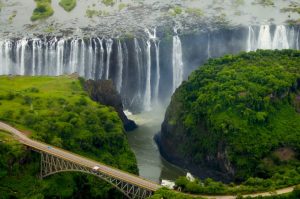
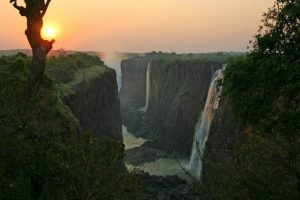
Victoria Falls delivers thundering water, rainforest walks, river cruises, helicopter flights, bungee jumping, and white-water rafting, all wrapped into one adrenaline-friendly package.
Places to Avoid in Zimbabwe
There aren’t elevated risk levels in most government travel advisories for Zimbabwe, but the fine print adds useful context for smart trip planning.
Petty crime and vehicle break-ins are most common on the roads to and from Robert Gabriel Mugabe International Airport, around Beitbridge near the South Africa border, and along the Mozambique border.
In Harare, downtown districts and high-density residential neighborhoods see higher crime rates.
Stick to central business areas, reputable hotels, and known shopping centers, and avoid wandering into unfamiliar neighborhoods.
Tourist hubs like Victoria Falls are generally safe, but criminals do operate near hotels, restaurants, and busy shopping zones, making situational awareness important.
Infrastructure challenges also factor in. Power and water outages are frequent in Harare and other regions, which can affect safety, lighting, and transportation.
One place in Zimbabwe you absolutely must avoid is the Marange diamond mining fields near Mutare.
Access is restricted, heavily policed, and absolutely not worth the risk.
Safety Tips for Traveling to Zimbabwe
- The Zimbabwe Republic Police handles emergencies nationwide. You can dial 999 for police, 994 for fire, and 993 for ambulance services. Response times vary, especially outside major cities, so hotels and lodges often act as first responders. Save your accommodation’s front desk number, tour operator contact, and embassy details.
- Zimbabwe does not have a centralized public alert system for visitors, so your best safety net is layered. Enroll in the U.S. STEP program, follow your embassy on social media, and monitor local news outlets. Lodges and safari operators are excellent at sharing real-time updates, especially for weather events, protests, or road closures that could affect travel plans.
- Foreign drivers need a valid home license and an International Driving Permit. That said, driving yourself is strongly discouraged. Road conditions vary wildly, signage is limited, livestock wander freely, and nighttime driving is risky. Local traffic authorities report dozens of crashes in Harare on an average evening alone. Hiring a professional driver is safer, easier, and far less stressful.
- No vaccines are mandatory if you’re arriving directly from the U.S. or Europe, but yellow fever proof is required if you’re coming from a high-risk country. Hepatitis A and B, typhoid, tetanus, and routine boosters are recommended. Malaria prevention is strongly advised for many regions, especially around Victoria Falls and safari parks. A pre-trip travel clinic visit is smart.
- English is one of Zimbabwe’s official languages and is widely spoken, especially in cities, tourist areas, hotels, and safari lodges. Shona and Ndebele are the most common local languages, but visitors rarely struggle with communication. Road signs, menus, airport signage, and official documents are typically in English.
- Photography laws in Zimbabwe are strict and unevenly enforced. Certain government buildings, police stations, military sites, and infrastructure are off-limits, even if nothing looks particularly secret. Taking photos in the wrong place can lead to questioning, fines, or detention. Stick to game parks, tourist attractions, and obvious landmarks, and when in doubt, ask before you snap.
- Foreign nationals have faced detention or expulsion for political commentary or unauthorized aid work. Public criticism of the government, political discussions, protests, and unsanctioned volunteer efforts can trigger problems. Even casual comments or social media posts may draw attention. Travelers should stay politically neutral, avoid demonstrations, and participate only in organized, approved humanitarian programs through reputable operators.
- Wildlife areas are spectacular but demand respect. Always follow ranger and guide instructions, keep your distance from animals, and never walk alone in unfenced areas. Many lodges prohibit nighttime wandering for good reason. Hunting is strictly regulated and only permitted with licensed tour operators under controlled conditions. Independent hunting is illegal and treated as serious poaching.
- Zimbabwe has strict laws and deep-rooted social hostility toward LGBTQ+ individuals. Same-sex relationships between men are criminalized, and discrimination is legal. Harassment and intimidation are real concerns. LGBTQ+ travelers should exercise extreme discretion, avoid public displays of affection, and carefully consider personal safety when planning travel.
- Many governments restrict official travel on Air Zimbabwe due to ongoing safety, maintenance, and operational concerns. The airline has faced long-term financial struggles, flight disruptions, and reliability issues. While some flights operate safely, delays and cancellations are common. Most travelers opt for regional carriers with stronger safety records, better aircraft maintenance, and more dependable schedules.
So... How Safe Is Zimbabwe Really?
Zimbabwe is ranked at a Level 2 travel advisory from the United States, Australia, and Canada.
That’s the second-lowest level on a four-tiered scale.
It essentially means using a high degree of caution.
For perspective, Level 1 means exercising standard precautions, while Level 3 means avoiding non-essential travel.
Crime is the reason for the elevated risk level, and visitors should read the full advisories to get specifics and updates.
For example, the United States’ travel advisory reads, in part, “Criminals often target foreigners and residents suspected of having large sums of cash.”
At the same time, tourism in Zimbabwe is soaring.
Some reports mention a 43% increase in 2025 compared to 2024.
Part of that is attributed to Zimbabwe being ranked by Forbes as the world’s best country to visit.
While we don’t want to assure safety in numbers, there’s clearly not enough of a risk that it’s stopping people from visiting.
Plus, using vetted tour guides and extra precautions can make Zimbabwe the African getaway you’ve always dreamed about.
How Does Zimbabwe Compare?
| Country | Safety Index |
|---|---|
| Zimbabwe | 53 |
 Monaco Monaco | 88 |
 Republic of the Congo Republic of the Congo | 54 |
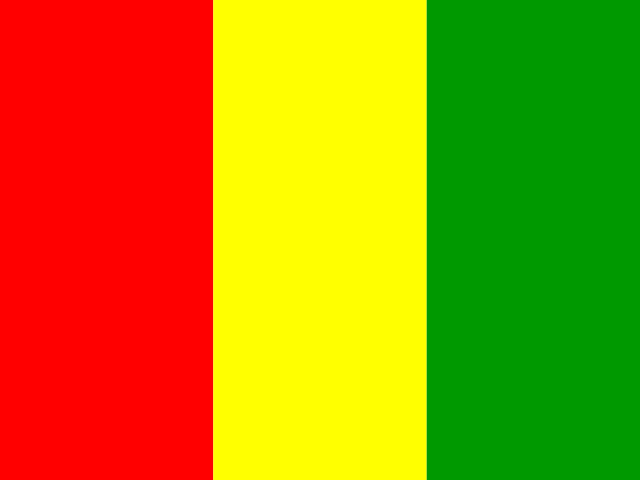 Guinea Guinea | 39 |
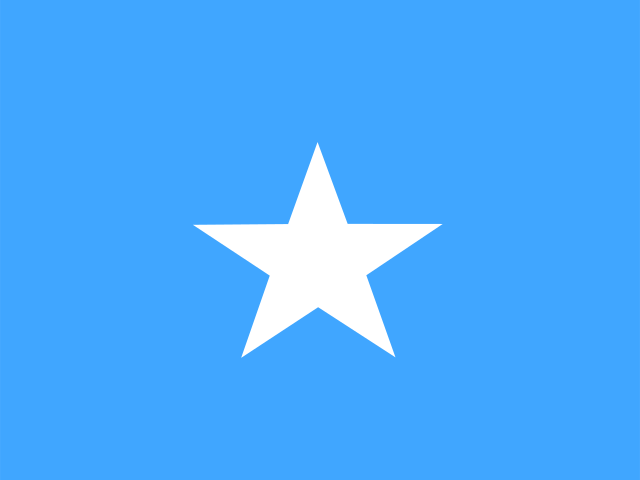 Somalia Somalia | 16 |
 North Korea North Korea | 21 |
 Panama Panama | 65 |
 Australia Australia | 86 |
 Singapore Singapore | 90 |
Useful Information

Visas
Most travelers need a visa to enter Zimbabwe. Many nationalities, including U.S., UK, EU, and Canadian passport holders, can get a visa on arrival at major airports and border crossings. You can pay in cash or by card, but have small U.S. bills handy. A KAZA Univisa lets you bounce between Zimbabwe and Zambia. Overstaying your visa can lead to large fines or jail time.

Currency
Zimbabwe technically uses the Zimbabwean dollar, but in reality, U.S. dollars run the show. Hotels, tours, restaurants, and even roadside vendors happily accept USD. Bring small bills, like $1 and $5 denominations. If you want to use a credit card for things like hotels or tours, paying in advance is the best option.

Weather
Zimbabwe stays warm year-round, but timing matters. Dry season runs May through October and is prime safari time, with cooler nights and fewer mosquitoes. November through March brings heat, humidity, and dramatic thunderstorms that turn Victoria Falls into a full-volume spectacle. Expect daytime highs in the 80s to 90s Fahrenheit most of the year.

Airports
Victoria Falls International and Robert Gabriel Mugabe International Airport in Harare handle most international arrivals. Vic Falls is the easiest gateway for safari travelers and waterfall chasers. Harare offers broader regional connections. Smaller airports serve Hwange and other safari areas, often via charter flights. It's worth noting that the United States embassy doesn't allow employees to fly on Air Zimbabwe because of safety concerns.

Travel Insurance
Travel insurance is non-negotiable here, especially if safaris, helicopter flights, rafting, or remote lodges are on your itinerary. Look for coverage that includes emergency transport, adventure activities, and trip interruption.
Zimbabwe Weather Averages (Temperatures)
Average High/Low Temperature
| Temperature / Month | Jan | Feb | Mar | Apr | May | Jun | Jul | Aug | Sep | Oct | Nov | Dec |
|---|---|---|---|---|---|---|---|---|---|---|---|---|
| High °C |
26 | 26 | 26 | 25 | 23 | 20 | 20 | 23 | 27 | 30 | 28 | 27 |
| Low °C |
15 | 15 | 14 | 12 | 8 | 5 | 5 | 7 | 11 | 15 | 16 | 16 |
| High °F |
79 | 79 | 79 | 77 | 73 | 68 | 68 | 73 | 81 | 86 | 82 | 81 |
| Low °F |
59 | 59 | 57 | 54 | 46 | 41 | 41 | 45 | 52 | 59 | 61 | 61 |
Zimbabwe - Safety by City
| City | Safety Index |
|---|---|
| Bulawayo | 57 |
| Gweru | 59 |
| Harare | 66 |
| Mutare | 59 |
| Victoria Falls | 60 |


For the most part this has lies in Zimbabwe if someone gets mugged it becomes breaking news maybe scams but most of the info here is lies.
Zimbabwe
Y’all , I’m Zimbabwean myself and who visited most tourist places mentioned in this article , the country is for sure safer than this article thoughts. Visit some parts of Joburg South Africa if you wanna see a real Hollywood movie scene in front of your eyes and if see that it be thankful coz you still alive.
Don't miss the chance for an Amazing Experience in Zimbabwe
My review is rather detailed, but more information is what we want, right!
Firstly, the ‘Mugging Risk’ is quite exaggerated. Violent crimes are low in Zimbabwe and criminals hardly carry guns or any other weapons. Zimbabweans are generally very peaceful and welcoming, not violent. They are also generally very hard working, well educated and intelligent so they use their heads, rather than violence, to cope with the current economic hardships facing the country. That’s why you are more likely to encounter scam artists and pick pockets.
And come on, reckless and irresponsible driving?… that is found in every country- unless you’re attributing it to some of the roads, which can be bad.
As for ‘Tourist Killings’, as stated above, please be very clear! The only tourist killings in Zimbabwe are sadly as a result of wild animal attacks, when tourists get too close. This is unfortunately expected of all wild animals in the rest of Africa and the world as a whole.
For more, go to World Nomads and follow these steps: Home- Travel Safety- Southern Africa- Zimbabwe.
Thank you.
Bad drivers
Regretfully, from some of the most courteous drivers in the world Zimbabwe drivers are now amongst the most irresponsible and reckless That is a fact and I experience it every day on the roads of Harare
I agree with you, I have been to Zimbabwe many times.
They are lovely people.
Increasing crime in Zim
I got married (to Zimbabwean lady) June 2019 and have to say at that time never once felt unsafe anywhere in Zimbabwe.
Over the past couple of years however it is very evident that crime has increased significantly in Zim – particularly knife crime and even gun crime/armed robberies etc which the local police don’t seem to be able to get a handle on.
My wife was just informed in the early hours of this morning that her eldest brother was stabbed at a market in Zim yesterday and was in hospital and we are praying he makes a full recovery.
Zimbabwe is a beautiful country and the people are overwhelmingly kind and welcoming to tourists so it is still rare to hear of visiting tourists being attacked or killed.
I get the feeling that they don’t attack people from other countries unless they know they can get away with it. This is why it is very rare. I have been to Zimbabwe 5 times in the last 15 or so years and never had an issue. I think it is a beautiful place and most people are very kind and welcoming.
Africa in a positive light.
Yeah very much so.
Most tourists are safe with low numbre of victims you know.
This is a bonus for most Tourists out there.
there are bad roads not reckless drivers
This artcle is biased…. Can’t say anything more
It i is misleading our visitors
Safety in Zimbabwe as a tourist
I would view Zimbabwe safer than what the article is insinuating. There are rare circumstances where one encounters violent crime, especially a tourist. The problem you could encounter, in Harare or Bulawayo CBD could be pick pocketing. I am yet to hear of a tourist who was killed by a person and not by wildlife, or one who was robbed. The roads are bad in Zimbabwe, though recently the government has been concentrating on road rehabilitation. The bad driving cited comes from the need to avoid potholes and also congestion at non working traffic lights at CBD intersections. Overaly, Zimbabwe is a safe country to visit and stay.
I would say the article is 85% percent true ,unfortunately rape ,assault and robbery do happen but mostly in the more densely populated areas, the suburbs and tourist attractions find less if any cases ( if you are a tourist I guarantee you will be safe as long as you avoid the CBD, there have infact been no cases of tourists being killed by a local and if you just use your head and practice basic caution I promise, you will be fine). Floods aren’t as severe or common as the article suggests the most recent large scale flood Zimbabwe experienced was cyclone idai in 2019 and most deaths were due to the unpreparedness of the locals ,because they were informed beforehand that a cyclone was coming.
Honest cautions about cash issues, politics, and petty crime paired with upbeat notes on Victoria Falls and wildlife viewing. It made me rethink budgeting and logistics before booking my trip.
Just imagining standing near Victoria Falls gives me chills; it must be wild to see that massive water curtain in full flow!
It’s hard to believe a place with so many natural wonders can feel like such an afterthought sometimes; sure, Victoria Falls is impressive, but have you tried navigating the roads leading there? You practically need a map and a miracle just to get a decent view.
Is it just me or does the idea of exploring the quieter side of Zimbabwe sound like the perfect getaway from the usual tourist trails?
Experiencing the raw beauty of Victoria Falls firsthand was honestly breathtaking, but you can’t help but feel the weight of the country’s complex past lingering in the air as you explore.
It’s crazy to think about how much Zimbabwe has to offer, especially with those stunning landscapes and rich history; I always thought it was just the classic safari stuff, but there’s so much more to explore!
The Victoria Falls mist still soaks my shirt and gives me goosebumps, and I keep wondering whether the Eastern Highlands will stay as peaceful with more tourists around.
The spray from Victoria Falls soaked my hair and made me laugh, and the hush of the mountain trails afterward gave me a weird calm even though I was careful walking back to town at night.
Did you notice the extra flights and how walking past Victoria Falls last week felt oddly busier and louder than it used to?
Watched Victoria Falls at dawn and the spray still made me catch my breath, though seeing the crowds swell has me a bit nervous about safety at night.
Two million visitors later and my favorite trail’s packed with selfie sticks, so much for peaceful mornings.
That two million visitor spike makes me a bit uneasy, are the safety issues mostly petty crime, road conditions for self-drivers, or something else around Victoria Falls?
Had the spray from Victoria Falls soak my jacket and I still couldn’t stop grinning, it really feels wilder than the photos.
After paddling the quiet river stretches near Mana Pools, do you think the jump to two million visitors will wreck those canoe trips and the misty mountain escapes?
Felt a bit uneasy on the roads at night but waking up to that misty view in the Eastern Highlands made it totally worth it.
I’ve been around Victoria Falls and honestly the crowds are bigger than you’d expect for a “lesser-known” spot.