


 Zimbabwe : Safety by City
Zimbabwe - safety as a country
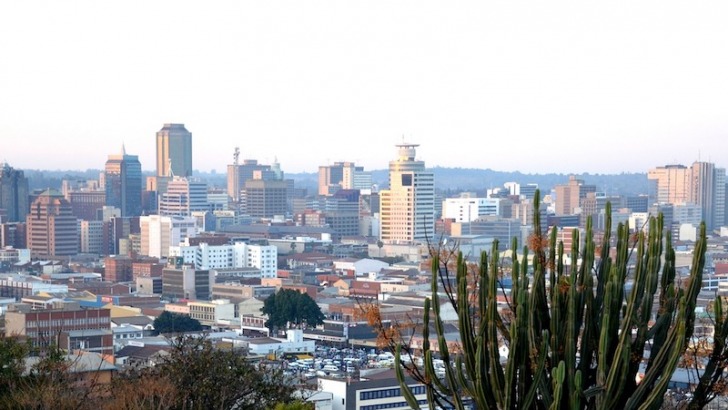
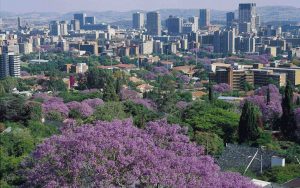
Harare sits in northeastern Zimbabwe on a high plateau, which gives the city a cooler and more pleasant climate than many first-time visitors expect from southern Africa’s tropics.
As the country’s capital, it mixes broad avenues, jacaranda trees, diplomatic districts, busy markets, government buildings, and a surprisingly relaxed suburban feel in parts of the city.
It is not a destination that usually makes travelers’ bucket lists before Victoria Falls or safari country, but that is exactly why it can be so interesting.
Harare offers galleries, gardens, cafés, local history, and a good look at everyday Zimbabwean life.
Safety-wise, it is not a city to fear, but it is absolutely a city to respect.
Travelers who stay alert, avoid risky areas after dark, and plan their transport carefully can usually enjoy Harare without major trouble.
Warnings & Dangers in Harare

OVERALL RISK: MEDIUM
Harare is manageable for travelers, but it is not carefree. Petty theft, opportunistic crime, unreliable services, and occasional unrest mean you need to stay switched on. Most visits are trouble-free when travelers avoid walking at night, keep valuables out of sight, and stay away from demonstrations or tense political situations.

TRANSPORT & TAXIS RISK: MEDIUM
Transport in Harare requires more caution than panic. Airport transfers and prearranged rides are much safer than improvising late at night. Vehicle break-ins and smash-and-grab theft can happen, especially when cars stop in traffic. Use reputable taxis or app-based options arranged through your hotel whenever possible.

PICKPOCKETS RISK: MEDIUM
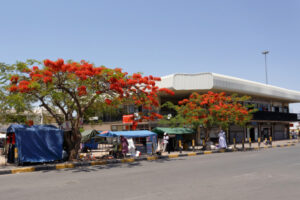
Pickpocketing is a real concern in crowded markets, bus ranks, and busy commercial areas. It is not constant, but it is common enough that careless travelers can quickly lose a phone, wallet, or bag. Keep your valuables zipped away, avoid back pockets, and do not flash cash in public.

NATURAL DISASTERS RISK: LOW
Harare is not a city defined by major natural disasters, but the rainy season can still cause localized flooding, slippery roads, and transport disruptions. Strong seasonal storms can make travel slower and less predictable. The bigger concern is inconvenience and infrastructure strain rather than a catastrophic disaster for most short-term visitors.

MUGGING RISK: MEDIUM
Muggings and bag snatching do occur, especially after dark and in quieter or poorly lit areas. The risk rises if you walk alone, carry visible valuables, or wander in the central city late at night. Travelers who use cars, limit nighttime walking, and stay in better-known districts lower this risk considerably.

TERRORISM RISK: LOW
Harare is not usually viewed as a major terrorism hotspot for tourists. That said, political tension and public unrest can create dangerous situations quickly, even when they are not terrorism related. The smarter approach is to avoid protests, rallies, and large crowds, especially if the mood in the city feels tense.

SCAMS RISK: MEDIUM
Harare’s scam risk is less about elaborate tourist cons and more about everyday hustles, inflated prices, fake help, and unofficial money exchange offers. Visitors may also be overcharged for transport or targeted if they look unfamiliar with local currency issues. Keep transactions simple, ask hotel staff for price guidance, and avoid street money deals.

WOMEN TRAVELERS RISK: MEDIUM
Women can travel in Harare, but solo travelers should be more cautious than they might be in a lower-risk city. Harassment is usually verbal rather than physical, but isolated walking, nightlife movement, and informal transport raise the risk. Dressing modestly, using arranged transport, and avoiding being out alone late help a lot.

TAP WATER RISK: HIGH
Tap water is one of the clearest weak points for visitors. Water quality and supply reliability can vary, and outbreaks of waterborne illness have affected Zimbabwe in recent years. Drink bottled, filtered, or properly boiled water, avoid ice unless you trust the source, and be careful with salads, fruit washing, and street drinks.
Safest Places to Visit in Harare
Borrowdale and Borrowdale Brooke
Borrowdale is one of the city’s most comfortable areas for visitors.
It is greener, more upmarket, and generally calmer than central Harare.
Travelers often feel more at ease here because hotels, restaurants, shops, and private residences create a more controlled environment.
It is a good base if you want convenience and a lower-stress introduction to the city.
Avondale
Avondale is one of the nicest areas for daytime exploring, casual meals, cafés, and shopping.
It has a lived-in, local feel that is more relaxed than the city center.
It is not risk-free, but it is usually a better place for visitors who want to move around in daylight without the intensity of crowded transport hubs and market zones.
Harare Gardens Area in Daylight and Nearby Cultural Stops
Some central areas can be enjoyable during the day if you keep normal city awareness.
Museums, galleries, and business district landmarks can be seen safely when you visit in daylight, use direct transport, and avoid wandering.
The key is timing.
Harare feels much more comfortable in the daytime than after dark.
Mukuvisi Woodlands
For travelers who want a break from traffic and urban tension, Mukuvisi Woodlands is one of the better choices.
Nature-based attractions tend to feel more structured, especially when you arrive by arranged transport and go during normal operating hours.
It offers a gentler side of Harare that many visitors do not expect.
Hotel Zones and Diplomatic Districts
Areas with major hotels, embassies, and established business travel infrastructure are often the easiest for first-time visitors.
They usually have better security, more dependable transport support, and staff who understand what travelers need.
These districts are not necessarily exciting, but they are practical and often among the safest parts of the city for overnight stays.
Places to Avoid in Harare
Central Business District After Dark
The central business district is not automatically dangerous in daylight, but it becomes much riskier once offices empty out and foot traffic changes.
Street crime, muggings, and opportunistic theft are more likely at night.
This is one of the clearest places where timing matters.
Daytime is workable, nighttime is often best avoided.
Mbare and Crowded Market Areas
Mbare is famous, energetic, and important to the city, but it is not the easiest place for tourists to navigate safely.
Crowded markets attract pickpockets, confusion, and occasional petty aggression.
Unless you are with someone local who knows the area well, this is not the part of Harare where I would advise casual independent wandering.
Isolated Parks, Open Areas, and Poorly Lit Streets
Even in cities that feel calm by day, open spaces can become vulnerable zones after sunset.
Harare is one of those places.
Parks, empty fields, and badly lit side streets are best skipped at night, particularly if you are alone.
The problem is not the location itself so much as the lack of people, lighting, and quick help.
Roads to and from the Airport in Stopped Traffic
The airport itself is straightforward enough, but the route between the airport and the city deserves attention.
Theft from vehicles can happen when cars slow down or stop, especially if bags, phones, or laptops are visible.
Keep windows up, doors locked, and valuables out of sight.
I would not choose an unvetted ride for this journey.
Protest Sites and Politically Charged Gatherings
This is one category that should be completely non-negotiable.
If you see a crowd, a march, a rally, or a tense police presence, leave.
Harare can shift quickly when politics enters the street.
Even peaceful gatherings can become unpredictable, and tourists gain nothing by lingering nearby.
Safety Tips for Traveling to Harare
- Use prearranged airport transport. Do not make your first Harare decision an improvised one outside the terminal. Arrange a hotel pickup or a trusted driver before landing. It cuts down on confusion, overcharging, and exposure to luggage after a long flight.
- Do not walk around at night unless you truly know the area. Harare changes after dark. Streets that feel fine during the day can become empty and less secure later on. Even short walks are better replaced by a car ride in the evening.
- Keep cash divided and out of sight. Zimbabwe’s money situation can confuse visitors, and carrying too much visible cash makes you stand out. Split your money between different places, keep only what you need for the day handy, and do not count notes in public.
- Treat your phone like a valuable, because it is. Travelers often relax with their phones in hand while waiting at intersections, outside shops, or near car windows. That is exactly when opportunistic theft happens. Keep your phone secured unless you actively need it.
- Drink only bottled, boiled, or properly filtered water. This is one of the easiest ways to avoid ruining a trip. Be picky about water, ice, raw produce, and drinks from places with questionable hygiene. Stomach illness is far more likely to interrupt your trip than a dramatic crime incident.
- Avoid demonstrations completely. Do not stop to watch, film, or ask what is happening. If you encounter a protest or gathering, leave immediately and take another route. Political events can escalate quickly, and foreign visitors should not hover nearby out of curiosity.
- Choose accommodation in better-known neighborhoods. Where you stay matters in Harare. Paying a little more for a hotel or guesthouse in a well-regarded area can improve transport options, nighttime security, staff support, and your overall comfort.
- Ask locals for practical advice, but choose your locals wisely. Hotel staff, reputable guides, hosts, and established drivers are useful sources of real-time information. Random street advice is less reliable. A good local contact can tell you which areas are fine in the afternoon and which ones are best skipped entirely.
- Stay alert in traffic and when stopped in a vehicle. Lock the doors, keep the windows mostly up, and do not leave bags on the seat. This matters especially on airport runs and at busy intersections where thieves can work quickly. Traffic jams are not the time to look distracted.
- Keep your plans flexible. Harare is not the best place for rigid travel behavior. Power outages, water issues, fuel problems, weather interruptions, or political developments can change the day. Build extra time into your schedule and keep a backup option for transport and payments.
So... How Safe Is Harare Really?
Harare is one of those cities where the honest answer sits in the middle.
It is not a place where most tourists are likely to face serious violence if they use common sense, but it is also not a city where you should drift around casually with zero planning.
The real risks are less about extreme danger and more about a stack of manageable issues: petty theft, nighttime crime, unreliable water, transport vulnerability, and political unpredictability.
What stands out most is that crime in Harare is often opportunistic.
Thieves look for exposed phones, visible bags, easy-to-target cars, distracted walkers, and travelers who do not understand the city’s rhythm.
That means behavior matters a lot.
Visitors who move carefully in the day, use trusted drivers, keep a low profile, and stay in stronger neighborhoods often report a far smoother experience than the warnings alone might suggest.
I would personally rate Harare as a city that rewards preparation.
It is not the type of destination where fear should keep you away, but it is absolutely one where smart habits shape the trip.
If you travel like a seasoned visitor rather than a casual wanderer, Harare can feel welcoming, interesting, and far less intimidating than its reputation sometimes suggests.
How Does Harare Compare?
| City | Safety Index |
|---|---|
| Harare |
66 |
| Victoria Falls |
60 |
| Bulawayo |
57 |
| Gweru |
59 |
| Mutare |
59 |
 Racine Racine | 70 |
| Thurmont | 83 |
 Bristol Bristol | 58 |
| Ketchikan | 94 |
| Tucson | 48 |
| Portage | 87 |
Useful Information

Visas
Many tourists need a visa for Zimbabwe, though some nationalities are visa-exempt. For many visitors, a holiday visa can be obtained online or at the port of entry, with single and double entry options commonly available for stays ranging from 30 to 90 days. Always check your nationality’s category before flying.

Currency
Zimbabwe’s payment environment can be confusing for visitors, so carry a mix of practical payment options. Cash remains useful, especially for smaller purchases, tips, and transport, but use official exchange channels and avoid street changers. Ask your hotel what works best currently, because payment habits can shift faster than guidebooks do.

Weather
Harare has a milder climate than many travelers expect because of its elevation. The dry season is generally cooler and more comfortable, while the rainy season brings warmer weather, afternoon storms, and occasional flooding. Pack light layers, a rain jacket if traveling in wetter months, and something warmer for cool evenings.

Airports
The main gateway is Robert Gabriel Mugabe International Airport, located about 15 kilometers south of Harare. It is the country’s primary international airport and the easiest entry point for most travelers. The best way into the city is a pre-booked hotel transfer or a trusted taxi rather than negotiating transport on arrival.

Travel Insurance
Travel insurance is a very good idea for Harare. It is not just about theft. It also helps with flight delays, medical care, cancellations, and unexpected transport or health issues. Choose a policy that includes medical evacuation if possible, because that is often the detail travelers regret skipping later.
Harare Weather Averages (Temperatures)
Average High/Low Temperature
| Temperature / Month | Jan | Feb | Mar | Apr | May | Jun | Jul | Aug | Sep | Oct | Nov | Dec |
|---|---|---|---|---|---|---|---|---|---|---|---|---|
| High °C |
26 | 26 | 26 | 25 | 23 | 21 | 21 | 24 | 27 | 29 | 28 | 26 |
| Low °C |
16 | 16 | 15 | 12 | 9 | 7 | 6 | 8 | 11 | 14 | 15 | 16 |
| High °F |
79 | 79 | 79 | 77 | 73 | 70 | 70 | 75 | 81 | 84 | 82 | 79 |
| Low °F |
61 | 61 | 59 | 54 | 48 | 45 | 43 | 46 | 52 | 57 | 59 | 61 |
Zimbabwe - Safety by City
| City | Safety Index |
|---|---|
| Bulawayo | 57 |
| Gweru | 59 |
| Harare | 66 |
| Mutare | 59 |
| Victoria Falls | 60 |












Very useful
european union citizenship
It’s heartbreaking to see how much can change, but there’s something really hopeful about the resurgence and the way the city’s history shines through in its architecture.
It’s wild to think how much Harare has changed over the years; I never expected to see such a cool blend of history and nature when I visited!
Just thinking about how Harare’s historical charm shines through all those preserved buildings, despite everything it’s been through, really makes me want to explore the National Gallery and see the art scene for myself!
Those jacaranda-lined streets are lovely, but I felt uneasy walking home after 9pm when taxis were scarce.
Been in Harare a few times, and while the jacaranda-lined avenues and neighborhood cafés feel pleasantly calm, I still get a bit uneasy walking the quieter streets after dark so I stick to the busier routes.
Never thought the jacaranda trees lining the avenues would make me actually stop and breathe, standing by a busy market at dusk I felt oddly calm and more aware of the city.