


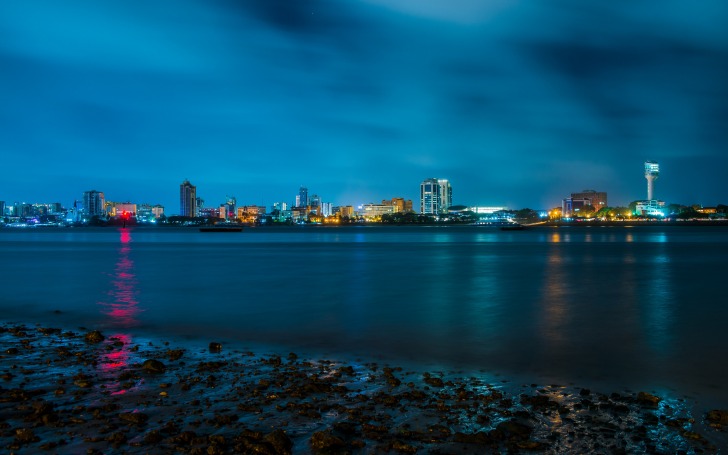
Dar es Salaam is Tanzania’s largest city and commercial heartbeat, stretched along the warm turquoise waters of the Indian Ocean in East Africa.
Although Dodoma is the political capital, Dar remains the country’s cultural and economic powerhouse.
It is the main gateway to safari icons like the Serengeti and tropical escapes such as Zanzibar.
The name means “Haven of Peace” in Arabic, a nod to its coastal trading past shaped by African, Arab, and Indian influences.
Today, Dar is vibrant, chaotic, entrepreneurial, and fast growing. It is not a polished resort city.
It is real, energetic, and sometimes overwhelming.
So the big question is, how safe is it for travelers?
Let’s break it down honestly and practically.
Warnings & Dangers in Dar es Salaam

OVERALL RISK: MEDIUM
Dar es Salaam is generally safe for tourists who take precautions, but it is not risk free. Petty crime and opportunistic theft are common, especially in busy commercial areas. Violent crime does occur but rarely targets tourists randomly. Smart behavior, careful transportation choices, and situational awareness significantly reduce your risk.

TRANSPORT & TAXIS RISK: MEDIUM
Public minibuses known as daladalas are crowded and prone to pickpocketing. Taxi scams, inflated fares, and unregistered drivers can also be an issue. Using reputable ride hailing services or hotel arranged taxis is far safer. Traffic accidents are a real concern due to aggressive driving and poor road conditions.

PICKPOCKETS RISK: HIGH
Pickpocketing is one of the most common crimes affecting visitors. Crowded markets like Kariakoo, bus stations, and ferry terminals are hotspots. Phones are especially targeted, including snatch and grab thefts from motorbikes. Wearing valuables openly increases your chances of being targeted.

NATURAL DISASTERS RISK: MEDIUM
Dar es Salaam is not in a major earthquake or hurricane zone. However, heavy rains during the long rainy season from March to May can cause flooding and transport disruptions. Flooded roads and poor drainage in certain neighborhoods can make moving around difficult and occasionally unsafe.

MUGGING RISK: MEDIUM
Muggings do occur, particularly after dark in isolated areas. Most incidents are opportunistic rather than violent assaults. Walking alone late at night, especially along poorly lit streets or near beaches, increases risk. Armed robberies are uncommon but have been reported in certain outer districts.

TERRORISM RISK: MEDIUM
Tanzania has experienced isolated terrorist incidents in the past, and regional instability in East Africa keeps security agencies alert. Attacks are rare in Dar es Salaam, but large public gatherings and high profile locations are considered higher risk. Security presence around hotels and embassies is visible and reassuring.

SCAMS RISK: MEDIUM
Common scams include fake tour guides, currency exchange tricks, and overcharging at markets. Some taxi drivers may claim your hotel is closed and suggest alternatives. ATM skimming has been reported. Most scams are small scale but annoying rather than dangerous.

WOMEN TRAVELERS RISK: MEDIUM
Solo female travelers can visit Dar safely, but harassment such as catcalling can happen. Conservative dress reduces unwanted attention. Walking alone at night is not recommended. Women who use reputable transport and stay in secure accommodations typically report positive experiences.

TAP WATER RISK: HIGH
Tap water in Dar es Salaam is not considered safe for drinking. Bottled water is inexpensive and widely available. Avoid ice in smaller establishments unless you are confident it is made from purified water. Use bottled or filtered water even when brushing your teeth.
Safest Places to Visit in Dar es Salaam
Msasani Peninsula: Masaki & Oyster Bay
If you want the smoothest, most comfortable introduction to Dar es Salaam, base yourself on the Msasani Peninsula.
Neighborhoods like Masaki and Oyster Bay are home to embassies, diplomats, business travelers, and some of the city’s best hotels and serviced apartments.
That matters, because it means stronger private security, better lighting, and more visible police presence.
The streets are calmer compared to the city center, and you will find reliable restaurants, supermarkets, and cafés where prices are fixed and service is professional.
For solo travelers and especially families, this area offers a noticeably lower stress environment.
It is also one of the few places in the city where evening dining out feels relatively comfortable, provided you use transport rather than walking long distances at night.
The Slipway: Controlled Waterfront Comfort
The Slipway is a small waterfront complex in Masaki that feels almost self contained.
There are security checks at the entrance, visible guards, and a steady flow of locals and expatriates.
It is one of the safest places to shop for souvenirs, book boat trips, or enjoy dinner by the ocean.
This is also the departure point for boats to Bongoyo Island.
Because operators here are established and monitored, you are less likely to encounter fraudulent tour sellers compared to random street approaches elsewhere in the city.
Bongoyo Island: A Safer Escape
About 30 minutes by boat from the mainland, Bongoyo Island offers a break from urban chaos.
As a managed marine reserve area with controlled access, it is generally calm and safe during daylight hours.
Visitors typically arrive by organized boat, spend the day swimming and relaxing, and return before sunset.
There are no cars, no crowded markets, and fewer opportunities for petty crime.
As always, keep valuables minimal and secure, but overall it is one of the most peaceful experiences near the city.
National Museum & Village Museum: Daytime Cultural Stops
Cultural sites such as the National Museum and the Village Museum are best visited during the day.
These locations are staffed, structured, and accustomed to tourists.
Organized tours or hiring a licensed guide at the entrance adds an extra layer of security and context.
While not immune to petty theft outside their gates, inside the premises they are generally calm and manageable.
Places to Avoid in Dar es Salaam
Kariakoo Market: High Energy, High Risk
Kariakoo is one of the most fascinating parts of Dar es Salaam.
It is also the epicenter of pickpocketing and phone snatching.
The market is dense, loud, and crowded, with narrow walkways packed shoulder to shoulder.
If you choose to visit, go in the late morning or early afternoon, never after dark.
Avoid holding your phone out for photos, and keep bags zipped and worn in front of you.
Motorbike thieves sometimes circle the edges of busy roads nearby, targeting distracted pedestrians.
The experience can be incredible, but it requires full attention.
City Center After Dark
The central business district is busy during working hours.
After sunset, however, many offices close and foot traffic drops sharply.
Poor lighting on some streets combined with fewer witnesses increases the risk of muggings.
Areas near bus terminals, ferry docks, and large roundabouts can feel particularly isolated at night.
Tourists lingering with luggage or looking lost stand out quickly.
Plan your evening movements carefully and use trusted transport rather than walking.
Isolated Beaches at Night
While daytime beach visits can be enjoyable, certain stretches of coastline become risky after sunset.
Outside hotel managed beaches, there is limited lighting and little formal security.
Opportunistic robberies have occurred in darker, quieter areas.
If you want to enjoy the ocean after dark, stick to beachfront hotels or busy, well lit restaurant zones on the Msasani Peninsula.
Outer Residential Districts: Temeke & Parts of Kinondoni
Most tourists have little reason to visit deeper residential districts such as Temeke or far reaching parts of Kinondoni.
These areas are not inherently dangerous in broad daylight, but they experience higher local crime rates and lack the infrastructure that supports visitor safety.
If business or local contacts take you there, go with someone you trust and avoid independent wandering.
These neighborhoods are working class and residential, not built for tourism, and the absence of visible security can make outsiders more vulnerable.
Safety Tips for Traveling to Dar es Salaam
- Use Ride Hailing Apps or Hotel Taxis. Avoid random street taxis. Use reputable ride apps or ask your hotel to arrange transport. Confirm the driver and vehicle details before entering.
- Keep Your Phone Discreet. Phone snatching from passing motorbikes happens. Avoid texting near busy roads. Step inside a shop or café if you need to use your device.
- Avoid Walking Alone at Night. Even in safer neighborhoods, take a taxi after dark. Street lighting can be inconsistent, and isolated areas increase vulnerability.
- Dress Modestly and Blend In. Lightweight, conservative clothing helps reduce attention. Flashy jewelry and luxury watches are unnecessary and increase risk.
- Carry Small Cash Amounts. Do not carry large sums of Tanzanian shillings. Keep emergency cash separate. ATMs inside banks or major hotels are safer choices.
- Be Alert in Kariakoo and Transport Hubs. Use anti theft bags and keep zippers secured. Crowds create ideal conditions for pickpockets.
- Choose Accommodation with Security. Select hotels with gated entrances, security guards, and good reviews. Many reputable hotels conduct bag checks and have controlled access.
- Monitor Weather During Rainy Season Flooding can disrupt travel plans. Avoid driving through flooded roads and allow extra time for transport.
- Verify Tour Operators. Book safaris and island trips through established companies. Check reviews and confirm licenses to avoid scams.
- Stay Informed. Register with your embassy if possible and monitor local news. Conditions can change, and awareness is your strongest protection.
So... How Safe Is Dar es Salaam Really?
Dar es Salaam is not a high crime war zone, but it is also not a low risk European capital.
Crime statistics in Tanzania show that theft and burglary are far more common than violent crime.
Tourists are rarely targeted in serious violent incidents, but petty theft is widespread.
Most visitors who experience problems report phone snatching, pickpocketing, or taxi related issues.
Violent crimes against tourists are uncommon and usually linked to risky behavior such as walking alone late at night in unfamiliar areas.
Security presence is visible around major hotels, embassies, and business districts.
The city’s economy relies heavily on tourism and international business, so authorities maintain relative stability in key areas.
If you approach Dar with realistic expectations, situational awareness, and smart planning, it can be an exciting and safe gateway to East Africa.
The majority of travelers leave with great memories and no major issues.
How Does Dar es Salaam Compare?
| City | Safety Index |
|---|---|
 Dar es Salaam Dar es Salaam |
45 |
| Stone Town |
60 |
| Zanzibar City |
55 |
 Ocean City Ocean City | 71 |
| Stearns | 86 |
| Valley City | 82 |
| Duck | 79 |
 Varna Varna | 84 |
 Ad Dammam Ad Dammam | 67 |
Useful Information

Visas
Most travelers need a Tanzanian tourist visa. Many nationalities can obtain a visa on arrival or apply online through the official e visa system. A standard single entry tourist visa typically costs around 50 USD and allows stays of up to 90 days.

Currency
The local currency is the Tanzanian Shilling. US dollars are widely accepted in hotels and for tours. Exchange money at banks or authorized bureaus rather than on the street. ATMs are common in major districts but may charge fees.

Weather
Dar es Salaam has a tropical climate. It is hot and humid year round, with heavy rains from March to May and lighter rains around November. Lightweight breathable clothing is essential. Bring rain protection if traveling during the wet season.

Airports
Julius Nyerere International Airport serves Dar es Salaam and handles most international arrivals. It is about 30 minutes from the city center depending on traffic. Use official taxis or arranged transfers from your hotel for safer airport transport.

Travel Insurance
Comprehensive travel insurance is strongly recommended. Medical facilities vary in quality, and evacuation can be expensive. Insurance should cover medical care, theft, trip cancellation, and emergency transport for peace of mind.
Dar es Salaam Weather Averages (Temperatures)
Average High/Low Temperature
| Temperature / Month | Jan | Feb | Mar | Apr | May | Jun | Jul | Aug | Sep | Oct | Nov | Dec |
|---|---|---|---|---|---|---|---|---|---|---|---|---|
| High °C |
32 | 32 | 32 | 31 | 30 | 29 | 29 | 29 | 30 | 31 | 31 | 32 |
| Low °C |
24 | 23 | 23 | 22 | 21 | 20 | 19 | 19 | 20 | 21 | 22 | 23 |
| High °F |
90 | 90 | 90 | 88 | 86 | 84 | 84 | 84 | 86 | 88 | 88 | 90 |
| Low °F |
75 | 73 | 73 | 72 | 70 | 68 | 66 | 66 | 68 | 70 | 72 | 73 |
Tanzania - Safety by City
| City | Safety Index |
|---|---|
| Dar es Salaam | 45 |
| Stone Town | 60 |
| Zanzibar City | 55 |




It was ok
I visited Dar es Salaam recently and felt fairly safe during the day. The city is busy and energetic, and locals were friendly.
I used taxis to get around and avoided walking at night, which made the trip feel much more comfortable.
Loved the city
Dar es Salaam can feel a bit chaotic, especially with traffic and crowded markets, but it did not feel dangerous if you stay alert.
Don’t go there.
Did you find any spots in Dar where you could escape the chaos and actually relax by the ocean?
There’s something about the mix of chaos and warmth by the water that sticks with you, even when the noise gets a bit much.