


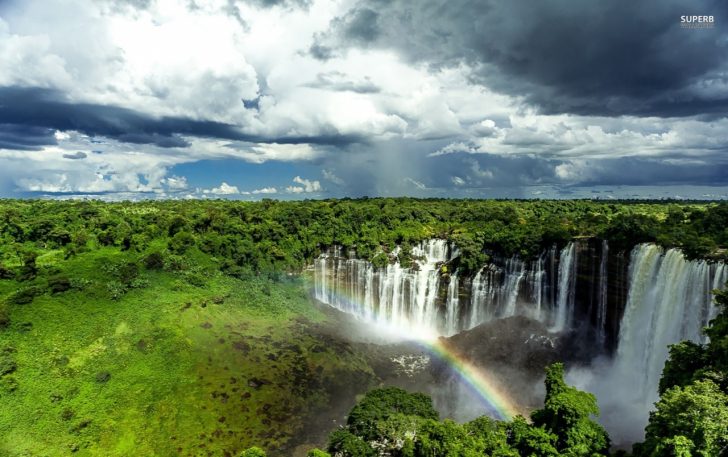
Few countries spark as much curiosity and caution as Angola, a vast nation on Africa’s southwest coast with a story that explains both its challenges and its appeal.
Once a Portuguese colony, Angola endured a 27-year civil war after independence in 1975, leaving infrastructure damaged and the tourism industry nonexistent.
Only in recent years has stability allowed the government to launch an official tourism body, the Instituto de Fomento do Turismo (INFOTUR), still in its infancy and struggling to provide reliable information.
Despite the risks, Angola tempts adventurous travelers with rewards that are difficult to match elsewhere.
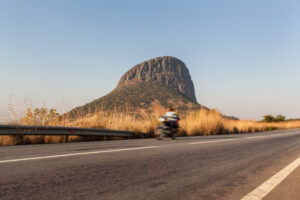
Its landscapes stretch from Atlantic beaches to the stark Namibe Desert and the green highlands around Lubango.
Wildlife parks like Kissama offer glimpses of elephants and antelope, while Kalandula Falls rivals Africa’s most famous cascades.
Cultural stops, along with a blossoming food scene, will draw visitors across the country, adding another layer of discovery.
For those willing to prepare carefully and accept higher levels of risk, Angola represents a frontier destination that is raw, complex, and rarely seen by outsiders.
Warnings & Dangers in Angola

OVERALL RISK: MEDIUM
Angola comes with a medium risk level for travelers. While the potential for a robust tourism industry is there, crime, poor infrastructure, and limited healthcare raise safety concerns. It might be another decade or so before this country gets a better safety rating.

TRANSPORT & TAXIS RISK: HIGH
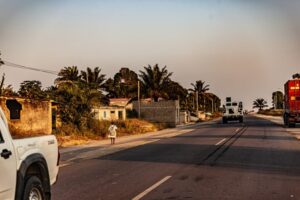
Transport risks are high. Roads outside cities may still contain landmines, and driving standards are poor. Public transport is unsafe, unreliable, or nonexistent. Travelers should avoid informal taxis and only use hotel-recommended or pre-arranged drivers. Even within Luanda, traffic jams create opportunities for carjackings and theft from stopped vehicles.

PICKPOCKETS RISK: HIGH
This is a high risk. Pickpocketing and petty theft are common in crowded markets, bus stations, and outside Luanda’s airport. Thieves often work in groups to distract targets. Even in seemingly calm places, opportunistic theft remains a concern for visitors.

NATURAL DISASTERS RISK: MEDIUM
Natural disaster risk in Angola is moderate. Seasonal flooding, especially during the rainy season (October–April), can wash out roads and worsen landmine dangers. Droughts also occur, impacting rural infrastructure. Earthquakes and major storms are rare, but travelers should prepare for heavy rain and disruption to transport or essential services.

MUGGING RISK: HIGH
Muggings and armed robberies are a serious issue in Luanda and other urban areas, particularly at night. Criminals often target foreigners, assuming they carry cash. Risk increases in poorly lit streets, isolated areas, or when using unlicensed taxis. Travelers should move in groups when possible and avoid walking after dark.

TERRORISM RISK: LOW
International terrorism isn't a major concern, but that's mostly because the civil unrest within the country can be the bigger problem. While separatist groups in Cabinda have carried out sporadic attacks, these rarely affect tourists. Stay away from demonstrations and don't speak negatively about the government, even on social media posts.

SCAMS RISK: MEDIUM
Scams in Angola range from romance schemes to fake police fines and inflated taxi fares. Unofficial guides may overcharge or lead travelers into unsafe areas. Online scams also target foreigners long before arrival. Without a tourism organization, it's hard to hold scammers accountable. Due diligence and skepticism are important when planning a trip here.

WOMEN TRAVELERS RISK: MEDIUM
Women travelers face a medium risk. Harassment can occur in cities, and traveling alone at night is unsafe. Assaults are less common than theft but remain a concern. Conservative dress helps avoid unwanted attention. Solo female travelers should rely on reputable accommodations, pre-arranged transport, and avoid isolation for greater safety.

TAP WATER RISK: MEDIUM
Tap water in Angola is unsafe to drink, even in Luanda. Waterborne illnesses like cholera and hepatitis A are present, and outbreaks still occur. Bottled or boiled water is the safest choice. Travelers should also avoid ice, raw foods washed in tap water, and brushing their teeth with tap water. Stick with bottled water, even for oral hygiene.
Safest Places to Visit in Angola
There is an official tourism agency in Angola called “Instituto de Fomento do Turismo” (INFOTUR).
However, it’s a new agency.
As of September 2025, its website (visit-angola.ao) isn’t working.
Try to see if it’s working as you get closer to your trip.
Beyond that, some tourism websites, such as www.pa-angola-tourism.com, can help guide you.
However, keep in mind that the tourism infrastructure is limited to non-existent.
Even the U.S. travel advisory states, “No formal tourism industry infrastructure is in place on any level.
Tourists are considered to be participating in activities at their own risk.”
With that said, all places in this “safest place to visit” should be taken with a grain of salt.
Highlights include the Kissama National Park, one of Angola’s most accessible wildlife areas with elephants, antelope, and guided safaris.
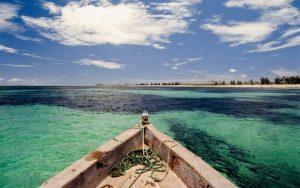
The coastal city of Benguela offers colonial architecture and access to Baía Azul, a popular beach.
Lubango is home to the Christ the King statue and scenic views over the Tundavala Gap.
The Namibe Desert showcases dramatic dunes and Welwitschia plants found nowhere else.
For culture, the Museum of Slavery in Luanda provides important historical context.
Angola also has unique waterfalls like Kalandula, often compared to Victoria Falls, though facilities are minimal.
Places to Avoid in Angola
Government advisories flag Cabinda, Lunda Norte, and Lunda Sul as Level 3: Avoid non-essential travel due to civil unrest and violent crime.
Not only is there risky activity in these locations, but your embassy likely won’t be able to help you if you get into trouble or a dangerous spot.
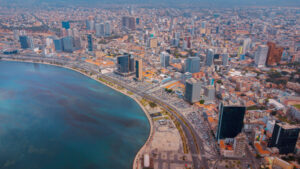
Luanda, while the main entry point, reports frequent and sometimes violent crime, including at the airport and tourist spots.
Even just sitting in traffic can make you a mark.
Some common safety advice for Angola includes:
- Stay alert in heavy traffic where criminals may target stopped vehicles. Even just looking at your phone can signal wealth.
- Keep valuables out of sight; carjackings and thefts from vehicles are common.
- Use hotel-recommended taxis or drivers rather than hailing cars on the street.
- Limit travel outside cities unless with a guide and on safe routes.
- Women should avoid walking or driving alone.
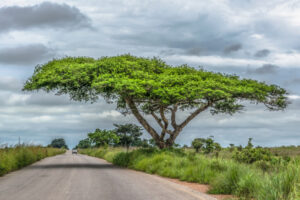
Outside major cities, roads can be hazardous because of lingering landmines from the country’s long civil war.
Safety Tips for Traveling to Angola
- The National Police of Angola handles law enforcement, but response times may be slow, and English is rarely spoken. In Luanda, you can dial 113 for police, 115 for fire, or 116 for ambulance services. It’s wise to have your hotel’s emergency contacts handy since staff often have faster ways of reaching trusted help.
- Angola doesn’t have a nationwide public alert system in English, so travelers should sign up with their embassy’s notification service before arrival. The U.S. STEP program, Canada’s Registration of Canadians Abroad, and similar services from other governments provide text or email alerts about security events, health concerns, or natural disasters.
- Foreign nationals can legally drive in Angola with an International Driving Permit (IDP) alongside their home license. Car rental agencies may also request proof of insurance. Driving conditions can be challenging. Expect poor roads, erratic traffic, and minimal lighting at night. Many choose to hire local drivers or use reputable transport services.
- Proof of yellow fever vaccination is required for entry into Angola. Travelers are also strongly encouraged to be up-to-date on routine shots and to consider vaccines for typhoid, hepatitis A and B, and rabies, depending on travel plans. Malaria prevention is essential, as transmission is high nationwide, and reliable medical treatment can be limited outside Luanda.
- Portuguese is Angola’s official language, and it’s what you’ll hear in government offices, signage, and daily life. English is not widely spoken, even in Luanda, though younger Angolans and some hotel staff may understand basic phrases.
- Though Angola has made huge strides in clearing landmines after decades of civil war, unexploded ordnance still exists in rural areas, especially in Cuando Cubango, Moxico, and the Lundas. Travelers should stay on paved roads, avoid wandering off marked paths, and follow local guidance. Tourist sites are generally cleared and safe, but caution is essential in remote regions.
- Protests and political gatherings can erupt quickly in Angola, especially in Luanda. Even peaceful demonstrations may turn violent without warning due to clashes with police or opportunistic crime. Foreigners should avoid crowds, steer clear of government buildings during tense times, and monitor embassy advisories.
- Police checkpoints are common in Angola, and officers may request proof of identity. Carrying your actual passport at all times is risky due to theft. Instead, bring a certified copy of your passport and visa page, and keep originals locked in a safe place.
- Online and in person, romance scams are a problem in Angola. Scammers often target foreigners, building trust before requesting money for emergencies, visas, or travel. These schemes can be emotionally and financially devastating. If you’re approached with sudden declarations of love or urgent requests for cash, treat it as a red flag.
- Angola enforces strict rules on photography and GPS use around government facilities, military areas, airports, and even bridges. Taking photos without permission can result in arrest or confiscation of equipment. It’s also considered rude and intrusive to photograph people without explicit consent.
So... How Safe Is Angola Really?
No matter how you look at it, there are inherent risks in Angola that won’t go away overnight.
To start with, we’ll look at government advisory levels.
The US, Canada, and Australia rank Angola as a whole at Level 2: Exercise Increased Precautions.
This is due to a variety of risks, including crime, landmines, and civil unrest.
Cabinda, Lunda Norte, and Lunda Sul come with an elevated Level 3: Avoid non-essential travel risks.
However, these aren’t regions you’ll stumble into by accident.
They’re remote and sit well outside the country’s main tourist circuits.
Then, there’s the lack of tourism infrastructure.
While it’s a good sign that a government agency overseeing tourism is being implemented, it will be a while before that brings more reassurance than risk factors.
Even if you manage to get away from the crime, higher-risk areas, and lack of tourist help, you still have to deal with the unique local laws and etiquette that can easily turn an honest mistake into a nightmare.
Plus, health services are nothing compared to what you’re used to at home.
Experienced travels might like the sense of adventure Angola offers, but you’ll need to keep your head on a swivel and use an abundance of caution day and night.
How Does Angola Compare?
| Country | Safety Index |
|---|---|
 Angola Angola | 48 |
 Maldives Maldives | 46 |
 Malawi Malawi | 53 |
 China China | 66 |
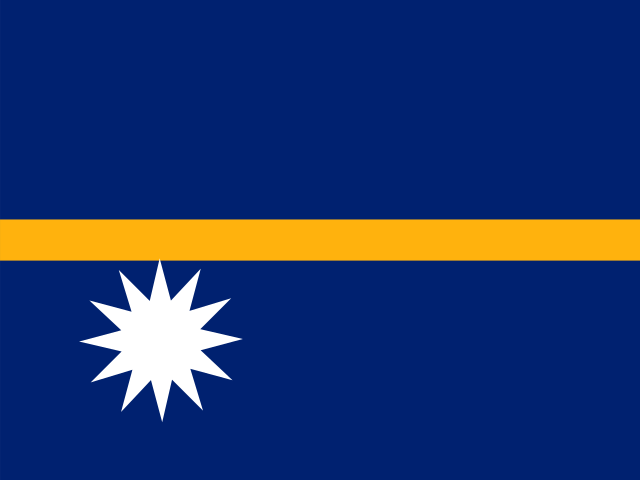 Nauru Nauru | 80 |
 Panama Panama | 65 |
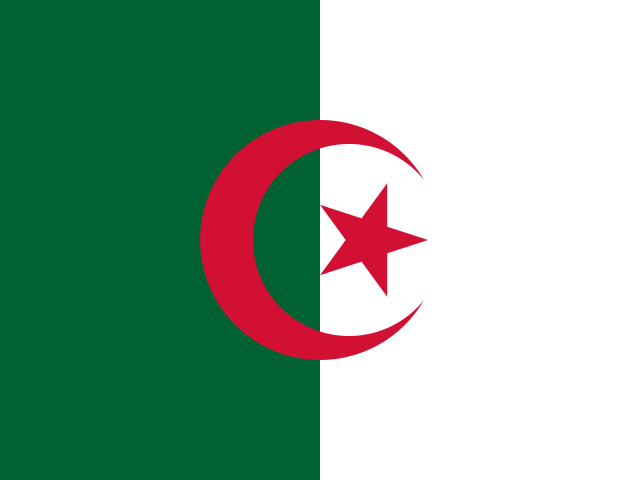 Algeria Algeria | 44 |
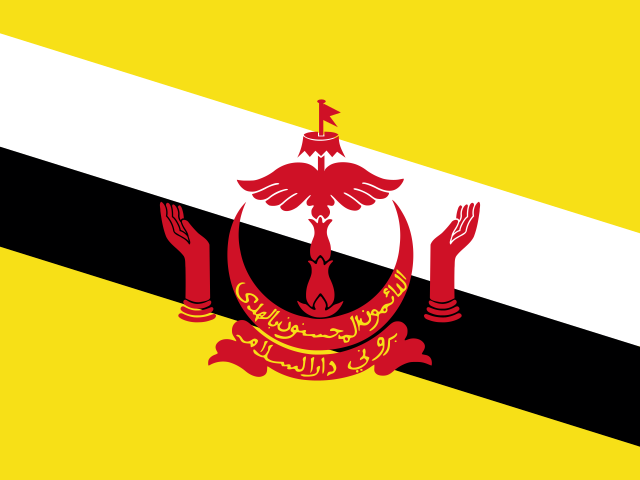 Brunei Brunei | 80 |
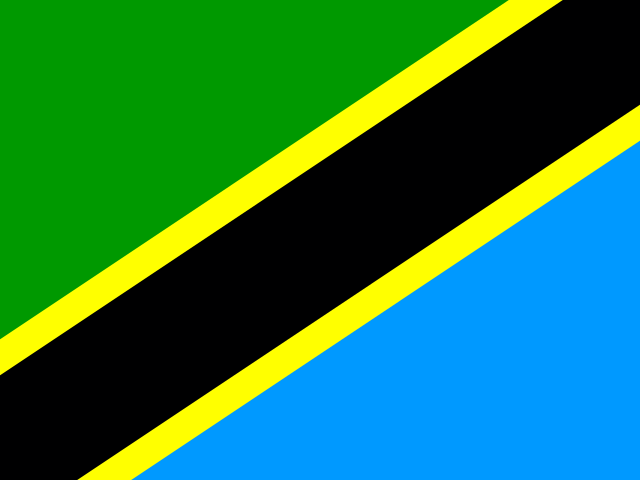 Tanzania Tanzania | 59 |
Useful Information

Visas
Angola has waived tourist visa requirements for citizens of nearly 100 countries, allowing stays of up to 30 days per visit and 90 days per year. Travelers should still confirm their eligibility before departure, as the exemption applies mainly to short tourist visits. Longer stays or business travel usually require a visa.

Currency
Angola uses the kwanza (AOA). U.S. dollars and euros are sometimes accepted in larger hotels, but cash in local currency is essential for daily purchases. ATMs in major cities can be unreliable, run out of cash, or have low limits each day. Credit cards aren’t widely accepted outside Luanda, so it’s smart to carry enough cash.

Weather
Angola has two main seasons: a cool, dry period from May to September and a hot, rainy season from October to April. Coastal areas stay warm year-round, while the interior can see bigger temperature swings. Travelers should plan around the wet season, when roads often become difficult or impassable.

Airports
Luanda’s Quatro de Fevereiro International Airport is the main gateway to Angola. It handles most international arrivals, though a new airport under construction is set to expand capacity. Domestic flights connect Luanda with provincial capitals.

Travel Insurance
Travel insurance is strongly recommended for Angola, covering health, accidents, and evacuation if necessary. Local healthcare is limited, especially outside Luanda, so policies that cover medical evacuation to another country are wise. You might also want to consider adventure insurance if you plan on doing high-risk activities.
Angola Weather Averages (Temperatures)
Average High/Low Temperature
| Temperature / Month | Jan | Feb | Mar | Apr | May | Jun | Jul | Aug | Sep | Oct | Nov | Dec |
|---|---|---|---|---|---|---|---|---|---|---|---|---|
| High °C |
29 | 30 | 30 | 28 | 27 | 26 | 26 | 27 | 28 | 30 | 30 | 30 |
| Low °C |
24 | 25 | 25 | 24 | 23 | 22 | 21 | 22 | 23 | 24 | 24 | 25 |
| High °F |
84 | 86 | 86 | 82 | 81 | 79 | 79 | 81 | 82 | 86 | 86 | 86 |
| Low °F |
75 | 77 | 77 | 75 | 73 | 72 | 70 | 72 | 73 | 75 | 75 | 77 |
Angola - Safety by City
| City | Safety Index |
|---|---|
| Benguela | 53 |
| Huambo | 49 |
| Lobito | 52 |
| Luanda | 35 |
| Lubango | 55 |
| Malanje | 47 |
| Namibe | 56 |
| Soyo | 42 |
| Sumbe | 46 |












is this article based on your opinion or hearsay? basically the worst review i have seen .. this review basically reiterates my experience in calabasas. the irony right. yes .. take this shit down.
educate yourself. x2
Avoid if you are a single white woman
This is a risky country for tourists. Especially for white women.
THIS IS A LIE!
ANGOLA IS ULTRA UNSAFE REMOVE THIS USELESS JUNK!
is angola ULTRA UNSAFE? I WANT TO VIST IM WORRIED
Yes.
It’s hard to shake the feeling that there’s something truly special waiting to be uncovered in Angola, but you can’t help but wonder about the stories that still linger in its landscapes.
Angola feels like a hidden gem just waiting to be explored, and seeing those incredible Kalandula Falls in person was seriously breathtaking!
I guess if you’ve ever wanted to have a wild adventure with a side of uncertainty, Angola is the place to be. Who wouldn’t want to chase elephants while wondering if the tourism info you got is even legit? Sounds like a thrill!
Angola has this wild beauty that feels like a secret waiting to be uncovered, and standing by Kalandula Falls, I couldn’t help but feel a mix of awe and gratitude for being somewhere so untouched by the usual tourist trails.
Angola sounds intriguing, but I can’t shake the feeling that all that beauty comes with a lot of hidden challenges. It’s hard to trust a new tourism effort when the history is so rough, and I wonder how safe it really feels for visitors.
Not sure how I feel about visiting a place that’s still figuring things out, but those landscapes do look incredible.
Angola feels like an untouched gem, and every corner reveals something wild and breathtaking that just makes you appreciate the beauty of going off the beaten path.
What was it like navigating the local food scene given the challenges, and did you find any hidden gems that surprised you?
Spent a sweaty afternoon at Kalandula Falls and even after the long drive back I keep grinning whenever I think about that thunderous wall of water.
Had to laugh at myself when I walked straight into the cool spray from Kalandula Falls after a dusty drive and forgot all about the rough road.
The green highlands around Lubango are genuinely stunning, but I still get a bit nervous hitting the patchy roads and only go when I can spare extra time for surprises.
Spray soaked my shoes at Kalandula Falls and I couldn’t stop chuckling at how tiny my worries felt next to that roar.
Yeah, nothing like trying to spot elephants while wondering if your phone’s GPS is actually working or if you’re just lost in the middle of nowhere with zero bar.
Have you found any spots where the local food really stood out during your trip?
Have you noticed if the new tourism info from INFOTUR actually helps when you’re planning a trip or is it still mostly confusing? I went to Kissama and seeing the elephants up close was unreal but getting reliable details beforehand was tough.
Did you find the travel info from INFOTUR actually helpful, or is it still a bit of a wild goose chase out there?
Never thought I’d see elephants so close while feeling that mix of excitement and unease, but Angola’s just got this wild, unpredictable vibe that sticks with you.
I ventured into Angola last year and while the scenery was definitely something else, getting reliable info was a real headache and made the whole trip way more stressful than it should’ve been.