


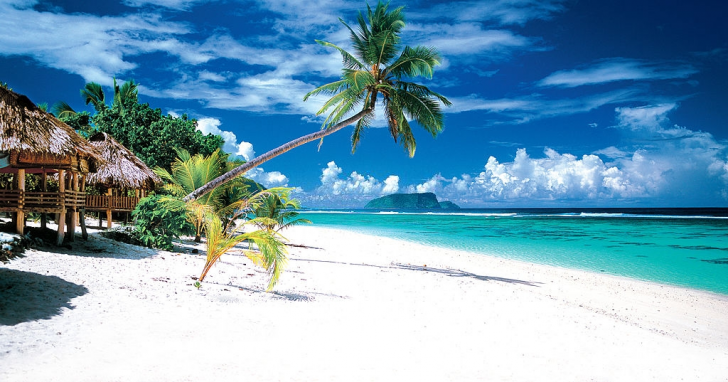
Samoa offers tropical scenery, strong local culture, and far fewer crowds than most Pacific island destinations.
This is a sovereign island nation in the South Pacific, and it is not the same place as American Samoa.
They share culture, language, and history, but they are politically separate, with Samoa operating as its own independent country.
Samoa’s story runs deep.
The islands were settled more than 3,000 years ago by Polynesian navigators, long before European contact.
In the late 1800s, colonial powers carved up the region, and Samoa was eventually administered by Germany and later New Zealand.
Independence came in 1962, making Samoa the first Pacific island nation to regain sovereignty in the modern era.
Traditional village life, or fa’a Samoa, still shapes daily culture, from community leadership to land ownership and family structure.
Roughly 150,000 people visit each year, drawn by a mix of natural beauty and cultural authenticity.
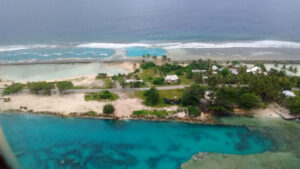
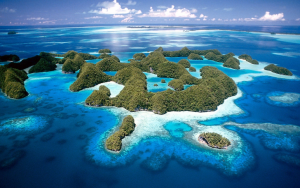
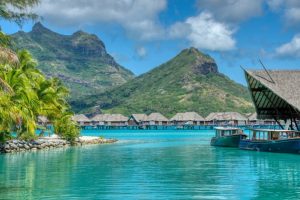
Waterfalls spill into swimming holes, volcanic landscapes rise behind palm-lined beaches, and coral reefs make snorkeling and diving easy to access.
But what really sets Samoa apart is the rhythm of life.
Even in the capital, Apia, things move with intention rather than urgency.
Travelers come for the scenery, the warmth of local hospitality, the food, the village stays, and the feeling that this place has not been overpolished for tourism.
There is plenty to enjoy here, and a few practical things worth knowing before you pack your bags for the long flight.
Warnings & Dangers in Samoa

OVERALL RISK: LOW
Samoa has a low overall risk, with low crime rates and a culture that welcomes those who respect tradition. We also need to talk about some unique risks (if you don't know what a blowhole is, you will soon!).

TRANSPORT & TAXIS RISK: LOW
Transportation risk in Samoa is generally low, but it is not carefree. Main roads are paved and usable, while rural routes can be rough, narrow, and flood in heavy rain. Taxis are common, buses are unreliable, and rentals have limited roadside help. Also note, reaching American Samoa requires a separate flight or ferry.

PICKPOCKETS RISK: LOW
The pickpocketing risk is low, but it is one of the most common crimes that happens here. Keep your guard up around the nightlife areas of Apia. Keep valuables hidden and don't display signs of wealth.

NATURAL DISASTERS RISK: MEDIUM
Samoa’s natural disaster risk sits in the middle range. It lies along the Pacific “Ring of Fire,” so earthquakes and rare tsunamis are part of the reality. From November through April, heavy rain, strong winds, and occasional landslides can disrupt travel. Not constant danger, but something to plan around.

MUGGING RISK: LOW
This is a low risk, but it's not unheard of. Read travel advisories for the most up-to-date information. Again, the nightlife of Apia is where most trouble brews.

TERRORISM RISK: LOW
Samoa is considered low risk for terrorism, and there is no history of extremist activity targeting travelers. The only thing to be aware of is that small political demonstrations or labor protests can happen, usually in Apia. They are typically peaceful and locally focused. If you come across one, just give it space and move on.

SCAMS RISK: LOW
Scam risk in Samoa is low, especially compared to many destinations. Most issues are minor, like occasional overcharging, unlicensed taxis, or inflated prices for tours aimed at visitors. Use licensed taxis, book activities through reputable operators, and confirm prices up front. Common sense goes a long way here.

WOMEN TRAVELERS RISK: LOW
Women travelers generally find Samoa low risk, with low violent crime and a strong community culture. The main concerns are unwanted attention and limited lighting or transport at night, especially outside Apia. Dress modestly in villages, avoid isolated areas after dark, and use licensed taxis or hotel transport. The bigger issue is infrastructure, not personal safety.

TAP WATER RISK: MEDIUM
Tap water in Samoa is usually treated, but it is not always traveler-proof. Treat this as a medium risk. Heavy rain can affect quality, and pipes in rural areas are inconsistent. Many visitors are fine, but stomachs on vacation tend to be less forgiving. For drinking, brushing teeth, and ice, bottled or filtered water is the smarter, stress-free option.
Safest Places to Visit in Samoa
The Samoa Tourism Authority runs the website samao.travel.
Use this as your official guide to things to do and places to see in Samoa.
If you’re looking to include American Samoa in your itinerary, that website is www.visitamericansamoa.org.
Plan a trip to Samoa, looking at three regions: Upolu, Savai‘i, and the surrounding water.
Upolu is where most visitors start.
Apia has markets, the Robert Louis Stevenson Museum, and easy access to cultural sites and dining.
Along the south coast, you will find To-Sua Ocean Trench, a dramatic natural swimming hole, plus waterfalls like Papase‘ea Sliding Rocks and Togitogiga.
Beach areas such as Lalomanu and Aganoa offer snorkeling, swimming, and simple seaside stays.
Savai‘i, the larger and quieter island, is about landscapes and space.
Volcanic fields near Saleaula show where past eruptions reshaped villages.
Afu Aau Waterfall and Pa Sopo‘ia Falls are highlights for swimming.
Coastal blowholes at Alofaaga shoot seawater high into the air during rough surf.
Savai‘i is also where you go for long coastal drives, village visits, and a slower pace.
For outdoor activities, Samoa is strong on snorkeling, diving, and lagoon swimming, with reefs accessible from shore in many places.
Hiking in the interior leads to waterfalls and viewpoints, while guided walks help navigate private land and village areas.
Surfing is possible on the south coast for experienced riders.
Cultural experiences matter here.
Village visits, traditional fiafia nights, and Sunday church services offer insight into daily life under fa‘a Samoa.
History fans can explore colonial sites, WWII relics, and local museums.
Places to Avoid in Samoa
Samoa does not have “bad neighborhoods” in the way many destinations do.
Violent crime is rare, and most areas are safe when you use basic common sense.
What you should avoid is assuming every scenic spot is automatically safe just because it looks inviting.
Coastal blowholes, for example, are powerful and unpredictable.
Waves force water through narrow rock channels, and people have been knocked over or pulled in when they stand too close for photos.
The same logic applies to rough coastlines, cliffs, and remote swimming areas.
Strong currents, sharp coral, and sudden changes in weather make some spots risky, especially without local guidance.
Inland, unmarked trails and private village land should not be entered without permission or a guide.
After dark, avoid poorly lit rural roads and isolated beach areas, not because they are dangerous in a criminal sense, but because help is limited if something goes wrong.
Samoa is safe, but it rewards awareness.
Also, avoid eating reef fish due to the potential for food poisoning called Ciguatera.
This toxic algae can lead to serious GI distress and numbness in your appendages.
Safety Tips for Traveling to Samoa
- Policing in Samoa is handled by the Samoa Police Service. For emergencies, dial 995. Officers are approachable and community-oriented, but resources are limited outside Apia. Save your hotel’s number, keep a copy of your passport, and remember that serious medical situations may require transfer off-island. Help is there, just not on big-city timelines.
- Samoa does not use a national text-alert system for visitors. For storms, earthquakes, or major disruptions, follow local radio, your hotel, and official government updates. During cyclone season, conditions can change fast. The best strategy is simple: check the forecast daily, ask locals what they are hearing, and be willing to adjust plans without stressing about it.
- Visitors must obtain a local Samoan driver’s permit, which can be issued in Apia with their home license. Driving is on the left. Roads range from paved highways to narrow rural routes with limited lighting. Animals, pedestrians, and sudden potholes are common.
- No special vaccines are required for entry, but routine immunizations should be current. Mosquito-borne illnesses exist, so pack repellent and lightweight coverage. You can check the CDC’s website to get the most accurate and updated information.
- Samoan and English are both official languages, and English is widely spoken in tourism, government, and business. You will not struggle to communicate. That said, villages value respect and formality. A friendly tone, modest dress, and asking permission before entering private land go a long way.
- Stray dogs are common in both urban and rural areas. Most are not aggressive, but bites and disease are real risks. Do not approach, feed, or try to pet them, even if they seem calm. If a dog follows you, stay calm and keep moving.
- Ferries between islands are widely used, but safety standards vary. Some vessels are overloaded, and passengers are sometimes carried on automobile decks. For your own safety, ride only in designated passenger areas and avoid vehicle decks entirely. Follow crew instructions and keep an eye on weather conditions. Sea travel is normal here, but it rewards awareness and patience.
- Samoa enforces strict import and export rules. Firearms, fresh produce, honey, animals, and some food items can be confiscated or fined if undeclared. Do not assume something allowed at home is fine here. Declare everything honestly.
- Same-sex relationships are criminalized under Samoan law, with potential prison penalties, and there is no legal recognition of same-sex marriage or anti-discrimination protection. Enforcement against travelers is rare, but public attitudes remain conservative. LGBTQ+ visitors should be discreet, especially outside Apia and in villages.
- Many medications common in the U.S. are limited or unavailable in Samoa. Bring what you need, clearly labeled, and carry copies of prescriptions. Be cautious when buying medicine locally, as counterfeit or improperly stored drugs can exist. If purchasing abroad, use reputable pharmacies and medical guidance. Also note that bringing medications back into the U.S. must meet FDA and Customs rules.
So... How Safe Is Samoa Really?
Samoa gets a Level 1: Exercise Standard Precautions rating from the United States, Canada, and Australia.
That’s the lowest risk level on a four-tiered scale.
Most of the guidance here is boilerplate, like not leaving valuables in plain sight and checking weather conditions often.
The Ministry of Health directly addresses the health concerns connected to the Dengue outbreak.
The statement reads, in part, “Ongoing spraying and fumigation of hotspot areas, such as schools, hospitals, and other public areas, is being conducted.
With ongoing prevention efforts in place, tourists can rest assured that the government is taking proactive measures to prevent the spread of dengue fever.”
Beyond the standard crime risks, you’ll need adventure education in elements such as injuries from coral reef cuts, avoiding “the bends” after diving, and understanding what to do in case of a volcano or tsunami.
You’re well on your way to having a safe trip after reading this article, but always check those travel advisories for updated information.
You can also read our article about “How Safe Is American Samoa for Travel?” if you plan on making it there.
How Does Samoa Compare?
| Country | Safety Index |
|---|---|
 Samoa Samoa | 70 |
 Mauritania Mauritania | 35 |
 Rwanda Rwanda | 52 |
 Cyprus Cyprus | 75 |
 Nepal Nepal | 59 |
 Sudan Sudan | 25 |
 Vanuatu Vanuatu | 70 |
 Spain Spain | 83 |
 Qatar Qatar | 84 |
Useful Information

Visas
Most travelers can enter Samoa visa-free for up to 60 days on arrival with a valid passport, onward ticket, and proof of funds. Extensions are possible if you want to stay longer. Entry rules are straightforward, but always check before travel, especially if you are transiting through another country on the way in.

Currency
Samoa uses the Samoan tala (WST). Cash is widely used, especially outside Apia. ATMs are available in major towns, but card acceptance is inconsistent in villages and smaller hotels. Bring some cash and do not rely entirely on electronic payments. Small denominations make daily transactions much easier.

Weather
Samoa is warm and humid year-round, with temperatures usually in the 80s. The wetter, storm-prone season runs from November through April, bringing heavy rain and occasional travel disruptions. The drier months are more comfortable, but sudden showers are always possible.

Airports
Most international travelers arrive at Faleolo International Airport near Apia. Flights typically route through New Zealand, Australia, or Fiji. If you are also visiting American Samoa, note that there are no regular direct flights from Samoa, and most connections route through Honolulu rather than between the two islands.

Travel Insurance
Travel insurance is not legally required, but it is strongly recommended. Medical facilities are limited outside Apia, and serious issues may require evacuation to New Zealand or Australia. Make sure your policy covers medical care, evacuation, trip delays, and activities like snorkeling, diving, or hiking, which are common parts of a Samoa trip. An adventure insurance rider will help you mitigate most risks, even though it will cost a little more.
Samoa Weather Averages (Temperatures)
Average High/Low Temperature
| Temperature / Month | Jan | Feb | Mar | Apr | May | Jun | Jul | Aug | Sep | Oct | Nov | Dec |
|---|---|---|---|---|---|---|---|---|---|---|---|---|
| High °C |
30 | 30 | 32 | 30 | 30 | 31 | 29 | 30 | 30 | 29 | 30 | 30 |
| Low °C |
25 | 24 | 24 | 24 | 24 | 24 | 23 | 23 | 23 | 24 | 24 | 24 |
| High °F |
86 | 86 | 90 | 86 | 86 | 88 | 84 | 86 | 86 | 84 | 86 | 86 |
| Low °F |
77 | 75 | 75 | 75 | 75 | 75 | 73 | 73 | 73 | 75 | 75 | 75 |












Loved my stay!
Samoa is a lovely place. I went with a group of friends just prior to the pandemic happening. I really enjoyed my stay. We found a very highly rated and safe hotel to stay in that had some private beach area for it. I feel like you will only run into issues, as a woman, if you try to budget your trip and spend as little as possible.
This balances the peaceful beaches and warm village culture with cautions about rough roads, ocean currents, and seasonal storms. The notes on watching out for pickpockets, respecting local customs, and drinking filtered water made it feel like genuinely grounded advice rather than sugar coated hype. I could almost hear the sound of surf while reading the sensible tips before booking a flight haha
Guess it’s tough to find a crowd when you’ve got the whole place to yourself.
There’s something truly special about the way time seems to slow down in Samoa; it really lets you soak in the beauty and culture without feeling rushed. The balance of nature and tradition is just so refreshing.
The way life just flows differently in Samoa is something you don’t really appreciate until you’re there soaking it all in.
How does it feel to be surrounded by such genuine culture and not the typical tourist hustle?
Had a week there and the midday hush in Apia plus the shock of jumping into that cold waterfall pool with the smell of wet ferns still makes me feel surprisingly at peace.
Around here the dawn market in Apia smells like fresh bread and fish, and plunging into that cold waterfall pool after a walk made me grin and forget my watch.
Can’t believe how calm Apia is, I floated in a waterfall swimming hole and actually felt time slow down.
That slow Apia morning rhythm really loosened my shoulders, and jumping into a cold waterfall pool afterward had me laughing like a kid.
Weird how the whole day reshapes once you learn to wait for the afternoon rain and the church bells, the air gets damp and quiet and even a short walk turns into a proper pause.
Did that swim beneath the waterfall into the clear pool and the whole unhurried vibe actually make you want to miss your flight home too?
In Apia the noon church bell stops the streets and the hush afterward hits me right in the chest, salt still in my hair from an early swim.
I thought the vibe was chilled but honestly, the slow pace got a bit frustrating when trying to get around Apia.