


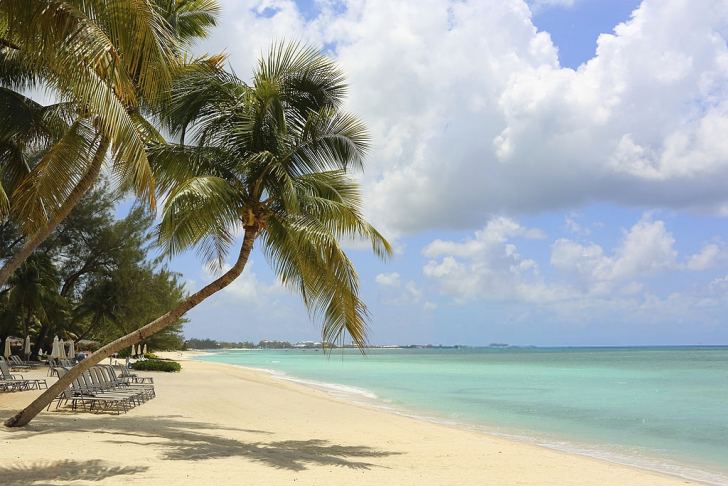
It might seem odd to tell you about a Netherlands region that’s tropical and warm, but that’s exactly what you find in Bonaire.
This small Caribbean island sits just north of Venezuela, far from Amsterdam, yet it is officially part of the Kingdom of the Netherlands.
Bonaire, along with Sint Eustatius and Saba, forms what is known as the Caribbean Netherlands.
Unlike Aruba or Curaçao, which are autonomous countries within the Kingdom, these three are special municipalities governed under Dutch law.
History here falls along the lines of colonial trade routes.
The Dutch first claimed it in the 1600s, using it for salt production and small plantations.
Over the centuries, the island passed briefly through British hands, slavery was abolished, and by the mid-1900s, it became part of the Netherlands Antilles.
When that dissolved in 2010, Bonaire shifted into its current status as a Dutch municipality.
Today, Bonaire draws travelers with protected reefs, steady trade winds, and a reputation as one of the world’s best diving destinations.
About 180,000 people visited in 2024, attracted by its mix of Caribbean ease and Dutch infrastructure, a combination that makes it both unique and reliably safe.
Also, with visitation that low, it’s delightfully uncrowded!
Warnings & Dangers in Bonaire

OVERALL RISK: LOW
The risk here is low. You'll still need basic safety precautions, but it's a generally safe area, and crime that does happen usually errs on the side of opportunistic instead of violent.

TRANSPORT & TAXIS RISK: LOW
Mark this a first for me as a travel safety writer, but you should be aware of the potential for wild donkeys on the roadways. That, mixed with rudimentary road conditions that can make driving hazardous, should keep most people away from trying to rent a car. The good news is, plenty of other transportation options exist, like taxis and minibuses that run around the clock.

PICKPOCKETS RISK: LOW
This is the biggest risk, but with basic safety precautions, it's low. Pickpocketing and car burglaries should be your two main concerns. Keep belongings out of sight in a vehicle and don't carry valuables with you.

NATURAL DISASTERS RISK: MEDIUM
Bonaire sits outside the main hurricane belt, so big storms rarely hit. Earthquakes are also uncommon. The biggest natural concern is rough seas during stormy weather, which can make diving or boating unsafe. Pay attention to local alerts, and you’ll be fine.

MUGGING RISK: LOW
Muggings, along with any type of violent crime, are rare. Again, most crimes here are due to an opportunity or an easy snatch-and-grab scenario. Still, use basic safety precautions, especially after dark, in unknown areas.

TERRORISM RISK: LOW
There isn't a history of terrorism in Bonaire, which means this is a low risk. However, vigilance is always recommended. Report suspicious activity if you see it, but this shouldn't be a concern during your trip.

SCAMS RISK: LOW
The risk is low, but I want to let you know about a specific one to watch out for. You'll have to pay a tourist tax in Bonaire, but there are fake sites set up to steal your money. Pay the official entry tax of $75 via tourismtax.bonairegov.com. You can also pay when you arrive.

WOMEN TRAVELERS RISK: LOW
The risk is low, but the Canadian travel advisory does state that "women traveling alone may be subject to some forms of harassment and verbal abuse." Again, basic precautions go a long way.

TAP WATER RISK: LOW
Tap water is checked for quality and meets WHO standards. The WEB Bonaire website details the water quality process and offers more information about the steps taken to keep water clean and monitor it continuously. The risk is low.
Safest Places to Visit in Bonaire
The Tourism Corporation Bonaire runs the website bonaireisland.com.
You’ll have plenty of information about things to do a places to see, plus details about the tourist tax and other practical FAQs.
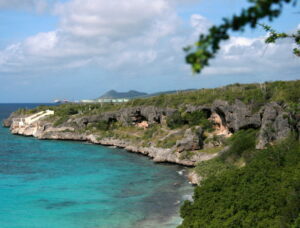
Bonaire National Marine Park is a protected underwater paradise where you can snorkel right off the shoreline or dive at world-class sites like 1000 Steps and Salt Pier.
Kiteboarders flock to Lac Bay’s shallow waters and steady trade winds, while windsurfers carve along the same stretch with sea turtles gliding beneath them.
For land-based exploring,
Washington Slagbaai National Park offers rugged driving routes, hidden coves, and panoramic views from the top of Brandaris Hill.
Flamingos gather at Pekelmeer Sanctuary, and you can spot them from roadside lookouts without disturbing their habitat.
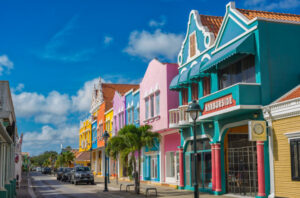
In Kralendijk, Bonaire’s laid-back capital, stroll colorful streets, grab a bite of fresh catch, and browse small boutiques or open-air markets.
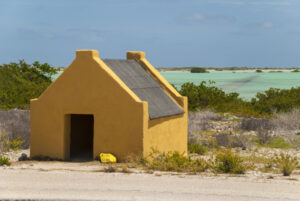
South of town, massive white salt pyramids stand against bright blue water, and the old slave huts scattered nearby give a sobering glimpse into the island’s history.
If you enjoy kayaking, the mangrove forests at Lac Bay provide calm channels full of fish and birds.
Those planning to visit the other Caribbean Netherlands islands should know that there isn’t a straightforward ferry system to get between the three.
Most people hop between Bonaire, Saba, and St. Eustatius by regional flights through carriers like Winair.
Private charters and yachts can move between the islands, but you’ll need to handle customs and immigration at each stop since they’re treated as separate jurisdictions within the Dutch Caribbean.
Places to Avoid in Bonaire
Travel freely throughout Bonaire.
There aren’t parts of the island that are too dangerous to visit or bad parts of any given town.
A few tips to help you plan the trip, however.
Avoid assuming there is a ferry between Bonaire and Venezuela, Aruba, or Curaçao.
You’ll have to fly to visit those locations, just like with the other Caribbean Netherlands islands.
Also, don’t assume the laws of Holland all apply here.
There are some specific laws, such as strict illegal drug use policies.
While Bonaire is outside the hurricane belt, you’ll still want to check your connecting flights or additional trip legs that are in the hurricane belt.
One big storm could prevent you from arriving or cancel your outbound flight between June and November.
Safety Tips for Traveling to Bonaire
- Bonaire’s police force is called Korps Politie Caribisch Nederland. They handle all tourist and local issues. There’s no separate tourist police unit, but officers speak English and are used to helping visitors. For emergencies, dial 911. Response times are generally good, especially in the main areas like Kralendijk.
- Bonaire doesn’t have a flashy app-based alert system, but you’ll hear about major events quickly through local radio, hotel staff, and social media from official channels. Follow the Bonaire Government and Bonaire Crisis Team pages before your trip.
- Most visitors can drive in Bonaire with a valid license from their home country. An international driving permit isn’t required, though it can help if your license isn’t in English or Dutch. Roads can be poorly lit, slippery when it rains, and curvy along the way.
- There are no required vaccines to enter Bonaire. Routine vaccines like measles-mumps-rubella and tetanus should be up-to-date. Hepatitis A and B vaccines are commonly recommended for frequent travelers.
- Bonaire has mosquitoes that can spread dengue, Zika, and chikungunya. While outbreaks are rare, bites can ruin a trip. Use repellent with DEET, wear light-colored, long sleeves at dusk, and keep screens or nets closed at night.
- Dutch law requires you to have valid identification on you at all times. Keep your passport in a safe place and carry a copy or another legal ID when exploring.
- Bonaire’s wild donkeys and iguanas might seem charming, but they can bite or kick when stressed. Stray dogs and cats can carry disease. Keep your distance, don’t feed them, and definitely don’t try to pet them.
- Not all rental contracts cover theft or damage in full, especially with scooters, cars, or jet skis. Read the fine print, ask questions, and consider extra coverage if it’s offered. Bonaire’s rugged terrain and limited service areas mean a mishap could get expensive without proper insurance.
- The drinking age is 18, but enforcement can be loose in some spots. Young travelers should be mindful, and parents might want to keep an extra eye on teens in mixed company. Enjoy drinks responsibly, stay with trusted friends, and remember that island nightlife is casual but not risk-free.
- Bring prescription medication in its original packaging along with your doctor’s written prescription. Some medicines allowed in the U.S. may be restricted in Bonaire under Dutch law, so check before traveling. Local pharmacies, called boticas, carry limited supplies and require a local prescription.
So... How Safe Is Bonaire Really?
Bonaire is genuinely safe.
Most major governments rate it as “Level 1 – Exercise normal precautions,” meaning it’s considered low-risk for travelers.
The U.S. State Department covers Bonaire along with Saba and St. Eustatius under a single advisory designated “Bonaire, Sint Eustatius, and Saba,” all at Level 1.
Canada treats Bonaire separately, also assigning it Level 1 status (“exercise normal security precautions”).
The U.K. Foreign Office follows suit, warning of petty theft and advising standard situational awareness.
The busy season here is from December through April, with pickpockets and scammers more likely to be active.
As noted earlier, this is more about a crime of opportunity than an inherent risk.
While you might have read articles about the surge of crime in the Caribbean in recent years, Bonaire is still ranked as one of the safest islands.
Car break-ins and pickpockets are the biggest risks.
While natural adventures like diving, snorkeling, and sailing are options, don’t try anything beyond your skill level.
You’ll find that every activity has varying levels of difficulty.
Above all, don’t let the Level 1 risk or low crime rates give you a false sense of safety.
Keep your guard up, but you’ll be pleasantly surprised at how you don’t feel the need to clutch your purse or wallet at all times.
How Does Bonaire Compare?
| Country | Safety Index |
|---|---|
 Bonaire Bonaire | 80 |
 Iraq Iraq | 14 |
 Bosnia and Herzegovina Bosnia and Herzegovina | 48 |
 Costa Rica Costa Rica | 64 |
 Gabon Gabon | 45 |
 Greenland Greenland | 80 |
 Austria Austria | 92 |
 Vanuatu Vanuatu | 70 |
 Seychelles Seychelles | 80 |
Useful Information

Visas
U.S., Canadian, and most European travelers don’t need a visa for short stays in Bonaire. You’ll just need a valid passport and proof of onward travel. Immigration is usually quick, but officials can ask for your return ticket or accommodation details, so have them ready. Longer stays require checking Dutch Caribbean entry rules.

Currency
U.S., Canadian, and most European travelers don’t need a visa for short stays in Bonaire. You’ll just need a valid passport and proof of onward travel. Immigration is usually quick, but officials can ask for your return ticket or accommodation details, so have them ready. Longer stays require checking the Dutch Caribbean entry rules.

Weather
Bonaire’s weather is warm year-round, with average highs in the 80s. Rainfall is light, though October through December sees more showers. The island sits outside the main hurricane belt, so storms are rare. Trade winds keep things breezy, making outdoor exploring comfortable, even during hotter afternoons. Also, bring reef-friendly sunscreen.

Airports
Flamingo International Airport is Bonaire’s main hub. It’s small but efficient, with direct flights from the U.S., Europe, and other Caribbean islands. Taxis are available outside, though many travelers pre-arrange hotel shuttles or rental cars.

Travel Insurance
Travel insurance is worth it in Bonaire, especially if you plan to dive, kiteboard, or explore remote areas. There can be a fine line between what regular travel insurance covers and what requires adventure insurance. In any event, make sure you have emergency evacuation coverage, just to be safe.
Bonaire Weather Averages (Temperatures)
Average High/Low Temperature
| Temperature / Month | Jan | Feb | Mar | Apr | May | Jun | Jul | Aug | Sep | Oct | Nov | Dec |
|---|---|---|---|---|---|---|---|---|---|---|---|---|
| High °C |
29 | 30 | 30 | 31 | 32 | 31 | 32 | 32 | 32 | 32 | 31 | 30 |
| Low °C |
24 | 24 | 25 | 26 | 26 | 26 | 27 | 27 | 27 | 27 | 26 | 25 |
| High °F |
84 | 86 | 86 | 88 | 90 | 88 | 90 | 90 | 90 | 90 | 88 | 86 |
| Low °F |
75 | 75 | 77 | 79 | 79 | 79 | 81 | 81 | 81 | 81 | 79 | 77 |
Bonaire - Safety by City
| City | Safety Index |
|---|---|
| Belnem | 92 |
| Hato | 90 |
| Kralendijk | 83 |
| Lac Bay | 93 |
| Sabadeco | 94 |
| Sorobon | 94 |












Dress down!
The best advice I can give to anyone who wants to travel here is the blend in as much as possible. You do not want to stick out like a sore thumb, you will end up being a target for criminals. Dress casual and cheap. Don’t flaunt expensive bags, clothing, or accessories. Leave those at the hotel in a lockbox unless you are going out to eat. Don’t do to the beach with anything valuable and you should be fine.
Wear your sunscreen
If you come from the Midwest of USA, you would want to enjoy the sailing cruise they offer here in Bonaire. We really took advantage of this opportunity and my oh my we truly enjoyed it. A lot of caves to explore too, which my nephews and nieces were thrilled to do. Do wear your sunscreen though, take care of your skin!
Loved reading about this place laid back vibe and low overall risk great for snorkelers and divers looking for peace of mind and calm waters. The safety section reminded me to lock things up and watch for wild donkeys on back roads, which felt refreshingly practical and honest.
Bonaire’s vibe is so chill, and I loved how you can dive right into those clear waters without the usual crowds. It’s like having a slice of paradise all to yourself!
Have you tried diving there yet, or do you have any favorite spots for snorkeling?
Did you find it hard to tear yourself away from those stunning reefs, or do you think you’d stay longer next time?
Never thought I’d see Dutch flags and flamingo-colored sunsets side by side, but the steady trade winds made snorkeling over the reefs unbelievably calm and the beaches blissfully uncrowded.
Funny to notice how the steady trade winds actually keep the water glass-clear and I felt strangely calm floating above the protected reef with almost no other divers around.
The underwater colors are insane, and I swear the breeze never quits, which makes wandering the island feel like a dream.
Have you found that the mix of Dutch order and Caribbean chill makes things feel super organized but still relaxing, or does it feel a bit strange at times?
Oh sure, it’s all “delightfully uncrowded” until you’re stuck behind a slow-moving tour group clogging the only trail to that supposedly pristine reef.
The breeze there has this chill vibe that just makes you wanna grab a snorkel and never stop exploring the reefs.
Does it really feel like a Dutch place when you’re there, or is it just the laws that are Dutch? I went snorkeling once and the reefs were amazing, but I wasn’t sure how “Dutch” anything around felt.
Is it really as uncrowded as they say though? I’ve been during high season and it still felt like there were quite a few boats and tourists around the reefs.