


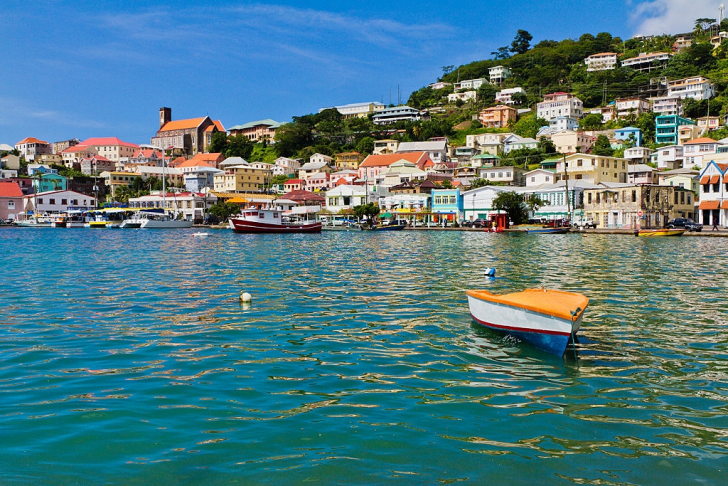
Grenada has a way of pulling people in quietly, then convincing them to stay longer than planned.
Located at the southern end of the Caribbean, the country includes three main islands: Grenada, Carriacou, and Petite Martinique.
Grenada is the largest and most developed, while Carriacou and Petite Martinique offer a slower pace and strong ties to traditional boatbuilding and fishing.
The island’s history reflects centuries of European competition and resilience.
Originally inhabited by Indigenous peoples, Grenada was later colonized by the French, then the British, before gaining independence in 1974.
That layered past still shows up in its forts, town layouts, and cultural traditions.
Roughly 500,000 visitors arrive each year by plane, yacht, or cruise ship.
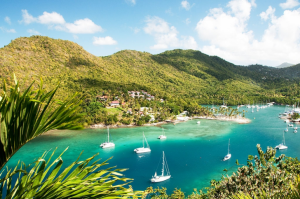
They come for beaches like Grand Anse, the lush interior rainforests, waterfalls, spice plantations, and some of the Caribbean’s best diving and snorkeling.
Grenada also appeals to travelers who want Caribbean beauty without a heavy resort feel.
You will hear the name pronounced two ways, but locals say it as Gre-nay-duh.
If you say Gren-ah-da, people will still know what you mean, but the first option is the local favorite and worth using.
Warnings & Dangers in Grenada

OVERALL RISK: LOW
The risk is low in Grenada, as it consistently ranks as one of the safest in the Caribbean. Common sense and situational awareness help most trips go smoothly.

TRANSPORT & TAXIS RISK: LOW
Most people get around Grenada by taxi, and you should confirm if a driver belongs to the Grenada Taxi Association for the safest ride. Grenada and Carriacou offer minibuses as a safe public transportation option. Rental car driving can be dicey with aggressive drivers on the street and some less-than-ideal roads. The risk is low, but the more you know, the lower it will be.

PICKPOCKETS RISK: MEDIUM
This is a medium risk, but only if you're not paying close attention. Most crimes here are petty in nature and centered around opportunities, not violence. Also, don't leave belongings unattended at the beach. If you're traveling by yacht, know that there's a risk of break-ins. Take proper precautions.

NATURAL DISASTERS RISK: MEDIUM
The island faces a medium risk during hurricane season from June through November, but you'll get plenty of advance notice of a storm approaching. Tsunamis and earthquakes are also possible. Just stay informed about weather conditions in the days leading up to your trip and during your stay.

MUGGING RISK: LOW
This is a low risk, with a slightly higher uptick in threats after dark. Stick to well-lit and well-known tourist areas. Keep displays of wealth to a minimum.

TERRORISM RISK: LOW
This is a low risk, as terrorism isn't a major concern in Grenada. None of the travel advisories I read mentions a risk or concern of terrorism, but it's always worth revisiting those advisories before planning a trip.

SCAMS RISK: LOW
This is another low risk, with opportunist crimes being the only real concern. That said, stick to tour companies and travel guides that come recommended by the tourism association.

WOMEN TRAVELERS RISK: LOW
Women face a low risk, but as with any resort destination, there's always the concern of spiked drinks or sexual assault. Travel in pairs or groups, don't go to a private place with someone you just met, and don't walk around alone at night.

TAP WATER RISK: LOW
Check with your lodging for water quality reports. Larger resorts should be okay, but many people prefer to stick with bottled water in the name of extra precaution. If you're staying in a rural area, be prepared to treat water before consuming it.
Safest Places to Visit in Grenada
The Grenada Tourism Authority (GTA) oversees the official tourism website puregrenada.com.
Since tourism standards might not be what you’re used to in your home country, official websites like this take out a lot of the guesswork.
Grenada offers a good mix of beaches, history, and outdoor adventure without feeling overbuilt.
Grand Anse Beach is the headline act, but Morne Rouge Beach, Magazine Beach, and Levera Beach are also worth your time.
St. George’s is compact and walkable, with the Carenage, Fort George, Fort Frederick, and the National Museum giving context to the island’s layered history.
Inland, the rainforest is where Grenada really shows off.
Grand Etang National Park is home to crater lakes, hiking trails, waterfalls, and frequent monkey sightings.
Annandale Falls, Concord Falls, Seven Sisters Falls, and Mt. Carmel Falls are popular stops and easy to pair together.
For spice lovers, visits to nutmeg processing stations and cocoa estates like Belmont Estate or Dougaldston Estate explain why Grenada is called the Spice Isle.
On the water, snorkeling and diving are standouts.
The Molinere Underwater Sculpture Park is one of the island’s unique attractions, best seen by snorkel or glass-bottom boat.
Sailing and catamaran cruises are common and often include multiple swim stops.
Grenada’s sister islands add another layer.
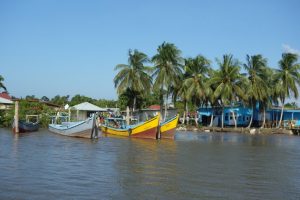
Carriacou is quieter, known for laid-back beaches, local boat-building traditions, and relaxed village life.
Petite Martinique is even smaller and ideal for travelers who want to unplug completely.
Together, the islands make Grenada easy to tailor, whether you want beach days, hikes, culture, or a bit of everything without rushing.
Places to Avoid in Grenada
Grenada does not have clearly defined no-go zones for travelers, and most visits are trouble-free.
That said, use extra caution in parts of St. George’s after dark, especially quiet streets away from the waterfront and Grand Anse area.
Avoid isolated beaches at night, limit walking alone late, and be mindful around bars when alcohol is flowing.
This is about common sense, not fear.
Crime in Grenada can tick up during major festivals, especially around Carnival in August and other large events.
Bigger crowds, late nights, and heavy drinking create more chances for pickpocketing and petty theft.
That said, visiting during the festival is one of the best times to visit for cultural enrichment.
Safety Tips for Traveling to Grenada
- Grenada’s national police force is the Royal Grenada Police Force. For emergencies, dial 911. It works much like it does in the U.S. and connects you to police, fire, or medical help. Response times are generally good in populated areas like St. George’s, with longer waits possible in rural spots. Save the number in your phone before you arrive.
- Grenada does not have a universal emergency alert app like FEMA. Your best bet is to monitor local radio stations, hotel notices, and official government social media during storms or major events. If you are a U.S. traveler, enrolling in STEP through the State Department helps you receive security updates and makes it easier for the embassy to reach you if needed.
- Foreign nationals cannot legally drive in Grenada using only a U.S. or international license. You must obtain a local Grenadian driving permit, which is easy to get through car rental agencies or police stations. Bring your valid home license and passport. Driving is on the left, roads can be narrow, and nighttime driving takes extra patience.
- There are no mandatory vaccines for travelers entering Grenada from the U.S. Routine vaccinations should be up-to-date, including MMR and tetanus. Hepatitis A and B are commonly recommended since they protect against food and water-related exposure. Mosquito-borne illnesses exist, so pack repellent and use it, especially at dusk and near beaches.
- If you travel with prescription medication, confirm it is legal in Grenada before your trip. Some drugs that are common elsewhere may have restrictions. Always keep medications in the original pharmacy packaging and carry a copy of your doctor’s prescription.
- English is the official language of Grenada, and you will have no trouble communicating. Locals may speak Grenadian Creole among themselves, which can sound fast and unfamiliar, but they switch easily to standard English with visitors. Signs, menus, official documents, and emergency services all operate in English, making travel logistics refreshingly straightforward.
- Grenada is relaxed but conservative in public spaces. Camouflage clothing is illegal for civilians, including kids. Swimwear is fine at the beach or pool, but should not be worn in towns, shops, or restaurants. Covering up with a shirt, dress, or shorts when walking around shows respect and helps you blend in without drawing attention.
- Some beaches display colored warning flags to indicate swimming conditions, but lifeguards are not consistently present. Many beaches are unmonitored, even popular ones. Pay attention to posted signs, ask locals about currents, and avoid swimming during rough conditions.
- Using foul or abusive language toward police officers can lead to arrest and prosecution in Grenada. Laws around public order are taken seriously, and behavior considered minor elsewhere may carry consequences here. The takeaway is simple. Stay polite, calm, and respectful during any interaction with authorities.
- Grenadian law criminalizes consensual same-sex sexual activity between men, with penalties of up to 10 years in prison. While prosecutions under this law are rare, it remains on the books. Social attitudes can also be conservative, and public displays of same-sex affection may attract unwanted attention. Travelers should use discretion and be mindful of local norms.
So... How Safe Is Grenada Really?
Grenada is known as one of the safest places to visit in the Caribbean.
Other countries offer travel advisories for Grenada, generally on a four-tiered scale.
One is the lowest risk, and four is the highest risk.
The United States, Canada, and Australia all rank Grenada as Level 1: Exercise Normal Precautions.
The U.S. even goes as far as to say that “U.S. citizens are not specifically targeted for crime in the Eastern Caribbean islands”.
While standard precautions against petty theft and being out after dark alone apply, the biggest risks come from the weather.
However, tropical weather will rarely catch tourists off guard.
Use extra vigilance during the hurricane season (June through November).
It’s also worth checking travel advisories to see if there’s any damage or infrastructure after the hurricane season.
Overall, standard precautions go a long way toward enjoying this eastern Caribbean nation.
How Does Grenada Compare?
| Country | Safety Index |
|---|---|
 Grenada Grenada | 80 |
 Cameroon Cameroon | 36 |
 South Africa South Africa | 48 |
 Zimbabwe Zimbabwe | 53 |
 Laos Laos | 51 |
 Tuvalu Tuvalu | 89 |
 Bonaire Bonaire | 80 |
 Serbia Serbia | 77 |
 Burundi Burundi | 30 |
Useful Information

Visas
Grenada keeps entry refreshingly simple. U.S., Canadian, U.K., and EU passport holders do not need a visa for short stays, usually up to 90 days. You will need a passport valid for at least six months and proof of onward travel.

Currency
Grenada uses the Eastern Caribbean dollar, but U.S. dollars are widely accepted. Most places will happily take either, though you may get change in EC. Credit cards work at hotels, larger restaurants, and tour operators. Cash is still king for beach bars, taxis, and smaller shops, so keep small bills handy.

Weather
Grenada stays warm year-round, with daytime temperatures typically in the low to mid-80s. Trade winds keep things comfortable, not swampy. The driest months run from January through May. Hurricane season is June through November, though Grenada sits south of the main storm track and tends to avoid the worst of it.

Airports
Most travelers fly into Maurice Bishop International Airport, located just outside St. George’s. It is small, easy to navigate, and rarely chaotic. Direct flights are available from several U.S., Canadian, and U.K. cities, depending on the season. Expect a relaxed arrival process and quick access to taxis and resort transfers.

Travel Insurance
Travel insurance is a smart move for Grenada. Look for an additional adventure insurance policy if your plans include higher-risk activities such as snorkeling, diving, or strenuous hiking. Coverage for medical care, trip delays, and lost luggage offers peace of mind on an island where specialized care may require evacuation.
Grenada Weather Averages (Temperatures)
Average High/Low Temperature
| Temperature / Month | Jan | Feb | Mar | Apr | May | Jun | Jul | Aug | Sep | Oct | Nov | Dec |
|---|---|---|---|---|---|---|---|---|---|---|---|---|
| High °C |
30 | 30 | 30 | 31 | 31 | 31 | 31 | 32 | 32 | 32 | 31 | 31 |
| Low °C |
23 | 24 | 24 | 24 | 25 | 25 | 25 | 25 | 25 | 25 | 25 | 24 |
| High °F |
86 | 86 | 86 | 88 | 88 | 88 | 88 | 90 | 90 | 90 | 88 | 88 |
| Low °F |
73 | 75 | 75 | 75 | 77 | 77 | 77 | 77 | 77 | 77 | 77 | 75 |








I love Grenada! The people are wonderful. Such an amazing island.
Would go back anytime
Having spent a full month on Grenada out of which 24 days were exclusively on water I was blown away how picture-perfect everything was. Blue water, perfect sandy beaches and amazing food.
I would like to go to Grenada in 2025.
We love Grenada, we have always felt safe, the people are so friendly and kind. We have lived here for 4 years and have fallen in love with the beaches, the restaurants, and the mountains.
I’ve been drive dreaming about Caribbean getaway, and Grenada definitely caught my eye after after this read. The tips about staying safe on beaches and avoiding sketchy spots at night were super practical now I’m even more excited to plan a visit.
Spent a week there and can’t believe how quickly the time flew by; those beaches have a way of making you forget everything else!
Guess I’ll just set up camp here because who wouldn’t want to stay longer in a place that just effortlessly seduces you with its beaches and history?
It’s interesting how people can end up staying longer than they intended; I thought I was just visiting for a week, and now I can’t imagine leaving anytime soon.
Did you notice how around here my sandals stayed gritty for days after Grand Anse and I kept itching to go back for another dusk swim?