


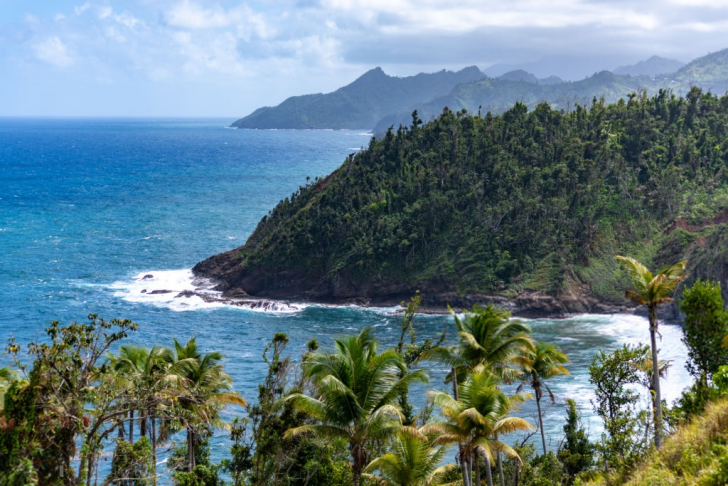
Dominica might share part of its name with the Dominican Republic, but they couldn’t be more different.
This is the Nature Isle of the Caribbean, a wild, mountainous island between Guadeloupe and Martinique where rainforests, volcanoes, and waterfalls rule the landscape.
It’s not built for mass tourism, and that’s exactly what makes it special.
Once inhabited by the Kalinago people, Dominica later became a colonial tug-of-war between the French and British before gaining independence in 1978.
You can still feel both influences in the food, language, and colorful village life scattered along the coast.
While its name rarely headlines Caribbean vacation lists, Dominica is quietly growing as an ecotourism powerhouse.
In 2024, the island welcomed nearly 84,000 overnight visitors and more than 306,000 cruise passengers, a sign that many travelers prefer to see this rugged paradise by sea.
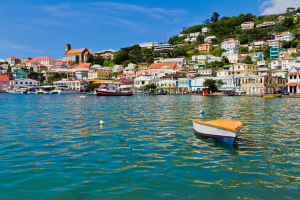
Cruise ships dock mainly in Roseau, the capital, where cobblestone streets meet mountains rising right behind the port.
Dominica’s draw goes far beyond beaches and shopping; it’s hiking, diving, and soaking in natural hot springs.
From the steaming magma-fueled Boiling Lake to the coral gardens of Champagne Reef, it’s an island that pulses with natural energy.
Even though tourism is smaller here than on neighboring islands, that’s its charm.
Dominica offers untamed beauty, quiet authenticity, and a sense of discovery that’s getting harder to find in the Caribbean.
Warnings & Dangers in Dominica

OVERALL RISK: LOW
Dominica is considered a low-risk destination. It’s one of the safer Caribbean islands, and most visitors have trouble-free trips. Use normal common sense and keep an eye on the weather since nature is the island’s biggest wildcard.

TRANSPORT & TAXIS RISK: LOW
Getting around can be an adventure. Roads are narrow, steep, and full of sharp turns. Licensed taxis are reliable, but always agree on the fare before hopping in. You can also use mini-buses to get around. Thinking of renting a car? Driving after dark isn’t smart since lighting is minimal and goats occasionally share the road.

PICKPOCKETS RISK: LOW
Petty theft happens occasionally in crowded markets or near cruise ports, but it’s not common. Keep your cash and phone secure, and don’t leave bags unattended while swimming or hiking. Most locals are friendly, but opportunists exist everywhere.

NATURAL DISASTERS RISK: MEDIUM
Dominica sits in the hurricane belt and also has volcanic activity, so landslides and flooding can happen during heavy rain. The risk is moderate, but predictable. Check forecasts before exploring remote trails or waterfalls.

MUGGING RISK: LOW
Violent crime is rare here, especially against tourists. Still, avoid isolated areas after dark and don’t flash jewelry or cash. You’ll find locals are more likely to offer directions than trouble.

TERRORISM RISK: LOW
There’s no known terrorist threat in Dominica. It’s about as low-risk as it gets, so this one’s not something to lose sleep over.

SCAMS RISK: LOW
Scams are minor but possible. You might overpay for a ride or get charged “tourist rates” at a stand. Just confirm prices first and pay attention to receipts. There's more of a risk that a vendor doesn't follow standard safety practices, so don't be afraid to ask questions!

WOMEN TRAVELERS RISK: LOW
Solo female travelers generally feel safe here, but basic precautions help. Avoid walking alone at night and be cautious in isolated areas. Locals are polite, but unwanted attention can happen, especially in bars or at festivals.

TAP WATER RISK: LOW
Tap water is safe in most hotels and towns, but it can taste earthy. In rural areas or after storms, bottled or filtered water is safer. If your stomach’s sensitive, stick with sealed bottles just to play it safe.
Safest Places to Visit in Dominica
The Dominica Ministry of Tourism runs the official travel website www.tourism.gov.dm.
Use this as a starting point for finding safety information and vetting tour guides.
Most travelers arrive by air at Douglas-Charles Airport near Marigot or by cruise ship at the Roseau port.
From there, the island’s “Nature Island” nickname starts to make sense fast.
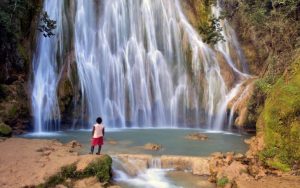
Morne Trois Pitons National Park is the main draw, home to Boiling Lake, Trafalgar Falls, and Emerald Pool.
Cabrits National Park in Portsmouth adds hiking trails and historic ruins at Fort Shirley.
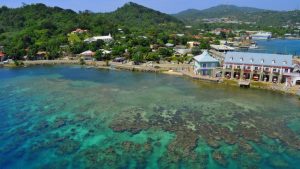
Champagne Reef is the island’s famous dive site, where volcanic vents bubble underwater.
Other favorites include Scotts Head Marine Reserve, Indian River boat tours, and Titou Gorge for cliff jumps and swimming through canyons.
The capital, Roseau, has a few cultural stops, like the Dominica Museum, Botanic Gardens, and Old Market Plaza.
Soufrière and Wotten Waven are known for their hot springs, while the Waitukubuli National Trail connects the island through multiple hiking segments.
For a quick nature fix, head to Middleham Falls or Freshwater Lake.
On the east coast, visit Castle Bruce or Kalinago Territory to learn about Dominica’s Indigenous culture.
Morne Diablotin National Park, home to Dominica’s highest peak and the rare Sisserou parrot, is a must for nature lovers.
The Syndicate Nature Trail here offers an easy walk through lush rainforest where birdwatchers often score rare sightings.
Places to Avoid in Dominica
There aren’t inherently dangerous parts of the island, at least as far as crime concerns go.
Use standard precautions and keep your guard up during large celebrations, like Carnival.
In Dominica, “off the beaten path” can turn into “completely lost” fast.
Trails are steep, rivers rise quickly, and GPS can be useless in the rainforest.
Whether you’re hiking, diving, or exploring waterfalls, go with a licensed guide who knows the terrain and can spot trouble before you do.
Check water and beach conditions before choosing a section of shoreline to visit.
Dominica’s coastline drops off quickly, and currents can get fierce even for strong swimmers.
Avoid swimming in rivers right after heavy rain.
Flash floods can hit with no warning, especially near waterfalls.
Safety Tips for Traveling to Dominica
- Dominica’s police force handles all island-wide emergencies. Call 999 for police, fire, or ambulance services. In Roseau, you can also reach the Commonwealth of Dominica Police Force at +1-767-266-5100. Save the numbers in your phone before exploring those mountain roads or hidden beaches.
- Dominica has its share of tropical weather, especially during hurricane season. Follow the Office of Disaster Management on Facebook or local radio for alerts. It’s smart to sign up with your home country’s embassy program too, since they’ll text or email updates when storms or major events hit.
- Visitors can drive with a valid license from home, but you’ll need a temporary permit, which rental companies issue on the spot for about 30 East Caribbean dollars. Driving is on the left, roads are steep and winding, and potholes come standard. Take it slow, especially in the rain.
- No vaccines are required for entry, but travel clinics recommend keeping your routine shots updated. Vaccines for hepatitis A, typhoid, and tetanus are smart if you’ll be hiking, eating street food, or exploring rural areas. Bring mosquito repellent too, since dengue occasionally pops up.
- English is the official language, so you’ll have no trouble getting around. Some locals also speak Creole, a blend of French and African influences, but everyone understands English, especially in hotels, restaurants, and markets.
- Same-sex relations remain illegal under old colonial laws, and there are no protections against discrimination based on sexual orientation. While enforcement is rare, public displays of affection between same-sex couples can draw unwanted attention. It’s best to be discreet in public spaces.
- Dominica’s beauty comes with rugged terrain and uneven infrastructure. Many sidewalks are cracked or nonexistent, and ramps are rare. Public transportation isn’t wheelchair accessible. Visitors with mobility issues should plan ahead for accommodations with ground-floor rooms and book private transport when possible.
- Never fly too soon after scuba diving due to decompression risks. Wait at least 18 to 24 hours before flying. The good news is that Dominica has a working hyperbaric chamber, but avoiding a rushed schedule is safer than testing it (and racking up huge medical bills).
- Electricity in Dominica can be unpredictable, even in Roseau. Outages can last for hours. Keep a portable charger, flashlight, and patience handy. It’s a normal part of life here, especially during stormy weather. Check scheduled outages by visiting the Dominica Electricity Services website.
- The Manchineel tree is one to avoid. Its sap, fruit, and even dripping rain from its leaves are highly toxic. Touching it can cause burns and blisters. Signs often mark them in Cabrits National Park, but when in doubt, skip any tree with shiny green apples.
So... How Safe Is Dominica Really?
Dominica has the lowest travel advisory level from the United States, Canada, and Australia.
That’s a Level 1 out of four levels.
Basically, it means to exercise standard precautions.
Now, a low risk level doesn’t mean there isn’t any risk.
Crimes of opportunity are the biggest concern, especially during busy times like the World Creole Music Festival or the annual Carnival celebration.
The bigger risks in Dominica come from the beautiful yet rugged landscape.
The focus on ecotourism means more potential risks, especially for travelers more accustomed to resorts than raw nature.
The United States details that the tourism industry isn’t regulated at a level you might expect.
This means you should only go with trusted tour guides and vendors.
The tourism department’s website or a cruise excursion list will have the most vetted options.
While island hopping is popular in nearby places like Guadalope, Martinique, or St. Lucia, we recommend you check the travel advisories for each country before planning additional stops.
How Does Dominica Compare?
| Country | Safety Index |
|---|---|
 Dominica Dominica | 80 |
 Georgia Georgia | 63 |
 Nepal Nepal | 59 |
 Mexico Mexico | 58 |
 Saint Kitts and Nevis Saint Kitts and Nevis | 70 |
 Lithuania Lithuania | 79 |
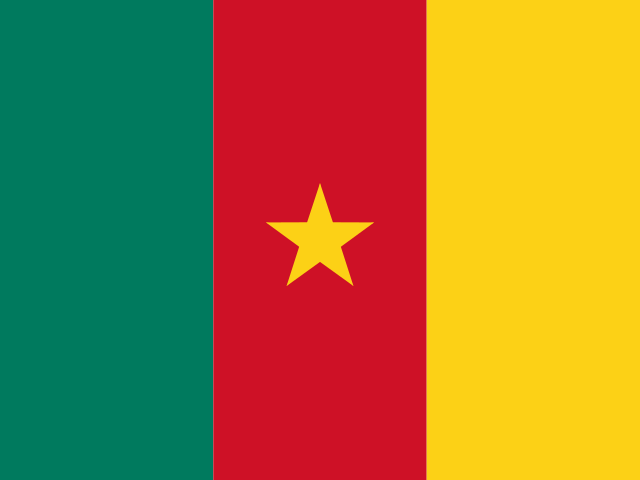 Cameroon Cameroon | 36 |
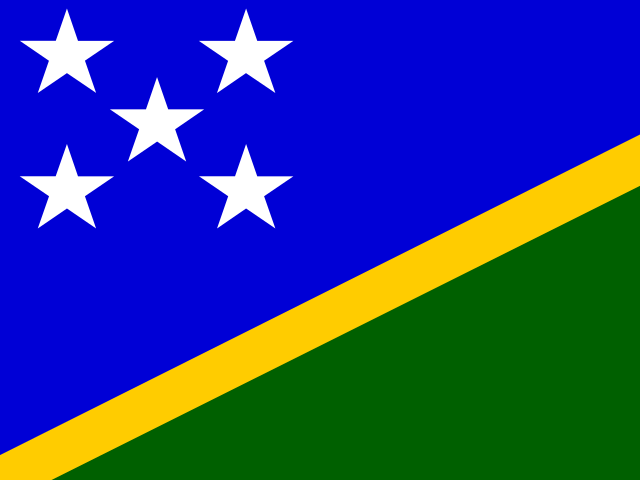 Solomon Islands Solomon Islands | 70 |
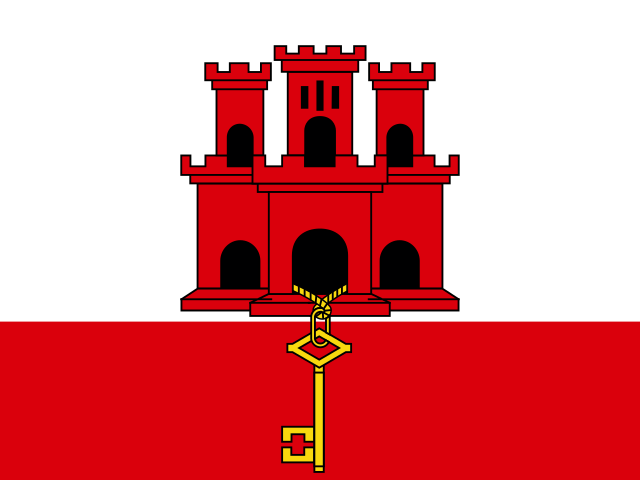 Gibraltar Gibraltar | 90 |
Useful Information

Visas
Most travelers don’t need a visa to visit Dominica for up to six months. You just need a valid passport, proof of onward travel, and a place to stay. It's worth noting that the only official website for customs declaration is edcard.dominica.gov.dm. Any other site might be a scam attempt.

Currency
Dominica uses the Eastern Caribbean Dollar (EC$), pegged at about 2.7 to one U.S. dollar. U.S. currency is widely accepted, but you’ll often get change in EC$. ATMs are easy to find in Roseau, but not so much in smaller towns, so keep some cash if you’re venturing off the beaten path.

Weather
Dominica stays warm and humid year-round, averaging in the low 80s Fahrenheit. Rain is frequent, especially from June through November during hurricane season. While major storms aren’t an annual event, the island has been hit hard in the past, so it’s smart to keep an eye on forecasts. Pack light, breathable clothes, and a rain jacket. You’ll almost certainly need both.

Airports
The main airport is Douglas-Charles (DOM) on the northeast coast, about an hour from the capital, Roseau. It handles most international arrivals via connections through Antigua, Barbados, or Saint Lucia. There’s also Canefield Airport, but it mainly serves small regional flights and private charters. Most visitors arrive in Dominica by cruise ship.

Travel Insurance
Dominica is stunningly rugged, but its healthcare and transportation systems can be limited. Travel insurance is a smart move, especially if you plan to explore the island’s trails, reefs, or remote areas. Make sure your policy includes medical evacuation coverage, since reaching off-island medical care can be tricky and expensive. Compare your planned activities with the qualifications for adventure insurance to see if you need an additional rider.
Dominica Weather Averages (Temperatures)
Average High/Low Temperature
| Temperature / Month | Jan | Feb | Mar | Apr | May | Jun | Jul | Aug | Sep | Oct | Nov | Dec |
|---|---|---|---|---|---|---|---|---|---|---|---|---|
| High °C |
30 | 30 | 31 | 31 | 32 | 32 | 32 | 32 | 32 | 32 | 32 | 31 |
| Low °C |
22 | 21 | 22 | 23 | 24 | 24 | 24 | 24 | 24 | 24 | 23 | 22 |
| High °F |
86 | 86 | 88 | 88 | 90 | 90 | 90 | 90 | 90 | 90 | 90 | 88 |
| Low °F |
72 | 70 | 72 | 73 | 75 | 75 | 75 | 75 | 75 | 75 | 73 | 72 |








Sending this to some friends who travel to Dominica
Always hot, lovely views and less known
The greatest thing about this is that it’s a lot less known than other regions which means it is less visited which means it’s a bit more private. I loved it and will be back for sure. It has beautiful views and places to visit and is very safe. Plus it’s always hot here which I particularly like.
really it was rather cold when i went
This travel safety summary for Dominica felt honest and grounded. It helped me understand real risks like rugged roads and unpredictable weather, not just crime stats. Great if you’re planning an eco-oriented trip and want calm, practical safety context.
One commented shared a personal Dominica trip tip that actually stuck with me talking about hiking trails and taxi costs really grounded the safety advice in real experience rather generic stats. Made planning my own trip feel calmer and smarter.
There’s something so refreshing about Dominica’s untouched beauty; hiking through the rainforests and stumbling upon those secluded waterfalls felt like stepping into another world.
The hiking trails here are unreal; you can really feel like you’re in a different world.
Did you get a chance to hike to Boiling Lake? I’ve heard it’s quite an adventure with some breathtaking views!
I still can’t get over how vibrant the forests are; hiking there feels like stepping into a real-life adventure movie!
I get the whole “untamed beauty” thing, but honestly, can it really compete with the beaches and resorts elsewhere?
Around Roseau the trails turn to mud fast, and after hiking to Boiling Lake with soaked shoes I felt more annoyed than amazed.
Did you feel the steam off Boiling Lake on your face and get that weird mix of awe and smallness?
Hiked to Boiling Lake and when that steam hit my face I couldn’t stop laughing at how unreal the whole place felt.
Strolling Roseau’s cobblestone streets with the mountains right behind the port and the hot sulfur tang from Boiling Lake still in my nose, I get this quiet thrill that the island has somehow kept its wildness.
Sure, if you enjoy mosquitoes as big as your hand and hikes that feel more like survival tests, Dominica’s the place to be.