


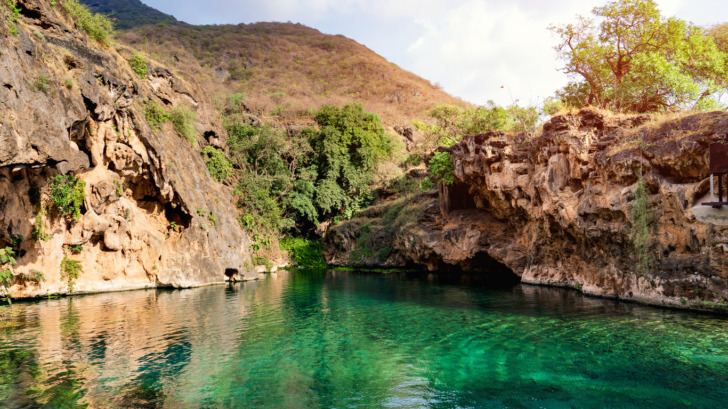
Salalah is the capital of Oman’s Dhofar region, sitting along the Arabian Sea in the far south of the country near the border with Yemen.
It is one of the most unique places in the Gulf because it does not always look like the desert image people expect.
During the khareef monsoon season, usually in summer, Salalah turns green with misty mountains, waterfalls, fog, wadis, and cooler weather.
The area is famous for frankincense, beaches, coconut stalls, archaeological sites, and dramatic coastal roads.
Salalah is generally very safe for tourists, especially compared with many destinations in the region.
Crime is low, locals are respectful, and Oman is known for being calm and orderly.
The main risks are road safety, remote areas, ocean conditions, heat, foggy mountain driving, cultural mistakes, and border-area awareness.
Warnings & Dangers in Salalah

OVERALL RISK: LOW
Salalah is a low-risk destination for most travelers. Violent crime is rare, locals are generally welcoming, and tourist areas feel calm and orderly. The main concerns are road accidents, heat, ocean conditions, remote landscapes, weather during khareef, and respecting local customs. With planning, Salalah is a very safe place to visit.

TRANSPORT & TAXIS RISK: MEDIUM
Transport is safe but requires planning. Taxis, rental cars, hotel transfers, and private drivers are common, but public transport is limited. Driving outside the city can involve mountain roads, camels, fog, rain, gravel tracks, and long distances. If visiting remote beaches, wadis, or viewpoints, use a suitable vehicle and avoid rushing.

PICKPOCKETS RISK: LOW
Pickpocketing is uncommon in Salalah. Markets, beaches, malls, and tourist sites are generally safe, but normal caution still applies. Keep phones, wallets, and bags secure in crowded areas such as Al Haffa Souq, festivals, public beaches, and busy viewpoints during khareef season. Petty theft is rare but not impossible.

NATURAL DISASTERS RISK: MEDIUM
Salalah has a medium natural risk because of heat, flash flooding, rough seas, fog, slippery mountain roads, and occasional cyclones affecting the Arabian Sea region. During khareef, rain and mist can make landscapes beautiful but roads more dangerous. Avoid wadis during heavy rain and never drive through flooded crossings.

MUGGING RISK: LOW
Mugging is very rare in Salalah. The city, hotels, souqs, beaches, and main tourist areas are generally safe during the day and evening. Still, avoid isolated areas late at night, especially remote beaches, empty roads, and poorly lit places. The bigger risk is being stranded or lost, not being attacked.

TERRORISM RISK: LOW
The terrorism risk in Salalah is low. Oman is one of the more stable and secure countries in the region. Travelers should use normal awareness in public areas and avoid sensitive border regions or restricted areas, but terrorism is not a practical concern for most visitors to Salalah.

SCAMS RISK: LOW
Scams are uncommon in Salalah. The more realistic issues are unclear taxi prices, expensive private tours, vague 4x4 trip costs, or tourist pricing at markets. Confirm prices before agreeing to transport, tours, souvenirs, and guides. Bargaining is normal in souqs, but aggressive scams are not common.

WOMEN TRAVELERS RISK: LOW
Salalah is generally safe for women travelers, including solo women, but cultural awareness is important. Dress modestly in public areas, especially away from resorts and beaches. Avoid isolated beaches alone, use trusted transport after dark, and respect local customs. Harassment is not common, but conservative behavior helps avoid unwanted attention.

TAP WATER RISK: LOW
Tap water in Salalah is generally treated, but many visitors prefer bottled water because of taste and stomach sensitivity. Bottled water is cheap and widely available. Carry extra water during beach days, mountain drives, hikes, and hot-weather sightseeing. Dehydration is a bigger concern than water safety.
Safest Places to Visit in Salalah
Al Haffa Souq
Al Haffa Souq is one of the safest and most interesting places to experience local Salalah.
It is known for frankincense, perfumes, traditional clothing, souvenirs, and local products.
The area is usually calm and friendly, especially during the day and early evening.
The main things to watch are prices, your belongings in busier periods, and cultural etiquette.
Bargain respectfully, ask before photographing people, and dress modestly.
Sultan Qaboos Mosque Area
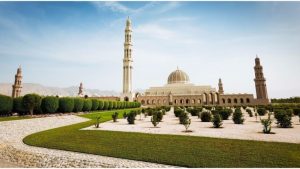
The Sultan Qaboos Mosque in Salalah is a peaceful and safe place to visit from the outside, and sometimes inside when visitor access is allowed.
The surrounding area is clean, calm, and central.
Dress respectfully, avoid loud behavior, and follow any rules posted at the mosque.
This is a good place to appreciate Omani architecture and local culture.
Al Baleed Archaeological Park
Al Baleed Archaeological Park is one of Salalah’s best cultural sites and a safe, organized attraction.
It highlights the region’s trading history and connection to frankincense.
The site is good for families, history lovers, and travelers who want more than beaches.
Visit during cooler hours, wear comfortable shoes, and bring water, especially outside khareef season.
Mughsail Beach
Mughsail Beach is one of the most famous coastal spots near Salalah, known for dramatic cliffs, white sand, blowholes, and ocean views.
It is generally safe during the day, but the sea can be rough and waves can be powerful.
Stay back from cliff edges, do not swim in dangerous conditions, and watch children near blowholes and rocks.
Wadi Darbat
Wadi Darbat is one of the most popular natural attractions near Salalah, especially during khareef when the area becomes green and full of water.
It is safe when visited during good conditions, but it can get crowded and slippery.
Avoid getting too close to fast-moving water, do not drive through flooded sections, and be careful on wet paths.
Places to Avoid in Salalah
Remote Beaches After Dark
Salalah’s remote beaches can be beautiful, but they are not ideal after dark.
The issue is less crime and more isolation, poor lighting, rough seas, lack of nearby help, and difficulty finding your way back.
Visit remote beaches during the day and leave before it gets late.
Wadis During Heavy Rain
Do not enter wadis during heavy rain or when flooding is possible.
Flash floods can happen quickly, and dry-looking areas can become dangerous.
Avoid driving through water crossings, even if locals seem to manage it.
If the weather turns bad, choose city attractions, restaurants, or hotel time instead.
Foggy Mountain Roads Without Experience
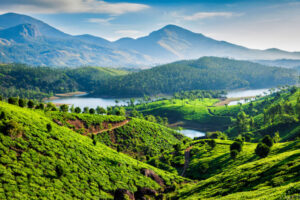
During khareef, the mountains around Salalah can become misty, wet, and foggy.
Visibility may drop suddenly, and roads can be slippery.
Avoid mountain drives at night or in heavy fog if you are not confident.
Use a local driver or organized tour for harder routes.
Restricted or Border Areas
Salalah is relatively near Yemen, but normal tourist areas are far from the main concern zones.
Still, do not wander toward restricted border areas or military zones.
Stick to known routes, signed attractions, and reputable tours.
If an area is marked restricted, take that seriously.
Unprepared Desert or Off-Road Routes
Some of the landscapes around Dhofar require proper vehicles, fuel, water, and local knowledge.
Avoid taking small rental cars onto rough tracks or remote routes.
If you want off-road views, use a reputable 4×4 driver or guide.
Getting stuck in heat or remote terrain is a bigger risk than crime.
Safety Tips for Traveling to Salalah
- Rent the right vehicle for your plans. If you only plan to stay in Salalah city and visit easy attractions, a normal car may be enough. But if you want mountain viewpoints, remote beaches, wadis, or gravel roads, consider a 4×4 or hire a local driver. Roads can change quickly with rain, fog, and rough terrain. Do not treat Dhofar like a simple city break if your plan includes remote nature.
- Avoid wadis during rain. Wadis are one of Salalah’s highlights, especially in khareef season, but they can become dangerous after heavy rain. Flash flooding can happen faster than visitors expect. Never drive through moving water, and do not stand close to fast-flowing streams or waterfalls. If conditions look uncertain, skip the wadi and come back another day.
- Dress modestly in public. Oman is welcoming but conservative. In Salalah, modest clothing is respectful and helps travelers blend in better. For men and women, shoulders and knees should generally be covered in markets, mosques, villages, and public areas. Beachwear is fine at hotel pools or appropriate beach areas, but not for walking around town or entering shops.
- Respect the ocean. The Arabian Sea can be rough, especially during certain seasons. Waves, currents, and rocky sections can be dangerous even when the beach looks inviting. Swim only where conditions look safe, avoid isolated swimming spots, and never turn your back on strong surf near rocks or blowholes. At Mughsail, keep a safe distance from blowhole areas and cliff edges.
- Carry water everywhere. Salalah can feel cooler during khareef, but dehydration is still possible, especially during walks, beach visits, mountain drives, and sightseeing. Outside khareef, heat can be intense. Always keep water in the car and carry extra for day trips. Remote areas may not have shops nearby when you need them.
- Use trusted taxis or agreed prices. Taxis are safe, but prices should be agreed before the ride if there is no meter. Ask your hotel for reliable drivers or use reputable transport options. For longer routes to Mughsail, Wadi Darbat, or mountain areas, confirm the full price, waiting time, and return plan before leaving. Clear arrangements prevent awkward surprises.
- Be careful during khareef crowds. Khareef season brings visitors from across Oman and the Gulf. Roads, viewpoints, hotels, restaurants, and natural sites can become crowded. Drive patiently, book accommodation early, and avoid rushing between attractions. Crowds are not dangerous, but they can increase traffic, parking stress, and small theft risks.
- Save offline maps. Some areas around Salalah have limited signal, especially in mountains, remote beaches, and rural routes. Download offline maps before heading out. Also save your hotel location, fuel stops, and planned attractions. Getting lost in a beautiful valley sounds romantic until the sun drops and your phone has one bar.
- Ask before photographing people. Omanis are generally friendly, but privacy matters. Always ask before photographing people, especially women, families, soldiers, police, or people in villages and markets. Avoid photographing government buildings, military sites, or restricted areas. Good manners go a long way in Salalah.
- Do not overpack the itinerary. Salalah’s attractions are spread out, and driving times can be longer than expected because of fog, traffic, road conditions, and scenic stops. Trying to see every beach, wadi, cave, viewpoint, and archaeological site in one day leads to rushing and tired driving. Plan by region and give yourself time. Salalah is best enjoyed slowly.
So... How Safe Is Salalah Really?
Salalah is very safe for travelers, especially from a crime perspective.
Violent crime is rare, locals are respectful, and the city has a calm atmosphere.
Families, couples, solo travelers, road-trippers, nature lovers, and cultural travelers can all feel comfortable here.
It is one of the easier destinations in the region for visitors who want a mix of beaches, mountains, culture, and quiet adventure.
The real safety issues are environmental and logistical.
Dhofar’s landscapes are beautiful but spread out.
Roads can be foggy, wet, steep, or remote.
Wadis can flood, beaches can have rough surf, and summer heat can be underestimated.
During khareef, the region becomes greener and cooler, but also busier and mistier.
Outside khareef, the heat and sun require more planning.
I would rate Salalah as low risk overall, with medium risk for road travel, remote nature trips, ocean conditions, and wet-season wadis.
The safest visitors respect local customs, drive carefully, avoid flooded areas, confirm transport prices, carry water, and plan nature trips with the right vehicle or guide.
Do that, and Salalah is one of the safest and most fascinating destinations in Oman.
How Does Salalah Compare?
| City | Safety Index |
|---|---|
 Salalah Salalah |
86 |
| Muscat |
85 |
 La Paz La Paz | 55 |
 Rotterdam Rotterdam | 63 |
 Pascagoula Pascagoula | 45 |
| Clifton | 73 |
| Fair Haven | 75 |
| Annapolis | 73 |
Useful Information

Visas
Salalah is in Oman. Many travelers need an eVisa or visa-on-arrival eligibility depending on nationality, while some Gulf residents and certain passport holders may have easier entry options. Rules can vary, so check requirements before traveling. Make sure your passport is valid and keep hotel and return travel details available.

Currency
Salalah uses the Omani rial. Credit and debit cards are accepted in hotels, malls, larger restaurants, and many shops, but cash is useful for souqs, small cafes, taxis, tips, and rural areas. ATMs are available in the city. The Omani rial is a strong currency, so prices may feel higher than expected.

Weather
Salalah has 2 very different travel personalities. During khareef, usually from June to September, the region becomes misty, green, and cooler than much of the Gulf. Outside khareef, it is drier, sunnier, and hotter. Pack modest light clothing, sunscreen, sunglasses, comfortable shoes, and a light layer for misty mountain areas.

Airports
Salalah is served by Salalah International Airport, located close to the city. It has domestic flights from Muscat and international connections, especially during peak travel periods. Taxis, hotel transfers, rental cars, and private drivers are available at the airport. Renting a car is useful if you plan to explore beyond the city.

Travel Insurance
Travel insurance is recommended for Salalah, especially if your trip includes flights, rental cars, mountain roads, wadis, remote beaches, prepaid hotels, or outdoor activities. Good coverage should include medical care, cancellations, theft, lost luggage, delays, rental-car issues, and emergency assistance for remote travel.
Salalah Weather Averages (Temperatures)
Average High/Low Temperature
| Temperature / Month | Jan | Feb | Mar | Apr | May | Jun | Jul | Aug | Sep | Oct | Nov | Dec |
|---|---|---|---|---|---|---|---|---|---|---|---|---|
| High °C |
26 | 27 | 30 | 31 | 33 | 33 | 29 | 28 | 29 | 31 | 31 | 28 |
| Low °C |
18 | 19 | 22 | 23 | 25 | 26 | 24 | 24 | 24 | 22 | 21 | 19 |
| High °F |
79 | 81 | 86 | 88 | 91 | 91 | 84 | 82 | 84 | 88 | 88 | 82 |
| Low °F |
64 | 66 | 72 | 73 | 77 | 79 | 75 | 75 | 75 | 72 | 70 | 66 |
Oman - Safety by City
| City | Safety Index |
|---|---|
| Muscat | 85 |
| Salalah | 86 |












Did you find the foggy mountain roads tricky to drive on during khareef or does it feel pretty manageable once you’re used to it?