


 Germany : Safety by City
- Berlin
- Bremen
- Cologne
- Dortmund
- Dresden
- Dusseldorf
- Essen
- Frankfurt
- Hamburg
- Leipzig
- Munich
- Nuremberg
- Stuttgart
- Wiesbaden
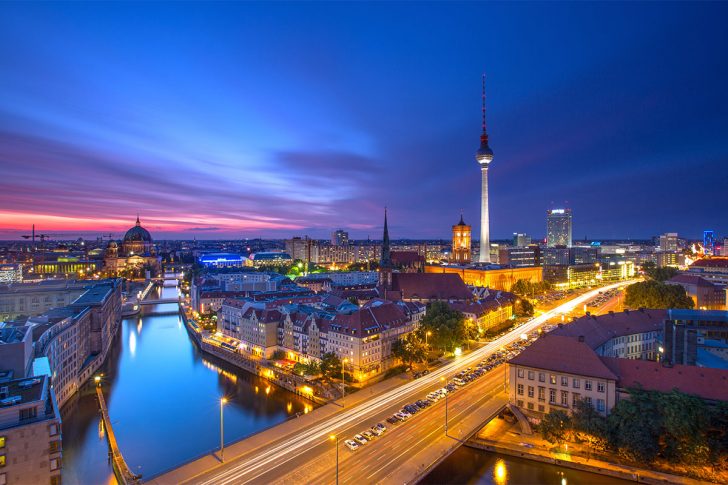
Berlin is Germany’s capital and a magnet for history lovers, culture seekers, foodies, art fans, and urban explorers.
It sits in northeastern Germany and is one of Europe’s largest and most cosmopolitan cities.
With iconic landmarks like the Brandenburg Gate, remnants of the Berlin Wall, world-class museums, and a thriving nightlife, Berlin attracts millions of visitors each year.
It’s a city where old meets new, and where historic sites sit beside cutting-edge galleries and buzzing tech hubs.
But big cities come with bigger questions about safety.
The good news is that Berlin is generally considered safe compared to many global capitals.
However, it still has its share of petty crime, nightlife risks, and situational concerns that you’ll want to understand before arriving.
Here’s what to know about the real risks for travelers, from pickpocketing to transportation and scams to natural disasters, so you can plan a safer, more confident trip to Berlin.
Warnings & Dangers in Berlin

OVERALL RISK: MEDIUM
Berlin presents a medium overall risk for travel. While violent crime is uncommon and serious incidents involving tourists are rare, petty crimes like pickpocketing and scams are common in busy public places and transportation hubs. When you visit the city, it's important to exercise caution and keep to well-lit, busy areas to increase your chances of enjoying a trouble-free stay.

TRANSPORT & TAXIS RISK: MEDIUM
Berlin's public transportation system, including the U-Bahn, S-Bahn, trams, and buses, is extensive and efficient, making it convenient to move around the city. However, crowded trains and platforms provide opportunities for pickpockets to operate, and it's important to keep your valuables safe and secure as you navigate public transport. Taxi services and ride-hailing apps are available and generally safe, but it's best to ensure they have official identification and keep an eye on the meter usage with traditional taxis. In short, don't get into a car that you're not sure is a legitimate taxi or rideshare vehicle.

PICKPOCKETS RISK: HIGH
Pickpocketing in Berlin is a high risk for travelers, especially in concentrated tourist zones where people may bump into you or jostle you as they walk past. Busy areas like Alexanderplatz, Kurfürstendamm, major rail stations, and crowds around landmarks attract thieves who use distraction techniques to snatch wallets and phones, so keeping all your valuables secure and out of sight is critical. While that's not a guarantee you won't be targeted, it can definitely reduce your risk.

NATURAL DISASTERS RISK: LOW
Berlin faces a low risk from natural disasters. Severe weather events are uncommon, and the city's infrastructure is well developed to handle typical European weather patterns. You won't need special precautions beyond normal travel planning, but it's still important to check the weather before your trip, so you know what to pack and if there's an increased risk of storms or other weather events during your visit.

MUGGING RISK: MEDIUM
Muggings are not frequent in Berlin, and violent crime against tourists is rare. With that in mind, though, isolated incidents can occur in quieter areas late at night or near transport hubs where pickpocketing and bag snatching are more common. Staying in well-lit, populated areas at night reduces this risk significantly. It's also best not to walk around at night alone, especially if you're a woman, so if you have to move between locations after dark, you may want to consider a taxi or other transportation option.

TERRORISM RISK: LOW
Germany, including Berlin, remains vigilant against terrorist threats. While isolated incidents have occurred in the past, attacks targeting tourists are not common, and you shouldn't let the chance of a terrorist attack worry you during your travels. Security at major events, festivals, and crowded public spaces tends to be heightened, and authorities always continue to monitor any risks.

SCAMS RISK: MEDIUM
Scams in Berlin are typically small-scale but frequent enough to warrant caution. Look out for the most common schemes, including fake charity petitions, distraction theft, ticket scams, and unofficial tour sellers near major attractions. Being alert and learning common tactics helps you avoid falling for them. While some other types of scams could take place, staying vigilant against the most common ones also makes it easier to spot other activities that just don't feel right.

WOMEN TRAVELERS RISK: MEDIUM
Berlin is generally safe for women travelers, but verbal harassment and unwanted attention can occur, especially in nightlife districts or crowded transport hubs or vehicles. Staying in busy areas and using trusted transportation at night can increase your comfort and safety, so you can continue to experience the best of what Berlin has to offer.

TAP WATER RISK: LOW
Tap water in Berlin is safe to drink and meets strict quality standards. Most locals drink it without issue, and as a visitor, you can do the same without concern. Some people do use bottled water, but that's optional and based on personal preference. Unless you have a medical condition that could put you at greater risk of illness, you should feel safe drinking the local water.
Safest Places to Visit in Berlin
Berlin’s most visited areas also tend to be the safest for tourists.
For example, Mitte, the heart of the city, is busy and well-monitored, with landmarks like the Brandenburg Gate and Museum Island surrounded by foot traffic and police presence.
Prenzlauer Berg and Charlottenburg are other excellent locations that are known for their tree-lined streets, cafes, and family-friendly atmosphere, with fewer late-night risks.
Friedrichshain and Schöneberg are lively and vibrant, offering nightlife and dining, but they’re also safer when you stick to main streets instead of quiet side lanes after dark.
Places to Avoid in Berlin
Berlin doesn’t have any clearly defined “no-go” zones, but certain areas require extra caution.
Parts of Neukölln and Kottbusser Tor have higher petty crime and uncomfortable scenes after dark, especially around nightlife spots and parks.
Görlitzer Park is another area that’s lively by day but can feel unsafe at night due to drug activity and loitering.
Additionally, major train station surroundings, such as Hauptbahnhof and some areas near Alexanderplatz, can be crowded and draw pickpockets, so it’s essential to stay alert in these locations.
Safety Tips for Traveling to Berlin
- Keep Valuables Secure on Public Transport: Berlin’s U-Bahn and S-Bahn systems are efficient but crowded, especially during rush hour and near major hubs like Alexanderplatz. Pickpockets use distraction and dense crowds to snatch belongings, so you’ll want to keep bags zipped and wear backpacks on your front in busy trains and on platforms. Also, avoid storing phones or wallets in outer pockets when navigating crowded carriages. Remaining alert at every stop helps reduce your risk.
- Stay in Well-Lit and Busy Areas at Night: Berlin’s nightlife is part of its charm, with bars, clubs, and late-night eateries open into the early morning, but quiet backstreets and dimly lit park areas can feel less secure after dark. To protect yourself, stick to main streets with active foot traffic, and use ride services or licensed taxis instead of walking alone in isolated locations.
- Be Wary of Common Scams: Scam artists in Berlin often work near high-traffic areas and tourist hotspots where they know they have a chance of getting money or valuables from distracted visitors. Fake charity collectors with clipboards, unsolicited help from strangers, and “friendly” locals offering unsolicited guidance can mask pickpocketing or distraction theft, so ensure that you politely decline offers and keep moving if something feels off.
- Verify Taxi Details Before Riding: Most licensed taxis in Berlin are safe and metered, but some drivers may try to overcharge you, especially from airports or nightlife zones. Only use official taxis or ride-hailing apps, confirm the meter is on, and note the vehicle number if you feel uncomfortable.
- Carry Only What You Need Each Day: There’s no reason to carry your passport, extra cash, and multiple cards while sightseeing. It’s better to leave unnecessary items locked in your hotel safe and bring just what you need for the day, which helps limit loss and worry if something is misplaced.
- Use ATMs in Secure, Well-Lit Locations: While ATM fraud isn’t rampant, using machines inside banks or busy shopping centers is safer than street units. Ensure that you always shield your PIN and check for tampering before inserting your card.
- Dress and Act Confidently in Public: Blending in reduces unwanted attention. When you dress stylishly and confidently, keep a purposeful stride, and avoid appearing overwhelmed or lost, especially near transport hubs or busy squares, you don’t look like a target. That can help improve your safety.
- Stay Alert in Outdoor Markets and Festivals: Berlin hosts markets, street fairs, and seasonal events all year, and these draw crowds where pickpocketing and distraction theft rise. To protect your valuables, keep your bags closed, avoid overpacking your pockets, and stay intentional when you’re browsing the stalls.
- Know Emergency Numbers and Contacts: Germany’s emergency number for police, fire, and medical assistance is 112, and the non-emergency police line is 110. Save these numbers and your country’s embassy contact in your phone, and also write them down, just in case.
- Trust Your Instincts Immediately: If a situation feels wrong, whether it’s a street, a person, or a scenario, remove yourself right away. You can enter a cafe, cross the street, or get transportation to move to a different location. Trusting your gut often prevents minor risks from becoming real problems.
So... How Safe Is Berlin Really?
Berlin feels safe overall, especially compared to many larger world capitals.
Violent crime against tourists is rare, and daily life in central areas is calm and comfortable.
However, petty crime, particularly pickpocketing and scams, is common in crowded public transport hubs and tourist hotspots.
With good awareness, secure habits, and careful planning, most visitors enjoy Berlin without experiencing significant issues.
Berlin’s multicultural vibe, efficient transit, and lively neighborhoods make it a rewarding travel destination, and safety there is about awareness rather than fear.
Many visitors leave feeling both safe and inspired by the city’s energy and culture.
How Does Berlin Compare?
| City | Safety Index |
|---|---|
| Berlin |
80 |
| Dortmund |
74 |
| Dresden |
75 |
| Stuttgart |
73 |
| Leipzig |
78 |
| Bremen |
65 |
| Essen |
77 |
 Leawood Leawood | 85 |
| Kannapolis | 82 |
| Bell Buckle | 79 |
 Queretaro City Queretaro City | 63 |
 Ouahigouya Ouahigouya | 18 |
| St. Cloud | 52 |
Useful Information

Visas
Germany is part of the Schengen Area, and travelers from many countries can enter visa-free for up to 90 days within a 180-day period. Others must apply for a Schengen visa in advance, so always check your country's entry requirements before you book your trip.

Currency
Germany uses the Euro (EUR). Cards are widely accepted, but smaller shops and cafes may prefer cash. There are ATMs available throughout Berlin, and using ones inside banks or larger stores is generally safer than choosing random ones in more secluded areas.

Weather
Berlin has four distinct seasons. Summers are warm and pleasant, and winters are cold and sometimes snowy. Spring and fall are ideal for sightseeing. No matter when you visit, pack layers and comfortable shoes so you can adjust to the temperature and walk around the city with ease.

Airports
Berlin is served by Berlin Brandenburg Airport (BER), which connects to the city center via train, bus, and taxi. Traffic can be busy, so you'll want to allow extra time for travel, especially during peak hours.

Travel Insurance
Travel insurance is recommended for visiting Germany, just in case there's a delay, a cancellation, an illness, or another significant issue. Medical care in Germany is excellent, but it can be costly without coverage. Insurance that includes health, theft, and trip interruption protection adds peace of mind and can help you have a more relaxed trip.
Berlin Weather Averages (Temperatures)
Average High/Low Temperature
| Temperature / Month | Jan | Feb | Mar | Apr | May | Jun | Jul | Aug | Sep | Oct | Nov | Dec |
|---|---|---|---|---|---|---|---|---|---|---|---|---|
| High °C |
3 | 4 | 9 | 13 | 19 | 22 | 23 | 23 | 18 | 13 | 7 | 4 |
| Low °C |
-1 | -1 | 1 | 4 | 7 | 12 | 13 | 13 | 9 | 5 | 2 | 0 |
| High °F |
37 | 39 | 48 | 55 | 66 | 72 | 73 | 73 | 64 | 55 | 45 | 39 |
| Low °F |
30 | 30 | 34 | 39 | 45 | 54 | 55 | 55 | 48 | 41 | 36 | 32 |
Germany - Safety by City
| City | Safety Index |
|---|---|
| Berlin | 80 |
| Bremen | 65 |
| Cologne | 80 |
| Dortmund | 74 |
| Dresden | 75 |
| Dusseldorf | 75 |
| Essen | 77 |
| Frankfurt | 78 |
| Hamburg | 80 |
| Leipzig | 78 |
| Munich | 90 |
| Nuremberg | 87 |
| Stuttgart | 73 |
| Wiesbaden | 57 |












Berlin danger areas
So what are considered the dangerous high crime areas of Berlin
There’s not really a high crime area per say.
There are no gangs that are organised ripping off tourists (like in Paris, where there’s a lot going down). This isn’t that tourisy of a city actually and the centre city where the main tourist stuff is is hyper policed because it’s also around the seat of government.
There might be some intermittent pick pocketing but it’s not a big deal. I can attest that as a Berlin it’s a super safe city in general. Even what are considered “sketchy” areas (like Neukõlln, a Turkish area, or in Kreuzberg by Görlizerpark, where there’s lots of African guys selling grass) are actually very safe and they get a bad reputation because poor and not white people live there. There’s really no need to be scared in Berlin because street crime is rare.
It’s possible that there is racist or homophobic violence in Berlin. But that is more where locals live, particularly in the East or South, and in the surrounding region of Brandenburg
Berlin is generally incredibly safe
The high terrorism rating is fear mongering and pointless. For one, you can only site one instance of terrorism. You ignore the real dangers, things like getting hit by a car, or getting harassed by a drunk. Anyway racial violence is a big problem in parts of Berlin and Germany in general. But of course this site doesn’t factor racial violence in to the rating because it’s from a white european perspective, and written by the kind of person who thinks one instance of terrorism is “high”
from what ive seen today hatecrime comes more often from tourists t
Was there for 12 days end 2019 before the pandemic. Enjoyed the big city. Covered practically all tourist attractions including nearby Potsdam. Even managed to squeeze in day trips to Prague and Scezin, Poland. Very safe city for women travellers. Culturally diverse city but that can be considered an attraction too. Some young kids pushing for ‘donations’ for their ‘sick relatives’, and these kids spoke excellent english, but that’s about as far as unpleasant experience goes.
I wouldn’t worry
Just like RS mentioned, except for some very insistent people – of all ages – asking for money I wouldn’t venture to say it should be labeled as unsafe. Highly cultural areas or those near police stations are as safe as you would imagine. You won’t be chatted away by effervescent locals, in fact some might even ignore your questions.
Honestly, Berlin is amazing. It’s such a unique place that’s packed with history. As Lulu mentioned, I also think the terrorism ranking is definitely fear mongering to it’s finest degree. It’s a very safe city & I walked around late at night when I was there and never felt my life was in danger. Also some of the best people I’ve met there, some people say the people in Germany are very unfriendly but I, for one, 100% disagree! Can’t wait to go back.
wedding/moabit
overall said yes its save, but crime especially in wedding or moabit is not avoidable.
most parks and streets are ridled with criminals where i have to say its not safe to walk around at all without being robbed or attacked. some streets at night will be full of gangs hanging around.
if you drink or smoke outside as a tourist in these parts is very unhealthy for your safety even at daylight. police doesnt care and while i was outside at night i got pressed with a gun for waiting infront of the wrong house.
so how is there at the end?!
So – is there dangerous or not at the end? 😂
i would say it is due to refugee crisis connected also to terrorism, so blablabla will not change it. sadly!
Just watch your bags on the U-Bahn, or you might end up with a surprise souvenir!
Spent a week hopping museums and late-night spots and while the city’s energy is addictive I felt uneasy when someone reached for my phone on the U-Bahn so I started keeping my bag zipped and close.
Took the night tram a few times and yeah, you gotta keep an eye on your stuff but honestly, the city’s vibe feels more chill than sketchy once you get used to it.