


 Germany : Safety by City
- Berlin
- Bremen
- Cologne
- Dortmund
- Dresden
- Dusseldorf
- Essen
- Frankfurt
- Hamburg
- Leipzig
- Munich
- Nuremberg
- Stuttgart
- Wiesbaden
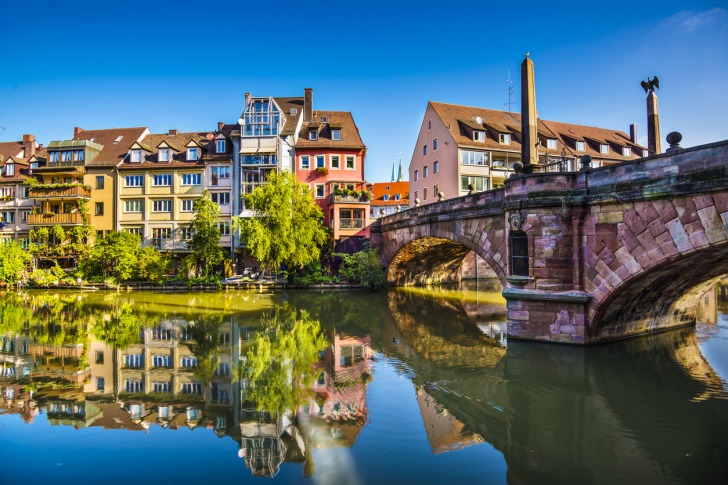
Nuremberg sits in northern Bavaria, in southern Germany, and it has that rare talent of feeling important without feeling overwhelming.
This is a city of medieval walls, Gothic churches, festive markets, and a long, complicated history that gives every square and stone building a little extra weight.
Most travelers come for the Old Town, the Christmas market, the castle, and the food, but they stay because Nuremberg is easy to navigate and surprisingly relaxed for a city with such a big cultural footprint.
From a traveler’s point of view, Nuremberg is one of those places that tends to reward common sense.
It is not a city that usually makes visitors feel on edge, but it is still a real urban destination with train stations, nightlife pockets, tourist crowds, and the occasional petty thief.
In other words, it is comfortable, manageable, and generally safe, as long as you travel smart and stay alert in the usual places.
Warnings & Dangers in Nuremberg

OVERALL RISK: LOW
Nuremberg is generally a low-risk destination for tourists. Violent crime is uncommon, the city is well-organized, and public spaces are usually orderly and well-policed. Most travelers will spend their entire trip dealing with nothing more dramatic than bad weather, a delayed train, or overpriced tourist snacks. The biggest safety concern is petty theft in crowded areas.

TRANSPORT & TAXIS RISK: LOW
Public transportation in Nuremberg is efficient, clean, and easy to use, especially the U-Bahn, trams, and buses. Taxis are regulated and generally reliable, and rides from the airport into the city are straightforward. The main things to watch for are late-night distractions around transit hubs and the usual need to confirm you are getting into a licensed cab.

PICKPOCKETS RISK: MEDIUM
Pickpocketing is not constant or extreme, but it is the most realistic crime risk for travelers. Busy places such as the Hauptbahnhof, the Christkindlesmarkt, transit platforms, and crowded sightseeing streets create easy opportunities for thieves. This is not a city where you need paranoia, but it is absolutely a city where an open backpack or loose phone can invite trouble.

NATURAL DISASTERS RISK: LOW
Nuremberg does not face major natural disaster risk on the level of earthquake zones, hurricane regions, or tropical storm corridors. That said, Germany has seen more episodes of heavy rain, heat, and localized flooding in recent years. Travelers are more likely to deal with weather disruption than direct danger, especially during summer storms or winter ice.

MUGGING RISK: LOW
Mugging is not a major concern for most tourists in Nuremberg. Violent street crime is relatively uncommon compared with many larger cities around the world. Still, quiet areas near nightlife zones, station surroundings, and poorly lit streets late at night deserve extra caution. Solo travelers should avoid walking distracted after midnight in unfamiliar areas.

TERRORISM RISK: MEDIUM
Nuremberg itself is not usually singled out as a high-profile target, but Germany as a whole remains alert to terrorism risks, especially in crowded public places, transport centers, and major events. For travelers, this means staying aware rather than staying afraid. Pay attention to police instructions, festival security measures, and any local alerts during your trip.

SCAMS RISK: LOW
Scams in Nuremberg are usually mild rather than elaborate. You are more likely to run into tourist overcharging, fake petition distractions, or somebody trying to create confusion near a station than a full-blown fraud scheme. Common sense goes a long way here. If someone approaches you aggressively in a busy area, keep walking and protect your belongings.

WOMEN TRAVELERS RISK: LOW
Nuremberg is generally comfortable for women travelers, including solo visitors. Streets in the center are usually active and public transport is commonly used by locals throughout the day. The same rules apply as in any city: avoid isolated streets late at night, watch your drink in bars, and use licensed transport if you are returning to your hotel after dark.

TAP WATER RISK: LOW
Tap water in Nuremberg is safe to drink. Germany has strong drinking water standards, and most visitors will have no issue filling a reusable bottle from the tap. The only real caution is personal preference, since some travelers are more comfortable with bottled water or may notice taste differences. From a safety standpoint, the tap water is not a concern.
Safest Places to Visit in Nuremberg
Old Town and Hauptmarkt
The Old Town is the heart of Nuremberg and one of the safest and easiest places for tourists to explore.
Streets are busy, attractions are close together, and there is a steady mix of visitors, shoppers, and locals.
Hauptmarkt, the central market square, is especially comfortable during the day.
Just keep an eye on your bag in larger crowds, especially during market season.
Nuremberg Castle and the Surrounding Heights
Nuremberg Castle is not only one of the city’s top attractions, but also one of its most pleasant areas to walk.
The route uphill is scenic, popular, and filled with postcard views over the rooftops.
Because it is such a well-known destination, it usually feels safe and open.
Daytime visits are especially stress-free, and the surrounding streets are ideal for slow sightseeing.
St. Sebald and St. Lorenz Areas
The neighborhoods around St. Sebald Church and St. Lorenz Church offer a good mix of historic charm and everyday city life.
These parts of central Nuremberg are full of cafes, museums, and pedestrian-friendly streets.
They are a great choice for travelers who want to stay close to the main sights without feeling stuck in chaotic tourist traffic.
Documentation Center and Dutzendteich Area
For travelers interested in history, the Documentation Center and the former Nazi Party Rally Grounds area are safe to visit and well worth the time.
The grounds are open, spacious, and easier to navigate than denser city-center zones.
The nearby lake area at Dutzendteich can also feel calm and pleasant during the day, especially for walkers and cyclists.
Places to Avoid in Nuremberg
Around Hauptbahnhof Late at Night
Nuremberg’s main train station is important, busy, and usually fine during the day, but the area around it can feel rougher after dark than the rest of the city.
Late-night loitering, intoxicated individuals, and petty crime concerns make this one of the few places where travelers should be extra alert.
It is not a no-go zone, but it is not the place to wander absentmindedly at 1 a.m.
Frauentormauer and Nearby Nightlife Pockets
Parts of Frauentormauer and nearby streets along the old city wall have long had a reputation for red-light activity and late-night edge.
Many tourists pass through without any issue, especially in daylight, but the atmosphere can change after dark.
If you are traveling with family, arriving late, or staying nearby, this is an area where confidence and awareness matter.
Isolated Park Areas After Dark
Parks and green spaces in and around Nuremberg are usually pleasant during the day, but isolated sections become far less appealing at night.
Quiet paths around larger open areas can feel empty, poorly lit, and not especially traveler-friendly.
There may be no direct danger, but there is very little reason for a visitor to cut through them after dark.
Empty Streets Outside the Center
Once you move away from the central tourist districts, some residential and commercial streets can become very quiet in the evening.
That does not automatically make them dangerous, but it does make them less comfortable for visitors who are unfamiliar with the city.
If your hotel is outside the center, plan your route back rather than improvising late at night.
Safety Tips for Traveling to Nuremberg
- Keep your valuables zipped and close to your body. Nuremberg is not the kind of city where you need to clutch your belongings like you are in an action movie, but you do need basic city awareness. Use a crossbody bag or a backpack with secure zippers, especially in markets, on public transport, and around the train station.
- Be extra alert in crowds. The Christmas market, festivals, station platforms, and busy sightseeing streets are the places where pickpockets have the easiest time. Do not keep your wallet in a back pocket, and do not leave your phone hanging halfway out of a coat pocket while you admire architecture.
- Use licensed taxis or trusted ride arrangements. Taxis in Nuremberg are usually dependable, but it is still smart to use official ranks, reputable apps, or hotel-booked rides when possible. Late at night, especially after drinking, avoid random offers from strangers claiming to be drivers.
- Stay aware around Hauptbahnhof. The main station is a normal part of travel in Nuremberg, but it is also one of the few places where a tourist can feel a little too relaxed too quickly. Watch for distractions, keep your bags in front of you, and avoid lingering outside longer than necessary late at night.
- Do not assume every quiet street is a shortcut worth taking. Nuremberg’s central areas are walkable, but some side streets become empty fast after dark. A slightly longer route with better lighting and more foot traffic is usually the better call, especially if you are solo.
- Prepare for sudden weather changes. German weather can switch moods quickly. In summer, thunderstorms can roll in with little warning. In winter, cold rain, ice, and wind can make walking more difficult than expected. Pack layers, a waterproof outer layer, and shoes that can handle slick streets.
- Respect local rules and transit systems. Germany tends to run on quiet expectations that everyone follows the rules. Validate tickets correctly, do not wander onto tracks or restricted areas, and pay attention to signs. Getting fined for a transit mistake will not ruin your life, but it can definitely ruin your afternoon.
- Be careful with alcohol in nightlife areas. Nuremberg’s beer culture is part of the fun, but getting too relaxed can lead to lost belongings, poor judgment, or unnecessary friction. Pace yourself, especially if you are moving between bars or trying to navigate transit afterward.
- Carry copies of key travel documents. Keep a digital backup of your passport, insurance details, and booking confirmations. You hopefully will not need them, but if a wallet disappears or a phone battery dies, having a second layer of access makes everything easier and less stressful.
- Follow local news and official announcements during major events. Markets, football matches, demonstrations, and public festivals can change the mood and movement of the city quickly. Extra police presence is not unusual in Germany, and it is often just a precaution. Still, it is smart to know what is happening before you head into a crowded area.
So... How Safe Is Nuremberg Really?
Nuremberg is one of the safer city destinations in Europe for most travelers.
It benefits from Germany’s strong infrastructure, reliable public transport, high sanitation standards, and generally low levels of violent crime affecting tourists.
In practical terms, that means visitors can usually spend their time focusing on castles, sausages, and church towers instead of worrying about personal safety every few minutes.
That does not mean zero risk.
The realistic issues are pickpocketing, opportunistic theft, late-night discomfort around the station, and the broader security concerns that come with traveling anywhere in Europe during large events or busy holiday seasons.
Nuremberg is also a city where travelers sometimes mistake calm surroundings for a reason to let their guard down completely.
That is usually when phones vanish, wallets go missing, or someone ends up taking the wrong route home.
What I like about Nuremberg is that it rewards sensible behavior.
Stay in central, well-reviewed accommodation, use public transport confidently, keep your belongings secure, and avoid wandering through empty nightlife fringes late at night.
Do that, and the city feels not only safe, but genuinely pleasant.
For couples, solo travelers, older visitors, and families, Nuremberg is usually a very manageable destination with a low overall risk profile and a strong comfort factor.
How Does Nuremberg Compare?
| City | Safety Index |
|---|---|
| Nuremberg |
87 |
| Berlin |
80 |
| Essen |
77 |
| Cologne |
80 |
| Stuttgart |
73 |
| Dresden |
75 |
| Frankfurt |
78 |
 Falmouth Harbour Falmouth Harbour | 86 |
 Oregon Oregon | 88 |
| Manteo | 75 |
 Reykjavík Reykjavík | 95 |
 Whistler Whistler | 88 |
 Srimangal Srimangal | 68 |
Useful Information

Visas
Germany is part of the Schengen Area, so many travelers can enter for up to 90 days within a 180-day period without a visa, depending on nationality. Travelers from countries that require a Schengen visa should apply in advance through a German consulate or visa center. Fees and document requirements vary, but adult short-stay visa fees are commonly around 90 euros.

Currency
Nuremberg uses the euro. Credit and debit cards are widely accepted, but it is still smart to carry a little cash for market stalls, smaller shops, or older restaurants. Avoid exchanging money at airports unless necessary, since city ATMs and bank-linked currency services usually offer better value than tourist-focused exchange counters.

Weather
Nuremberg has a typical Central European climate, with cold winters and warm but not usually brutal summers. Winter travelers should pack a warm coat, gloves, and waterproof shoes, while summer visitors should bring light layers and a rain jacket for sudden showers. Spring and fall can swing between chilly mornings and mild afternoons.

Airports
The main airport is Nuremberg Airport, also called Albrecht Dürer Airport Nuremberg. It is very close to the city and one of the easiest German airports for a quick arrival. The U2 line connects the airport directly to Nuremberg Central Station in about 12 minutes, and taxis are available around the clock.

Travel Insurance
Travel insurance is a smart idea for Nuremberg, even though the city is generally low-risk. Insurance can help with medical costs, trip delays, lost baggage, theft, and canceled bookings. Since even safe destinations can come with unexpected disruptions, I would not travel to Germany without a policy that includes medical coverage and theft protection.
Nuremberg Weather Averages (Temperatures)
Average High/Low Temperature
| Temperature / Month | Jan | Feb | Mar | Apr | May | Jun | Jul | Aug | Sep | Oct | Nov | Dec |
|---|---|---|---|---|---|---|---|---|---|---|---|---|
| High °C |
3 | 4 | 9 | 14 | 19 | 23 | 25 | 25 | 19 | 13 | 7 | 4 |
| Low °C |
-3 | -3 | 0 | 3 | 8 | 11 | 14 | 13 | 9 | 5 | 1 | -1 |
| High °F |
37 | 39 | 48 | 57 | 66 | 73 | 77 | 77 | 66 | 55 | 45 | 39 |
| Low °F |
27 | 27 | 32 | 37 | 46 | 52 | 57 | 55 | 48 | 41 | 34 | 30 |
Germany - Safety by City
| City | Safety Index |
|---|---|
| Berlin | 80 |
| Bremen | 65 |
| Cologne | 80 |
| Dortmund | 74 |
| Dresden | 75 |
| Dusseldorf | 75 |
| Essen | 77 |
| Frankfurt | 78 |
| Hamburg | 80 |
| Leipzig | 78 |
| Munich | 90 |
| Nuremberg | 87 |
| Stuttgart | 73 |
| Wiesbaden | 57 |















Very thorough overview of Nuremberg! The best part for me is the golden make a wish ring.
Great destination for history freaks like me
It’s both safe and easy to explore on your own. I even felt ok while waiting for a train at night; there’s video surveillance and security everywhere. I would keep an eye out for pickpockets since they tend to work in groups. Don’t forget to hit the Old Town area, you will have lots and lots of museums to visit.
The beer gardens here really hit the spot, especially after a day of munching on those sausages!
Felt really at ease wandering the cobblestone streets near the castle, even when the Christmas market was buzzing with people.
Strolling through the Old Town at dusk, I really felt how the city’s calm vibe lets you soak it all in without rushing.