


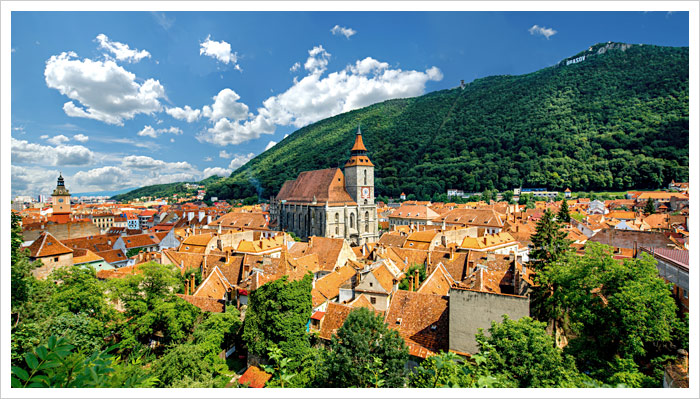
Brasov is one of those cities that makes a strong first impression.
Set in central Romania and wrapped by the Carpathian Mountains, it feels like a storybook town with medieval walls, red-roofed buildings, cobbled streets, and a dramatic mountain backdrop.
It is often seen as the gateway to Transylvania, but Brasov is much more than a base for nearby castles and ski resorts.
It has a compact, walkable old center, a lively café scene, and a calmer atmosphere than many larger European cities.
From my perspective, Brasov is the kind of place that feels inviting almost immediately, especially for travelers who like history, scenery, and cities that are easy to explore on foot.
It is not risk free, of course, but compared with many popular tourist destinations, Brasov tends to feel orderly, manageable, and refreshingly low stress.
Warnings & Dangers in Brasov

OVERALL RISK: LOW
Brasov is generally a low-risk destination for tourists. Violent crime against visitors is uncommon, and most trips here are smooth and uneventful. The biggest issues are minor ones, such as petty theft, taxi overcharging, and the usual tourist carelessness in crowded areas. With normal city awareness, most travelers will find Brasov comfortable and easy to navigate.

TRANSPORT & TAXIS RISK: LOW
Public transport in Brasov is usually straightforward and affordable, and walking around the historic center is easy. The main transport risk comes from unofficial taxis or drivers who try to quote inflated prices, especially around transit hubs. Use metered taxis or app-based rides when possible, and confirm the price logic before setting off.

PICKPOCKETS RISK: LOW
Pickpocketing exists, but Brasov is not one of Europe’s major theft hotspots. The risk rises in busy areas such as Council Square, around the Black Church, on buses, and near the train station. Travelers who keep phones, wallets, and passports secure usually avoid problems. A zipped bag and a bit of attention go a long way here.

NATURAL DISASTERS RISK: MEDIUM
Brasov is not known for constant natural disaster danger, but Romania does face risks from earthquakes, floods, winter storms, and landslides. In Brasov itself, severe weather and icy winter conditions are more likely to affect travelers than a major disaster. If you visit in colder months, slippery streets and mountain weather deserve real respect.

MUGGING RISK: LOW
Mugging is not a major concern for most visitors in Brasov. The city center is usually lively and feels relatively safe, even after dark. That said, deserted streets, poorly lit parks, and isolated areas near transport facilities are never ideal late at night. The safest approach is simple: stay alert and do not wander when tired or intoxicated.

TERRORISM RISK: LOW
Brasov has a low terrorism risk by ordinary tourist standards. It is not typically singled out as a major high-profile target compared with larger European capitals. Still, standard travel awareness applies anywhere in Europe. Keep an eye on local news, note emergency exits in crowded venues, and stay aware in public events or busy transit areas.

SCAMS RISK: MEDIUM
Scams are more likely than violent crime in Brasov. The usual issues involve inflated taxi fares, unofficial drivers, currency exchange tricks, and occasional distraction attempts in tourist-heavy spots. None of this makes Brasov unusually dangerous, but it does mean travelers should pay attention during routine transactions. If something feels rushed or oddly complicated, step back.

WOMEN TRAVELERS RISK: LOW
Brasov is generally a good destination for women travelers, including solo visitors. The old town is active, walkable, and easier to read than many larger cities. As with any destination, late-night caution still matters, especially around stations, quiet side streets, or after drinking. Basic precautions should be enough for most women to feel comfortable here.

TAP WATER RISK: LOW
Tap water in Brasov is generally considered safe for normal use, and many locals drink it. Even so, some travelers prefer bottled or filtered water because of taste differences, older plumbing in certain buildings, or just personal caution when abroad. In hotels and modern apartments, tap water is usually not a major concern.
Safest Places to Visit in Brasov
The safest and most pleasant part of Brasov for most travelers is the Old Town, especially the area around Piața Sfatului, or Council Square.
This is the city’s postcard center, with colorful facades, outdoor cafés, regular foot traffic, and a visible tourist presence that helps many visitors feel comfortable.
The Black Church area is also one of the easiest places to explore confidently, since it stays busy during the day and is surrounded by familiar landmarks.
Strada Republicii is another safe bet.
It is one of the main pedestrian streets, lined with restaurants, shops, and cafés, and it gives travelers that reassuring sense that everything is happening in one readable corridor.
For first-time visitors, this kind of compact layout is a real safety advantage because you are less likely to drift into empty or confusing areas by accident.
Schei, the historic district just beyond the old center, can also be enjoyable and generally calm during the day.
It feels more residential and less touristic, which can be a nice change of pace if you want to see another side of Brasov without leaving the city environment entirely.
Tampa area viewpoints are popular too, though mountain edges and forest-adjacent zones call for a little more awareness, especially around dusk.
Poiana Brasov, the nearby mountain resort area, is also popular and generally comfortable for tourists, particularly in the ski season, though weather and road conditions deserve attention there.
Places to Avoid in Brasov
Brasov is not a city packed with clearly dangerous no-go districts, but that does not mean every area is equally comfortable for tourists.
The main place where travelers should stay sharper is around Gara Brașov, the train station area, especially late at night.
It is not automatically dangerous, but transport hubs everywhere attract hustlers, overpriced taxis, distracted travelers, and the occasional uncomfortable encounter.
If you arrive tired with luggage and no plan, this is where you are most likely to make a dumb, expensive mistake.
Poorly lit side streets away from the Old Town deserve more caution after dark, especially if they are empty.
During the day, many of these streets feel perfectly fine, but at night, the mood changes quickly if there are few people around.
Parks and isolated pedestrian areas are also better enjoyed in daylight unless you know the city well.
Forest-edge neighborhoods and mountain-adjacent zones near Tampa, Schei, Răcădău, or roads leading toward Poiana Brasov are not dangerous in the classic urban crime sense, but they can present a different kind of risk.
In Romania, wildlife sightings, including bears, are a real issue in some areas near forests and foothills.
That is not the sort of danger tourists usually expect in a city break, but in Brasov it is worth respecting.
I would not say tourists need to fear entire neighborhoods here.
It is more about avoiding empty transit areas, not trusting random drivers, and being careful near mountain edges or forest access points, especially at dusk or night.
Safety Tips for Traveling to Brasov
- Use official or clearly metered transport. Brasov is affordable, which makes transport scams even more annoying because they are so avoidable. If you take a taxi, make sure it is legitimate and uses the meter. Around the train station or airport, do not jump into the first car offered by someone calling out to tourists. A little patience can save money and stress.
- Keep your valuables zipped and close in crowded areas. Council Square, Strada Republicii, the Black Church zone, holiday markets, and busy buses are where distraction theft is most likely. You do not need to dress like you are guarding crown jewels, but keep your phone and wallet in secure pockets or a closed bag.
- Do not exchange money on the street. This is one of those classic travel mistakes that still catches people. Use banks, ATMs attached to banks, or reputable exchange offices. If someone approaches you with a better rate, that is usually your signal to walk away.
- Treat the train station area with extra awareness. Brasov’s station is useful, but it is not the place to become casually disorganized. Have your hotel address ready, know how you are leaving the station, and avoid hanging around outside with all your bags while comparing options for twenty minutes.
- Respect mountain and forest conditions. Brasov’s beauty comes with real terrain. If you hike around Tampa or head into nearby mountain areas, wear proper shoes, check the weather, and do not underestimate how quickly things can shift. Tourists sometimes think scenic equals safe. It does not always.
- Take bear warnings seriously. This city has something many urban destinations do not: nearby wildlife risk. If you are near forested areas, especially around the mountain edges or roads toward Poiana Brasov, do not leave food around, do not approach animals for photos, and do not wander into quiet wooded areas at dusk.
- Stay moderate with alcohol at night. Brasov has bars and a lively social scene, but overconfidence late at night creates most avoidable problems. Getting lost, taking a bad taxi, dropping a phone, or ending up on an empty street becomes much more likely once judgment slips.
- Watch the weather closely in winter. Brasov can be magical under snow, but ice, freezing temperatures, and mountain fog are not minor details. Good boots, layers, and a realistic idea of winter walking conditions matter more here than in many flatter city destinations.
- Choose accommodation in or near the Old Town if possible. Safety is often about convenience. Staying near the historic center reduces the need for late-night transport, keeps you close to busy pedestrian areas, and makes the city easier to navigate. That simplicity lowers risk without much effort.
- Keep copies of your documents and basic emergency info. You probably will not need them, but having a passport copy, insurance details, and the address of your hotel saved offline is smart. If your phone dies or your wallet disappears, that backup instantly turns a bad moment into a manageable inconvenience.
So... How Safe Is Brasov Really?
Brasov is, in practical terms, one of the safer city destinations in this part of Europe for the average tourist.
The overall pattern is reassuring: serious crime against visitors is uncommon, the historic center is compact and walkable, and the atmosphere is more relaxed than in many major capitals.
Most safety concerns fall into the lower-intensity category, such as pickpocketing, taxi overcharging, or minor scams that target distracted newcomers.
What makes Brasov interesting from a safety perspective is that the risks are not only urban.
Yes, you should use standard city common sense, especially around transport hubs and tourist crowds, but you should also think about mountain weather, icy winter streets, and even wildlife in forest-adjacent zones.
In other words, Brasov is not especially threatening, but it does reward travelers who pay attention.
For women, solo travelers, couples, and families, Brasov usually feels manageable and comfortable.
It is one of those destinations where you can spend more time enjoying the place than worrying about it.
That said, “safe” should never be confused with “carefree.”
The smart traveler here is the one who treats Brasov as a low-risk destination, not a zero-risk one.
My honest take is simple: Brasov is genuinely a strong choice for travelers who want beauty, atmosphere, and a relatively secure city break, as long as they bring common sense with them.
How Does Brasov Compare?
| City | Safety Index |
|---|---|
 Brasov Brasov |
80 |
| Iasi |
73 |
| Cluj-Napoca |
90 |
| Bucharest |
70 |
| Timisoara |
87 |
 Brigham City Brigham City | 82 |
 Kitchener Kitchener | 75 |
| Huntington | 55 |
| Mooresville | 77 |
| Lubbock | 38 |
| New Smyrna Beach | 84 |
Useful Information

Visas
Romania is in the Schengen area, so many tourists can enter for up to 90 days within a 180-day period without a visa, depending on nationality. Travelers should make sure their passports have enough validity beyond the trip. If your country requires a visa, apply before travel through the Romanian consular process and check entry rules carefully before departure.

Currency
The local currency is the Romanian leu, shown as RON. It is usually better to withdraw local currency from bank ATMs or exchange money at reputable offices rather than changing cash on the street. In tourist areas, cards are widely accepted, but carrying some cash is still useful for smaller purchases, transport, or market stops.

Weather
Brasov has four distinct seasons, and the weather can shift quickly because of its mountain setting. Summers are pleasant and usually comfortable for walking, while winters are cold, snowy, and sometimes icy. Pack layers year-round, and in colder months, bring proper boots, a warm coat, gloves, and clothing suited for freezing temperatures.

Airports
The main airport for the city is Brașov-Ghimbav International Airport, which is relatively close to Brașov. Some travelers also use Bucharest’s main airport and continue by train or road. From Brașov-Ghimbav, you can reach the city by bus, taxi, or private transfer. Always choose official transport options rather than informal offers outside terminals.

Travel Insurance
Travel insurance is a smart idea for Brasov, especially because trips here often include mountain roads, hiking, winter sports, or regional travel beyond the city itself. Good coverage should include emergency medical care, trip delays, and theft or lost baggage. Even in a generally safe destination, insurance can save a lot of money and stress.
Romania - Safety by City
| City | Safety Index |
|---|---|
| Brasov | 80 |
| Bucharest | 70 |
| Cluj-Napoca | 90 |
| Iasi | 73 |
| Timisoara | 87 |









Brasov is stunning!
Brasov is stunning! I love the rolling hills and how everything blends in with nature. It is like living in a painting. It is very dated however so do not go here expecting clean roads and unkempt buildings. A lot of items are very worn down but I find charm in that. I loved my trip!
Very safe
stayed 4 days in Brasov. I did not encounter any danger or any form of fraud anywhere. I walked in the city at night and felt safe. Walking in the mountains is also safe.
Stumbling around Brașov felt like walking through a storybook, especially when you catch a glimpse of the mountains meeting the medieval buildings, and let’s be real, who doesn’t love feeling like you’re just a short drive away from the infamous Dracula’s castle?
Did you find the mix of nature and history in Brasov as captivating as I did? The mountain views alone were worth the trip, but exploring the old town really added something special.
Oddly enough, the red-roofed buildings against the Carpathian slope made me grin, and sipping coffee on those cobbled streets left me with a calm, low-key contentment I wasn’t expecting.
Did the cobbled streets and red roofs give you that cozy, slightly unreal feeling too, and which café did you find for a long, lazy sit?
Did you ever get that strange calm standing on a cobbled street with the Carpathian peaks looming and feel like a café espresso somehow tastes sharper?
Did you get that same weirdly peaceful feeling in the old center at dawn, with the cobbled streets still damp and only one café open, that made me slow my pace and want to stay for hours?
Walking those cobbled streets with the crisp mountain air around really makes you appreciate how much charm a small city can pack in without feeling overwhelmed by tourists.