


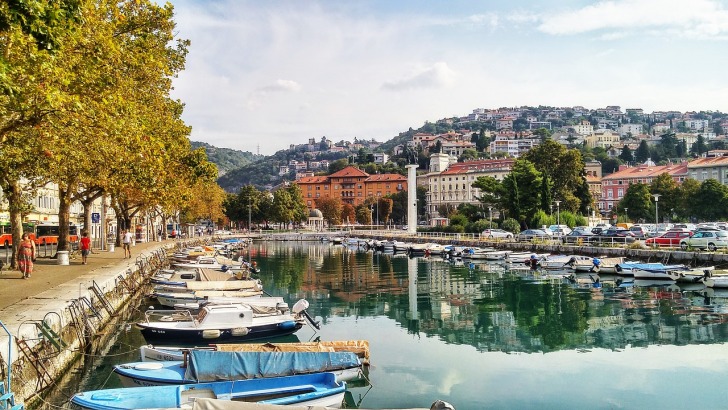
Rijeka sits on Croatia’s Kvarner Bay, tucked between the Adriatic and the hills of the Primorje region, and it feels different from the polished postcard towns farther down the coast.
This is a real working port city, not just a pretty stage set for tourists, and that is part of its charm.
You get grand Austro-Hungarian facades, a lively central promenade, gritty maritime energy, and easy access to beaches, castles, and island day trips.
I like Rijeka for travelers who want Croatia with a little more edge and a little less performance.
It is not as overtly romantic as Dubrovnik or as famous as Split, but it is refreshingly authentic.
From a safety standpoint, that usually works in your favor too: fewer tourist traps, fewer crowds, and a generally calmer day-to-day atmosphere than many of Europe’s more saturated destinations.
Warnings & Dangers in Rijeka

OVERALL RISK: LOW
Rijeka is generally a low-risk destination for tourists. Violent crime against visitors is uncommon, and most travelers will find the city easy to navigate without feeling constantly on guard. Rijeka’s main issues are the usual urban annoyances: petty theft in busy areas, late-night drunken behavior, and the occasional overcharge from unofficial transport or nightlife venues.

TRANSPORT & TAXIS RISK: LOW
Public transport in Rijeka is usually straightforward and safe, and official airport shuttle connections are clearly organized. The main thing I would watch for is using unofficial airport carriers or unmarked taxis, especially after arrival. Stick to licensed services, agree on the route if needed, and avoid hopping into random cars offering “cheap” transfers near transit points.

PICKPOCKETS RISK: MEDIUM
Pickpocket risk exists, but Rijeka is not one of Europe’s classic theft capitals. The most likely spots are crowded buses, the central market, busy pedestrian stretches like Korzo, and transit areas where distracted travelers are juggling phones, bags, and tickets. I would not call this a major concern, but I definitely would not leave a bag open or a phone on a café table.

NATURAL DISASTERS RISK: MEDIUM
This is the one category travelers should not dismiss. Croatia is in an active seismic zone, and coastal areas can also face wildfires during hot, dry months. Flooding and landslides can occasionally disrupt roads as well. In Rijeka, the practical takeaway is simple: check weather conditions, respect local alerts, and do not treat rough coastal conditions casually.

MUGGING RISK: LOW
Mugging and random violent street crime are not major tourist concerns in Rijeka. Most travelers will never come close to that kind of incident. The bigger risk is being sloppy late at night around empty streets, transport hubs, or nightlife spillover areas. Standard city awareness goes a long way here, and that is usually enough.

TERRORISM RISK: LOW
There is no special terrorism warning that makes Rijeka stand out as a high-risk destination. As with anywhere in Europe, crowded events and transport hubs deserve normal awareness, but this is not something that should dominate your planning. For most tourists, everyday safety habits matter far more than terrorism concerns in Rijeka.

SCAMS RISK: LOW
Scams are not a defining problem in Rijeka, but low-level tourist traps do exist, especially around nightlife and transport. The most widely flagged issues are overcharging in certain adult-entertainment venues and using unofficial carriers. In Rijeka, the smartest move is boring but effective: confirm prices, pay by card when possible, and keep receipts.

WOMEN TRAVELERS RISK: LOW
Rijeka is generally comfortable for women travelers, including solo travelers, especially in central areas during the day and evening. Still, I would use more caution around empty transport zones late at night and after-heavy-drinking environments, just as I would in any port city. Confidence, planned transport, and not wandering isolated stretches alone after midnight make a good combination.

TAP WATER RISK: LOW
Tap water in Croatia is widely regarded as safe to drink, and Rijeka is no exception. This is one of those easy travel wins: bring a refillable bottle and use it. Unless your accommodation has a specific plumbing issue, there is usually no need to spend money hauling bottled water around the city.
Safest Places to Visit in Rijeka
Korzo and the Historic Center
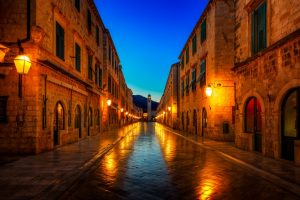
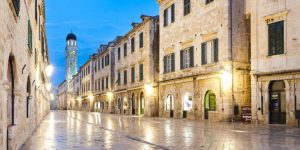
Korzo is Rijeka’s social spine, the place where everyone seems to pass sooner or later.
It is busy, open, central, and usually the easiest part of the city for travelers to navigate.
That alone makes it one of the safer places to spend time, especially if you are new to town and want to get your bearings without venturing somewhere too quiet.
Around it, you will find old civic buildings, café terraces, side streets with character, and a general sense that the city is functioning for locals as much as visitors.
Trsat and Trsat Castle
Trsat is one of my favorite parts of Rijeka because it combines views, history, and a more relaxed feel.
The castle sits above the city and has long been one of Rijeka’s signature sights.
It is popular, well known, and does not feel sketchy in the way that isolated hilltop attractions sometimes can.
During the day and around sunset, it is a terrific area for visitors who want a scenic outing without stepping far outside the city’s comfort zone.
City Market and Central Daytime Areas
The City Market is ideal for travelers who like to see daily life instead of only monuments.
It is lively rather than tense, and daytime foot traffic adds a layer of comfort.
Yes, crowded markets always require a little attention to wallets and phones, but that is ordinary travel hygiene, not a red flag.
This whole central zone is one of the better places to explore on foot if you want energy, visibility, and easy access to cafés and transport.
Pećine and the Better-Known Beaches
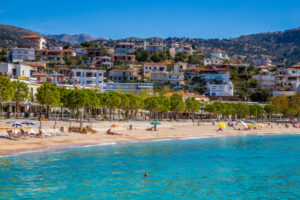
For travelers wanting sea air without leaving the city, the Pećine side and established beaches like Sablićevo are solid choices.
Rijeka’s bathing season runs from spring into late autumn, and the better-known city beaches are usually cleaner, more comfortable, and easier to navigate than random hidden spots.
Safer beach visits here mostly come down to going where people are, rather than hunting for some lonely hidden cove that looks better on social media than it does in real life.
Places to Avoid in Rijeka
Isolated Port and Industrial Edges at Night
Rijeka is a working port city, and that means some parts of it are functional rather than traveler-friendly.
Industrial stretches and quieter port-adjacent roads are not where I would send a tourist for a casual nighttime wander.
They are not necessarily crime hot spots, but they can feel empty, poorly lit, and confusing, which is a bad mix if you are unfamiliar with the area.
Bus and Transit Areas Late at Night
Transit zones are rarely anybody’s prettiest urban experience, and Rijeka is no exception.
During the day, they are fine.
Late at night, especially if you are arriving tired with luggage and staring at your phone, they become the sort of place where opportunistic theft or uncomfortable encounters are more likely.
I would not panic about them, but I would move through them with purpose and avoid lingering.
Empty Underpasses, Stairways, and Waterfront Stretches After Midnight
Rijeka’s terrain creates pockets that can feel suddenly deserted once evening fades, especially routes with staircases, underpasses, or steep connectors away from the busy core.
These are not officially “danger zones,” but they are the kind of places where smart travelers avoid testing their luck.
Use well-lit main routes and spend a few extra euros on a ride if you are heading uphill or home very late.
Rough Seafront Spots During Bad Weather
This is a different kind of danger, but it still counts.
Waterfront edges, breakwaters, and rocky coastal stretches can become slippery and surprisingly hazardous in strong wind or rough sea conditions.
In Rijeka, weather risk is more real than violent crime risk in many situations.
If locals are not standing on the edge taking selfies, that is usually a clue worth respecting.
Safety Tips for Traveling to Rijeka
- Use official transport from the airport. Rijeka Airport has an official shuttle system, and that is the easiest way to avoid confusion on arrival. I would be cautious with anyone approaching you with a “special deal,” especially if they are steering you away from the terminal pickup area. When you land in a new place, the first scam opportunity is often the ride into town.
- Keep your valuables zipped and close in crowded areas. Rijeka is not a pickpocket nightmare, but busy markets, promenades, and buses are still where careless travelers lose things. A crossbody bag, zipped pockets, and not flashing your phone every ten seconds will eliminate most of the risk before it even starts.
- Do not treat nightlife prices casually. Croatia has had recurring warnings about overcharging in certain nightlife settings, particularly adult-oriented venues. You do not need to become paranoid, but you do need to know what you are walking into. If a place feels vague about the bill, leave before ordering, not after.
- Stay on busy, well-lit streets after dark. Rijeka is a city where a street can feel active one minute and oddly empty the next. Stick to main routes, especially around the center, and do not assume a shortcut is worth it just because it saves five minutes.
- Watch the weather before coastal walks or beach days. In many destinations, people obsess over crime and ignore the actual environment. In Rijeka, coastal weather deserves respect. Wind, slick rocks, rough water, and sudden storms can turn a scenic outing into a dumb story you would rather not tell.
- Keep an eye on your footing. This sounds almost too simple, but coastal Croatia is full of stone steps, sloped lanes, pebbly beaches, and uneven surfaces. Add sandals, sea spray, or one glass of wine too many, and minor injuries become surprisingly easy.
- Carry some cash, but not too much. Croatia uses the euro, cards are widely accepted, and ATMs are common. That means there is no good reason to carry a thick stack of cash. Keep a modest amount for small purchases and let your bank card do the heavy lifting.
- Plan late-night returns before you go out. The smartest safety move is often logistical, not dramatic. Know how you are getting back to your accommodation before dinner turns into drinks and drinks turn into “one last place.” Tired decisions are rarely premium decisions.
- Use tap water and stay hydrated. Rijeka’s tap water is generally safe, and summer heat on the coast can sneak up on you. A refillable bottle helps with both budget and safety, because dehydration makes every travel day harder, from walking steep streets to spending time on the beach.
- Save the emergency number 112. Most travelers will never need it, but this is one of those tiny pre-trip tasks that pays off if something goes wrong. Whether the issue is medical, weather-related, or a safety concern, having the number ready beats searching for it under stress.
So... How Safe Is Rijeka Really?
Rijeka is, in practical terms, a pretty safe city for tourists.
The data points that matter most to travelers line up in its favor: violent crime is generally low, and the most commonly discussed visitor issues are petty theft, nightlife overcharging, and ordinary urban caution rather than serious personal danger.
That is a good starting position for any destination.
What I think makes Rijeka especially manageable is that the risks are understandable.
You are not navigating a city famous for aggressive scams, unstable transport, or neighborhoods tourists routinely blunder into by mistake.
Instead, you are dealing with a normal European port city where awareness matters most around crowded areas, late-night transit moments, and weather-related coastal conditions.
Earthquakes and wildfires stand out more than street crime in many scenarios.
So my honest read is this: Rijeka is safer than many travelers expect, especially if they are comparing it to larger, more heavily touristed cities.
It rewards sensible behavior.
Stay alert in crowded places, avoid isolated areas late at night, use official transport, and respect the sea and weather.
Do that, and Rijeka is the kind of destination where safety fades into the background and the city itself gets to take center stage.
How Does Rijeka Compare?
| City | Safety Index |
|---|---|
 Rijeka Rijeka |
85 |
| Hvar |
85 |
| Dubrovnik |
90 |
| Split |
67 |
| Zagreb |
80 |
| Zadar |
84 |
 Marquette Marquette | 78 |
 Kazan Kazan | 66 |
| Cedar Lake | 86 |
| Ventura | 76 |
| Pittston | 74 |
| West Wendover | 72 |
Useful Information

Visas
Croatia is in the Schengen Area. Many travelers, including U.S. passport holders, can visit visa-free for short tourist stays, while travelers from visa-required countries must apply for a short-stay Schengen visa and submit the usual supporting documents. Make sure your passport is valid well beyond your travel dates and always double-check entry rules before departure.

Currency
Croatia uses the euro. ATMs are common, cards are widely accepted, and cash is mainly useful for smaller purchases, markets, or cafés that prefer quick payment. In practice, the easiest approach is to withdraw small amounts from bank ATMs and avoid exchanging too much money at airports unless you need immediate cash.

Weather
Rijeka has warm summers, cooler winters, and a coastal climate that can switch from sunny and breezy to wet and windy faster than some travelers expect. Pack light clothes for summer, but bring a layer for evenings and sea breeze. Good walking shoes and a compact rain jacket are smarter than pretending every Adriatic day is perfect.

Airports
The main airport for the city is Rijeka Airport on Krk Island. Shuttle buses and taxis connect the airport to the city, and the transfer is usually simple for travelers. Depending on your route, some visitors also fly into larger regional airports and continue by road, but Rijeka Airport remains the most direct local gateway.

Travel Insurance
I would absolutely get travel insurance for Rijeka. Not because the city is unusually dangerous, but because the bigger travel costs usually come from the boring stuff: canceled transport, medical treatment, lost baggage, or trip disruption from weather. Good insurance is one of those purchases that feels unnecessary right up until it becomes your favorite decision.
Rijeka Weather Averages (Temperatures)
Average High/Low Temperature
| Temperature / Month | Jan | Feb | Mar | Apr | May | Jun | Jul | Aug | Sep | Oct | Nov | Dec |
|---|---|---|---|---|---|---|---|---|---|---|---|---|
| High °C |
8 | 9 | 12 | 16 | 21 | 24 | 28 | 28 | 23 | 18 | 13 | 10 |
| Low °C |
2 | 3 | 6 | 9 | 13 | 16 | 19 | 18 | 15 | 11 | 7 | 4 |
| High °F |
46 | 48 | 54 | 61 | 70 | 75 | 82 | 82 | 73 | 64 | 55 | 50 |
| Low °F |
36 | 37 | 43 | 48 | 55 | 61 | 66 | 64 | 59 | 52 | 45 | 39 |
Croatia - Safety by City
| City | Safety Index |
|---|---|
| Dubrovnik | 90 |
| Hvar | 85 |
| Rijeka | 85 |
| Split | 67 |
| Zadar | 84 |
| Zagreb | 80 |












Lovely city and openminded people... Highly recommended!
Lovely city and openminded people… Highly recommended!
Very safe and welcoming
Rijeka is a pleasure to visit, with friendly people, lots of historical monuments to visit and it’s safe. After visiting New York this was a breath of fresh air since it’s so much safer and has a lot of different things to see and do.
Strolling through Rijeka’s streets feels like wandering through a living history book, especially when you catch a glimpse of Trsat Castle perched up there.
Wandering through Rijeka’s streets really makes you appreciate the blend of history and culture, especially with those stunning monuments popping up around every corner.
Did you end up with sore feet after wandering the city center on foot and then have to catch that short bus to Trsat Castle?
You can tell it’s a working port when trucks roll past at midnight and the diesel smell made my evening stroll feel less romantic and a bit sketchy.
I passed through Rijeka last summer and while it definitely has a rough-around-the-edges vibe, some parts felt a bit too rundown to really enjoy without feeling cautious.
When I walked along the central promenade, the mix of old buildings and bustling port really made the city feel alive in a way you don’t get in more touristy spots.
Never thought a port city could feel so cozy, but wandering along that lively promenade with the salty breeze made me totally get the vibe they’re talking about.