


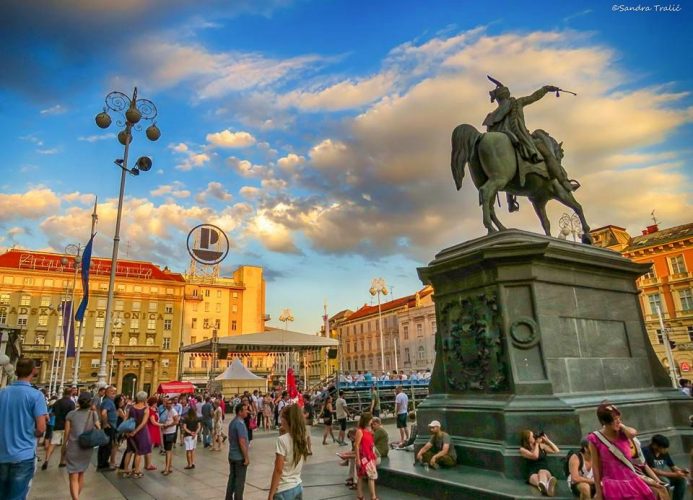
Zagreb is the kind of capital that often surprises people.
Croatia’s largest city sits in the country’s northwest, close to the Slovenian border, with the Medvednica mountain slopes behind it and a relaxed Central European feel that is very different from the postcard beach towns on the Adriatic.
It has grand Austro Hungarian architecture, lively café culture, open air markets, leafy parks, and a compact center that is easy to explore on foot.
From a traveler’s point of view, Zagreb feels more lived in than overly touristy, which is part of its charm.
It is also one of those cities where the first impression is usually calm rather than chaotic.
That does not mean you should drop your guard, but for most visitors, Zagreb is a comfortable and manageable destination where common sense goes a long way.
Warnings & Dangers in Zagreb

OVERALL RISK: LOW
Zagreb is generally a low risk destination for travelers. Violent crime against tourists is uncommon, daily life feels orderly, and the city center is usually busy enough to feel comfortable. The most likely problems are petty theft, occasional overcharging, and the usual travel mistakes like leaving bags unattended or wandering into poorly lit areas late at night.

TRANSPORT & TAXIS RISK: LOW
Public transport in Zagreb is reliable, cheap, and widely used by locals, which is always a good sign for travelers. Trams and buses are usually the easiest way to get around. Taxi risk is relatively low, but visitors should still use licensed taxis or ride hailing apps and confirm pricing before getting in, especially from transport hubs or the airport.

PICKPOCKETS RISK: MEDIUM
Pickpocketing is not the city’s defining problem, but it is one of the more realistic risks for tourists. Crowded trams, bus stations, Christmas markets, festivals, and popular downtown areas create easy openings for distraction theft. Keep your phone out of back pockets, zip your bag, and stay alert in places where people bunch together or rush past one another.

NATURAL DISASTERS RISK: MEDIUM
Zagreb does not face constant natural disaster pressure, but the risk is not zero. Croatia has dealt with earthquakes, floods, heatwaves, and storms, and Zagreb still remembers the damaging earthquakes that hit the wider area in 2020. Travelers are unlikely to be affected during a short stay, but it is wise to know emergency exits and check weather alerts if heavy rain or severe heat is forecast.

MUGGING RISK: LOW
Mugging risk in Zagreb is low compared with many European capitals. Most visitors will never encounter anything more threatening than an overly persistent drunk person near nightlife areas or transit zones late at night. Still, empty parks, underpasses, and isolated streets are worth avoiding after dark, especially if you are carrying valuables or clearly look distracted.

TERRORISM RISK: LOW
The terrorism risk for ordinary travelers in Zagreb is low. Croatia is not usually singled out as a major terrorism concern, though it remains part of Europe and shares the same broad background risk that exists across the continent. In practical terms, that means staying aware in transport hubs, public squares, festivals, and government areas without letting the issue dominate your trip.

SCAMS RISK: MEDIUM
Scam risk is fairly low in Zagreb, especially compared with heavily touristed capitals. You are more likely to run into small scale annoyances than elaborate fraud. Common issues include taxi overcharging, inflated prices in tourist facing bars, and people distracting you while an accomplice targets your wallet or phone. Nothing too dramatic, but enough to justify a little caution.

WOMEN TRAVELERS RISK: LOW
Women traveling in Zagreb will usually find the city manageable and relatively comfortable. Solo female travel is common, the center is active, and public transport is widely used by all ages. The same late night rules apply here as anywhere else: avoid isolated areas, limit heavy drinking if alone, and use licensed rides after dark instead of accepting random offers.

TAP WATER RISK: LOW
Tap water in Zagreb is generally safe to drink, and many locals rely on it every day without thinking twice. For most travelers, the bigger issue is not safety but taste preferences or building plumbing in older accommodation. If the water looks cloudy for a moment after turning on the tap, that is usually harmless air bubbles, but ask your host if you are unsure.
Safest Places to Visit in Zagreb
Upper Town
Upper Town is one of the safest and most rewarding areas for first time visitors.
It is historic, compact, and packed with landmarks like St. Mark’s Church, stone streets, museums, and panoramic viewpoints.
During the day it feels calm and polished, with enough foot traffic to stay comfortable.
It is ideal for wandering slowly rather than rushing from one attraction to another.
Lower Town
Lower Town is where many travelers spend the most time, and for good reason.
This part of Zagreb has elegant boulevards, major squares, shopping streets, theaters, and plenty of cafés.
Ban Jelačić Square is the city’s main meeting point and a useful anchor if you are learning your way around.
It is busy, visible, and usually feels safe, though you should watch your belongings in crowds.
Maksimir Park
If you want green space without feeling cut off from the city, Maksimir Park is a great choice.
It is one of Zagreb’s oldest public parks and offers lakes, walking paths, wooded areas, and a more peaceful side of the capital.
Go during daylight hours and it feels like a relaxing break from urban sightseeing.
It is especially good for families and travelers who want a low stress outing.
Jarun
Jarun is a favorite local recreation area known for its lake, walking trails, sports facilities, and summer atmosphere.
In daytime it is an easy, low tension place to spend a few hours, especially if you enjoy cycling, jogging, or simply sitting by the water.
Parts of the area become more nightlife focused after dark, so daytime visits are the better option if safety and calm are your priorities.
Places to Avoid in Zagreb
Areas Around The Main Bus Station Late At Night
The area around Zagreb’s main bus terminal is not a no go zone, but it is one of the places where travelers should be more alert.
Stations attract crowds, confusion, luggage, and opportunists.
During the day it is mostly a practical transport point.
Late at night, especially if you look lost, tired, or overloaded with bags, it becomes a place where petty theft and uncomfortable encounters are more likely.
Poorly Lit Parts Of Parks After Dark
Zagreb has attractive parks and green spaces, but some of them feel very different once the sun goes down.
Ribnjak and other park areas near the center are fine for most people during the day, yet quieter corners can feel isolated late at night.
This is less about major crime and more about reducing the chance of harassment, drunken behavior, or simply ending up somewhere that feels unnecessarily tense.
Empty Side Streets Near Nightlife Zones
Popular nightlife streets are generally busy and manageable, but the risk rises when you drift off into empty side streets after midnight.
Alcohol changes people’s judgment fast, and travelers who are distracted, alone, or visibly intoxicated are always easier targets.
Stick to well lit main roads, order a proper ride, and do not turn a short walk home into a random adventure through unfamiliar backstreets.
Isolated Transit Areas
Train platforms, tram stops, and quieter interchange points are usually fine during the day.
They are less appealing when the crowds thin out.
If you arrive very late, stay where there is lighting and visibility, keep your phone charged, and avoid standing around with valuables out.
Zagreb is not a city that demands paranoia, but it rewards simple, boring, smart decisions.
Safety Tips for Traveling to Zagreb
- Keep your valuables zipped and in front of you in crowded areas. The biggest realistic risk in Zagreb is petty theft, not dramatic street crime. Markets, tram lines, busy squares, and transport hubs are the places where a loose phone or open bag can disappear quickly.
- Use official taxis or trusted ride apps. Most rides go perfectly fine, but airports and transport stations are classic spots for overcharging in almost any city. If you are not using a ride app, ask for the approximate fare before the trip starts.
- Stay on well lit streets after dark. Zagreb’s center is usually comfortable in the evening, but some parks, side streets, and quieter blocks become far less appealing at night. There is rarely a good reason to take the loneliest route.
- Do not flash cash, expensive watches, or luxury handbags. Zagreb is relatively safe, but advertising valuables is never a good travel strategy. Looking low key helps everywhere, whether you are ordering coffee, boarding a tram, or waiting outside a station.
- Watch your drink and pace your nightlife. The city has a good bar scene, and most nights out end exactly the way they should. Still, heavy drinking is one of the fastest ways to lose judgment, get separated from friends, or make yourself an easy target.
- Learn a few transport basics before you arrive. Knowing how the trams work, where your stop is, and how to validate a ticket reduces confusion and stress. Confused travelers are easier to overcharge, misdirect, or distract.
- Keep emergency numbers and your accommodation details offline. If your battery dies or your phone loses signal, you still need to know where you are going. A screenshot or small paper note with your hotel address can save a lot of hassle.
- Check weather forecasts if you are visiting in winter or during summer heat. Zagreb can be cold, wet, and icy in winter, while summer can be surprisingly hot. Safety is not only about crime. Packing the wrong clothes can ruin your day just as effectively.
- Be extra alert at stations and large public events. Festivals, Advent markets, sports crowds, and stations are exactly where small thefts become more common. That does not mean avoiding these places. It just means being mentally switched on while you enjoy them.
- Buy travel insurance before the trip. Even in a city with relatively low risk, missed flights, lost baggage, illness, and sudden changes happen. Insurance is one of those boring purchases that feels unnecessary until it becomes the smartest decision you made.
So... How Safe Is Zagreb Really?
Zagreb is one of the safer capital cities in Europe for ordinary travelers, especially if you compare it with destinations where aggressive scams, violent street crime, and chaotic transport systems are common.
The city’s overall travel profile leans toward low risk.
Public spaces are generally orderly, violent crime against visitors is uncommon, and most trips pass without any serious safety issue.
That said, low risk does not mean no risk.
Pickpocketing remains the most practical concern, especially around transit hubs, tourist areas, and crowded events.
Nightlife can also create the usual late hour problems involving alcohol, poor decisions, and reduced awareness.
The city’s safety story is helped by its walkable center, visible local life, and public transport network that people actually use.
Those are often signs that a place functions well for visitors too.
Natural hazards are the one category that deserves a little more respect than travelers sometimes give it.
Earthquakes, storms, and heatwaves are not everyday events for tourists, but Croatia has enough exposure to them that it is worth paying attention.
My honest take is simple: Zagreb is a very manageable city for tourists.
Come with normal urban awareness, stay organized, and avoid acting like nothing can go wrong.
If you do that, Zagreb is far more likely to feel enjoyable than risky.
How Does Zagreb Compare?
| City | Safety Index |
|---|---|
 Zagreb Zagreb |
80 |
| Zadar |
84 |
| Split |
67 |
| Dubrovnik |
90 |
| Rijeka |
85 |
| Hvar |
85 |
 Ocean City Ocean City | 71 |
| Caliente | 82 |
 Podgorica Podgorica | 51 |
| Kettle Falls | 78 |
| Snellville | 51 |
| Owensboro | 78 |
Useful Information

Visas
Croatia is part of the Schengen area, so many visitors from visa exempt countries can stay for up to 90 days within a 180 day period for tourism. Travelers who do need a short stay visa should apply in advance through the relevant consular channel. Visa rules vary by nationality, so checking before booking is essential.

Currency
Croatia uses the euro, which makes things easier for many European travelers. ATMs are common in Zagreb, cards are widely accepted, and you usually do not need to carry much cash. Skip airport exchange counters if the rates look poor, and always choose to be charged in euros instead of your home currency when paying by card.

Weather
Zagreb has four real seasons. Summers are warm to hot, while winters can be cold, wet, and occasionally snowy. Spring and autumn are often the most comfortable for walking around the city. Pack layers year round, add a proper coat in winter, and do not forget comfortable shoes because Zagreb is best explored on foot.

Airports
The main airport is Franjo Tuđman Airport Zagreb, located outside the city center. It is the primary gateway for international visitors and is usually the most convenient arrival point. You can reach the city by shuttle bus, public transport connections, taxi, or ride app. The airport shuttle to the central bus station is a popular option for many travelers.

Travel Insurance
Travel insurance is worth having even for a relatively safe city like Zagreb. It can help with medical issues, cancellations, lost baggage, and unexpected disruptions that have nothing to do with crime. This is especially useful if your trip includes multiple countries, tight flight connections, or prepaid bookings you would rather not lose.
Zagreb Weather Averages (Temperatures)
Average High/Low Temperature
| Temperature / Month | Jan | Feb | Mar | Apr | May | Jun | Jul | Aug | Sep | Oct | Nov | Dec |
|---|---|---|---|---|---|---|---|---|---|---|---|---|
| High °C |
3 | 6 | 11 | 16 | 20 | 24 | 27 | 27 | 22 | 16 | 9 | 4 |
| Low °C |
-4 | -2 | 1 | 5 | 9 | 12 | 14 | 13 | 10 | 6 | 2 | -2 |
| High °F |
37 | 43 | 52 | 61 | 68 | 75 | 81 | 81 | 72 | 61 | 48 | 39 |
| Low °F |
25 | 28 | 34 | 41 | 48 | 54 | 57 | 55 | 50 | 43 | 36 | 28 |
Croatia - Safety by City
| City | Safety Index |
|---|---|
| Dubrovnik | 90 |
| Hvar | 85 |
| Rijeka | 85 |
| Split | 67 |
| Zadar | 84 |
| Zagreb | 80 |












Love it!
I have family in Croatia (distant relatives) and I got to see them for the first time last year. I loved it! Despite everything happening with COVID in the world, I was able to experience the city and see family I had not seen since I was a toddler! I am planning on going back again later this year!
Cottage cheese
Oh Zagreb, they have this yummy dish that was some sort of cottage cheese. It was amazing and it made me feel stuffed for the whole day. A lot of good hostels too that are bang for your buck. It is an unassuming place and pretty laid back I would say. Making a quick trip there wouldn’t hurt if you’re in Croatia.
Zagreb by night
I live in Zagreb and I don’t know about dangerous neighborhoods where you shouldn’t walk at night. You are more likely to encounter a police patrol than a problem. Zagreb is a safe city, a taxi is cheap even by Croatian standards.
I love Croatian food!
Zagreb has a lot to offer and I found myself wanting to come back. I managed to visit the main attractions like Mimara Museum or the Broken Relationships museum (which is quite something) and the Old Town Gate. There are many bars and restaurants that offer traditional food and I love Croatian food!
One of the best cities to visit from Europe
Zagreb is definitely one of the best places to visit in Europe. It’s also a very safe place. While I saw a few pickpockets trying to do their thing, nothing else jumped at me like other petty crime, not to mention muggings and other crimes that happen in other bigger cities. So aside from some pickpockets that are probably inevitable in larger cities like this one, the place is pretty safe.
We started our Zagreb adventure by walking on the Tkalciceva Street which is one of the most known ones in Zagreb. It has everything you could want from restaurants, cafes, boutiques, a vegetable and fruit market and St. Mark’s Church – which is beautiful inside and out and very easy to spot (you’ll see why if you visit it or do a Google search).
Zagreb is home to lots of museums, all of which you should visit as each has something special about it. The Museum of Contemporary Art is one of the newer ones and the biggest in Croatia actually. The museum has no less than 12000 artworks with most being made by Croatians. There are well prepared tours available to help, educate you on the history of certain pieces of art or answer any questions.
Another interesting museum (well all are interesting) is the Croatian Museum of Naïve Art. Naïve art means the art that has a dreamlike quality plus considerable color to it. It was very popular in the 60s and 70s and many well known Croatian artists chose it to express themselves.
Again, there are many museums in this city and you should make time to visit all of them. Some are very weird in a good way and you won’t be disappointed.
Another pleasant surprise was the Zagreb Botanical Garden. It has over 10,000 various plants and offers an amazing escape from the busyness of city life. There are 2 ponds you can admire, a beautiful bridge and an arboretum to visit.
I was really surprised by how vibrant the nightlife is; it feels like the city has its own pulse after dark. Exploring those hidden bars and trying out local dishes made for such a fun time.
Walking home past St. Mark’s Church after a late night out, with the streets still buzzing and that mix of old buildings and bar music in the air, is what made Zagreb really click for me.
Had a late stroll from Old Town Gate to St. Mark’s Church and couldn’t stop grinning at how everyone just floods the bars that stay open all night.
Can you believe the streets around Ban Jelačić Square were that peaceful at dusk, I was honestly surprised by how calm it felt even with cafes still buzzing?
I once wandered into a tiny café tucked away near the market and the smell of fresh pastries mixed with morning chatter made me feel like I’d stumbled on the city’s little happy secret.
Sure, it’s calm until you realize half the cafes close right when you want a decent coffee, but hey, at least the parks are nice for pacing while you wait.