


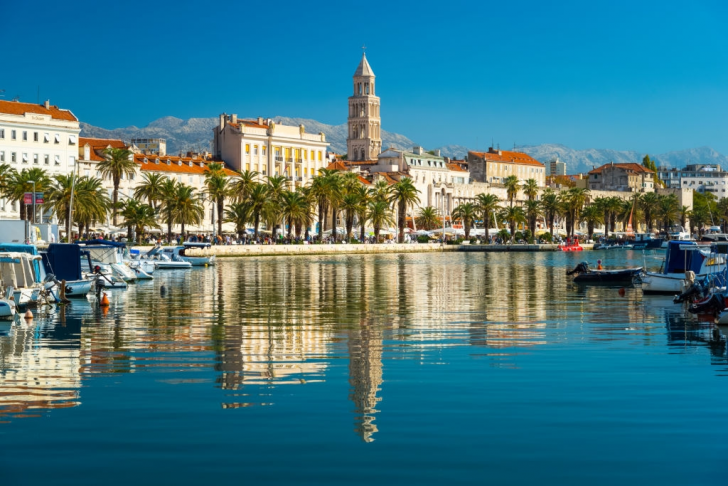
Split is one of those cities that gets under your skin fast.
Sitting on Croatia’s Dalmatian coast, it blends Roman history, Adriatic views, island-hopping energy, and a lived-in local vibe that feels less polished than Dubrovnik and more relaxed than many big European beach cities.
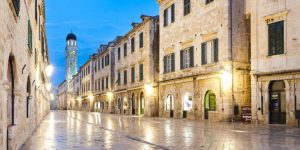
The heart of the city is Diocletian’s Palace, an ancient Roman complex that is not just a monument but part of everyday life, packed with homes, cafes, shops, and winding lanes.
That mix is a huge part of Split’s charm.
In practical terms, it is also one of the easier places in the region for tourists to navigate.
Safety-wise, Split is generally considered a low-risk destination, especially compared with many major European city breaks, though the usual summer-crowd issues still apply, especially around transport hubs, nightlife areas, and packed waterfront zones.
Warnings & Dangers in Split

OVERALL RISK: LOW
Split is generally a low-risk destination for travelers. Violent crime is low, and the more realistic concerns for visitors are petty theft, occasional overcharging, and mistakes made around nightlife or crowded tourist areas. For most people, Split feels comfortable, manageable, and easy to enjoy with normal travel precautions.

TRANSPORT & TAXIS RISK: LOW
Public transport, ferries, airport shuttles, and ride services make getting around Split fairly straightforward. The main issue is not personal safety so much as occasional overcharging or unclear pricing from taxis in tourist-heavy periods. Using official transport, reputable apps, and confirming the fare in advance lowers the risk significantly.

PICKPOCKETS RISK: MEDIUM
Pickpocketing is one of the more realistic annoyances for travelers in Split, especially in summer when the old town, waterfront, bus station, and ferry port are crowded. This does not make the city dangerous, but it does mean tourists should be extra careful with phones, wallets, and bags in busy public places.

NATURAL DISASTERS RISK: MEDIUM
Split is not a destination where natural disasters dominate the travel experience, but the risk is not zero. Croatia can experience earthquakes, floods, strong storms, heatwaves, and wildfires, especially in hotter months along the coast. In Split, this mostly means watching weather conditions, respecting fire warnings, and taking the summer heat seriously.

MUGGING RISK: LOW
Mugging and violent street crime are relatively uncommon concerns for tourists in Split. The bigger issue is petty theft rather than aggressive attacks. Travelers who avoid isolated areas late at night, do not get involved in drunken arguments, and keep valuables out of sight are unlikely to face serious trouble.

TERRORISM RISK: LOW
There is no major reason to view Split as a terrorism-focused destination. As with most cities in Europe, travelers should stay generally aware in crowded public spaces, transport hubs, and popular tourist spots, but this is a background concern rather than one that shapes the average trip to Split.

SCAMS RISK: MEDIUM
Scams in Split tend to be fairly ordinary tourist scams rather than anything highly organized. The most common issues involve taxi overcharging, inflated prices for transfers, and occasional overbilling in nightlife or tourist-heavy businesses. Booking through trusted providers and checking prices clearly before agreeing to anything helps a lot.

WOMEN TRAVELERS RISK: LOW
Split is generally a comfortable destination for women travelers, including those traveling solo. Central tourist areas are lively and easy to navigate, especially during the day and early evening. The usual precautions still apply around drinking, nightlife, and walking alone very late at night, but overall the city feels relaxed and approachable.

TAP WATER RISK: LOW
Tap water in Split is generally safe to drink. Most travelers have no issue using it throughout their stay. In some older buildings the taste may vary slightly, but the water itself is considered clean and reliable. Carrying a refillable bottle is a practical and easy choice in the city.
Safest Places to Visit in Split
Diocletian’s Palace and the Old Town
This is the natural center of most trips to Split and one of the safest areas to explore.
It is busy, highly walkable, and full of restaurants, cafes, and beautiful stone streets that stay active from morning until late evening.
Because there are almost always people around, many travelers feel comfortable here, especially during the day.
The main thing to watch out for is not violent crime but distraction theft in crowded spots.
Even so, it remains the best place to soak up the city’s atmosphere without feeling isolated or uncertain.
Riva Waterfront
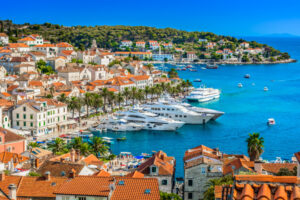
Split’s palm-lined waterfront promenade is one of the easiest places in the city to enjoy.
It is open, visible, and constantly active, with families, tourists, locals, and outdoor cafes creating a friendly environment.
It is a great place for an evening stroll, a coffee break, or simply watching boats move in and out of the harbor.
Since it is so popular, petty theft can happen during peak summer hours, but the overall vibe is relaxed and welcoming.
For most visitors, the Riva feels like the city’s social living room.
Marjan Hill
For travelers who want views, green space, and a break from the busy center, Marjan Hill is one of Split’s safest and most rewarding attractions.
It offers scenic paths, pine trees, lookouts, and a calmer side of the city.
It is best visited during the daytime when walkers, runners, and cyclists keep the area lively.
Bring water, wear good shoes, and stay on marked routes.
It is a peaceful place to explore and one of the best options for travelers who want something beyond beaches and historic streets.
Bacvice Beach by Day
Bacvice is one of Split’s most famous beaches and a very easy place for tourists to enjoy during the daytime.
It is close to the center, popular with families and swimmers, and usually has a social but casual feel.
Because it is so well-known and accessible, it tends to feel comfortable for visitors who want a classic city beach without going far from the action.
Places to Avoid in Split
The Ferry Port, Bus Station, and Train Station Area Late at Night
This part of Split is not truly dangerous, but it is the area where travelers should stay the most alert.
It is busy, transitional, and filled with people arriving, departing, carrying luggage, and looking distracted.
That naturally creates better conditions for petty theft, confusion, and tourist-targeted opportunism.
During the day it is usually fine.
Late at night, especially if you are tired or unsure where you are going, it is easier to make mistakes or become an easy target for overcharging or theft.
Bacvice and Nightlife Zones After Heavy Drinking Hours
Bacvice has a very different personality by night than it does by day.
Once the bars and clubs get busy, the atmosphere becomes louder and more unpredictable.
The risk here is usually not serious street crime but the kind of trouble that comes from too much drinking, poor decisions, lost belongings, and arguments.
Visitors who want to enjoy Split’s nightlife can still do so, but this is not the time to wander around careless, heavily intoxicated, or separated from friends.
Isolated Parts of Marjan After Dark
Marjan is scenic and peaceful, but it is not the best place to be wandering alone after dark.
Once the light fades and the number of people drops, some wooded paths and quieter corners can feel remote.
There is no major reputation for violent incidents, but it is still smarter to save Marjan for daytime exploration when visibility is better and there are more people around.
Anywhere Overcrowded in Peak Summer
In Split, the more useful warning is often about conditions rather than neighborhoods.
During peak summer, the old town, the Riva, beach entrances, and major transport points can become extremely crowded.
That is when petty thieves and small scams are more likely to appear.
If an area feels packed, chaotic, and full of distracted tourists, that alone is a sign to slow down and keep a close eye on your belongings.
Safety Tips for Traveling to Split
- Keep your valuables secure in crowded places. The biggest safety issue in Split for most travelers is petty theft in busy areas rather than serious violent crime. The old town, waterfront, ferry port, and station areas are the places where a loose phone or open bag becomes easy pickings. Use a zipped bag and keep it close to your body.
- Use official taxis or ride apps. Transport in Split is generally simple, but unclear fares and overcharging can still happen, especially around tourist hotspots. If you are not using an app, ask about the price before the ride starts. That small step can save money and avoid a frustrating beginning or end to your day.
- Be smart with nightlife. Split can be a lot of fun after dark, but many tourist problems begin when people drink too much, lose track of their belongings, or end up separated from friends. If you plan to go out, keep your route home simple, watch your drink, and avoid unnecessary confrontations.
- Take the heat seriously. In summer, Split can get very hot, and walking around the stone streets of the old town can be exhausting faster than people expect. Wear light clothing, drink plenty of water, use sunscreen, and avoid pushing yourself too hard during the hottest part of the day.
- Stay on marked paths in outdoor areas. If you are walking on Marjan Hill or exploring beyond the city center, stay on clear routes. It is easy to underestimate rocky terrain, unfamiliar paths, and strong sun. A small injury or getting lost can become a bigger problem than people expect on an otherwise relaxed trip.
- Do not leave valuables unattended at the beach. Beaches create a false sense of safety because everyone is there to relax. That also means distracted tourists sometimes leave phones, wallets, and bags sitting exposed while they swim. Bring only what you need and keep your important items protected.
- Be extra alert when arriving or leaving the city. Travelers are often most vulnerable when they are tired, rushed, and carrying luggage. In Split, that means airport transfers, ferry arrivals, and station areas deserve extra attention. Double-check your bags, keep documents in one secure place, and do not let anyone pressure you into a rushed transport decision.
- Pay attention to weather and fire conditions. Split usually feels calm and sunny, but hot weather, storms, and wildfire risk can affect travel plans. If there are local warnings or closures, take them seriously. The coast is beautiful, but nature can still create real disruption if ignored.
- Avoid showing off valuables. You do not need to act paranoid in Split, but there is no reason to attract attention with expensive jewelry, large amounts of cash, or unattended electronics. Most theft in tourist cities is opportunistic. If you make yourself a difficult target, the odds of a problem drop quickly.
- Buy travel insurance. Even in a relatively safe destination, the most expensive travel problems are often medical issues, missed connections, ferry cancellations, and lost property. Insurance is especially useful if your trip includes island hopping, outdoor activities, or multiple travel bookings that could be disrupted.
So... How Safe Is Split Really?
Split is genuinely one of the safer coastal city destinations in Europe.
For most tourists, it feels comfortable, easy to navigate, and far less stressful than many larger city breaks.
The overall safety picture is strong because serious violent crime against tourists is uncommon, and the risks that do exist are usually manageable with common sense.
That means watching your belongings in crowded places, being cautious with taxis and nightlife, and taking weather and heat more seriously than you might expect.
One reason Split feels approachable is its layout.
Much of what tourists want to see is concentrated in a central, busy, highly walkable area.
That makes it easier to avoid isolated situations and simpler to get back to your accommodation without too much confusion.
At the same time, summer tourism brings crowds, and crowds always increase the chances of pickpocketing, small scams, and careless mistakes.
So how safe is Split really?
In my view, it is a low-risk destination that rewards travelers who stay alert without becoming overly cautious.
You do not need to be nervous here.
You just need to be sensible.
If you use the same awareness you would use in any busy tourist city, Split is likely to feel not only safe, but genuinely enjoyable from the moment you arrive.
How Does Split Compare?
| City | Safety Index |
|---|---|
 Split Split |
67 |
| Hvar |
85 |
| Zagreb |
80 |
| Zadar |
84 |
| Dubrovnik |
90 |
| Rijeka |
85 |
 Jaipur Jaipur | 53 |
 Guthrie Guthrie | 84 |
 Geelong Geelong | 86 |
 Annaba Annaba | 44 |
 Manaus Manaus | 60 |
 Brighton Brighton | 67 |
Useful Information

Visas
Croatia is part of the Schengen Area. Many tourists, including travelers from the United States, Canada, the United Kingdom, Australia, and much of Europe, can stay for up to 90 days within a 180-day period without a visa. Travelers from countries that do require a visa should apply before departure through the proper consular channel.

Currency
Croatia uses the euro, which makes travel in Split simpler for many visitors. Card payments are widely accepted in hotels, restaurants, and shops, though it is still useful to carry some cash for small purchases. It is usually best to withdraw from a bank ATM instead of exchanging money at tourist counters with weaker rates.

Weather
Split has a Mediterranean climate with hot summers and mild winters. In late spring and summer, pack light breathable clothes, sunscreen, sunglasses, and comfortable walking shoes. In spring and fall, evenings can feel cooler, so a light jacket is a smart extra layer to bring.

Airports
The main airport for the city is Split Airport, located a short drive from the center. From there, travelers can reach the city by shuttle bus, taxi, private transfer, or ride service. The route is straightforward, but in high season it helps to arrange your transport in advance to avoid waiting or overpaying.

Travel Insurance
Travel insurance is a smart idea for Split, even though it is generally a safe destination. It can help cover medical issues, delays, cancellations, lost baggage, and unexpected interruptions. If your trip includes ferries, outdoor activities, or island hopping, having insurance becomes even more worthwhile.
Split Weather Averages (Temperatures)
Average High/Low Temperature
| Temperature / Month | Jan | Feb | Mar | Apr | May | Jun | Jul | Aug | Sep | Oct | Nov | Dec |
|---|---|---|---|---|---|---|---|---|---|---|---|---|
| High °C |
12 | 13 | 14 | 17 | 21 | 26 | 29 | 29 | 25 | 20 | 16 | 12 |
| Low °C |
8 | 9 | 10 | 12 | 14 | 18 | 21 | 21 | 18 | 14 | 11 | 7 |
| High °F |
54 | 55 | 57 | 63 | 70 | 79 | 84 | 84 | 77 | 68 | 61 | 54 |
| Low °F |
46 | 48 | 50 | 54 | 57 | 64 | 70 | 70 | 64 | 57 | 52 | 45 |
Croatia - Safety by City
| City | Safety Index |
|---|---|
| Dubrovnik | 90 |
| Hvar | 85 |
| Rijeka | 85 |
| Split | 67 |
| Zadar | 84 |
| Zagreb | 80 |












Avoid winter months!
I got a good deal to go to Croatia a few years ago, I made the mistake of going in the winter and oh boy, when it rains… IT POURS! If you want to spend time outdoors and walking around, do not book a trip in the winter months. If the summer months are too hot, got early spring or late fall. It was otherwise beautiful and I loved it there!
Night life!
The night life is just how I like it, it wasn’t too wild as what I’m used to. It was the right amount of fun. I do agree though that you should be careful in which neighborhoods and places you go to, there are areas where it is just not safe especially if you are a group of ladies going on a night out.
Split is very nice
I agree that there are pickpockets here but this should have a better safety rating as you are pretty safe here. It’s a beautiful place. Visit Palazzo di Diocleziano, the Marjan Park or the Old Split. They are all worth a visit.
Great experience
In Split there is no pickpocketing… people are chill and calm. We were 4 weeks visiting Croatia and we were in Split for 3 weeks. Me, my wife, and a small kid.
We had no inconvenience whatsoever. We stayed in Zagreb for one week and we had seen that a little bit outside of the center there can be a problem with suspicious people but the center of Zagreb is a very safe and good place too.
Split 67 is very very misjudged in my opinion. My wife and kid went walking every night alone after 10 days when we realized it is safe. A very sweet and calm Mediterranean city. With beautiful beaches. Old buildings and remarkable food!
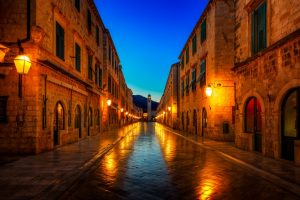
The narrow streets filled with little cafes truly make you feel like you’ve stepped into another world; it’s such a lovely blend of old and new that you can’t help but appreciate the charm everywhere you turn.
Is it true that the little streets are just packed with cafes and vendors? I can only imagine how vibrant that must feel while strolling around.
Is it just me or do those little streets with all the cafes make Split feel more like a laid-back neighborhood than Croatia’s second biggest city?
Can’t believe a place called a big city can make me slow down walking those tiny cobblestone streets with the sea breeze and the smell of espresso carts, it actually calmed me more than I expected.
I somehow got totally lost in those winding lanes around Diocletian’s Palace but honestly, it felt way more like stumbling into someone’s backyard than a tourist trap.
There’s something about wandering those narrow streets inside Diocletian’s Palace that makes you feel like you’ve stepped back in time but without all the touristy rush.
Strolling through Diocletian’s Palace at dusk, I felt like I’d stepped into a living history book where people actually hang out and not just tourists pass through.