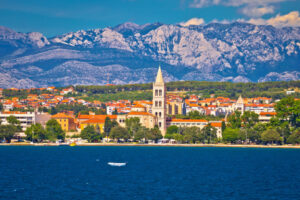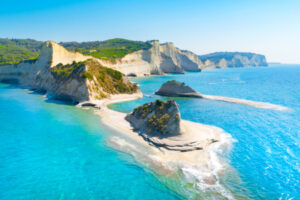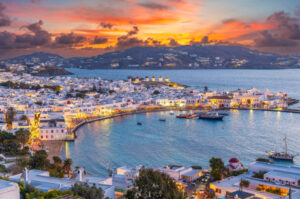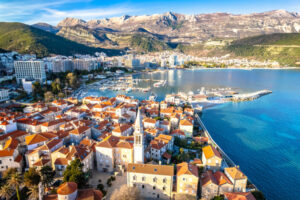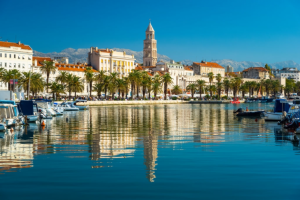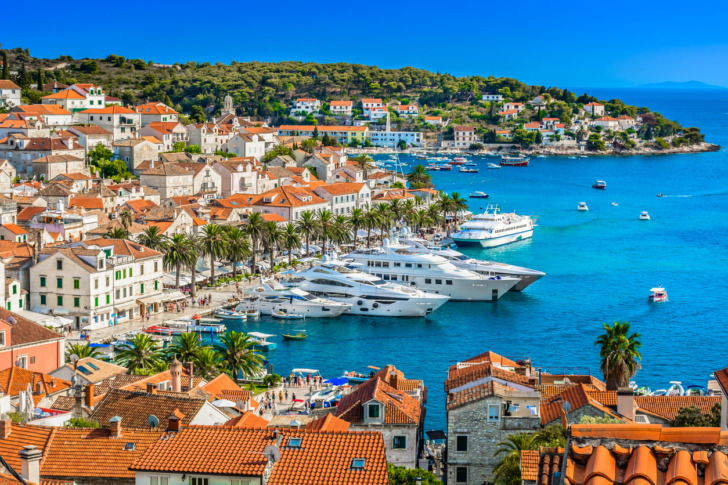
Hvar is one of Croatia’s most glamorous islands, sitting in the Adriatic Sea off the Dalmatian coast, between Split and the islands of Brač, Vis, and Korčula.
It is famous for Hvar Town’s marble streets, Venetian architecture, hilltop fortress, beach clubs, lavender fields, vineyards, hidden coves, clear water, and summer nightlife that can go from elegant sunset drinks to “why are we still awake?” very quickly.
Hvar is generally very safe, especially compared with many party islands around the world.
Violent crime is rare, tourist infrastructure is strong, and the island has a polished, welcoming feel.
But summer crowds, alcohol, boats, scooters, sea conditions, heat, petty theft, and high prices all create practical risks.
Hvar is safe, yes, but it is safest when you do not treat it like a consequence-free postcard.
Warnings & Dangers in Hvar

OVERALL RISK: LOW
Hvar is a low-risk destination for most travelers. Violent crime is rare, tourist areas are well managed, and the island is used to international visitors. The main risks are petty theft, nightlife issues, boat safety, scooter accidents, heat, and expensive tourist pricing. Basic awareness is usually enough.

TRANSPORT & TAXIS RISK: MEDIUM
Transport is safe but can be limited and expensive. Ferries, catamarans, taxis, rental cars, scooters, and boats connect the island, but schedules and availability matter. Roads can be narrow and winding, especially outside Hvar Town. Avoid driving scooters or cars after drinking, and book summer transfers ahead.

PICKPOCKETS RISK: MEDIUM
Pickpocketing is not extreme, but it can happen in Hvar Town, ferry areas, beach clubs, crowded bars, and busy waterfront zones. The risk rises when visitors are distracted, sun-drunk, or actually drunk. Keep phones, wallets, and bags secure, especially around nightlife and boarding areas.

NATURAL DISASTERS RISK: LOW
Hvar has a low natural disaster risk, though summer heat, wildfires, strong winds, rough seas, and occasional storms can affect travel. Croatia also has some regional earthquake risk, but it is not a daily tourist concern. The more realistic issues are sunburn, dehydration, and sea conditions disrupting boat trips.

MUGGING RISK: LOW
Mugging is rare on Hvar. Hvar Town, Stari Grad, Jelsa, beaches, restaurants, and hotel areas are generally safe during the day and evening. Still, avoid isolated paths, empty beaches, and dark roads late at night if alone or intoxicated. Petty theft is much more likely than violent crime.

TERRORISM RISK: LOW
The terrorism risk in Hvar is low. The island is not a major political, military, or financial target. Travelers should use normal awareness in crowded public places, ferry ports, and major events, but terrorism is not a practical concern for most visitors here.

SCAMS RISK: MEDIUM
Scams are usually mild, but overcharging and unclear pricing can happen with taxis, boat rentals, beach clubs, restaurants, party events, and private transfers. Always confirm prices before agreeing. In peak summer, demand is high, and vague pricing can turn into a very Croatian seaside surprise.

WOMEN TRAVELERS RISK: LOW
Hvar is generally safe for women travelers, including solo women. The island is social, busy, and tourist-friendly. Normal precautions still apply: watch drinks, avoid walking alone on dark roads after nightlife, use trusted transport, and choose accommodation close to town if you plan to go out late.

TAP WATER RISK: LOW
Tap water in Hvar is safe to drink. Bring a reusable bottle, especially in summer, because heat, hills, beaches, and alcohol can dehydrate you quickly. Bottled water is easy to find, but not necessary for safety. For remote beaches or boat trips, carry extra water.
Safest Places to Visit in Hvar
Hvar Town
Hvar Town is the island’s main tourist hub and one of the safest places to stay, especially for first-time visitors.
The old town, waterfront promenade, marina, restaurants, cafes, and St. Stephen’s Square are lively and comfortable during the day and evening.
The main risks are summer crowds, nightlife-related issues, and petty theft around bars or ferry areas.
If you want convenience, Hvar Town is hard to beat.
St. Stephen’s Square
St. Stephen’s Square is the social center of Hvar Town and a safe place to wander, eat, people-watch, and get your bearings.
It is open, bright, and usually busy.
During peak season, it can get crowded, especially in the evenings.
Keep your phone and wallet secure while taking photos or sitting at outdoor tables.
Fortica Fortress
The Spanish Fortress, also called Fortica, is one of the safest and best viewpoints on the island when visited in daylight.
The walk up is steep but manageable, and the views over Hvar Town and the Pakleni Islands are excellent.
Wear decent shoes, bring water in summer, and avoid climbing around edges or walls for photos.
Stari Grad
Stari Grad is quieter and calmer than Hvar Town, making it one of the safest-feeling places on the island.
It has a pretty harbor, old stone lanes, restaurants, and access to one of the oldest cultivated plains in the Mediterranean.
It is a good base for travelers who want charm without the late-night party energy.
Jelsa
Jelsa is another safe, relaxed town on Hvar, popular with families, couples, and travelers who prefer a slower pace.
It has a pleasant harbor, cafes, nearby beaches, and a more local feel.
It is safe during the day and evening, though you should still use normal caution with belongings and transport after dark.
Places to Avoid in Hvar
Isolated Beaches After Dark
Hvar’s coves and beaches are beautiful, but empty beach areas at night are not ideal.
The risk is not extreme, but darkness, alcohol, valuables, rocks, uneven paths, and lack of nearby help can create problems.
If you want a beach evening, stay near active bars, restaurants, or organized beach clubs.
Dark Roads After Nightlife
Many roads and walking routes outside Hvar Town are narrow, dark, and not designed for careless late-night wandering.
Avoid walking long distances after drinking, especially along roads without sidewalks.
Use a taxi, transfer, or stay close to your accommodation.
Hvar is safe, but roads and alcohol are a bad team.
Unlicensed Boat Rentals
Boating around Hvar can be fantastic, but avoid vague or poorly managed rentals.
If a boat operator does not explain fuel, safety gear, weather rules, pricing, return time, or licensing requirements, walk away.
The Adriatic is usually calm-looking, but wind and sea conditions can change.
Ferry and Catamaran Crowds
The ferry and catamaran areas are safe, but they can become crowded in summer.
This is where luggage, phones, wallets, and tickets can go missing if you are distracted.
Arrive early, keep bags close, and do not wait until the last minute to figure out your departure point.
Expensive Beach Clubs Without Checking Prices
Hvar has stylish beach clubs and waterfront venues, but prices can be high.
Before ordering drinks, taking a sunbed, or booking a party event, check the menu, minimum spend, service charges, and return transport.
The danger here is financial, not physical, but it can still hurt.
Safety Tips for Traveling to Hvar
- Plan your ferry or catamaran carefully. Hvar depends heavily on sea transport, and schedules matter. Ferries and catamarans can fill up in peak season, and weather can affect routes. Know whether your boat goes to Hvar Town, Stari Grad, or another port, because they are not the same place. Arrive early, keep tickets handy, and protect luggage in crowds.
- Book summer accommodation early. Hvar gets extremely busy in July and August. Good hotels, apartments, transfers, restaurants, and boat tours can sell out or become expensive quickly. Booking early helps you stay in a safer, more convenient location and avoids last-minute desperation. Hvar is not the best island for improvising at 10 PM with luggage.
- Watch your drink during nightlife. Hvar has a lively party scene, especially in Hvar Town and nearby beach clubs. Most nights out are safe, but alcohol raises the risk of theft, drink spiking, accidents, and bad transport choices. Keep your drink in sight, stay with your group, and know how you are getting back before the night gets loose.
- Do not drive after drinking. This sounds obvious, but Hvar makes it tempting because distances look short. Roads can be narrow, dark, winding, and unfamiliar. Scooters, cars, pedestrians, and taxis all share limited space. If you plan to drink, do not rent a scooter or drive back afterward. Use taxis, transfers, or stay within walking distance.
- Use reputable boat operators. Boat trips to the Pakleni Islands, Blue Cave, Vis, or hidden coves are some of the best experiences from Hvar. Choose operators with clear safety standards, life jackets, weather policies, and transparent pricing. Do not pressure captains to go out in bad conditions. The best boat day is the one that returns without drama.
- Keep beach valuables minimal. Bring only what you need to the beach: small cash, one card, water, sunscreen, towel, and maybe your phone. Do not bring passports, expensive jewelry, or large wallets. If you swim, use a waterproof pouch or have someone watch your things. A beach bag alone on the rocks is not security. It is wishful thinking.
- Wear good shoes for stone streets and paths. Hvar’s old streets, fortress paths, rocky beaches, and coastal walks can be slippery or uneven. Comfortable shoes with grip are useful, especially if you are walking up to the fortress, exploring villages, or returning after dinner. Stylish sandals are fine until the stone pavement starts negotiating with your ankles.
- Protect yourself from heat. Summer on Hvar can be hot, bright, and dehydrating. Use sunscreen, wear sunglasses, bring a hat, and drink water throughout the day. Heat feels worse when combined with alcohol, boat trips, stairs, and beach time. Take breaks in the shade and avoid long walks in the strongest midday sun.
- Confirm prices before accepting services. Ask the cost before taking taxis, private transfers, beach chairs, boat rides, tours, or luggage help. This is especially important in high season, when prices rise and availability shrinks. Most businesses are legitimate, but clear pricing prevents awkward arguments and surprise bills.
- Respect the sea and wind. The Adriatic around Hvar is usually gorgeous, but wind can change boat conditions quickly. Do not swim too far from shore, avoid jumping into unknown water, and be careful around rocky coastlines. If a captain, lifeguard, or local advises against swimming or boating, listen. The sea does not care how good your itinerary looks.
So... How Safe Is Hvar Really?
Hvar is very safe for travelers from a crime perspective.
Violent crime is rare, the island is tourism-focused, and the main towns are comfortable to explore.
Families, couples, solo travelers, yacht travelers, backpackers, and nightlife-focused visitors can all enjoy Hvar safely if they make smart choices.
The real risks are practical.
In peak summer, Hvar gets crowded, expensive, and party-heavy.
That creates more chances for petty theft, unclear pricing, bad transport decisions, and alcohol-related incidents.
Outside town, roads can be narrow and dark.
Around the coast, boat trips, rocky beaches, sea urchins, wind, and sun exposure all need attention.
I would rate Hvar as low risk overall, with medium risk for nightlife, transport, and boat activities.
Stay near a convenient base, protect your belongings, use reputable tour operators, confirm prices, avoid drunk driving or scooter riding, and take the sea seriously.
Do that, and Hvar is one of the safest and most enjoyable island destinations in Croatia.
How Does Hvar Compare?
| City | Safety Index |
|---|---|
 Hvar Hvar |
85 |
| Rijeka |
85 |
| Dubrovnik |
90 |
| Zadar |
84 |
| Zagreb |
80 |
| Split |
67 |
 Cañon City Cañon City | 87 |
 Yangshuo Yangshuo | 77 |
 Rabat Rabat | 75 |
| Woonsocket | 65 |
 Chennai Chennai | 50 |
| White Plains | 77 |
Useful Information

Visas
Hvar is part of Croatia, which is in the Schengen Area. Many travelers can visit visa-free for up to 90 days in a 180-day period, while others need a Schengen visa before arrival. Your Schengen allowance applies across member countries, so check passport validity and travel dates before booking.

Currency
Hvar uses the euro. Credit and debit cards are widely accepted in hotels, restaurants, shops, beach clubs, and tour offices, but cash is useful for small cafes, tips, taxis, local markets, and some boat services. Prices are highest in July and August, especially in Hvar Town.

Weather
Hvar has a Mediterranean climate with hot, dry summers and mild winters. Summer is best for beaches and nightlife, but it is also crowded and expensive. Spring and autumn are better for walking, wine tasting, and calmer travel. Pack light clothing, swimwear, sunscreen, sunglasses, a hat, and comfortable shoes.

Airports
Hvar does not have an airport. Most travelers fly into Split Airport, then take a ferry or catamaran from Split to Hvar Town or Stari Grad. Some routes also connect with Dubrovnik, Korčula, and other islands in season. Ferry schedules vary, so plan transfers carefully, especially after late flights.

Travel Insurance
Travel insurance is recommended for Hvar, especially if your trip includes ferries, boat tours, scooters, rental cars, prepaid hotels, nightlife, or island-hopping. Good coverage should include medical care, cancellations, theft, lost luggage, delays, ferry disruption, and water activities. Check exclusions if you plan to rent a scooter or boat.
Hvar Weather Averages (Temperatures)
Average High/Low Temperature
| Temperature / Month | Jan | Feb | Mar | Apr | May | Jun | Jul | Aug | Sep | Oct | Nov | Dec |
|---|---|---|---|---|---|---|---|---|---|---|---|---|
| High °C |
11 | 13 | 15 | 17 | 22 | 27 | 30 | 30 | 26 | 21 | 17 | 13 |
| Low °C |
7 | 7 | 9 | 11 | 15 | 19 | 21 | 21 | 17 | 15 | 12 | 8 |
| High °F |
52 | 55 | 59 | 63 | 72 | 81 | 86 | 86 | 79 | 70 | 63 | 55 |
| Low °F |
45 | 45 | 48 | 52 | 59 | 66 | 70 | 70 | 63 | 59 | 54 | 46 |
Croatia - Safety by City
| City | Safety Index |
|---|---|
| Dubrovnik | 90 |
| Hvar | 85 |
| Rijeka | 85 |
| Split | 67 |
| Zadar | 84 |
| Zagreb | 80 |