 Armenia : Safety by City
Armenia - safety as a country
Tsaghkadzor is Armenia’s best-known mountain resort, located in Kotayk Province about 50 kilometers northeast of Yerevan.
Its name translates roughly to “Valley of Flowers,” which fits the green summer landscape surprisingly well, although winter is when the town becomes busiest.
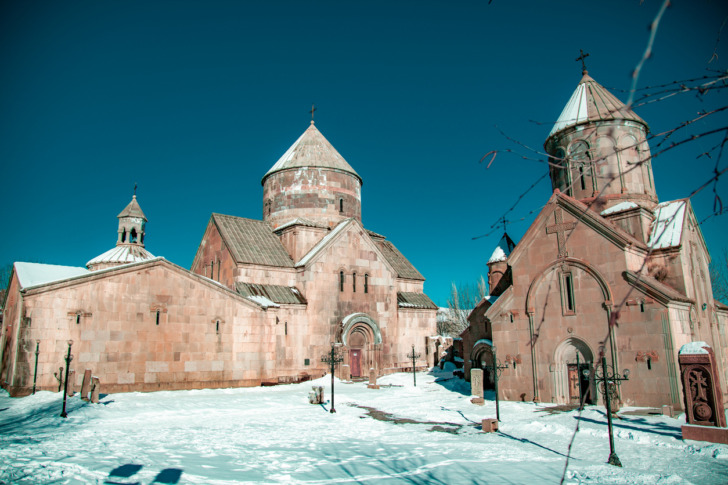
Skiers and snowboarders arrive for the slopes of Mount Teghenis, while year-round visitors come for forest walks, mountain views, spas, casinos, and the medieval Kecharis Monastery.
The ropeway climbs from approximately 1,966 meters to 2,819 meters above sea level, giving the resort a much more serious mountain setting than its compact town center suggests.
Tsaghkadzor is generally safe, friendly, and easy to visit.
The biggest dangers are winter roads, ski injuries, changing weather, earthquakes, altitude, and occasional petty theft.
Warnings & Dangers in Tsaghkadzor

OVERALL RISK: LOW
Tsaghkadzor is a low-risk destination for ordinary tourists. Serious crime is uncommon, central areas are calm, and the town is accustomed to receiving domestic and international visitors. The main concerns are mountain weather, ski injuries, icy streets, road accidents, petty theft, and Armenia’s broader regional tensions, which mainly affect areas near the Azerbaijani border.

TRANSPORT & TAXIS RISK: MEDIUM
Transport risk is medium because Tsaghkadzor is reached by mountain roads that can become snowy, icy, foggy, or congested in winter. Taxis and private transfers are generally safe, but prices should be agreed upon in advance. If renting a car, confirm that it has winter tires and avoid driving during severe snow or poor visibility.

PICKPOCKETS RISK: LOW
Pickpocketing is not a major problem, but phones, wallets, ski passes, and bags can disappear in crowded lift areas, rental shops, hotel lobbies, buses, and restaurants. Keep valuables in zipped pockets and avoid leaving belongings unattended beside the slopes. Expensive ski equipment should be locked or stored securely overnight.

NATURAL DISASTERS RISK: MEDIUM
Tsaghkadzor has a medium natural-disaster risk because Armenia is earthquake-prone and the mountain environment brings heavy snow, ice, fog, strong winds, and possible avalanche conditions outside controlled slopes. Summer storms can also develop quickly. Follow resort closures, stay on marked routes, and check weather before hiking or skiing.

MUGGING RISK: LOW
Mugging is rare in Tsaghkadzor, particularly around the town center, hotels, monastery, and ski facilities. Visitors should still avoid dark forest paths, empty side roads, and isolated parking areas late at night. Carry limited cash, do not display expensive belongings unnecessarily, and use a taxi when returning to distant accommodation after drinking.

TERRORISM RISK: LOW
The terrorism risk in Tsaghkadzor is low. The resort is not a prominent political or strategic target, and most visitors are unlikely to encounter security-related problems. Armenia’s more serious security concerns involve areas close to the Azerbaijani border. Travelers should avoid restricted border regions and monitor developments before taking wider road trips.

SCAMS RISK: LOW
Scams are uncommon but may involve inflated taxi fares, unclear ski-rental charges, unofficial instructors, unfavorable currency exchange, or misleading accommodation descriptions. Confirm prices before accepting services and inspect rental equipment before leaving the shop. Book lessons, tours, and transfers through established businesses or well-reviewed accommodation providers.

WOMEN TRAVELERS RISK: LOW
Tsaghkadzor is generally safe for women, including solo travelers. Central areas, hotels, restaurants, and resort facilities are comfortable during the day and evening. Women should use normal precautions around nightlife, avoid isolated forest paths after dark, and use reliable transportation when staying outside the compact center.

TAP WATER RISK: LOW
Tap water in Tsaghkadzor is generally considered safe, although taste and plumbing quality can vary between older buildings and private accommodation. Travelers with sensitive stomachs may prefer bottled or filtered water. Staying hydrated is especially important when skiing, hiking, drinking alcohol, or spending time at higher elevations.
Safest Places to Visit in Tsaghkadzor
Kecharis Monastery
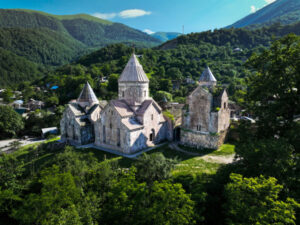
Kecharis Monastery is one of Tsaghkadzor’s most important landmarks and a peaceful place to visit during daylight.
The medieval complex sits close to the town center and is surrounded by open space and mountain scenery.
The grounds are generally safe, but stone surfaces can become slippery after rain or snow.
Dress respectfully and avoid interrupting religious services.
Tsaghkadzor Ropeway and Marked Slopes
The ropeway and controlled ski area are among the safest places to enjoy Mount Teghenis.
Lift stations are busy during ski season, and marked slopes receive more monitoring than remote mountain terrain.
Follow signs, wear a helmet, choose runs appropriate for your ability, and check which lifts are operating before heading up.
Central Tsaghkadzor
The central streets around hotels, cafes, restaurants, shops, and public spaces are generally comfortable during the day and evening.
Tsaghkadzor is compact enough to explore on foot, although sidewalks can become icy in winter.
Central accommodation is the easiest option for first-time visitors because it reduces nighttime travel.
Orbeli Brothers Museum
The Orbeli Brothers Museum offers a safe and interesting indoor stop for travelers interested in Armenian science and culture.
It is particularly useful during bad weather or when ski lifts are closed.
The surrounding central area is easy to reach, and a museum visit can be combined with Kecharis Monastery and nearby restaurants.
Forest Trails During Daylight
The wooded areas surrounding Tsaghkadzor are excellent for gentle summer walks and autumn scenery.
Use established paths, begin early, and return before dark.
Conditions become more serious in winter, when snow can hide trails, ice can form, and daylight ends early.
Places to Avoid in Tsaghkadzor
Tsaghkadzor does not have dangerous neighborhoods or recognized tourist no-go districts.
The places worth avoiding are determined by weather, terrain, isolation, and time of day.
Closed and Off-Piste Ski Terrain
Avoid slopes, forest sections, and mountain routes marked as closed.
Off-piste terrain can contain avalanche danger, hidden rocks, sudden drops, deep snow, and areas beyond regular patrol coverage.
Skiing close to a resort does not automatically make uncontrolled terrain safe.
Remote Forest Paths After Dark
Forest trails become difficult to navigate once daylight fades.
Snow, fog, uneven ground, poor phone reception, and freezing temperatures can turn a short walk into a serious problem.
Avoid entering quiet wooded areas late in the afternoon unless you know the route and have appropriate equipment.
Icy Side Roads and Steep Hotel Approaches
Some accommodation is located along steep or narrow roads outside the center.
These routes can become slippery during winter, especially early in the morning and after sunset.
Avoid walking along icy roads without proper footwear, and do not attempt them in an unsuitable rental car.
Abandoned or Unfinished Buildings
Do not enter abandoned Soviet-era structures, unfinished construction sites, restricted utility areas, or unused lift infrastructure.
These locations may contain unstable floors, exposed metal, broken glass, unprotected drops, and limited lighting.
They offer little tourist value and can create unnecessary legal or physical risk.
Mountain Roads During Severe Weather
Avoid driving between Tsaghkadzor, Hrazdan, Lake Sevan, and Yerevan during intense snow, freezing rain, or poor visibility.
Delaying the trip is safer than following local drivers who may be more experienced with winter conditions.
Road closures and delays can occur with little warning.
Safety Tips for Traveling to Tsaghkadzor
- Check lift and weather conditions every morning. Conditions can differ dramatically between the town and the upper sections of Mount Teghenis. Wind, fog, ice, snowfall, and mechanical closures may affect individual lifts. Check official resort information before renting equipment or buying passes, and do not assume that every section will remain open throughout the day.
- Choose slopes that match your ability. Tsaghkadzor offers terrain for different experience levels, but some upper runs are steeper and more exposed than beginners expect. Take lessons if you are new, wear a helmet, and do not follow experienced friends onto difficult slopes simply because they promise it will be easy.
- Stay out of uncontrolled terrain. Fresh snow beyond the marked pistes may look inviting, but off-piste areas can contain avalanche hazards, rocks, cliffs, and deep snow. Only enter backcountry terrain with suitable training, rescue equipment, local knowledge, and a qualified guide. Closed areas should always be treated as genuinely closed.
- Use a reliable transfer from Yerevan. Prearranging a transfer is often easier and safer than negotiating with random drivers. Confirm the fare, vehicle, pickup location, and whether winter equipment is available. During snowstorms, allow extra travel time and avoid pressuring the driver to continue when road conditions are deteriorating.
- Wear shoes with proper grip. Many visitor injuries happen while walking rather than skiing. Hotel entrances, monastery paths, parking areas, and side streets can become icy. Bring waterproof winter shoes with textured soles. Move slowly on slopes and use handrails when available.
- Protect your ski equipment and valuables. Keep phones, wallets, documents, and ski passes inside secure pockets. Do not leave rental skis, snowboards, helmets, or bags unattended outside restaurants for long periods. Record equipment numbers or take a quick photo so mixed-up or missing rental gear is easier to identify.
- Limit alcohol before outdoor activities. Tsaghkadzor has restaurants, bars, casinos, and resort nightlife, but alcohol combines badly with altitude, cold, skiing, and icy roads. Finish mountain activities before drinking and arrange a taxi back to your hotel. Do not ski or drive after a heavy lunch involving Armenian brandy.
- Prepare properly for summer hikes. Summer temperatures in town can feel comfortable while higher elevations remain cold or windy. Carry water, sunscreen, a charged phone, snacks, and an extra layer. Begin longer routes early and turn back if clouds, fog, lightning, or strong wind develops.
- Know basic earthquake safety. Armenia is seismically active. During strong shaking, drop, cover your head, and hold onto stable shelter. Stay away from windows and do not use elevators. Afterward, follow hotel instructions and move away from damaged buildings, walls, power lines, and unstable structures.
- Avoid unnecessary border-region excursions. Tsaghkadzor itself is far from the most sensitive frontier areas, but travelers exploring wider Armenia should avoid restricted zones near the Azerbaijani border. Use established tourist routes and check current conditions before long road trips. Do not follow navigation apps onto isolated border roads or unfamiliar shortcuts.
So... How Safe Is Tsaghkadzor Really?
Tsaghkadzor is genuinely safe for most tourists.
It has a compact center, established hotels, busy ski infrastructure, family visitors, and a tourism economy that depends on people feeling comfortable.
Violent crime is uncommon, and travelers are much more likely to experience an icy fall or minor ski injury than a serious criminal incident.
The largest safety risks come from the mountain environment.
The ski area reaches approximately 2,819 meters, where wind, visibility, snow quality, and temperature may be very different from conditions in town.
Staying on marked slopes and following lift closures greatly reduces the danger.
Summer visitors face similar responsibilities when hiking, particularly around changing weather and late starts.
Road safety is another important factor.
Winter tires, cautious driving, daylight travel, and reliable transfers matter during snow or ice.
Visitors unfamiliar with mountain driving should not feel pressured to rent a car when taxis and private transfers are available.
Armenia’s regional tensions also deserve awareness, but they do not make Tsaghkadzor an unsafe resort.
The most sensitive areas are near the Azerbaijani border, away from normal Tsaghkadzor and Yerevan itineraries.
Overall, Tsaghkadzor earns a low-risk rating.
Respect the slopes, prepare for cold weather, secure valuables, and avoid dangerous road or backcountry decisions.
With those precautions, it is one of Armenia’s easiest mountain destinations to enjoy.
How Does Tsaghkadzor Compare?
| City | Safety Index |
|---|---|
| Tsaghkadzor |
89 |
| Dilijan |
90 |
| Gyumri |
87 |
| Goris |
78 |
| Vagharshapat |
88 |
| Jermuk |
89 |
| Yerevan |
70 |
 Missoula Missoula | 61 |
| Phenix City | 83 |
 Managua Managua | 65 |
| Socorro | 73 |
| Victorville | 63 |
 Sana’a Sana’a | 36 |
Useful Information

Visas
Visa requirements depend on nationality. Citizens of many countries can visit Armenia without a visa, often for up to 180 days within one year. Eligible travelers who need an electronic visa can apply for a 21-day visa for approximately US$8 or a 120-day visa for approximately US$39. Processing commonly takes up to three working days.

Currency
Tsaghkadzor uses the Armenian dram. Cards are accepted at many hotels, restaurants, ski facilities, and larger shops, but cash remains useful for taxis, small cafes, equipment rentals, and local purchases. Exchange money through banks or established exchange offices, and avoid relying on U.S. dollars or euros for everyday payments.

Weather
Tsaghkadzor has cold, snowy winters and mild, green summers. Ski season generally runs from December into March, depending on snowfall. Winter visitors should pack thermal layers, waterproof clothing, gloves, sunscreen, sunglasses, and shoes with grip. Summer travelers need hiking shoes, sun protection, water, and a warm evening layer.

Airports
Zvartnots International Airport near Yerevan is the main arrival point for Tsaghkadzor. The drive normally takes around one to one and a half hours, depending on traffic and weather. Taxis, hotel transfers, rental cars, and private drivers are available. Book ahead during ski season and after late-night arrivals.

Travel Insurance
Travel insurance is strongly recommended, especially for skiing, snowboarding, hiking, or driving. Confirm that the policy covers winter sports, medical treatment, mountain rescue, equipment loss, road accidents, cancellations, and evacuation. Off-piste skiing may require additional coverage and may be excluded from standard policies.
Tsaghkadzor Weather Averages (Temperatures)
Average High/Low Temperature
| Temperature / Month | Jan | Feb | Mar | Apr | May | Jun | Jul | Aug | Sep | Oct | Nov | Dec |
|---|---|---|---|---|---|---|---|---|---|---|---|---|
| High °C |
-3 | -2 | 3 | 9 | 16 | 20 | 25 | 24 | 20 | 13 | 5 | -1 |
| Low °C |
-12 | -11 | -7 | -1 | 5 | 9 | 13 | 12 | 8 | 3 | -3 | -1 |
| High °F |
27 | 28 | 37 | 48 | 61 | 68 | 77 | 75 | 68 | 55 | 41 | 30 |
| Low °F |
10 | 12 | 19 | 30 | 41 | 48 | 55 | 54 | 46 | 37 | 27 | 30 |
Armenia - Safety by City
| City | Safety Index |
|---|---|
| Dilijan | 90 |
| Goris | 78 |
| Gyumri | 87 |
| Jermuk | 89 |
| Tsaghkadzor | 89 |
| Vagharshapat | 88 |
| Yerevan | 70 |