


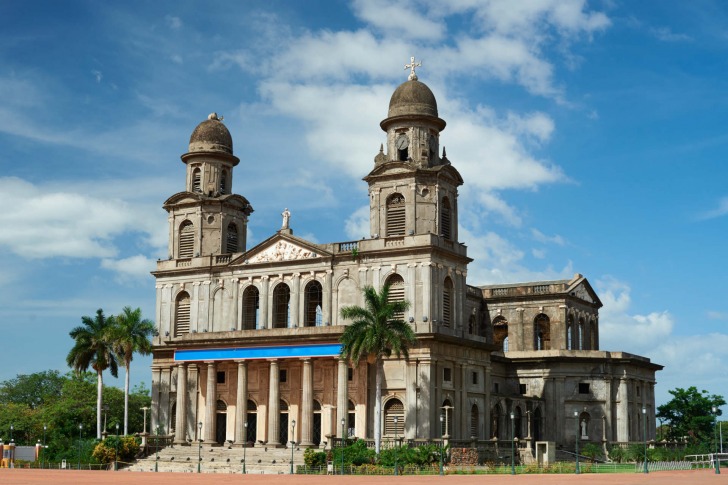
Managua is the capital of Nicaragua and the country’s largest city, sitting on the southwestern shore of Lake Managua in Central America.
With a population of over one million in the metro area, it serves as Nicaragua’s political, economic, and transportation hub.
Unlike many colonial Latin American capitals, Managua does not revolve around a charming historic center.
A devastating earthquake in 1972 reshaped the city, leaving it more spread out and modern than cities like Granada or León.
At first glance, Managua can feel chaotic.
Busy roundabouts replace street names, traffic weaves unpredictably, and modern malls sit beside humble neighborhoods.
But beyond the surface, you will find lakefront sunsets, lively markets, cultural landmarks, and a city that rewards cautious, informed travelers.
The big question is not whether Managua is interesting.
It absolutely is.
The real question is how safe it is for visitors.
Let’s break it down honestly and clearly.
Warnings & Dangers in Managua

OVERALL RISK: MEDIUM
Managua carries a medium overall risk for travelers. Violent crime exists, and petty theft is common, especially in certain neighborhoods. However, tourists who stay in well-known areas, use common sense, and avoid risky behavior can visit without major issues. It is not the safest capital in Central America, but it is far from the most dangerous.

TRANSPORT & TAXIS RISK: MEDIUM
Public buses are cheap but crowded and can be confusing for visitors. Petty theft occurs on buses. Taxis are common and affordable, but unlicensed drivers operate in some areas. It is safest to use hotel-arranged taxis or reputable ride services. At night, avoid public transportation altogether and use prearranged rides.

PICKPOCKETS RISK: MEDIUM
Pickpocketing is not as rampant as in some major global cities, but it does occur in busy areas like markets, bus terminals, and shopping centers. The Mercado Oriental area is particularly notorious for petty theft. Keep phones out of sight and avoid carrying large amounts of cash to reduce risk.

NATURAL DISASTERS RISK: MEDIUM
Nicaragua sits in a seismically active zone. Managua has experienced major earthquakes, including the devastating 1972 quake. The country is also vulnerable to hurricanes, tropical storms, and heavy rains during the wet season from May to November. While disasters are not everyday occurrences, the geographic risk is real.

MUGGING RISK: MEDIUM
Muggings do occur, particularly at night and in poorly lit neighborhoods. Criminals often target individuals walking alone or displaying valuables. Armed robberies happen, though tourists are not always specifically targeted. Avoid deserted streets after dark and do not resist if confronted.

TERRORISM RISK: LOW
There is no significant history of international terrorism targeting Managua. Political unrest has occurred in the past, including protests and clashes in 2018, but these events are typically internal and not aimed at tourists. The risk of terrorism affecting travelers remains low.

SCAMS RISK: MEDIUM
Common scams include inflated taxi fares, distraction techniques in markets, and currency exchange tricks. Some individuals may pose as unofficial tour guides. These scams are usually non-violent but frustrating. Agree on taxi prices beforehand and exchange money at banks or official exchange houses.

WOMEN TRAVELERS RISK: MEDIUM
Women can travel in Managua, but caution is advised. Catcalling and unwanted attention can happen, particularly when walking alone. Solo female travelers should avoid isolated areas at night and use registered taxis. Dressing modestly and staying in reputable accommodations adds an extra layer of safety.

TAP WATER RISK: HIGH
Tap water in Managua is not considered safe for tourists to drink. Even locals often boil water or use purified alternatives. Stick to bottled or filtered water for drinking and brushing teeth. Ice in reputable restaurants is usually purified, but confirm if unsure.
Safest Places to Visit in Managua
When I explore Managua, I focus less on traditional sightseeing districts and more on pockets of the city that feel structured, active, and visibly monitored.
In this capital, safety often comes down to choosing the right micro location.
Zona Hippos and Surrounding Residential Areas
Zona Hippos has long been one of Managua’s most visitor-friendly neighborhoods.
It is filled with restaurants, cafés, boutique hotels, and nightlife spots that attract both locals and foreigners.
Streets here are better lit than in many other parts of the city, and there is usually steady evening foot traffic.
While I still would not wander late at night, this area feels significantly more comfortable than much of central Managua.
Many hotels here have security guards and gated entrances, which adds an extra layer of reassurance.
Carretera a Masaya Corridor
The Carretera a Masaya stretch is one of the most modern and developed areas of Managua.
You will find major hotels, office buildings, embassies, and upscale housing complexes.
The presence of international businesses and diplomatic missions typically brings a stronger security and police presence.
This corridor is also home to some of the city’s better restaurants and commercial centers.
If you are visiting Managua for business or prefer a more controlled environment, this is one of the safest areas to base yourself.
Galerías Santo Domingo and Metrocentro
Managua’s large shopping malls function almost like safe zones.
Galerías Santo Domingo, in particular, is one of the most secure-feeling public spaces in the city.
There are visible security guards, monitored entrances, and structured parking areas.
Metrocentro, another popular mall, also provides a comfortable atmosphere.
While these are not traditional tourist attractions, they are excellent places to withdraw cash safely, meet friends, or relax in a controlled setting.
Puerto Salvador Allende
Located along Lake Managua, Puerto Salvador Allende offers a lively waterfront atmosphere with restaurants, food stands, and family attractions.
On weekends especially, the area fills with families, couples, and groups of friends enjoying the breeze off the lake.
During daylight and early evening hours, this is one of the most pleasant places in the city.
The presence of vendors and crowds adds a sense of safety.
I still recommend leaving before it gets too late at night, but for sunset views and casual dining, it is a solid choice.
Places to Avoid in Managua
Managua is not a city where you should roam without a plan.
Certain districts carry significantly higher risks, especially for visitors unfamiliar with local dynamics.
Mercado Oriental
Mercado Oriental is massive, chaotic, and fascinating.
It is also one of the most crime-prone areas in Managua.
The market stretches for blocks, forming a dense maze of narrow passageways packed with vendors and shoppers.
Pickpocketing and opportunistic theft are common here.
It is easy to get disoriented, and the sheer density of people makes it difficult to notice suspicious behavior.
If you are determined to visit, go during the day, bring minimal valuables, and ideally hire a trusted local guide.
Otherwise, this is an area I recommend skipping.
Parts of the Old City Center
The old downtown area, especially around the ruins of the former cathedral and certain adjacent streets, can feel eerily empty outside of limited tourist stops.
After the 1972 earthquake, much of central Managua was never fully rebuilt, leaving wide open spaces and low foot traffic.
During the day, the main historical landmarks are generally fine for short visits.
After dark, however, the lack of activity and lighting increases risk.
I would not walk alone here in the evening.
Isolated Peripheral Neighborhoods
Managua’s outskirts include informal settlements and lower-income neighborhoods that are not designed for tourism.
These areas often lack clear signage, lighting, and a consistent police presence.
Crime rates can be higher, and outsiders tend to stand out immediately.
Unless you have a specific reason and local guidance, there is no practical reason for a tourist to venture into these districts.
The city is spread out, and getting lost in the wrong area can quickly turn uncomfortable.
Bus Terminals and Unofficial Taxi Zones
Major bus terminals are hotspots for petty theft.
Crowds, luggage, and confusion create ideal conditions for opportunistic criminals.
Likewise, unofficial taxi pickup points can be risky, especially at night.
If you are arriving or departing by bus, keep your belongings close, avoid displaying electronics, and move purposefully.
When in doubt, arrange transportation through your hotel rather than negotiating rides on the street.
Safety Tips for Traveling to Managua
- Stay in a reputable hotel. Choose well-reviewed hotels in areas like Zona Hippos or near Carretera a Masaya. Look for properties with 24-hour reception and visible security. The extra cost is worth the peace of mind.
- Use authorized transportation. Arrange airport transfers through your hotel or use reputable taxi services. Avoid accepting rides from strangers at bus stations or outside malls.
- Avoid walking at night. Even in relatively safe neighborhoods, limit walking after dark. Managua is not a pedestrian-friendly city, and empty streets increase vulnerability.
- Keep valuables out of sight. Do not display expensive phones, cameras, or jewelry in public. Use a discreet bag and consider a money belt for passports and extra cash.
- Monitor political developments. Nicaragua has experienced periods of political unrest. Before traveling, check for any current demonstrations and avoid protest areas entirely.
- Drink bottled water only. Do not drink tap water. Purchase sealed bottled water from reliable stores and use it for brushing your teeth.
- Limit cash withdrawals. Use ATMs located inside banks or shopping malls. Withdraw only what you need for the day and avoid counting money in public.
- Travel in pairs or groups. If possible, explore markets or less familiar areas with a companion. Criminals are less likely to target groups.
- Learn basic Spanish phrases. English is not widely spoken outside hotels and tourist spots. Knowing basic Spanish helps avoid misunderstandings and reduces vulnerability.
- Trust your instincts. If a street feels unsafe or someone makes you uncomfortable, leave immediately. Your intuition is often your best defense.
So... How Safe Is Managua Really?
Managua is not a polished tourist city, and it does face real crime challenges.
Nicaragua, as a country, has historically had lower homicide rates than some of its Central American neighbors, like Honduras and El Salvador, but urban crime still exists.
Petty theft and opportunistic robbery are the main concerns for visitors.
Tourists who experience problems often fall into predictable traps such as walking alone late at night, venturing into high-risk neighborhoods, or displaying valuables.
By contrast, travelers who stay in secure areas and follow basic precautions often report smooth visits.
The city’s infrastructure and layout also play a role.
Managua is spread out, car-dependent, and lacking clear street signage, which can add stress for visitors.
However, it is not a city where tourists are systematically targeted.
In short, Managua is moderately safe with proper precautions.
It requires awareness, planning, and respect for local conditions.
It is not ideal for carefree wandering, but it is manageable for informed travelers.
How Does Managua Compare?
| City | Safety Index |
|---|---|
 Managua Managua |
65 |
 Williamstown Williamstown | 88 |
 Playa del Carmen Playa del Carmen | 68 |
| Stateline | 76 |
 Campinas Campinas | 57 |
 Makati Makati | 60 |
| New Bedford | 74 |
Useful Information

Visas
Many nationalities, including US and EU citizens, can enter Nicaragua visa-free for up to 90 days as tourists. A small tourist entry fee, often around 10 to 13 USD, may be required upon arrival. Always confirm current entry requirements before traveling, as policies can change.

Currency
The official currency is the Nicaraguan córdoba, though US dollars are widely accepted in hotels and larger businesses. It is best to exchange money at banks or official exchange offices. ATMs in shopping malls and banks are the safest option for withdrawals.

Weather
Managua has a tropical climate with a rainy season from May to November and a dry season from December to April. Temperatures often exceed 85°F year-round. Pack lightweight clothing, sunscreen, and a rain jacket if traveling during the wet season.

Airports
Augusto C. Sandino International Airport is Managua’s main airport and the country’s primary international gateway. It is located about 11 kilometers from the city center. Taxis and hotel transfers are the most convenient ways to reach your accommodation.

Travel Insurance
Travel insurance is strongly recommended for Managua. Coverage should include medical emergencies, trip cancellation, and theft protection. Healthcare facilities are limited compared to those in North America, and insurance ensures access to better private clinics if needed.
Managua Weather Averages (Temperatures)
Average High/Low Temperature
| Temperature / Month | Jan | Feb | Mar | Apr | May | Jun | Jul | Aug | Sep | Oct | Nov | Dec |
|---|---|---|---|---|---|---|---|---|---|---|---|---|
| High °C |
31 | 32 | 34 | 34 | 34 | 32 | 32 | 32 | 32 | 31 | 31 | 31 |
| Low °C |
21 | 21 | 22 | 23 | 23 | 23 | 23 | 23 | 23 | 23 | 22 | 20 |
| High °F |
88 | 90 | 93 | 93 | 93 | 90 | 90 | 90 | 90 | 88 | 88 | 88 |
| Low °F |
70 | 70 | 72 | 73 | 73 | 73 | 73 | 73 | 73 | 73 | 72 | 68 |
Nicaragua - Safety by City
| City | Safety Index |
|---|---|
| Managua | 65 |












Nice city
A friend of mine recommended I go visit Managua knowing that I like interesting and not as known places. I am also a bit of a gambler so this place was up my alley. Had lots of fun, made some money 😉 and I plan a return trip next year maybe. The Antigua Catedral de Managua and especially the Tiscapa Lagoon are a must visit when here.
I didn’t expect the lakefront sunset to feel so calming after dealing with those chaotic roundabouts, it actually made me pause and rethink Managua in a way I wasn’t ready for.
I’ve been to Managua a couple times and even though the traffic is a bit wild around those roundabouts, there’s something special about catching the sunset by the lake that makes it worth the hassle.