


 Armenia : Safety by City
Armenia - safety as a country
Dilijan is a forest-wrapped mountain town in northern Armenia’s Tavush Province, about 100 kilometers from Yerevan and a short drive from Lake Sevan.
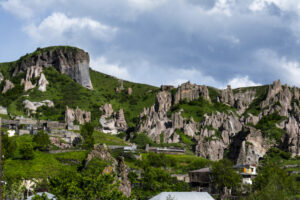
Often nicknamed the “Armenian Switzerland,” it trades Armenia’s dry, rocky scenery for wooded hills, cool air, mineral springs, and traditional houses with carved wooden balconies.
The town is the main gateway to Dilijan National Park, a protected area covering roughly 240 square kilometers and containing monasteries, waterfalls, lakes, and an extensive hiking network.
Dilijan is also known for its creative community, wellness retreats, cafés, and slower pace.
It is generally a safe destination, particularly in the center and established visitor areas.
The most important concerns are mountain weather, hiking preparation, winter roads, stray dogs, limited medical services, and Armenia’s wider regional security situation.
Warnings & Dangers in Dilijan

OVERALL RISK: LOW
Dilijan is a low-risk destination with little violent crime and a relaxed atmosphere. Most visitors can explore the center, monasteries, parks, and nearby lakes comfortably. The main concerns are poor road conditions, outdoor accidents, occasional petty theft, winter weather, and regional tension near Armenia’s eastern border rather than serious crime inside the town.

TRANSPORT & TAXIS RISK: MEDIUM
Taxis and private transfers are generally safe, but travelers should use established apps, hotel-arranged drivers, or reputable companies. Mountain roads can be foggy, icy, poorly lit, and damaged in places. Local minibuses are inexpensive but may be crowded and operate informally. Avoid driving unfamiliar rural roads after dark or during severe weather.

PICKPOCKETS RISK: LOW
Pickpocketing is uncommon in Dilijan because crowds are relatively small. Minor theft is still possible around the bus station, busy cafés, festivals, markets, and popular attractions. Keep wallets and phones secure, and do not leave bags unattended in restaurants, parked cars, or picnic areas.

NATURAL DISASTERS RISK: MEDIUM
Dilijan faces a moderate natural-risk level. Armenia is earthquake-prone, while the surrounding forests and mountains can experience landslides, flash flooding, thunderstorms, snowstorms, falling branches, and occasional wildfires. Trail conditions may change after heavy rain. Winter visitors should be prepared for ice, snow, and sudden road closures.

MUGGING RISK: LOW
Muggings are rare in Dilijan. The central streets and established hotel areas generally feel safe during the day and evening. Normal precautions still apply around dark roads, isolated parks, trail entrances, and empty bus stops. Avoid displaying large amounts of cash or expensive equipment, particularly when walking alone after dark.

TERRORISM RISK: LOW
The direct terrorism risk in Dilijan is low. However, Armenia’s regional security environment can change because of tensions with Azerbaijan. Dilijan is not on the immediate border, but travelers should avoid border districts, military areas, demonstrations, and any roads closed by authorities. Check current conditions before exploring eastern Tavush Province.

SCAMS RISK: LOW
Tourist scams are uncommon. The most likely problems involve inflated taxi fares, unclear excursion prices, unreliable vacation rentals, or guides offering services without fixed terms. Confirm prices before accepting transportation or tours, and use established booking channels. Currency-exchange tricks are less common than in major tourist capitals.

WOMEN TRAVELERS RISK: LOW
Dilijan is generally safe for women, including solo travelers. The center, cafés, hotels, and popular attractions feel comfortable during daylight. Solo women should avoid remote forest trails without sharing their plans, use trusted transportation after dark, and remain cautious around unwanted attention or packs of stray dogs.

TAP WATER RISK: LOW
Tap water in Dilijan is generally considered drinkable, and Armenia is known for mountain-sourced water. However, plumbing quality can vary between older buildings and rural guesthouses. Ask your accommodation about its water supply. Travelers with sensitive stomachs may prefer filtered or bottled water, especially after service interruptions or heavy storms.
Safest Places to Visit in Dilijan
Dilijan Historic Center
The restored historic quarter around Sharambeyan Street is one of the safest and easiest places to begin exploring.
Traditional workshops, guesthouses, galleries, restaurants, and wooden balconies create a pleasant introduction to the town.
It is compact, regularly visited, and comfortable for solo travelers and families.
Dilijan National Park’s Popular Trails
The park contains around 200 kilometers of marked hiking routes, including trails linking forests, villages, monasteries, and lakes.
Well-used routes near town are generally safe when conditions are good.
Download an offline map, carry water, and tell someone where you are going, since phone coverage may weaken deeper inside the forest.
Lake Parz
Lake Parz is a popular recreation area north of Dilijan, surrounded by forest and reached by road.
The lake has cafés, walking areas, boating, and family activities during the main season.
It is safest during daylight when businesses are open.
Watch children near the water and confirm transportation for the return trip.
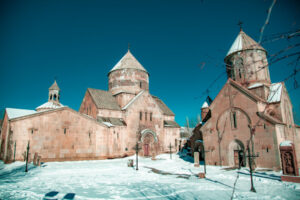
Haghartsin Monastery
Haghartsin Monastery sits in a wooded valley northeast of Dilijan and is one of the region’s most impressive cultural sites.
It attracts regular visitors and is generally safe during the day.
The access road can become slippery or foggy, so use a careful driver and avoid rushing around wet stone steps.
Goshavank Monastery
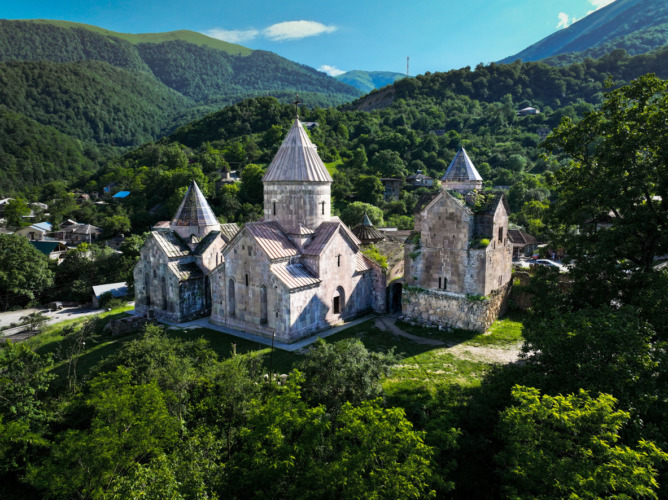
Goshavank is located in Gosh village, within day-trip distance of Dilijan.
The monastery and village are peaceful, historically significant, and commonly visited on organized excursions.
Wear suitable shoes, respect active religious spaces, and avoid wandering onto unfamiliar rural tracks without guidance.
Places to Avoid in Dilijan
There Are No Major Tourist No-Go Neighborhoods
Dilijan does not have a recognized dangerous neighborhood that tourists must avoid.
The town is small, quiet, and considerably less affected by street crime than many larger destinations.
Caution should focus on isolated situations and regional travel rather than particular residential districts.
Remote Forest Trails After Dark
Do not begin long hikes late in the afternoon or remain deep inside Dilijan National Park after sunset.
Trails can become difficult to follow, temperatures drop quickly, and phone reception may be unreliable.
Wildlife encounters are uncommon but possible, while shepherd dogs and loose dogs can be intimidating.
Eastern Border Areas of Tavush Province
Dilijan is well away from the most sensitive sections of Armenia’s border with Azerbaijan, but Tavush Province extends eastward toward restricted and militarized areas.
Avoid border roads, military positions, trenches, checkpoints, and villages subject to official travel warnings.
Never photograph security infrastructure or attempt to bypass a road closure.
Lake Parz and Picnic Areas Late at Night
Lake Parz and forest picnic spots are pleasant during the day but can become isolated after businesses close.
Lighting is limited, transport may be difficult to find, and intoxicated groups may occasionally gather.
Plan to leave before dark unless attending an organized event with arranged transportation.
Mountain Roads During Snow or Heavy Fog
The roads connecting Dilijan with Lake Sevan, Ijevan, Yerevan, and nearby monasteries can become hazardous in winter or during storms.
Avoid unnecessary travel when visibility is poor.
Mountain tunnels, sharp bends, ice, falling rocks, and drivers overtaking unpredictably can create more risk than crime.
Unmarked Paths and Abandoned Structures
Do not enter deteriorating Soviet-era buildings, unfinished construction sites, caves, or unmarked forest paths.
Floors and roofs may be unstable, and emergency assistance can take time to arrive.
Stay on mapped trails and use a guide for unfamiliar routes.
Safety Tips for Traveling to Dilijan
- Download hiking maps before leaving town. Mobile coverage can weaken inside Dilijan National Park, and trails sometimes divide into forestry roads or faint paths. Download an offline map and save your route before starting. Carry a charged phone and power bank, but do not rely on technology as your only navigation tool.
- Tell someone where you are hiking. Share your route, starting point, and expected return time with your hotel, guesthouse, or a reliable contact. Update them if your plan changes. Dilijan’s forests are generally safe, but an ankle injury, sudden storm, or wrong turn can leave a hiker alone for hours.
- Check regional security conditions. Dilijan itself is not on the Azerbaijan border, but it lies within Tavush Province. Avoid improvising day trips toward sensitive eastern border areas. Check road conditions before driving toward Ijevan or more remote parts of the province, and follow all instructions from police or military personnel.
- Use a trusted driver for rural attractions. Haghartsin, Goshavank, Lake Parz, and remote trailheads may require private transportation. Arrange a driver through your accommodation or use a well-known taxi app. Confirm the price and return time beforehand, particularly when visiting places where taxis do not wait regularly.
- Prepare for fast-changing weather. Dilijan is cooler and wetter than Yerevan. Even in summer, forest rain and chilly evenings are possible. Carry a waterproof layer, warm clothing, and shoes with traction. In winter, expect snow, ice, and temperatures that can fall well below freezing overnight.
- Be cautious around stray and shepherd dogs. Loose dogs are common in parts of Armenia. Most avoid confrontation, but shepherd dogs may protect livestock aggressively. Do not run, shout, or approach puppies. Move away slowly, place a backpack or walking pole between yourself and the animal, and avoid walking directly through grazing herds.
- Drive defensively. Armenian roads can include potholes, poorly marked lanes, sharp bends, livestock, and unexpected overtaking. Wear a seat belt and avoid driving at night. Winter tires may be essential during the colder months. Allow more travel time than navigation apps suggest, especially in rain, snow, or fog.
- Protect yourself from ticks and insects. Forest walks can expose travelers to ticks, mosquitoes, and stinging insects. Use repellent, wear long trousers on overgrown trails, and check your body and clothing after hiking. Do not touch unfamiliar plants, mushrooms, or wildlife, even when they look harmless.
- Carry cash for smaller businesses. Hotels and established restaurants may accept cards, but small guesthouses, taxis, market stalls, and rural cafés may prefer Armenian drams. Withdraw money from bank ATMs in central areas and keep only the day’s cash accessible. Do not rely entirely on foreign cards outside town.
- Carry suitable travel insurance. Choose a policy covering hiking, road accidents, medical treatment, evacuation, theft, and regional travel disruption. If you plan to mountain bike, camp, ski, or take longer wilderness routes, check that those activities are specifically included. Medical facilities in Dilijan are limited compared with Yerevan.
So... How Safe Is Dilijan Really?
Dilijan is one of Armenia’s safer and more relaxing destinations.
Crime levels in Armenia are generally low, and Dilijan has little of the congestion, nightlife pressure, or street theft associated with large capitals.
Most visitors experience a quiet town where walking through the center, eating at local restaurants, visiting monasteries, and enjoying the surrounding forest feels comfortable.
The strongest safety concerns are environmental and logistical.
Dilijan National Park covers approximately 240 square kilometers and contains around 200 kilometers of marked trails.
That creates excellent hiking opportunities, but also the possibility of getting lost, encountering bad weather, or suffering an injury far from immediate assistance.
Proper footwear, offline navigation, and realistic route planning matter.
Road safety is another important issue.
The journey from Yerevan normally takes around two hours, but weather, traffic, and road conditions can extend it.
Winter snow and ice may affect both the main highway and smaller roads leading to monasteries and lakes.
Armenia’s tension with Azerbaijan should not be ignored.
Dilijan is not within the main restricted border zone, and ordinary stays in town are generally unaffected.
However, travelers should avoid spontaneous trips toward border villages or military areas in eastern Tavush.
Overall, Dilijan receives a low-risk rating.
It is suitable for families, couples, solo travelers, and women traveling alone.
Visitors who respect mountain conditions and regional restrictions should find it welcoming and easy to enjoy.
How Does Dilijan Compare?
| City | Safety Index |
|---|---|
| Dilijan |
90 |
| Vagharshapat |
88 |
| Tsaghkadzor |
89 |
| Goris |
78 |
| Yerevan |
70 |
| Gyumri |
87 |
| Jermuk |
89 |
 Duluth Duluth | 78 |
| Cañon City | 87 |
| St. Helena Island | 78 |
| Gatlinburg | 82 |
| Arizona | 86 |
| Pompano Beach | 72 |
Useful Information

Visas
Many nationalities can enter Armenia visa-free for up to 180 days per year, while others can apply online. An electronic visitor visa costs approximately US$8 for a stay of up to 21 days or US$39 for up to 120 days. Processing normally takes up to three working days. Check eligibility before departure.

Currency
Dilijan uses the Armenian dram. Cards are accepted at many hotels, restaurants, and supermarkets, but cash remains useful for taxis, small cafés, markets, guesthouses, and rural attractions. Withdraw money from bank ATMs in town. Exchange major currencies through banks or established exchange offices rather than informal individuals.

Weather
Dilijan has cool summers and cold, snowy winters. July and August daytime highs often reach around 25°C to 27°C, while winter temperatures can fall below freezing. Rain is possible throughout the year. Pack layers, waterproof clothing, and sturdy shoes. Winter visitors need a warm coat, gloves, and footwear with traction.

Airports
Zvartnots International Airport near Yerevan is the main arrival point and is approximately two hours from Dilijan by car, depending on traffic and weather. Shirak International Airport near Gyumri is another option but has fewer flights. Private transfers, rental cars, minibuses, and taxis connect Yerevan with Dilijan.

Travel Insurance
Travel insurance is recommended, especially for hiking, cycling, winter driving, or travel beyond central Dilijan. Choose coverage for medical treatment, emergency transportation, trip interruption, theft, and outdoor activities. Verify whether regional conflict-related disruption is excluded and keep the insurer’s emergency number available offline.
Dilijan Weather Averages (Temperatures)
Average High/Low Temperature
| Temperature / Month | Jan | Feb | Mar | Apr | May | Jun | Jul | Aug | Sep | Oct | Nov | Dec |
|---|---|---|---|---|---|---|---|---|---|---|---|---|
| High °C |
-1 | 1 | 6 | 12 | 17 | 20 | 22 | 22 | 18 | 13 | 6 | 1 |
| Low °C |
-9 | -7 | -3 | 1 | 6 | 9 | 11 | 13 | 8 | 4 | -1 | -6 |
| High °F |
30 | 34 | 43 | 54 | 63 | 68 | 72 | 72 | 64 | 55 | 43 | 34 |
| Low °F |
16 | 19 | 27 | 34 | 43 | 48 | 52 | 55 | 46 | 39 | 30 | 21 |
Armenia - Safety by City
| City | Safety Index |
|---|---|
| Dilijan | 90 |
| Goris | 78 |
| Gyumri | 87 |
| Jermuk | 89 |
| Tsaghkadzor | 89 |
| Vagharshapat | 88 |
| Yerevan | 70 |












Did you find the cool air around the mineral springs helped you unwind any more than just being surrounded by all those trees?
There’s something about the crisp forest air and those carved balconies that just makes you want to slow down and breathe for once.