


 Armenia : Safety by City
Armenia - safety as a country
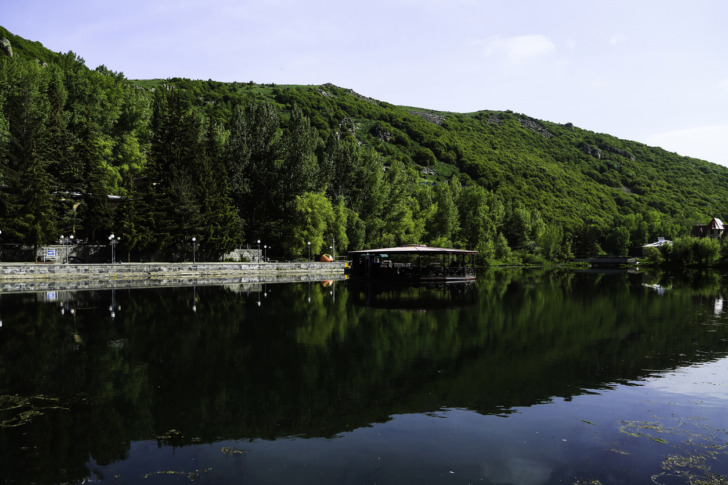
Jermuk is a mountain spa town in southern Armenia, set high in the forests and rocky valleys of Vayots Dzor Province.
Famous for its naturally heated mineral springs, health resorts, waterfall, canyon scenery, and crisp air, it was once one of the Soviet Union’s best-known wellness destinations.
Today, travelers come to drink from the Mineral Water Gallery, walk around the lakes, visit nearby monasteries, and escape Yerevan’s summer heat.
Jermuk is peaceful, clean, and far less hectic than Armenia’s capital, but its location requires careful consideration.
The town lies relatively close to the Azerbaijani border and was affected by cross-border fighting in 2022.
Although normal tourism continues, visitors should monitor security conditions, stay on established routes, and avoid border-facing areas.
Warnings & Dangers in Jermuk

OVERALL RISK: MEDIUM
Jermuk is generally calm and comfortable within its central tourist areas, but its proximity to the Armenian-Azerbaijani border raises the overall risk to medium. Most visitors experience no problems, yet regional tensions can change travel conditions. Winter roads, earthquakes, remote hiking routes, and limited specialist medical care also require preparation.

TRANSPORT & TAXIS RISK: MEDIUM
Taxis and private transfers are generally safe, but the long mountain journey from Yerevan can involve sharp bends, poor visibility, snow, ice, and tired drivers. Use established transportation providers and confirm the fare before departure. In winter, make sure the vehicle has suitable tires and avoid traveling during severe weather.

PICKPOCKETS RISK: LOW
Pickpocketing is uncommon in Jermuk. The town is small, uncrowded, and quieter than Yerevan. Minor theft can still occur in hotels, restaurants, spa facilities, transport vehicles, or busy attractions. Keep phones, cash, passports, and bags secured, and do not leave valuables unattended while visiting the waterfall or mineral springs.

NATURAL DISASTERS RISK: MEDIUM
Armenia is earthquake-prone, and Jermuk’s mountain location adds risks from snowstorms, icy paths, landslides, fog, heavy rain, and rapidly changing weather. Gorge edges and winter roads can be particularly hazardous. Check forecasts before traveling and avoid hiking, driving, or using remote trails when conditions are poor.

MUGGING RISK: LOW
Muggings are rare in Jermuk, especially around the central parks, hotels, restaurants, and spa facilities. Visitors should still avoid isolated roads, forest paths, and empty viewpoints after dark. Carry limited cash, keep expensive equipment discreet, and arrange transportation when staying at accommodation outside the central tourist area.

TERRORISM RISK: LOW
The terrorism risk in Jermuk is low. Armenia’s major security concern is potential armed conflict near the Azerbaijani border rather than international terrorism. Travelers should avoid military positions, border roads, political demonstrations, and security facilities. Any unusual military activity or official restriction should be treated seriously.

SCAMS RISK: LOW
Scams are not a major issue in Jermuk. Travelers may encounter unclear taxi fares, unofficial guides, inflated transfer prices, or spa treatments presented with exaggerated health claims. Confirm prices before accepting services, choose reputable hotels and clinics, and remember that mineral water treatments are not substitutes for professional medical care.

WOMEN TRAVELERS RISK: LOW
Jermuk is generally safe for women, including solo travelers. The town has a quiet, family-oriented atmosphere, and harassment is not a defining concern. Women should use normal precautions, avoid isolated forest routes after dark, choose reliable transportation, and stay in well-reviewed accommodation near the center.

TAP WATER RISK: LOW
Tap water in Jermuk is generally considered safe, while the town is particularly famous for its natural mineral water. Plumbing conditions can vary between older buildings, so sensitive travelers may prefer bottled or filtered water. Drink mineral water in sensible quantities, especially if it is warm, strongly mineralized, or recommended as part of a spa treatment.
Safest Places to Visit in Jermuk
Jermuk Waterfall
Jermuk Waterfall is the town’s signature natural attraction, dropping approximately 68 meters into a dramatic gorge.
It is generally safe during daylight when visitors stay on established paths and viewing areas.
The route can become slippery after rain or snow, so wear shoes with grip and avoid climbing rocks near the water.
Mineral Water Gallery
The Mineral Water Gallery is one of Jermuk’s safest and most distinctive attractions.
Visitors can sample naturally heated mineral water from taps serving water at different temperatures.
The area is centrally located and commonly visited by spa guests, families, and tour groups.
Start with small amounts because the taste and mineral content can be strong.
Central Park and Jermuk Lake
The landscaped park, walking paths, and lake area form the calmest part of town.
These spaces are suitable for relaxed daytime walks, families, photography, and short breaks between spa treatments.
Paths are generally easy, although snow and ice can make them slippery during winter mornings and evenings.
Kechut Reservoir Viewpoints
The reservoir south of town offers attractive mountain and water views.
Visit during daylight with a local driver or guide, particularly if exploring beyond the main road.
Avoid walking close to steep edges, infrastructure, or restricted areas.
Weather can change quickly, and some roadside viewpoints have limited protective barriers.
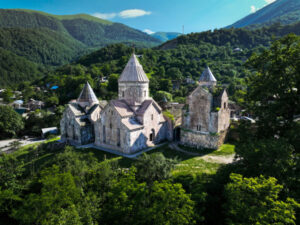
Gndevank Monastery
Gndevank is a beautiful medieval monastery set within the Arpa River gorge outside Jermuk.
It is best visited through an organized excursion or with a driver who knows the road.
The monastery itself is peaceful, but access routes can be uneven.
Wear appropriate shoes and complete the trip before dark.
Places to Avoid in Jermuk
Jermuk does not have dangerous urban neighborhoods.
The places visitors should avoid are connected to border security, military activity, difficult terrain, and isolation.
Border-Facing Roads and Eastern Outskirts
Do not travel toward the Azerbaijani border or follow unfamiliar mountain roads east of Jermuk.
Conditions near the frontier can change quickly, and some areas may contain military positions or movement restrictions.
Navigation apps are not reliable safety guides in sensitive regions.
Use established tourist routes and follow current local advice.
Military and Security Locations
Avoid military posts, checkpoints, observation points, damaged structures, and areas where soldiers or equipment are present.
Never photograph military personnel, defensive positions, government security facilities, or border-facing terrain.
A harmless-looking landscape photograph can create serious misunderstandings if sensitive infrastructure appears in the background.
Unmarked Hills and Open Land
Do not wander across unfamiliar fields, abandoned tracks, forest clearings, or remote mountain land.
The wider border region has experienced military activity, and visitors should remain on established roads and recognized hiking paths.
Never touch unfamiliar metal objects, wires, shells, equipment, or suspicious debris.
Gorge Trails During Bad Weather
The waterfall and river gorge are beautiful, but rain, snow, ice, fog, and falling rocks can make paths dangerous.
Avoid steep or unofficial trails when conditions are poor.
Do not climb barriers or stand on unstable edges for photographs.
The gorge becomes particularly difficult after sunset.
Remote Forests After Dark
Jermuk’s surrounding forests are peaceful during the day but can become disorienting after dark.
Trails may be poorly marked, mobile reception can weaken, and temperatures can fall quickly.
Avoid starting long walks late in the afternoon, particularly in winter or when traveling alone.
Safety Tips for Traveling to Jermuk
- Check regional security before departure. Jermuk’s central tourist areas may feel completely peaceful, but its proximity to the Azerbaijani border cannot be ignored. Check current travel guidance and ask your hotel about local conditions before leaving Yerevan. Postpone the trip if authorities report renewed fighting, road restrictions, or unusual military activity.
- Use the established route from Yerevan. Travel with a reputable driver, tour operator, or recognized bus service. Do not accept shortcuts suggested by navigation apps, especially routes that move toward border areas. Confirm the road and travel time before departure, and try to complete the journey during daylight.
- Do not photograph military activity. Avoid photographing soldiers, checkpoints, military vehicles, defensive structures, surveillance equipment, or border-facing hills. Keep drones grounded unless you have clear legal permission. Drone use near a sensitive frontier can attract immediate attention and may lead to confiscation, questioning, or detention.
- Prepare for winter road conditions. Snow and ice can affect the approach to Jermuk and roads around the town. If driving, use a properly equipped vehicle with winter tires and carry chains when conditions require them. Drive slowly, leave additional stopping distance, and delay travel during severe snow or poor visibility.
- Wear suitable walking shoes. Jermuk’s paved paths, stone steps, waterfall route, and forest trails can become slippery. Wear shoes with grip rather than smooth fashion footwear. During winter, watch for black ice around hotel entrances, shaded paths, stairways, and roads near the gorge.
- Stay on marked hiking routes. Do not improvise cross-country routes through forests, hills, or open land. Use established paths, begin hikes early, and tell someone where you are going. Carry water, a charged phone, an offline map, snacks, and an extra layer, even during apparently warm summer weather.
- Drink mineral water gradually. The Mineral Water Gallery is one of Jermuk’s highlights, but sampling every warm mineral spring at once may upset your stomach. Start with small amounts and follow medical advice if visiting for a health program. Travelers with kidney, heart, or digestive conditions should speak with a doctor before intensive mineral-water treatments.
- Carry cash and basic supplies. Cards are accepted at many larger hotels and restaurants, but smaller shops, drivers, and local services may prefer Armenian dram. Carry some cash, prescription medication, basic first-aid items, and water. Jermuk has healthcare facilities, but specialist treatment may require transportation to Yerevan.
- Know basic earthquake safety. If strong shaking begins indoors, drop down, cover your head and neck, and hold onto stable shelter. Stay away from windows, shelves, and elevators. Outdoors, move away from buildings, walls, trees, and power lines. Afterward, follow hotel instructions and expect possible road or communication disruption.
- Avoid unnecessary nighttime travel. Complete excursions, gorge walks, and regional drives before dark. Mountain roads are harder to navigate at night, while isolated paths have limited lighting and fewer people nearby. If you are staying outside the center, arrange a taxi rather than walking along an unfamiliar road after dinner.
So... How Safe Is Jermuk Really?
Jermuk presents an unusual safety picture.
Inside the town, it often feels like one of Armenia’s calmest destinations.
The central parks, mineral-water facilities, hotels, spas, waterfall paths, and restaurants are quiet and welcoming.
Street crime is uncommon, crowds are limited, and visitors are unlikely to feel threatened during ordinary sightseeing.
The concern comes from geography.
Jermuk lies close to the Armenian-Azerbaijani frontier and was directly affected by fighting in September 2022.
The town has since continued operating as a tourism and wellness destination, but travelers cannot treat the regional security situation as permanently resolved.
Conditions should be checked immediately before every visit.
Outside the security issue, the most likely dangers are environmental.
Winter roads can become icy, gorge paths can be slippery, earthquakes are possible, and remote forest routes can be difficult to navigate.
Healthcare is sufficient for basic needs, but serious injuries or illnesses may require transfer to Yerevan.
My honest assessment is that Jermuk has a medium risk level, despite its peaceful atmosphere.
It is reasonable to visit when conditions are stable, provided travelers use the main roads, remain within established tourist areas, and avoid border-facing excursions.
The town itself is relaxing. The surrounding geopolitical situation is what requires caution.
How Does Jermuk Compare?
| City | Safety Index |
|---|---|
| Jermuk |
89 |
| Gyumri |
87 |
| Yerevan |
70 |
| Tsaghkadzor |
89 |
| Dilijan |
90 |
| Goris |
78 |
| Vagharshapat |
88 |
 Kitty Hawk Kitty Hawk | 79 |
| Neah Bay | 77 |
| Meredith | 79 |
| Hilo | 65 |
| Annapolis | 73 |
| Lake Charles | 73 |
Useful Information

Visas
Many nationalities can enter Armenia without a visa, often for stays of up to 180 days within one year. Eligible travelers who require an electronic visa can apply for a 21-day visa for approximately US$8 or a 120-day visa for approximately US$39. Processing usually takes up to three working days.

Currency
Jermuk uses the Armenian dram. Larger hotels, spas, and restaurants commonly accept cards, but cash is useful for taxis, small shops, markets, and local excursions. Exchange money through banks or established exchange offices. Do not assume drivers or smaller businesses will accept U.S. dollars, euros, or foreign cards.

Weather
Jermuk has cool summers and cold, snowy winters because of its high mountain location. Summer visitors should pack comfortable walking clothes, sunscreen, a light jacket, and rain protection. Winter requires insulated layers, waterproof footwear, gloves, and shoes with strong grip. Even summer evenings can feel chilly.

Airports
Zvartnots International Airport near Yerevan is the main international gateway for Jermuk. The road journey is approximately 170 kilometers and commonly takes three to four hours, depending on traffic, stops, and weather. There is no reliable commercial airport in Jermuk, so visitors should arrange a bus, private transfer, or rental car.

Travel Insurance
Travel insurance is strongly recommended for Jermuk. Coverage should include medical treatment, emergency transportation to Yerevan, road accidents, winter sports, hiking injuries, cancellations, and regional security disruptions. Check exclusions related to border areas or armed conflict, since coverage may become invalid if official advice warns against a particular route.
Jermuk Weather Averages (Temperatures)
Average High/Low Temperature
| Temperature / Month | Jan | Feb | Mar | Apr | May | Jun | Jul | Aug | Sep | Oct | Nov | Dec |
|---|---|---|---|---|---|---|---|---|---|---|---|---|
| High °C |
-4 | -3 | 3 | 9 | 14 | 19 | 23 | 23 | 20 | 14 | 6 | -4 |
| Low °C |
-14 | -13 | -5 | 0 | 5 | 9 | 10 | 10 | 6 | 2 | -3 | -12 |
| High °F |
25 | 27 | 37 | 48 | 57 | 66 | 73 | 73 | 68 | 57 | 43 | 25 |
| Low °F |
7 | 9 | 23 | 32 | 41 | 48 | 50 | 50 | 43 | 36 | 27 | 10 |
Armenia - Safety by City
| City | Safety Index |
|---|---|
| Dilijan | 90 |
| Goris | 78 |
| Gyumri | 87 |
| Jermuk | 89 |
| Tsaghkadzor | 89 |
| Vagharshapat | 88 |
| Yerevan | 70 |


Just coming back from a walk by the waterfall and the fresh air there actually felt like a mini reset for my mind.