


 Armenia : Safety by City
Armenia - safety as a country
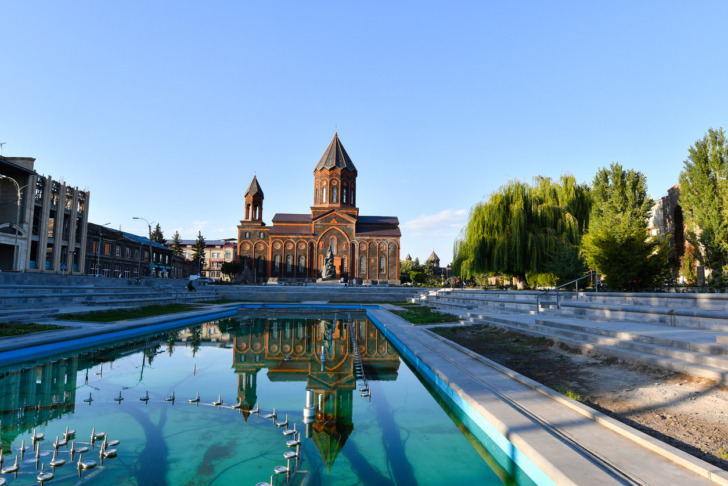
Gyumri is Armenia’s second-largest city, located in the country’s mountainous northwest near the borders with Georgia and Turkey.
Sitting roughly 1,500 meters above sea level, it has cold, snowy winters, mild summers, and a personality completely different from Yerevan.
Gyumri is known for dark volcanic-stone architecture, traditional crafts, dry humor, historic churches, and the beautifully preserved Kumayri district.
The city was devastated by the 1988 Spitak earthquake, and reminders of that tragedy remain visible beside restored streets and lively cultural spaces.
Today, Gyumri is becoming one of Armenia’s most interesting city-break destinations, with museums, cafes, galleries, local food, and far fewer tourists than the capital.
It is generally safe, affordable, and welcoming, though earthquakes, winter weather, poor sidewalks, and regional tensions require awareness.
Warnings & Dangers in Gyumri

OVERALL RISK: LOW
Gyumri is generally a low-risk destination for tourists. Violent crime is uncommon, central areas feel relaxed, and visitors are usually welcomed warmly. The main concerns are slippery winter streets, road safety, occasional petty theft, poorly lit outer areas, and Armenia’s wider regional tensions. Most travelers should feel comfortable using ordinary precautions.

TRANSPORT & TAXIS RISK: MEDIUM
Transport risk is medium because driving standards can be unpredictable and winter roads may become snowy or icy. Registered taxis and ride-hailing apps are usually inexpensive and safe. Avoid unmarked cars, confirm app details before entering, and be cautious when crossing roads. Trains and minibuses are useful but may lack modern comfort.

PICKPOCKETS RISK: LOW
Pickpocketing is not a major problem in Gyumri, but it can occur around markets, crowded minibuses, festivals, railway platforms, and busy public squares. Keep wallets out of back pockets and use a zipped bag. Phones should not be left unattended on cafe tables, although organized tourist-targeted theft is relatively uncommon.

NATURAL DISASTERS RISK: MEDIUM
Gyumri lies in an active earthquake zone and was heavily damaged during the catastrophic 1988 Spitak earthquake. Modern construction and preparedness have improved, but seismic risk remains. Winter also brings snow, ice, extreme cold, and difficult roads. Travelers should learn basic earthquake procedures and check weather conditions before regional journeys.

MUGGING RISK: LOW
Muggings are uncommon in Gyumri, especially around Vardanants Square, central hotels, restaurants, and cultural attractions. Risk increases slightly on dark streets, near transport areas late at night, and in quiet industrial districts. Avoid displaying expensive electronics, carry limited cash, and use a taxi rather than walking through unfamiliar areas after midnight.

TERRORISM RISK: LOW
The terrorism risk in Gyumri itself is low. However, Armenia’s wider security situation is affected by regional tensions and the possibility of renewed conflict near the Azerbaijani border. Gyumri is far from the main restricted eastern border areas, but travelers should avoid military sites, demonstrations, and sensitive infrastructure while following official instructions.

SCAMS RISK: LOW
Scams are relatively uncommon because Gyumri receives fewer international tourists than major European capitals. Possible problems include inflated street-taxi fares, informal tour offers, currency confusion, and unclear accommodation charges. Use ride apps, confirm prices before accepting services, and exchange money through banks or established exchange offices rather than strangers.

WOMEN TRAVELERS RISK: LOW
Gyumri is generally safe for women travelers, including solo visitors. The city is conservative but welcoming, and central areas are comfortable during normal hours. Unwanted attention can occur, while some taxi drivers may behave inappropriately. Use reputable ride apps, avoid isolated nighttime walks, and dress modestly when entering churches or traditional communities.

TAP WATER RISK: LOW
Tap water in Gyumri is generally considered safe, and public drinking fountains are common throughout Armenia. However, plumbing quality can vary in older buildings, guesthouses, and earthquake-era housing. Ask your accommodation about its water supply. Bottled or filtered water is inexpensive for travelers with sensitive stomachs or concerns about old pipes.
Safest Places to Visit in Gyumri
Vardanants Square
Vardanants Square is the safest and easiest starting point for exploring Gyumri.
Major churches, government buildings, hotels, restaurants, and pedestrian activity surround it.
The square remains lively into the evening, especially during warmer months, and is a practical landmark for navigating the city.
Kumayri Historic District
Kumayri contains Gyumri’s most attractive 19th-century streets, with black volcanic-stone houses, carved balconies, workshops, museums, and cafes.
The district is safe and walkable during the day and early evening.
Uneven paving and damaged sidewalks are bigger concerns than crime, so comfortable shoes are essential.
Black Fortress
The Black Fortress, or Sev Berd, is one of Gyumri’s most distinctive attractions.
The restored circular fortress hosts concerts and cultural events and sits near the Mother Armenia monument.
The visitor area is generally safe, though the uphill route can be quiet.
Use a taxi after dark or during severe winter weather.
Central Park and Mother Armenia
The park and monument area offers broad views across Gyumri and the surrounding mountains.
It is popular with families and local walkers during daylight.
Paths may become icy in winter, and quieter sections should not be used as nighttime shortcuts.
Visit during the day and remain on established paths.
Gyumri’s Museums
The Dzitoghtsyan Museum of National Architecture, Mher Mkrtchyan Museum, and Aslamazyan Sisters Gallery are safe, central, and excellent introductions to local history and art.
Museum staff can also provide reliable directions and cultural advice, making these attractions especially comfortable for solo visitors.
Places to Avoid in Gyumri
Abandoned and Earthquake-Damaged Buildings
Gyumri still contains neglected, unstable, or partially ruined structures associated with the 1988 earthquake and subsequent economic hardship.
Do not enter abandoned buildings, climb damaged staircases, or explore fenced construction sites.
Falling masonry, broken floors, exposed metal, and stray animals present greater dangers than crime.
Railway Station Area Late at Night
Gyumri Railway Station is architecturally impressive and useful for travel to Yerevan, but surrounding streets become quiet after late arrivals.
Petty theft and unwanted taxi approaches are possible when travelers stand outside with luggage.
Arrange a taxi through an app or accommodation rather than walking a long distance after dark.
Outer Industrial Roads
Industrial sections and outer residential roads offer few attractions and may have poor lighting, damaged sidewalks, roaming dogs, and limited public transportation.
These are not official no-go areas, but tourists have little reason to explore them at night.
Use direct transportation when visiting businesses or accommodations outside the center.
Military Facilities
Gyumri contains active military infrastructure and guarded facilities.
Visitors should not photograph bases, soldiers, checkpoints, aircraft, security vehicles, or restricted airport areas.
Avoid lingering near gates and barriers, even when no warning sign is visible.
Innocent photography can attract serious attention from security personnel.
Roads Toward the Turkish Border
The Turkish land border near Gyumri is generally closed to ordinary travelers, and surrounding areas can contain guarded infrastructure or restricted roads.
Do not attempt informal crossings or explore remote border tracks.
Travelers continuing to Turkey normally need to route through Georgia or use an available flight.
Safety Tips for Traveling to Gyumri
- Prepare properly for winter. Gyumri is one of Armenia’s coldest major cities. Temperatures can remain below freezing, snow may stay on the ground, and sidewalks become dangerously icy. Bring insulated clothing, gloves, a warm hat, waterproof boots, and footwear with strong grip. Walk slowly and avoid steep or untreated paths after snowfall.
- Learn basic earthquake safety. Earthquakes cannot be predicted, but simple preparation helps. Identify safe places away from windows, know your accommodation’s exits, and keep shoes and essential items accessible at night. During shaking, drop, cover, and hold on. Do not run onto streets where glass, stone, or facade pieces may fall.
- Use ride-hailing apps for taxis. App-based taxis provide a recorded route, driver information, and a clear fare. This reduces overcharging and makes nighttime travel easier. Avoid entering random cars whose drivers approach outside stations or tourist sites. Check the license plate before entering and share trip details when traveling alone.
- Watch for damaged sidewalks and open hazards. Central Gyumri is highly walkable, but paving can be uneven, cracked, icy, or interrupted by construction. Open utility covers and poorly marked drops may also appear. Avoid staring at your phone while walking, especially at night. A small flashlight can be useful on darker residential streets.
- Avoid photographing military or security sites. Gyumri has a visible military presence. Never photograph bases, checkpoints, soldiers, aircraft, guarded buildings, bridges, or restricted parts of Shirak Airport. Put your camera away whenever barriers or security personnel are present. Ask permission before photographing people, markets, or private homes.
- Carry small amounts of Armenian dram. Cards are increasingly accepted in hotels, restaurants, and supermarkets, but cash remains useful for markets, minibuses, small cafes, and rural trips. Carry smaller notes and divide your money between secure locations. Use bank ATMs and decline any unfamiliar person offering a special street exchange rate.
- Stay central on your first visit. Accommodation near Vardanants Square or the Kumayri district provides easier access to restaurants, museums, transport, and active streets. Cheap rooms on the outskirts may require nighttime taxis and involve poor sidewalks. A central location makes Gyumri safer, simpler, and more enjoyable without adding much to the cost.
- Use caution around stray dogs. Free-roaming dogs can appear in parks, industrial areas, residential streets, and around rubbish containers. Most avoid people, but packs may behave defensively. Do not run, shout, or attempt to pet unfamiliar animals. Move away calmly and seek medical attention immediately after any bite or scratch.
- Check road conditions before day trips. Journeys to Marmashen Monastery, Harichavank, Lake Arpi, and mountain villages can be affected by snow, fog, potholes, and limited roadside assistance. Travel during daylight, use an experienced driver, and carry water and warm clothing. Winter weather can turn a short regional trip into a much longer journey.
- Stay away from political and border tensions. Gyumri is distant from Armenia’s most sensitive Azerbaijani border areas, but national security conditions can change. Avoid demonstrations, military discussions with strangers, and travel close to restricted borders. Check current conditions before traveling across Armenia, particularly toward Tavush, Gegharkunik, or Syunik.
So... How Safe Is Gyumri Really?
Gyumri is one of the safer and more relaxed urban destinations in the South Caucasus.
Serious crime against tourists is uncommon, local hospitality is strong, and the compact center can be explored comfortably on foot.
Visitors are more likely to struggle with winter ice, broken pavement, confusing minibuses, or language barriers than robbery or violence.
The city’s most important safety issue is its environment.
Gyumri lies in a highly seismic region and still carries visible scars from the 1988 earthquake, which devastated northern Armenia.
Travelers should not become frightened by this history, but they should choose properly maintained accommodation and understand basic earthquake procedures.
Regional politics also matter.
Gyumri is in northwestern Armenia and is not close to the restricted Azerbaijani frontier, but Armenia’s security situation can shift.
Travel near the eastern border requires far more caution than an ordinary visit to Gyumri.
For solo travelers, families, couples, and women traveling independently, the city is generally manageable.
Central neighborhoods remain active, taxis are affordable, and tourist scams are limited.
Winter visitors face the greatest practical difficulty because temperatures, snow, and ice can complicate walking and road travel.
My honest assessment is that Gyumri has a low crime risk and medium natural-disaster risk.
Stay centrally, avoid sensitive sites, use reliable transportation, and prepare for the season.
With those precautions, Gyumri is a safe, character-filled city that deserves far more attention.
How Does Gyumri Compare?
| City | Safety Index |
|---|---|
| Gyumri |
87 |
| Goris |
78 |
| Yerevan |
70 |
| Vagharshapat |
88 |
| Jermuk |
89 |
| Tsaghkadzor |
89 |
| Dilijan |
90 |
 Frankfurt Frankfurt | 78 |
 Oistins Oistins | 85 |
 Lake Buena Vista Lake Buena Vista | 72 |
 Florianopolis Florianopolis | 72 |
| Winston-Salem | 47 |
| Boston | 67 |
Useful Information

Visas
Citizens of many countries, including numerous European and North American nations, can enter Armenia without a visa for up to 180 days within one year. Other eligible travelers can apply online. A 21-day electronic visitor visa costs about US$8, while a 120-day visa costs about US$39 and usually takes up to three working days.

Currency
Gyumri uses the Armenian dram. Cards are accepted at many hotels, restaurants, supermarkets, and modern cafes, but cash remains important for markets, minibuses, smaller shops, and rural excursions. Use bank ATMs or established exchange offices. U.S. dollars and euros are commonly exchanged, but daily purchases should be made in dram.

Weather
Gyumri has warm, dry summers and long, freezing winters. January temperatures commonly remain below 0°C, while snow and ice may persist for weeks. Summer days are usually comfortable, but evenings can be cool because of the city’s elevation. Pack layers year-round, with serious winter clothing from November through March.

Airports
Shirak International Airport is approximately 7 kilometers from central Gyumri, usually around 10 to 15 minutes by taxi. Its international schedule is more limited than Yerevan’s. Many travelers fly into Zvartnots International Airport near Yerevan and continue to Gyumri by train, private driver, minibus, or rental car.

Travel Insurance
Travel insurance is recommended for Gyumri, particularly during winter or when exploring rural Shirak Province. Choose coverage for medical care, trip delays, lost luggage, road accidents, earthquakes, and emergency evacuation. Travelers planning hiking, skiing, or remote excursions should confirm that mountain activities and weather-related disruptions are included.
Armenia - Safety by City
| City | Safety Index |
|---|---|
| Dilijan | 90 |
| Goris | 78 |
| Gyumri | 87 |
| Jermuk | 89 |
| Tsaghkadzor | 89 |
| Vagharshapat | 88 |
| Yerevan | 70 |









Yeah, nothing like dodging uneven sidewalks and trying to stay warm, all while pretending the earthquake scars aren’t constantly staring you down.
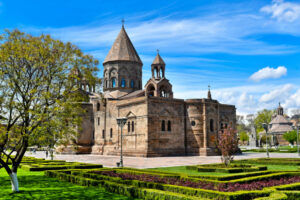
Walking through the Kumayri district, I felt this quiet strength in the old stone buildings that’s hard to put into words.