 Colombia : Safety by City
- Barranquilla
- Bogotá
- Bucaramanga
- Cali
- Cartagena
- Cucuta
- Leticia
- Manizales
- Medellin
- Popayan
- San Andres
- Santa Marta
- Tunja
- Villa de Leyva
Tunja is the capital of Boyacá Department in the Colombian Andes, located roughly 130 kilometers northeast of Bogotá.
Sitting at approximately 2,820 meters above sea level, it is one of Colombia’s highest major cities and is known for its cool mountain climate, colonial architecture, historic churches, universities, and important role in Colombia’s independence.
For travelers, Tunja provides a quieter experience than Bogotá, Medellín, Cali, or Cartagena.
The historic center is compact enough to explore on foot, tourism is relatively low-key, and the city serves as a convenient base for visiting destinations throughout Boyacá.
Tunja is generally considered one of Colombia’s calmer urban destinations, but visitors should still remember that they are traveling in Colombia.
Petty theft, occasional robbery, unsafe nighttime areas, demonstrations, and road hazards remain possible.
The city’s altitude is another factor visitors sometimes underestimate.
Travelers arriving from sea level may notice shortness of breath, headaches, or fatigue during their first day or two.
Warnings & Dangers in Tunja

OVERALL RISK: MEDIUM
Tunja is generally safer and quieter than many of Colombia's largest cities, but normal urban precautions remain necessary. Most tourists can explore the historic center and major attractions comfortably during daylight. Petty theft is a more realistic concern than serious violent crime. Avoid displaying expensive phones, jewelry, cameras, or large amounts of cash, particularly when walking through unfamiliar neighborhoods. Colombia's broader security situation is more complicated than conditions in central Tunja, so additional research is important before making road trips into remote parts of the country.

TRANSPORT & TAXIS RISK: MEDIUM
Transportation in Tunja is generally straightforward, with buses, taxis, and ride-hailing services available. Road travel deserves more caution. Mountain roads around Boyacá can involve sharp curves, steep sections, fog, heavy rain, motorcycles, trucks, and unpredictable overtaking. For taxis, use an established company, recognized ride-hailing service, or transportation arranged through your accommodation whenever possible. Avoid unnecessary intercity road travel late at night.

PICKPOCKETS RISK: MEDIUM
Pickpocketing can occur around markets, bus terminals, busy commercial streets, festivals, and crowded public spaces. Keep bags zipped and carry phones somewhere difficult to access without your noticing. The historic center can become busier during religious festivals and major celebrations, increasing opportunities for opportunistic theft. Do not leave phones or wallets unattended on restaurant or café tables.

NATURAL DISASTERS RISK: MEDIUM
Tunja is located in a mountainous and seismically active part of Colombia. Earthquakes are possible, although destructive events are not an everyday concern for visitors. Heavy rain can cause landslides, slippery roads, and transportation disruption in mountainous areas surrounding the city. Thunderstorms, cold nights, and sudden changes in weather are more likely to affect an ordinary trip. Travelers planning excursions into rural Boyacá should check conditions during prolonged periods of rain.

MUGGING RISK: LOW
Muggings involving tourists are less common in Tunja than petty theft, particularly in busy central areas. The risk increases after dark in quiet streets, poorly lit neighborhoods, and isolated locations. Avoid wandering through unfamiliar residential areas late at night and consider taking a taxi or ride-hailing vehicle when returning to accommodation after dinner or drinks. If threatened with a weapon, prioritize your safety rather than attempting to protect valuables.

TERRORISM RISK: LOW
The risk of an ordinary tourist encountering terrorism in central Tunja is low. Colombia continues to face security problems involving armed groups in some parts of the country, but Boyacá's capital is not generally associated with the country's highest-risk conflict zones. Visitors planning long-distance trips beyond Tunja should evaluate each destination separately rather than assuming conditions are the same throughout Colombia. Stay away from political demonstrations, security operations, and suspicious objects.

SCAMS RISK: LOW
Tourist scams are less aggressive in Tunja than in Colombia's biggest tourism destinations. Visitors may still encounter inflated taxi fares, questionable tours, or informal services. Confirm taxi or tour prices before accepting a service when the price is not clearly established. Use recognized tour operators for excursions outside the city, particularly adventure activities in mountainous areas.

WOMEN TRAVELERS RISK: LOW
Tunja is generally comfortable for women traveling independently. The historic center, university areas, restaurants, and main commercial districts have regular pedestrian activity during the day. Standard solo-travel precautions remain sensible. Avoid walking alone through deserted streets late at night, keep control of drinks, and use reliable transportation when returning to accommodation after dark.

TAP WATER RISK: LOW
Municipal tap water in major Colombian cities is generally treated, and visitors in Tunja can usually drink water supplied through the regular city system. Travelers with sensitive stomachs may still prefer bottled or filtered water. Use more caution in rural communities outside Tunja, where water treatment standards can vary. Staying hydrated is especially important because Tunja's high altitude can increase fluid loss and make headaches or fatigue more noticeable.
Safest Places to Visit in Tunja
Historic Center
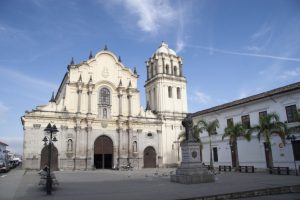
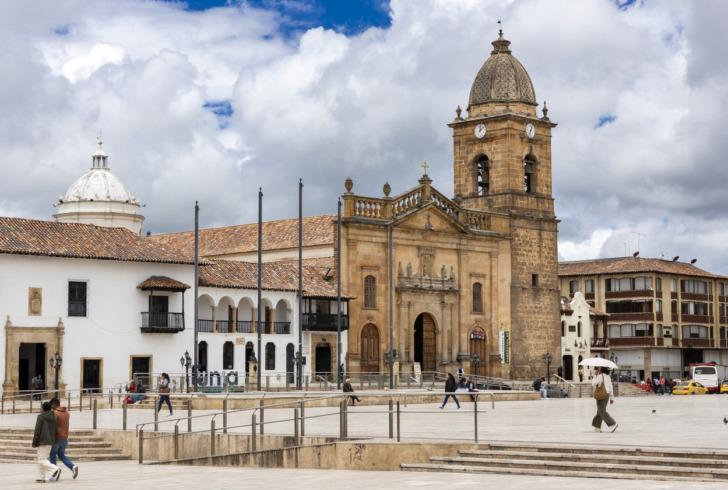
Tunja’s historic center is the main area most visitors come to explore.
Colonial buildings, churches, museums, plazas, restaurants, and shops are concentrated within a relatively small area.
It is generally comfortable for walking during daylight.
Keep phones and wallets secure, particularly when streets become crowded during festivals or religious events.
Plaza de Bolívar
Plaza de Bolívar sits at the heart of historic Tunja and is surrounded by some of the city’s most important architecture.
The plaza receives a steady flow of residents, students, workers, and visitors throughout the day.
It is one of the easiest places for first-time visitors to orient themselves.
Normal precautions with belongings are sufficient during busy daytime hours.
Parque Museo Arqueológico
Tunja and the surrounding region have deep Muisca history, and archaeological locations provide insight into the area before Spanish colonization.
Organized museum and archaeological areas are generally safe to visit during opening hours.
Use ordinary precautions when walking between attractions and avoid taking isolated shortcuts through unfamiliar areas.
Puente de Boyacá
Puente de Boyacá is located approximately 14 kilometers from Tunja and is one of Colombia’s most important independence landmarks.
The monument complex is a popular historical excursion and is generally straightforward to visit.
The greater safety concern is transportation rather than crime, so use a reliable taxi, tour, or private vehicle and take care when walking near roads.
Places to Avoid in Tunja
Tunja does not have major tourist districts that visitors are routinely told to avoid completely.
Most concerns depend on time of day and individual circumstances.
Isolated Streets After Dark
Central Tunja is generally comfortable, but quiet streets can become deserted quickly once businesses close.
Avoid unnecessary nighttime walks through unfamiliar neighborhoods.
A taxi or ride-hailing service is a better option for longer trips after dark.
Bus Terminal Surroundings Late at Night
Transportation terminals naturally attract large numbers of people and can create opportunities for theft.
Keep luggage close and avoid displaying cash while purchasing tickets.
If arriving late at night, arrange transportation directly to your accommodation rather than wandering around the surrounding streets.
Demonstrations and Political Gatherings
Colombian cities periodically experience demonstrations involving students, workers, political organizations, or other groups.
Most visitors will never encounter a serious problem, but protests can disrupt traffic and occasionally become confrontational.
Avoid demonstrations rather than stopping to watch or photograph them.
Mountain Roads During Severe Weather
Heavy rain and fog can make roads around Boyacá significantly more difficult.
Mountain roads may become slippery, visibility can deteriorate, and landslides can occasionally affect routes.
If conditions look poor, delaying a road journey is often the safer choice.
Safety Tips for Traveling to Tunja
- Give yourself time to adjust to the altitude. Tunja sits around 2,820 meters above sea level. Take your first day slowly, stay hydrated, and avoid exhausting exercise immediately after arriving from a much lower elevation.
- Keep your phone discreet. Phone snatching is possible in Colombian cities. Avoid standing beside busy roads while holding an expensive phone unnecessarily.
- Use reliable transportation after dark. Tunja is relatively calm, but there is little benefit to walking long distances through unfamiliar neighborhoods late at night.
- Protect your belongings around transportation terminals. Keep luggage within sight and do not leave backpacks unattended while buying tickets, food, or drinks.
- Prepare for surprisingly cold weather. Tunja’s tropical latitude can be misleading. Its elevation means mornings and evenings can become cold, and temperatures are much cooler than in Colombia’s coastal cities.
- Take mountain roads seriously. Fog, rain, curves, motorcycles, and trucks can make driving around Boyacá challenging. Avoid rushing and choose experienced drivers for longer excursions.
- Avoid demonstrations. If you encounter a protest or political gathering, change your route rather than approaching it for photographs.
- Carry some cash, but not too much. Cards and digital payments are increasingly common, but smaller businesses may still prefer cash. Carry what you need for the day rather than your entire travel budget.
- Use extra sun protection. Cool air can make visitors underestimate ultraviolet exposure. At nearly 3,000 meters, sunlight can be intense even when temperatures feel comfortable.
- Research destinations outside Tunja separately. Boyacá contains towns, mountains, rural roads, and remote outdoor destinations with different safety and transportation conditions. Do not assume the entire region has the same risk profile as central Tunja.
So... How Safe Is Tunja Really?
Tunja is one of the more manageable Colombian cities for travelers concerned about personal security.
It lacks the intense nightlife, enormous crowds, and large tourist districts found in cities such as Bogotá, Medellín, and Cartagena.
The historic center feels distinctly local, and visitors are more likely to encounter students, workers, families, and religious tourists than large international tour groups.
Petty theft remains the most practical crime concern.
Phones, wallets, and unattended belongings can attract opportunistic thieves, particularly around transportation areas and crowded events.
Basic precautions usually go a long way.
Serious street violence involving visitors is less likely in the main tourist areas, but travelers should still avoid deserted streets after dark and use reliable transportation when moving around late at night.
The city’s altitude may actually surprise visitors more than its crime rate.
At roughly 2,820 meters above sea level, Tunja is even higher than Bogotá.
Someone arriving directly from a coastal destination may notice breathlessness when climbing hills or stairs.
Most healthy travelers adjust quickly, but the first day is a good time to walk slowly, drink water, and avoid excessive alcohol.
Weather is another important consideration.
Tunja has a cool highland climate with an average annual temperature around 13°C.
Rain occurs throughout the year, with wetter periods generally occurring from around late March into early June and again from late September into early December.
A warm layer and waterproof jacket are useful even when visiting Colombia during months travelers might otherwise associate with tropical weather.
Road journeys require more planning than exploring the city itself.
Tunja is an excellent base for destinations such as Villa de Leyva, Paipa, Duitama, and other parts of Boyacá, but mountain driving conditions can change quickly with rain and fog.
Overall, Tunja is suitable for solo travelers, couples, families, and women traveling independently.
Use standard Colombian urban precautions, keep valuables discreet, respect the altitude, prepare for cool weather, and be more cautious when traveling beyond the city.
For many visitors, Tunja provides a calmer and more historic alternative to Colombia’s larger urban destinations.
How Does Tunja Compare?
| City | Safety Index |
|---|---|
| Tunja |
72 |
| Cali |
52 |
| Medellin |
60 |
| Barranquilla |
47 |
| Santa Marta |
33 |
| Bucaramanga |
32 |
| Bogotá |
55 |
 Toledo Toledo | 69 |
| Shreveport | 52 |
 Manama Manama | 54 |
| Bardstown | 89 |
| Tiffin | 78 |
 Kandy Kandy | 73 |
Useful Information

Visas
Colombian entry requirements depend on nationality. Citizens of many countries can enter Colombia for short tourism visits without obtaining a traditional visa beforehand, while other travelers need authorization before departure. Immigration officials may ask about accommodation, onward transportation, and the purpose of your visit. Check the requirements applying to your passport before traveling because immigration policies can change.

Currency
Colombia uses the Colombian peso. Credit and debit cards are widely accepted at hotels, supermarkets, restaurants, and larger shops in Tunja. Cash remains useful for small restaurants, markets, local transportation, and businesses in rural parts of Boyacá. ATMs are available throughout the city. Use machines inside banks, shopping centers, or other busy locations and avoid withdrawing large amounts of cash late at night.

Weather
Tunja has a cool highland climate because of its altitude. The average annual temperature is approximately 13°C, and temperatures remain relatively cool throughout the year. The city receives around 645 millimeters of rain annually. Rainfall generally increases from late March through early June and again from late September through early December. December through February tends to be among the drier periods. Bring layers, a light waterproof jacket, comfortable walking shoes, and sun protection regardless of the month.

Airports
Tunja does not currently function as a major commercial aviation gateway for international travelers. Most foreign visitors fly into Bogotá's El Dorado International Airport and continue to Tunja by road. The journey is approximately 130 kilometers, although travel time depends heavily on Bogotá traffic and road conditions. Intercity buses operate between Bogotá and Tunja, while private transfers and rental cars are additional options. Allow extra time on weekends and major Colombian holidays when road traffic can become particularly heavy.

Travel Insurance
Travel insurance is recommended for international visitors to Tunja. A good policy should cover emergency medical treatment, hospitalization, trip interruption, baggage problems, and transportation delays. Travelers planning hiking, cycling, climbing, paragliding, or other adventure activities elsewhere in Boyacá should confirm that those activities are included. Because mountain roads and weather can occasionally disrupt transportation, trip interruption coverage can also be useful.
Tunja Weather Averages (Temperatures)
Average High/Low Temperature
| Temperature / Month | Jan | Feb | Mar | Apr | May | Jun | Jul | Aug | Sep | Oct | Nov | Dec |
|---|---|---|---|---|---|---|---|---|---|---|---|---|
| High °C |
20 | 19 | 19 | 19 | 18 | 18 | 17 | 18 | 19 | 18 | 18 | 18 |
| Low °C |
5 | 9 | 9 | 10 | 10 | 9 | 7 | 8 | 9 | 9 | 9 | 8 |
| High °F |
68 | 66 | 66 | 66 | 64 | 64 | 63 | 64 | 66 | 64 | 64 | 64 |
| Low °F |
41 | 48 | 48 | 50 | 50 | 48 | 45 | 46 | 48 | 48 | 48 | 46 |
Colombia - Safety by City
| City | Safety Index |
|---|---|
| Barranquilla | 47 |
| Bogotá | 55 |
| Bucaramanga | 32 |
| Cali | 52 |
| Cartagena | 82 |
| Cucuta | 32 |
| Leticia | 70 |
| Manizales | 47 |
| Medellin | 60 |
| Popayan | 31 |
| San Andres | 62 |
| Santa Marta | 33 |
| Tunja | 72 |
| Villa de Leyva | 74 |