 Colombia : Safety by City
- Barranquilla
- Bogotá
- Bucaramanga
- Cali
- Cartagena
- Cucuta
- Leticia
- Manizales
- Medellin
- Popayan
- San Andres
- Santa Marta
San Andres is a Colombian Caribbean island sitting far closer to Nicaragua than mainland Colombia, which already gives it a slightly unexpected, middle-of-the-sea personality.
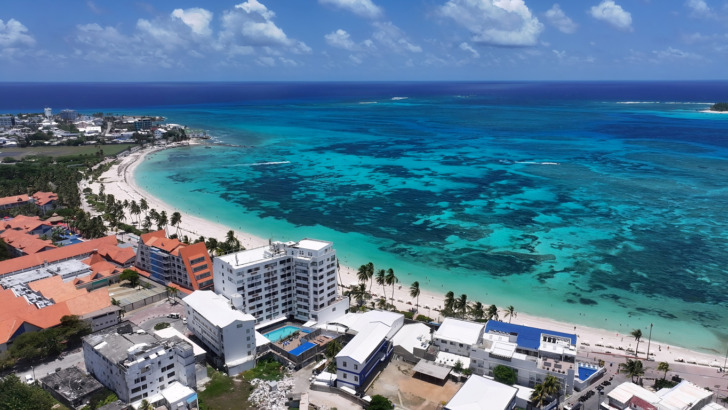
It is part of the San Andres, Providencia and Santa Catalina archipelago, famous for clear turquoise water, coral reefs, reggae-inflected island culture, duty-free shopping, beach clubs, snorkeling, diving, and the “Sea of Seven Colors.”
San Andres is much more relaxed than Colombia’s big cities, but it is also busy, compact, and heavily touristed.
The island can feel safe and cheerful in the main beach and hotel areas, yet visitors should still watch for petty theft, beach bag snatching, scooter and golf cart accidents, rough water, overcharging, and hurricane-season disruption.
Warnings & Dangers in San Andres

OVERALL RISK: MEDIUM
San Andres is safer than many mainland Colombian urban destinations, but a medium rating is fair. Tourist areas are generally manageable, and violent crime against visitors is not common. The bigger concerns are petty theft, beach theft, scooter accidents, overcharging, poor infrastructure, nighttime caution, and water-related risks.

TRANSPORT & TAXIS RISK: MEDIUM
Transport risk is medium because many visitors rent golf carts, scooters, or mule vehicles to circle the island. Roads can be narrow, busy, uneven, and confusing at night. Taxis are useful but should be priced clearly before departure. Avoid riding scooters if inexperienced or after drinking.

PICKPOCKETS RISK: MEDIUM
Pickpocketing and opportunistic theft can happen around Spratt Bight, the airport area, downtown shopping streets, beaches, boat docks, and crowded tours. Do not leave bags unattended while swimming. Keep phones secure when walking, taking photos, or riding in open vehicles.

NATURAL DISASTERS RISK: MEDIUM
San Andres has a medium natural hazard risk because Caribbean weather can bring storms, heavy rain, rough seas, flooding, and hurricane-season disruption. The island has been affected by major storms before. Boat tours, beach plans, flights, and ferry-style excursions can be disrupted by weather and sea conditions.

MUGGING RISK: MEDIUM
Mugging is not a constant tourist concern, but it is possible, especially at night, in quiet streets, on isolated beach stretches, or if someone is walking alone with valuables. Stick to well-lit areas, use taxis after dark, and avoid flashing cash, jewelry, or expensive electronics.

TERRORISM RISK: LOW
Terrorism is a low concern for visitors to San Andres. The island’s risks are much more related to petty crime, transport, water safety, weather, and tourism pressure. Travelers should still use normal awareness in airports, public events, and crowded areas, but terrorism is not a leading concern here.

SCAMS RISK: MEDIUM
Scams and overcharging are realistic in San Andres. Watch for unclear taxi prices, inflated golf cart rentals, vague boat tour details, snorkeling add-ons, beach chair pricing, and pressure from vendors. Confirm the total price, duration, route, and what is included before paying.

WOMEN TRAVELERS RISK: MEDIUM
San Andres can be safe for women travelers, including solo travelers, but a medium rating is sensible. Main tourist areas are usually comfortable, yet unwanted attention, isolated nighttime areas, and nightlife situations deserve caution. Use taxis after dark and avoid empty beaches alone at night.

TAP WATER RISK: MEDIUM
Do not rely on tap water in San Andres for drinking. Use bottled, boiled, or properly filtered water. Bottled water is widely available, and many hotels provide safe drinking options. Be cautious with ice in very basic places if you have a sensitive stomach.
Safest Places to Visit in San Andres
Spratt Bight Beach
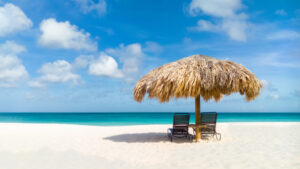
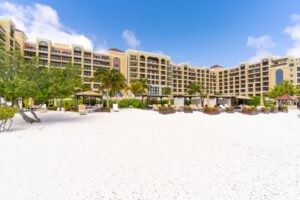
Spratt Bight is the main beach area and one of the safest places for visitors during the day.
It is central, busy, scenic, and close to hotels, restaurants, shops, and tour services.
The beach is beautiful and convenient, but crowds mean you should watch your belongings closely.
Do not leave valuables on the sand while swimming.
Johnny Cay
Johnny Cay is one of the most popular island excursions from San Andres and is generally safe when visited with a reputable boat operator.
The water, sand, and palm trees are gorgeous, but conditions depend heavily on sea and wind.
Bring only what you need, wear sun protection, and follow boat staff instructions.
Rocky Cay
Rocky Cay is a relaxed beach area that many visitors enjoy for swimming, photos, and calm water when conditions are good.
It is safest during daylight and when there are other people around.
Be careful walking over rocks or entering the water barefoot, and avoid going out if the sea is rough.
San Luis
San Luis offers a quieter, more local-feeling beach side of the island.
It can be safer and more relaxing during the day than the busier downtown area, especially for travelers who want less noise.
Because it is more spread out, arrange transport and avoid walking long distances at night.
La Piscinita and West View
La Piscinita and West View are popular snorkeling spots with clear water and fish.
They are safest when the sea is calm and operators are present.
Use water shoes if needed, watch ladders and slippery rocks, and do not jump into water unless you are sure it is allowed and safe.
Places to Avoid in San Andres
Empty Beaches After Dark
Beaches that feel safe during the day can become isolated after dark.
Avoid walking alone on empty sand, swimming at night, or hanging out in quiet beach areas with valuables.
If you want evening beach time, stay near lit, active, central areas.
Quiet Roads on Scooters at Night
Scooters and golf carts are fun during the day, but the island roads are less comfortable at night.
Lighting can be limited, road surfaces can be uneven, and other drivers may be unpredictable.
Avoid late-night riding, especially after alcohol or outside the main tourist zones.
Crowded Downtown Streets With Loose Belongings
Downtown San Andres is useful for shopping, restaurants, and duty-free stores, but it can become crowded and chaotic.
Keep bags zipped, avoid carrying large cash, and watch your phone.
This is not a place where you should wander distracted with valuables hanging out.
Unclear Boat Tours
Avoid boat tours where the operator cannot explain the route, safety equipment, price, return time, weather policy, or what is included.
Sea conditions matter around San Andres, and cheap, vague tours can become uncomfortable or unsafe.
Use reputable operators and ask direct questions before paying.
Isolated Viewpoints or Remote Stops Late in the Day
Some island loop stops are beautiful but quiet, especially later in the afternoon.
Avoid lingering in isolated areas near sunset if you are alone or carrying valuables.
Plan your loop so you are back in a busier area before dark.
Safety Tips for Traveling to San Andres
- Keep beach valuables to a minimum. Beach theft is one of the most realistic tourist problems in San Andres. Bring only what you need: towel, sunscreen, small cash, water, and maybe one card. Avoid bringing passports, large cash, expensive cameras, or multiple electronics to the beach. If everyone in your group wants to swim, use a waterproof pouch or take turns watching belongings.
- Rent golf carts carefully. A golf cart or mule vehicle is a fun way to explore the island, but do not treat it like a toy. Check brakes, tires, lights, fuel, and rental terms before leaving. Photograph the vehicle before driving away so you are not blamed for old damage. Avoid driving at night if you are unfamiliar with the roads.
- Be cautious with scooters. Scooters are convenient, but they come with more injury risk than golf carts or taxis. Roads can be narrow, busy, and uneven. If you are not experienced, skip the scooter. If you do ride, wear a helmet, drive slowly, avoid alcohol, and be extra careful near pedestrians and beach access points.
- Confirm prices before agreeing. San Andres is a tourist island, and prices can be flexible. Confirm taxi fares, boat tours, beach chairs, snorkeling stops, rentals, and add-ons before paying. Ask whether the price is per person or per group, whether taxes or entrance fees are included, and how long the activity lasts.
- Check sea conditions before boat trips. Johnny Cay, the aquarium area, snorkeling stops, and other boat trips can be fantastic, but rough seas can change the experience quickly. Ask whether conditions are safe, whether life jackets are provided, and what happens if the tour is canceled. Do not pressure operators to go out in bad weather.
- Use bottled or filtered water. Stick to bottled, boiled, or filtered water for drinking. This is especially important if you have a sensitive stomach. Use caution with ice in very basic venues and choose busy restaurants where food turnover is high. A stomach issue on a beach island is not the souvenir anyone wants.
- Stay in a convenient area. If it is your first trip, staying near Spratt Bight or a well-reviewed central hotel makes life easier. You will have better access to restaurants, shops, taxis, and tours. Quieter areas can be lovely, but they require more transport planning, especially at night.
- Avoid flashing valuables. San Andres is relaxed, but expensive watches, jewelry, phones, and cameras can attract attention. Keep it casual. Use your phone for photos, then put it away. Do not count cash in public or walk around with open bags. Most theft is opportunistic.
- Protect yourself from sun and dehydration. The Caribbean sun is strong, and the breeze can make you underestimate it. Wear sunscreen, sunglasses, a hat, and light clothing. Drink water often, especially if snorkeling, walking, drinking alcohol, or driving around the island. Sunburn and dehydration are extremely common preventable problems.
- Have travel insurance for water activities. San Andres is built around beaches, boats, snorkeling, diving, and island excursions. Travel insurance is smart, especially if your plans include scuba diving, boat trips, scooter rental, or adventure activities. Check that the policy covers medical care, water activities, cancellations, lost luggage, and emergency transport.
So... How Safe Is San Andres Really?
San Andres is safe enough for most tourists, especially those who stay in good areas, use reputable tours, and keep a normal level of awareness.
It is not as high-risk as some mainland Colombian destinations, and the main tourist zones often feel relaxed, colorful, and easy to enjoy.
Families, couples, groups, and solo travelers visit regularly and have smooth trips.
Still, I would not call San Andres completely low-risk.
The island has the usual problems of a crowded tourist destination: petty theft, beach bag snatching, overcharging, nighttime caution, and rental vehicle issues.
Infrastructure can also feel rough around the edges, and weather can disrupt plans quickly.
The safest approach is simple: stay central or in well-reviewed accommodation, do not leave valuables unattended, use taxis at night, choose reputable boat operators, and respect the sea.
San Andres is more about practical caution than fear.
If you treat it like a real island with real weather, real roads, and real petty theft risk, it can be a beautiful and very enjoyable Caribbean trip.
Overall, San Andres is medium-low risk: safer in tourist zones, riskier when isolated, careless, intoxicated, or underprepared.
How Does San Andres Compare?
| City | Safety Index |
|---|---|
| San Andres |
62 |
| Cartagena |
82 |
| Manizales |
47 |
| Cucuta |
32 |
| Santa Marta |
33 |
| Leticia |
70 |
| Bucaramanga |
32 |
 Llano Llano | 83 |
 Brno Brno | 74 |
| Norfolk | 43 |
| Wichita | 64 |
 Ahmedabad Ahmedabad | 67 |
| Carmel-by-the-Sea | 88 |
Useful Information

Visas
San Andres is part of Colombia. Many travelers can enter Colombia visa-free for tourism for a limited stay, while others need a visa before arrival. Visitors to San Andres usually must also pay for a tourist entry card before flying to the island. Keep the card safe because it may be checked.

Currency
San Andres uses the Colombian peso. Cards are accepted in many hotels, shops, and restaurants, but cash is useful for taxis, beach services, small eateries, rentals, and tips. ATMs are available, but bring backup payment options because island systems can be less reliable than mainland cities.

Weather
San Andres is warm year-round, with tropical humidity, sunshine, rain showers, and stronger storm risk during Caribbean hurricane season. Pack light clothing, swimwear, reef-safe sunscreen, sandals, sunglasses, a hat, insect repellent, and a rain layer. Sea conditions can affect boat tours at any time.

Airports
Gustavo Rojas Pinilla International Airport is the main airport on San Andres and is very close to the town center and main hotel areas. Most visitors arrive by flights from mainland Colombia or regional connections. Taxis are available at the airport, but confirm the fare before leaving.

Travel Insurance
Travel insurance is strongly recommended for San Andres, especially if your plans include snorkeling, diving, boat tours, scooter rental, or travel during storm season. Choose coverage for medical care, cancellations, weather disruption, lost luggage, theft, emergency transport, and water activities. Divers should confirm specific scuba coverage.
San Andres Weather Averages (Temperatures)
Average High/Low Temperature
| Temperature / Month | Jan | Feb | Mar | Apr | May | Jun | Jul | Aug | Sep | Oct | Nov | Dec |
|---|---|---|---|---|---|---|---|---|---|---|---|---|
| High °C |
28 | 29 | 29 | 31 | 31 | 31 | 30 | 30 | 30 | 30 | 29 | 29 |
| Low °C |
24 | 24 | 25 | 26 | 26 | 26 | 26 | 26 | 26 | 26 | 25 | 25 |
| High °F |
82 | 84 | 84 | 88 | 88 | 88 | 86 | 86 | 86 | 86 | 84 | 84 |
| Low °F |
75 | 75 | 77 | 79 | 79 | 79 | 79 | 79 | 79 | 79 | 77 | 77 |
Colombia - Safety by City
| City | Safety Index |
|---|---|
| Barranquilla | 47 |
| Bogotá | 55 |
| Bucaramanga | 32 |
| Cali | 52 |
| Cartagena | 82 |
| Cucuta | 32 |
| Leticia | 70 |
| Manizales | 47 |
| Medellin | 60 |
| Popayan | 31 |
| San Andres | 62 |
| Santa Marta | 33 |