 Bonaire : Safety by City
Bonaire - safety as a country
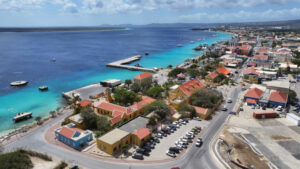
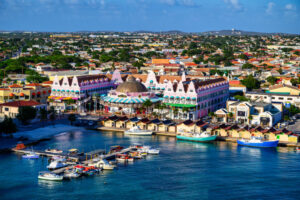
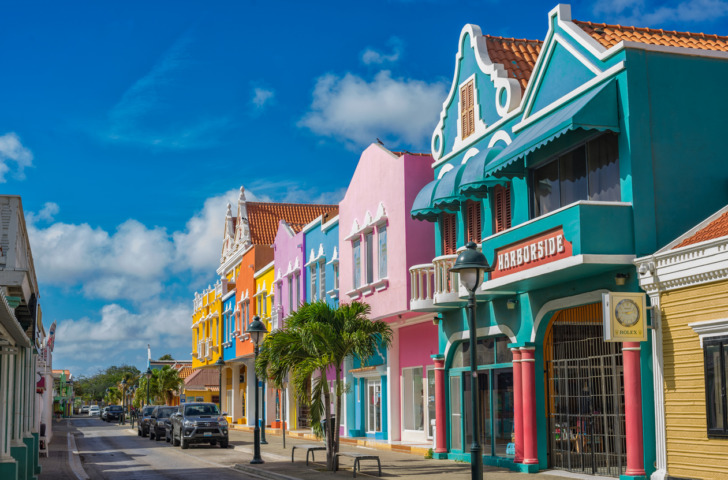
Kralendijk is the small, colorful capital of Bonaire, a Dutch Caribbean island just north of Venezuela and east of Curaçao.
It is not a loud mega-resort destination, and that is exactly the charm.
Kralendijk feels relaxed, sunny, salty, and low-key, with pastel buildings, waterfront restaurants, dive shops, cruise visitors, flamingo-colored sunsets, and some of the best shore diving in the Caribbean.
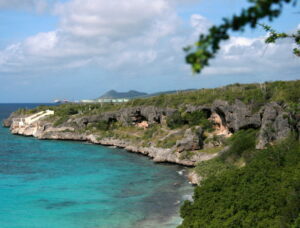
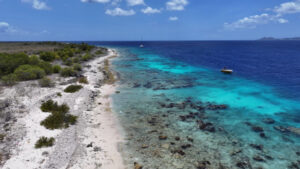
Bonaire is especially famous for marine conservation, coral reefs, windsurfing, snorkeling, and easygoing island life.
From a safety point of view, Kralendijk is generally safe, especially compared with many busier Caribbean destinations.
The main risks are petty theft, rental car break-ins, sun exposure, water safety, isolated beaches, reef injuries, and occasional nightlife caution.
Warnings & Dangers in Kralendijk

OVERALL RISK: LOW
Kralendijk is a low-risk destination for most travelers. Violent crime is uncommon, the town is calm, and the island has a relaxed, tourism-friendly atmosphere. The biggest concerns are petty theft, car break-ins near dive and beach sites, heat, dehydration, and water-related accidents.

TRANSPORT & TAXIS RISK: LOW
Transport risk is low, though visitors often rent cars or pickup trucks to reach beaches and dive sites. Roads are generally manageable, but some are rough, dark, or poorly marked outside town. Taxis are safe but limited, so arrange transport ahead if going out at night or staying outside central Kralendijk.

PICKPOCKETS RISK: LOW
Pickpocketing is not a major issue in Kralendijk, but opportunistic theft can happen around cruise areas, waterfront restaurants, shops, beaches, and dive sites. Keep bags zipped and do not leave phones or wallets unattended. Car break-ins are a more realistic concern than classic pickpocketing.

NATURAL DISASTERS RISK: LOW
Bonaire sits outside the main hurricane belt, so natural disaster risk is lower than on many Caribbean islands. Still, storms, heavy rain, rough seas, flooding, and intense sun can affect travel. The most realistic natural risks are heat, dehydration, strong currents, sharp coral, and changing sea conditions.

MUGGING RISK: LOW
Mugging is rare in Kralendijk. Most visitors feel comfortable walking around the waterfront and central areas during the day and early evening. At night, avoid empty streets, isolated beaches, and dark roads if alone. Use taxis or drive if staying outside the town center.

TERRORISM RISK: LOW
The terrorism risk in Kralendijk is low. Bonaire is a quiet island destination, not a major political or financial target. Travelers should still use basic awareness in crowded areas, cruise terminals, and public events, but terrorism is not a meaningful concern for normal visitors.

SCAMS RISK: LOW
Scams are uncommon in Kralendijk. Tourism businesses are generally straightforward, and pricing is usually clear. Still, confirm costs for taxis, car rentals, dive packages, boat trips, and tours before booking. The most common issue is misunderstanding what is included, not serious fraud.

WOMEN TRAVELERS RISK: LOW
Kralendijk is generally safe for women travelers, including solo travelers. The town feels relaxed, and tourist-facing areas are comfortable. Women should still use standard nighttime caution, avoid isolated beach walks after dark, and be careful with alcohol or unfamiliar people in quiet bars or remote areas.

TAP WATER RISK: LOW
Tap water in Bonaire is safe to drink and generally of good quality. Carry a refillable bottle, especially for beach days, diving, snorkeling, cycling, or exploring Washington Slagbaai National Park. The dry climate and constant breeze can make dehydration sneak up faster than expected.
Safest Places to Visit in Kralendijk
Kralendijk Waterfront
The waterfront is one of the safest and easiest areas for visitors.
It has restaurants, cafes, shops, dive centers, hotels, cruise activity, and beautiful sunset views.
It is comfortable during the day and early evening, especially when restaurants are busy.
Keep belongings close on outdoor tables and avoid leaving bags unattended.
Bonaire National Marine Park
Bonaire’s marine park is one of the island’s biggest treasures and is generally safe when visitors follow the rules.
Shore diving and snorkeling are well established, but safety depends on experience, conditions, and preparation.
Use marked entry points, avoid touching coral, and never dive beyond your training level.
Klein Bonaire
Klein Bonaire is a small uninhabited island just off Kralendijk, popular for snorkeling, beaches, and boat trips.
It is safe when visited with reputable water taxis or tour operators.
Bring water, sun protection, reef-safe sunscreen, and everything you need, because facilities are limited.
Sorobon Beach and Lac Bay
Sorobon Beach and Lac Bay are among the safest and most enjoyable areas for windsurfing, shallow-water relaxing, and beach time.
The area is popular, scenic, and more structured than remote beaches.
Watch for windsurfing traffic, sun exposure, and valuables left unattended.
Donkey Sanctuary Bonaire
The Donkey Sanctuary is a safe, family-friendly attraction and a nice break from water activities.
Visitors usually explore by car and can see rescued donkeys in a controlled environment.
Drive slowly, follow staff guidance, and keep hands and food where instructed.
Places to Avoid in Kralendijk
Isolated Beaches After Dark
Bonaire’s quiet beaches are beautiful during the day, but isolated beaches after dark are not ideal.
Avoid walking alone, swimming at night, or hanging out in remote areas with valuables.
The risk is not extreme, but isolation makes small problems bigger.
Dive Site Parking Areas With Visible Valuables
This is one of the biggest practical safety warnings on Bonaire.
Many dive and snorkel spots have roadside parking, and thieves know visitors may be in the water for a while.
Do not leave bags, electronics, wallets, passports, or cameras visible in your vehicle.
Remote Roads at Night
Some roads outside Kralendijk are dark, rough, or quiet at night.
Avoid unnecessary late-night driving to remote beaches, dive sites, or national park areas.
If you are unfamiliar with the island, stick to the main roads and plan your route before leaving.
Rough Water or Unfamiliar Dive Entry Points
Bonaire is famous for shore diving, but not every entry point is easy.
Avoid entering the water where waves are strong, rocks are sharp, or conditions look beyond your skill level.
If you are unsure, ask a local dive shop before going in.
Unprotected Sun-Exposed Areas Without Water
Bonaire’s dry heat, strong sun, and trade winds can fool travelers into thinking they are cooler than they are.
Avoid long walks, cycling, or beach sessions without water and sun protection.
Heat and dehydration are more realistic dangers than most crime concerns.
Safety Tips for Traveling to Kralendijk
- Do not leave anything visible in your rental car. This is the number one practical safety tip for Bonaire. Many visitors rent trucks or cars to reach dive sites, beaches, and scenic points. If you leave bags, electronics, wallets, passports, or cameras visible, you increase the chance of a break-in. Keep the vehicle empty-looking, and take only what you need.
- Use reputable dive shops. Bonaire is one of the best shore-diving destinations in the world, but that does not mean every dive is automatically easy. Use reputable dive shops for gear, air tanks, advice, and local condition updates. Ask about entry points, currents, depth, marine rules, and your own experience level.
- Protect the reef and yourself. Do not touch coral, stand on reefs, chase marine life, or stir up sand. Coral can be sharp, fragile, and easily damaged. Wear appropriate fins or water shoes where needed, control your buoyancy, and use reef-safe sunscreen. The reef is the reason many people come to Bonaire, so treat it like the island’s crown jewel.
- Carry more water than you think you need. Kralendijk and Bonaire can feel breezy, but the sun is strong, and the climate is dry. You may not notice how much fluid you are losing. Carry water for beach days, diving, snorkeling, cycling, or driving around the island. Dehydration can sneak up fast, especially after alcohol or multiple dives.
- Be careful with shore entries. Bonaire’s shore diving is amazing, but rocky entries can be tricky. Move slowly, watch waves, wear booties if diving, and do not rush while carrying gear. Some sites are easier than others. Beginners should start with easier entries or go with a guide until comfortable.
- Avoid isolated areas at night. Kralendijk is safe, but remote beaches, dark roads, and quiet parking areas are not great places to linger after dark. If you want dinner or drinks, stay in central areas or use trusted transport. The island is calm, but calm should not mean careless.
- Check wind and sea conditions. Bonaire’s conditions can vary by side of the island. The leeward coast is usually calmer, while exposed areas can be rougher. Before snorkeling, diving, kayaking, or windsurfing, check local conditions. If the water looks too rough, choose another site or wait.
- Keep cruise days in mind. When cruise ships are in port, central Kralendijk can become much busier. That does not make it unsafe, but it does mean more crowds, slower service, and more distractions. Keep belongings secure near the pier, shops, cafes, and waterfront paths.
- Use mosquito protection when needed. Bonaire is dry compared with some Caribbean islands, but mosquitoes can still appear, especially after rain or near standing water. Use repellent when needed, wear light long sleeves in the evening, and keep screens closed. It is a simple comfort and health precaution.
- Get travel insurance that covers water activities. If you plan to dive, snorkel, windsurf, kayak, or take boat trips, make sure your travel insurance covers those activities. Diving coverage is especially important. Medical care, evacuation, equipment issues, cancellations, and water-related accidents can become expensive quickly.
So... How Safe Is Kralendijk Really?
Kralendijk is genuinely safe for most travelers, especially if you compare it with busier or more crime-affected Caribbean destinations.
The town is small, relaxed, and easy to navigate, and the island’s tourism scene is built around diving, snorkeling, nature, and low-key exploration rather than chaotic nightlife.
Most visitors are not dealing with violent crime or aggressive scams.
The main safety issue is opportunistic theft.
Rental car break-ins near beaches and dive sites are the biggest thing to take seriously.
This is easy to reduce by leaving nothing visible and keeping your valuables secured.
Petty theft can also happen in crowded or distracted settings, but it is not usually a defining part of the trip.
The other major safety category is the ocean.
Bonaire is a dream for divers and snorkelers, but sharp coral, rocky entries, currents, dehydration, sun exposure, and overconfidence can cause problems.
The island is safest when you respect the water and use local dive knowledge.
Overall, Kralendijk is low risk.
It is safe, calm, scenic, and excellent for independent travelers, couples, families, divers, and solo visitors.
Just do not confuse relaxed with risk-free.
How Does Kralendijk Compare?
| City | Safety Index |
|---|---|
| Kralendijk |
83 |
| Sabadeco |
94 |
| Sorobon |
94 |
| Lac Bay |
93 |
| Hato |
90 |
| Belnem |
92 |
 Camden Camden | 86 |
| Spokane | 74 |
 Le Havre Le Havre | 63 |
 Adelaide Adelaide | 88 |
 Cotonou Cotonou | 65 |
| Medford | 67 |
Useful Information

Visas
Bonaire is a special municipality of the Netherlands in the Caribbean. Many travelers can visit visa-free for short tourism stays, while others may need a Caribbean visa before arrival. Entry rules depend on nationality, passport validity, and length of stay, so check requirements before booking.

Currency
Kralendijk uses the US dollar, which makes spending simple for American travelers. Credit cards are accepted in many hotels, restaurants, dive shops, and stores, but cash is useful for small purchases, tips, taxis, markets, and remote stops. ATMs are available in town.

Weather
Bonaire is warm, sunny, dry, and breezy for much of the year. It sits outside the main hurricane belt, though storms and heavy rain can still happen. Pack light clothing, swimwear, sunglasses, reef-safe sunscreen, sandals, water shoes, and a reusable water bottle.

Airports
Flamingo International Airport is Bonaire’s main airport and is located very close to Kralendijk. Travelers can reach hotels by taxi, rental car, or prearranged transfer. Renting a car or pickup is useful if you plan to explore beaches, dive sites, Lac Bay, or the national park.

Travel Insurance
Travel insurance is strongly recommended for Kralendijk, especially if you plan to dive, snorkel, windsurf, kayak, rent a car, or take boat trips. Choose coverage for medical care, cancellations, delays, lost luggage, theft, emergency transport, and water activities. Divers should check for specific scuba coverage.
Kralendijk Weather Averages (Temperatures)
Average High/Low Temperature
| Temperature / Month | Jan | Feb | Mar | Apr | May | Jun | Jul | Aug | Sep | Oct | Nov | Dec |
|---|---|---|---|---|---|---|---|---|---|---|---|---|
| High °C |
30 | 30 | 31 | 31 | 32 | 32 | 32 | 33 | 33 | 32 | 32 | 30 |
| Low °C |
25 | 25 | 26 | 26 | 27 | 27 | 27 | 27 | 28 | 27 | 26 | 25 |
| High °F |
86 | 86 | 88 | 88 | 90 | 90 | 90 | 91 | 91 | 90 | 90 | 86 |
| Low °F |
77 | 77 | 79 | 79 | 81 | 81 | 81 | 81 | 82 | 81 | 79 | 77 |
Bonaire - Safety by City
| City | Safety Index |
|---|---|
| Belnem | 92 |
| Hato | 90 |
| Kralendijk | 83 |
| Lac Bay | 93 |
| Sabadeco | 94 |
| Sorobon | 94 |