 Aruba : Safety by City
Aruba - safety as a country
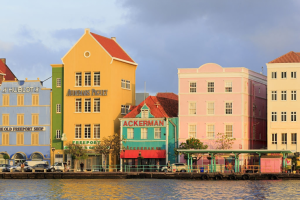
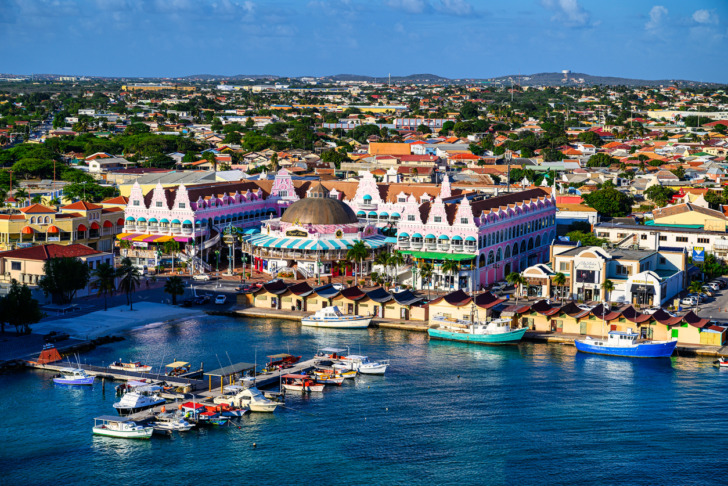
Oranjestad is the colorful capital of Aruba, sitting on the island’s western coast along the southern Caribbean Sea.
It is the kind of place where Dutch colonial-style facades meet cruise ships, turquoise water, casinos, shopping streets, pastel buildings, beach resorts, and warm trade winds that make even a short walk feel like vacation marketing.
Aruba itself sits outside the main hurricane belt, just north of Venezuela, which gives it a drier, sunnier climate than many Caribbean islands.
Oranjestad is generally safe, tourist-friendly, and easy to explore, especially around the waterfront, cruise port, malls, museums, and hotel zones.
Still, travelers should not mistake “safe” for “nothing can go wrong.”
The real risks are petty theft, rental-car break-ins, sun exposure, ocean conditions, expensive taxis, scams, nightlife issues, and isolated areas after dark.
Warnings & Dangers in Oranjestad

OVERALL RISK: LOW
Oranjestad is a low-risk destination for most tourists. Violent crime is uncommon in the main visitor areas, and Aruba has a strong tourism infrastructure. The main concerns are petty theft, car break-ins, overcharging, sunburn, dehydration, and beach or water-sport safety. Normal Caribbean travel precautions are enough for most visitors.

TRANSPORT & TAXIS RISK: MEDIUM
Transport is generally safe, but taxis can be expensive and should be priced clearly before the ride. Rental cars are useful for exploring the island, though parking areas and beach lots require caution with valuables. Roads are manageable, but roundabouts, unfamiliar signs, and occasional rough routes near natural areas require attention.

PICKPOCKETS RISK: LOW
Pickpocketing is not a major issue in Oranjestad, but it can happen around the cruise port, shopping streets, markets, casinos, festivals, and crowded waterfront areas. The bigger risk is leaving bags, phones, or wallets unattended at beaches, restaurants, or rental cars. Keep valuables close and carry only what you need.

NATURAL DISASTERS RISK: LOW
Oranjestad has a lower hurricane risk than many Caribbean destinations because Aruba sits outside the main hurricane belt. Still, heavy rain, strong winds, rough seas, heat, and occasional tropical weather can affect travel. The sun and dehydration are bigger everyday concerns than major storms, especially for beach-heavy itineraries.

MUGGING RISK: LOW
Mugging is rare in Oranjestad's main tourist areas. The downtown waterfront, cruise port zone, restaurants, hotels, and shopping areas are generally safe during the day and evening. Still, avoid walking alone through quiet streets, empty beaches, or poorly lit areas late at night, especially after drinking.

TERRORISM RISK: LOW
The terrorism risk in Oranjestad is low. Aruba is not considered a major terrorism target, and travelers are much more likely to face petty theft, weather, transport issues, or water-sport risks. Normal awareness in airports, cruise terminals, festivals, and crowded public spaces is enough.

SCAMS RISK: MEDIUM
Scams are not extreme, but tourists can face overcharging, vague taxi prices, inflated tour offers, timeshare pressure, unofficial excursion sellers, and unclear rental terms. Confirm prices before agreeing to rides, tours, beach chairs, water sports, or rentals. Aruba is friendly, but it is also expensive, so clarity matters.

WOMEN TRAVELERS RISK: LOW
Oranjestad is generally safe for women travelers, including solo travelers. Tourist areas are active and well used, and serious harassment is not a major issue. Normal precautions still apply: use trusted transport at night, watch drinks, avoid isolated beaches after dark, and choose well-reviewed accommodation in safe, convenient areas.

TAP WATER RISK: LOW
Tap water in Oranjestad is safe to drink and is known for its good quality. Bringing a reusable bottle is smart because Aruba is hot, dry, and windy, and dehydration can creep up quickly. Bottled water is widely available, but most travelers do not need it for safety reasons.
Safest Places to Visit in Oranjestad
Renaissance Marketplace and Waterfront
The Renaissance Marketplace and surrounding waterfront area are among the safest and easiest parts of Oranjestad for tourists.
This area has restaurants, shops, marina views, hotels, and easy access to the cruise port.
It is lively during the day and evening, especially when cruise ships are in town.
The main thing to watch is your belongings in crowds and on outdoor dining tables.
Main Street and the Downtown Shopping Area
Oranjestad’s downtown shopping streets are safe, colorful, and convenient.
You will find boutiques, jewelry stores, souvenir shops, cafes, Dutch-Caribbean architecture, and the streetcar route.
The area is comfortable during business hours and early evening.
As always, avoid carrying too much cash and keep bags secure if cruise crowds are heavy.
Fort Zoutman and Historical Museum Area
Fort Zoutman is one of the city’s historic landmarks and a safe daytime stop for travelers interested in Aruba’s past.
The area is central and easy to combine with a downtown walk.
Visit during opening hours, bring water, and avoid wandering into quiet side streets afterward if you are unfamiliar with the city.
Eagle Beach and Palm Beach Nearby
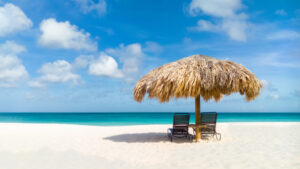
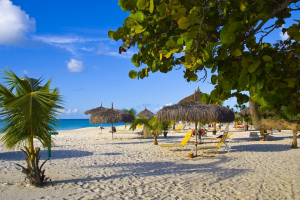
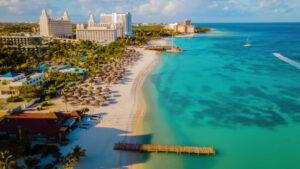
While not technically in the core of Oranjestad, Eagle Beach and Palm Beach are among the safest and most popular nearby beach areas.
Eagle Beach is wide, beautiful, and calmer, while Palm Beach is busier, with resorts, restaurants, nightlife, and water sports.
Both are safe during the day, but keep valuables off the sand and use care after dark.
Aruba Aloe Factory and Museum
The Aruba Aloe Factory and Museum is a safe, easy stop near Oranjestad, especially if you want something beyond beaches and shopping.
It is organized, tourist-friendly, and good for a short visit.
The main practical issue is transport, so go by rental car, taxi, or organized tour.
Places to Avoid in Oranjestad
Empty Beaches After Dark
Aruba’s beaches are beautiful, but empty beaches at night are not ideal.
The risk is not extreme, but darkness, alcohol, valuables, and isolation can create problems.
If you want an evening beach experience, stay near active resort areas, beach bars, or well-lit sections with other people around.
Parking Lots With Valuables in the Car
Rental-car break-ins are one of the more realistic tourist risks in Aruba.
Do not leave bags, cameras, passports, shopping, or electronics visible in your car.
This applies near beaches, downtown streets, natural attractions, and trail areas.
Hide items before arrival or leave them secured at your hotel.
Unofficial Tour and Taxi Offers
Be cautious with people offering vague taxi rides, island tours, boat trips, or beach services without clear pricing.
Most locals are friendly and honest, but tourist areas always attract some opportunists.
Use reputable operators, official taxis, or hotel-recommended services, and confirm the total cost first.
Quiet Downtown Streets Late at Night
Central Oranjestad is safe, but some streets become quiet after shops close and cruise crowds leave.
If you are out late, stick to busier restaurants, hotels, casinos, or waterfront areas.
Use a taxi for longer distances rather than walking through unfamiliar quiet streets.
Rough Coastal Areas on the North Side
If you rent a car and explore beyond Oranjestad, be careful around Aruba’s rougher north and east coast areas.
The scenery is dramatic, but roads can be rugged, waves are powerful, and swimming is unsafe in many spots.
Do not enter the water where signs or conditions warn against it.
Safety Tips for Traveling to Oranjestad
- Protect yourself from the sun. Aruba is sunny, dry, and windy, which can trick visitors into underestimating the heat. You may not feel as sweaty as you would on a humid island, but you can still burn quickly. Use sunscreen, sunglasses, a hat, and lightweight clothing. Drink water throughout the day, especially if you are walking downtown, shopping, drinking alcohol, or spending hours at the beach.
- Do not leave valuables in rental cars. This is one of the most important safety tips for Aruba. Car break-ins can happen when tourists leave bags visible at beaches, viewpoints, restaurants, or natural attractions. Do not leave passports, cameras, laptops, wallets, or shopping bags in sight. If you must store something, place it in the trunk before you arrive, not after parking.
- Confirm taxi prices before the ride. Taxis in Aruba are safe, but fares can be expensive, and tourists should understand the price before getting in. Ask the fare to your destination in advance, especially from the airport, cruise port, hotels, and nightlife areas. This prevents awkward arguments and surprise costs. If your hotel can arrange transport, that is often easier.
- Watch belongings near the cruise port. Oranjestad gets busy when cruise ships arrive. Crowds around the port, shops, restaurants, and tour meeting points can create opportunities for small thefts or simple loss. Keep your phone, wallet, cruise card, and ID secure. Give yourself extra time when returning to the ship, because rushing makes people careless.
- Use reputable water-sport operators. Boat tours, snorkeling, diving, jet skiing, parasailing, and sunset cruises are popular in Aruba. Choose operators with clear safety standards, life jackets, proper equipment, and realistic weather judgment. Do not book a vague beach offer just because it sounds cheap. Good operators make the day safer and usually more enjoyable.
- Respect ocean conditions. Aruba has calm, beautiful water in many resort areas, but not every beach is safe for swimming. The rougher coast can have powerful waves, currents, rocks, and dangerous conditions. Swim where other people swim, pay attention to signs, and avoid entering the water in isolated or rough areas. The Caribbean can still bite.
- Stay aware during nightlife. Oranjestad and nearby Palm Beach have casinos, bars, restaurants, and nightlife. Most nights out are safe, but alcohol changes the risk picture. Watch your drink, know your limits, avoid accepting open drinks from strangers, and plan your ride back. Do not walk alone along quiet roads or beaches late at night if you have been drinking.
- Carry some cash, but not too much. Cards are widely accepted, but cash is useful for taxis, tips, small shops, markets, and beach services. Carry small bills and avoid flashing large amounts. Leave extra cash, backup cards, and passports secured at your hotel. Aruba is safe, but carrying everything at once is never a good idea.
- Plan around the wind. Aruba is breezy, and that breeze is part of the island’s charm. It also affects beach umbrellas, boat trips, hair, hats, and sometimes water conditions. Secure loose items at the beach, use clips for towels if needed, and check conditions before boating or snorkeling. The wind is lovely until your hat starts its own vacation.
- Choose accommodation based on your style. For convenience and nightlife, many travelers prefer Palm Beach. For a calmer beach feel, Eagle Beach is excellent. For city access, Oranjestad is practical. Choosing the right base reduces late-night transport issues and makes the trip safer. If you plan to explore the island, a rental car can help, but use the same parking precautions everywhere.
So... How Safe Is Oranjestad Really?
Oranjestad is a safe and comfortable Caribbean capital for most travelers.
It has a strong tourism economy, a friendly local culture, reliable infrastructure by regional standards, and plenty of organized visitor areas.
The cruise port, waterfront, downtown shopping area, hotels, casinos, and nearby resort beaches are generally safe during the day and evening.
Violent crime is not a major concern for the average tourist.
The safety issues are mostly practical.
Petty theft and car break-ins can happen when travelers leave belongings unattended.
Taxi and tour prices should be confirmed in advance.
Beach and water-sport safety matters, especially away from calm resort areas.
Sun exposure and dehydration are common, avoidable problems.
Nightlife is usually fine, but alcohol, quiet roads, and isolated beaches can raise the risk.
I would rate Oranjestad as low risk overall, with medium risk for rental-car theft, nightlife, and water activities.
It is not a destination where travelers need to feel nervous, but it is a place where smart habits help.
Lock up valuables, drink water, use reputable operators, respect the sea, and plan transport after dark.
Do that, and Oranjestad is one of the easier and safer Caribbean capitals to enjoy.
How Does Oranjestad Compare?
| City | Safety Index |
|---|---|
| Oranjestad |
85 |
| Eagle Beach |
91 |
| Palm Beach |
88 |
| San Nicolas |
79 |
| Noord |
88 |
| Savaneta |
90 |
 Nagasaki Nagasaki | 96 |
 Auckland Auckland | 85 |
 Tulsa Tulsa | 77 |
| Ketchikan | 94 |
 Perugia Perugia | 60 |
| Ogden | 72 |
Useful Information

Visas
Aruba is part of the Kingdom of the Netherlands but has its own entry rules. Many tourists, including visitors from the United States, Canada, the United Kingdom, the European Union, and several other countries, can enter visa-free for short stays. Other travelers may need a Caribbean visa. Check passport validity and allowed stay before travel.

Currency
Oranjestad uses the Aruban florin, but U.S. dollars are widely accepted. Credit and debit cards are accepted in most hotels, restaurants, shops, and tour offices. Small cash is useful for taxis, tips, beach services, and local purchases. If paying in U.S. dollars, change may sometimes be given in florins.

Weather
Oranjestad is warm, sunny, dry, and windy for most of the year. Aruba sits outside the main hurricane belt, so severe storms are less common than on many Caribbean islands. Pack lightweight clothing, swimwear, sunscreen, sunglasses, sandals, and a hat. The breeze helps with comfort, but sunburn can happen fast.

Airports
Oranjestad is served by Queen Beatrix International Airport, located close to the city and major resort areas. Taxis, rental cars, hotel transfers, and tour shuttles are available. The drive to downtown Oranjestad is short, while Palm Beach and Eagle Beach are also easy to reach. Confirm taxi pricing before leaving the airport.

Travel Insurance
Travel insurance is recommended for Oranjestad, especially if you are flying internationally, cruising, renting a car, joining boat tours, diving, snorkeling, or booking prepaid resorts. Good coverage should include medical care, cancellations, theft, lost luggage, delays, water activities, and weather-related disruptions. Check activity exclusions before buying.
Oranjestad Weather Averages (Temperatures)
Average High/Low Temperature
| Temperature / Month | Jan | Feb | Mar | Apr | May | Jun | Jul | Aug | Sep | Oct | Nov | Dec |
|---|---|---|---|---|---|---|---|---|---|---|---|---|
| High °C |
30 | 31 | 31 | 32 | 32 | 32 | 32 | 33 | 33 | 32 | 32 | 31 |
| Low °C |
24 | 24 | 25 | 26 | 27 | 27 | 27 | 27 | 27 | 27 | 26 | 25 |
| High °F |
86 | 88 | 88 | 90 | 90 | 90 | 90 | 91 | 91 | 90 | 90 | 88 |
| Low °F |
75 | 75 | 77 | 79 | 81 | 81 | 81 | 81 | 81 | 81 | 79 | 77 |
Aruba - Safety by City
| City | Safety Index |
|---|---|
| Eagle Beach | 91 |
| Noord | 88 |
| Oranjestad | 85 |
| Palm Beach | 88 |
| San Nicolas | 79 |
| Savaneta | 90 |