 Aruba : Safety by City
Aruba - safety as a country
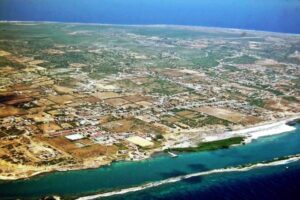
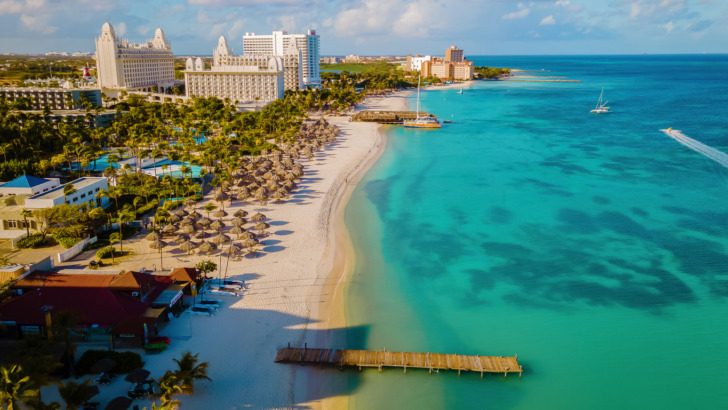
Palm Beach is Aruba’s lively resort center, stretching along the island’s northwestern coast in the district of Noord.
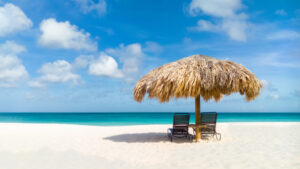
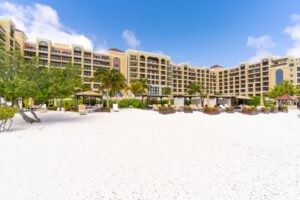
It is known for calm turquoise water, white sand, high-rise hotels, casinos, beachfront restaurants, water sports, and nightlife that continues long after sunset.
Unlike Aruba’s rugged eastern coast, Palm Beach has developed facilities, regular transportation, and plenty of activity throughout the day.
It is also close to Eagle Beach, Malmok, Oranjestad, and the California Lighthouse, making it a convenient base for exploring the island.
Palm Beach is generally very safe, including for families and solo travelers.
The most realistic concerns are petty theft, traffic, excessive drinking, strong sun, water-sports accidents, and leaving valuables unattended while swimming.
Warnings & Dangers in Palm Beach

OVERALL RISK: LOW
Palm Beach is one of Aruba’s safest and most visitor-friendly areas. Serious crime involving tourists is uncommon, and the hotel district remains active well into the evening. Travelers should still secure valuables, avoid poorly lit areas late at night, use trusted transportation, and stay aware around crowded bars, beaches, and shopping centers.

TRANSPORT & TAXIS RISK: MEDIUM
Official taxis are regulated, recognizable by TX license plates, and generally safe. Fares are usually fixed by zone rather than calculated by a meter. Traffic around the hotel district can become congested, and pedestrian crossings are not always respected. Rental drivers should watch for roundabouts, scooters, unfamiliar signs, and poorly lit roads outside the resort area.

PICKPOCKETS RISK: MEDIUM
Palm Beach’s crowds create more opportunity for petty theft than quieter parts of Aruba. Phones, wallets, handbags, and room keys can disappear from beach chairs, restaurant tables, bars, or open bags. Keep valuables secured and carry only what you need. Beach theft is more realistic than organized pickpocketing.

NATURAL DISASTERS RISK: MEDIUM
Aruba lies south of the Caribbean’s main hurricane belt, so direct hurricane strikes are less common than on many neighboring islands. However, tropical systems can still bring heavy rain, rough seas, flooding, and travel disruption. The Atlantic hurricane season runs from June through November. Heat and strong ultraviolet exposure are everyday natural risks.

MUGGING RISK: LOW
Mugging is uncommon in the central Palm Beach resort district. Hotels, restaurants, casinos, shopping areas, and busy streets provide regular activity and security. Risk increases on empty beaches, unlit roads, or quiet inland streets late at night. Avoid displaying expensive jewelry or carrying large amounts of cash.

TERRORISM RISK: LOW
The terrorism risk in Palm Beach is low. Aruba is a stable Dutch Caribbean destination without the political or symbolic targets found in major international cities. Normal awareness is appropriate at the airport, large festivals, casinos, and crowded public events, but terrorism is not a practical concern for most travelers.

SCAMS RISK: MEDIUM
Aggressive scams are uncommon, but visitors may encounter misleading vacation rentals, unclear excursion prices, excessive taxi charges, or unexpected fees for beach equipment and water sports. Confirm the total cost before paying, including transportation, taxes, equipment, deposits, and cancellation charges. Book expensive activities through established operators.

WOMEN TRAVELERS RISK: LOW
Palm Beach is generally safe for women, including those traveling alone. The resort strip remains busy during the day and evening, and hotels can arrange dependable taxis. Women should watch drinks, avoid isolated beach sections after dark, and use transportation rather than walking alone through unfamiliar inland streets late at night.

TAP WATER RISK: LOW
Tap water in Palm Beach is safe to drink. Aruba produces high-quality drinking water by desalinating and purifying seawater. Visitors can refill reusable bottles at hotels and restaurants rather than buying bottled water. Staying hydrated is especially important because strong trade winds can hide how quickly the tropical sun is affecting you.
Safest Places to Visit in Palm Beach
The Main Palm Beach Hotel Zone
The central section of Palm Beach is the safest and most convenient area for visitors.
Major resorts, restaurants, beach services, security staff, taxis, and other travelers are normally nearby.
The beach is usually active from morning through sunset, making it suitable for families, couples, solo travelers, and older visitors.
Paseo Herencia
Paseo Herencia is a busy entertainment and shopping area across from the high-rise hotels.
It contains restaurants, stores, a cinema, family attractions, and evening entertainment.
The area is well-lit and regularly visited, making it one of the most comfortable places to walk after dinner.
Keep phones and handbags secure when crowds gather.
Palm Beach Plaza
Palm Beach Plaza offers additional restaurants, stores, entertainment, and nightlife within the main resort district.
It is generally safe during operating hours and provides an easy place to spend an evening without traveling far.
As bars close, use normal nightlife precautions and return to your accommodation through busy, well-lit routes.
Eagle Beach
Eagle Beach is located just south of Palm Beach and is one of Aruba’s most famous stretches of sand.
It is broad, clean, and generally safe during daylight.
It feels quieter than the high-rise district while still being close to hotels and roads.
Do not leave valuables unattended when swimming.
Malmok and Boca Catalina During the Day
Malmok and Boca Catalina are popular for snorkeling and calm-water swimming when conditions are favorable.
Visit during daylight, secure belongings, and remain alert to boats and currents.
Facilities are more limited than at Palm Beach, so bring water, sun protection, and arranged transportation.
Places to Avoid in Palm Beach
There Are No Established Tourist No-Go Neighborhoods
Palm Beach does not have a recognized dangerous neighborhood that visitors must avoid completely.
It is one of Aruba’s most developed tourism areas.
Safety depends more on timing and behavior than on avoiding a particular district.
Empty streets, unattended belongings, and excessive drinking create more risk than the location itself.
Isolated Beach Sections Late at Night
The central beach may remain active after sunset, but quieter sections can become dark and empty.
Avoid walking far from resorts or beach bars alone late at night.
Darkness makes it harder to see water conditions, equipment, rocks, or people approaching from less visible areas.
Poorly Lit Inland Roads
Streets behind the main hotel and entertainment district vary in lighting and pedestrian facilities.
Sidewalks may be incomplete, and drivers may not expect people to be walking after dark.
Use a taxi if your accommodation, restaurant, or vacation rental is outside the active resort zone.
The Shore During Rough-Sea Warnings
Palm Beach is often calm, but strong winds, distant storms, and changing weather can create waves or currents.
Avoid swimming, paddleboarding, parasailing, or operating personal watercraft when warnings are active.
Follow instructions from lifeguards, hotel staff, and water-sports operators.
Aruba’s Rugged North Coast Without Preparation
The island’s northern and eastern coastline is dramatically different from Palm Beach.
It contains rough terrain, powerful surf, cliffs, caves, and unpaved tracks.
Do not take a standard rental car onto roads requiring a four-wheel-drive vehicle.
Guided tours are safer for unfamiliar off-road areas.
Nightlife Areas When Crowds Disperse
Palm Beach has casinos, bars, clubs, and late-night restaurants.
These areas are usually safe, but alcohol increases the chances of arguments, falls, lost property, and poor transportation choices.
Avoid wandering alone after venues close, particularly if you are intoxicated or unfamiliar with the area.
Safety Tips for Traveling to Palm Beach
- Never leave valuables unattended on the beach. Palm Beach can feel secure enough to make visitors careless. Do not leave phones, wallets, watches, cameras, or hotel keys under a towel while swimming. Store passports and extra cash in your room safe. A waterproof pouch is useful when everyone in your group wants to enter the water together.
- Use official taxis with TX license plates. Official taxis are regulated and generally reliable. Confirm the fare before departure because taxis do not operate like standard metered cabs. Additional charges may apply at night, on holidays, for luggage, or for larger groups. Hotels and restaurants can call an authorized driver for you.
- Cross busy roads carefully. The hotel district includes several busy roads, roundabouts, parking entrances, buses, taxis, and scooters. Do not assume a driver will stop simply because you are at a marked crossing. Make eye contact with drivers and wait until traffic clearly slows before stepping into the road.
- Take sun exposure seriously. Aruba’s steady trade winds make the temperature feel more comfortable than it really is. Visitors can burn or become dehydrated without noticing. Apply sunscreen regularly, wear sunglasses and a hat, seek shade during the strongest afternoon heat, and refill your water bottle throughout the day.
- Check water conditions before swimming. Palm Beach is known for relatively calm water, but conditions are never guaranteed. Wind, passing boats, storms, and water-sports activity can create hazards. Weak swimmers and children should remain close to shore. Avoid swimming near jet skis, boat lanes, or parasailing launch areas.
- Book water sports through established operators. Before paying for parasailing, jet skiing, snorkeling, diving, or a boat excursion, confirm the operator’s safety procedures and equipment. Ask what the price includes and whether life jackets are provided. Do not participate if equipment looks damaged or weather conditions appear unsuitable.
- Limit alcohol before entering the water. Palm Beach combines beachfront drinking with swimming, boating, and water sports. Alcohol affects judgment, coordination, and swimming ability. Do not operate a vehicle, jet ski, or boat after drinking. Stay with your group and arrange transportation before beginning a late night.
- Lock your rental car and hide belongings. Do not leave luggage, shopping bags, cameras, or electronics visible inside a vehicle. Theft from parked cars is possible at beaches, viewpoints, and trail areas. Place belongings in the trunk before reaching your destination so no one sees you hiding them after parking.
- Use the right vehicle for off-road areas. A regular rental car is suitable for Palm Beach, Oranjestad, and most paved roads. It may not be suitable for rough tracks around Arikok National Park or Aruba’s northern coast. Follow rental restrictions, avoid flooded roads, and join a guided four-wheel-drive tour when necessary.
- Monitor tropical weather even outside the main hurricane belt. Aruba has a lower hurricane risk than many Caribbean islands, but it can still experience rain, rough seas, and disruption from nearby tropical systems. Check forecasts during hurricane season and understand your hotel’s emergency procedures. Review cancellation and storm coverage before booking.
So... How Safe Is Palm Beach Really?
Palm Beach is a genuinely safe place for a Caribbean vacation.
Aruba is generally treated as a normal-precautions destination, and the Palm Beach hotel zone benefits from established resorts, regular security, dependable taxis, busy restaurants, and a tourism industry accustomed to international visitors.
The main criminal risk is opportunistic theft.
Visitors are more likely to lose an unattended phone, beach bag, or wallet than experience a violent attack.
Crowded bars, hotel lobbies, shopping centers, and beach areas require basic awareness, particularly when people are distracted by luggage, drinks, children, or water activities.
Road safety deserves attention because the resort district can become busy, especially around evening dining hours.
Drivers should become comfortable with roundabouts and watch for scooters and pedestrians.
Those walking should not assume that every road has a continuous sidewalk or well-controlled crossing.
Aruba’s climate creates another set of risks.
The island’s cooling wind can make travelers underestimate ultraviolet exposure and dehydration.
Although Aruba is outside the region most frequently hit by hurricanes, nearby storms can still affect flights, rainfall, and sea conditions between June and November.
Palm Beach receives a low overall risk rating.
It is suitable for families, couples, women traveling alone, older visitors, and first-time Caribbean travelers.
Protect your belongings, use official transportation, respect the sun and sea, and avoid isolated areas late at night.
How Does Palm Beach Compare?
| City | Safety Index |
|---|---|
| Palm Beach |
88 |
| Savaneta |
90 |
| Oranjestad |
85 |
| Eagle Beach |
91 |
| Noord |
88 |
| San Nicolas |
79 |
 Mystic Mystic | 87 |
 Manta Manta | 62 |
 San Andres San Andres | 62 |
| Racine | 70 |
 Tangier Tangier | 70 |
 Kristiansand Kristiansand | 81 |
Useful Information

Visas
Visa requirements depend on nationality, but many tourists can visit Aruba without obtaining a visa in advance for a short stay. All travelers must complete Aruba’s online Embarkation and Disembarkation Card before arrival. Air passengers are generally charged a US$20 sustainability fee through the official entry process. Entry permission and maximum stay are determined by immigration.

Currency
Aruba uses the Aruban florin, which is fixed at approximately 1.79 florins to US$1. US dollars are widely accepted in Palm Beach, and prices may be displayed in either currency. Credit cards work at most hotels, restaurants, and stores. Carry small cash notes for taxis, tips, buses, and beach services.

Weather
Palm Beach is warm, sunny, and windy throughout the year, with typical daytime temperatures close to 29°C to 32°C. Rain is usually brief, though wetter conditions become more likely from October through January. Pack light clothing, sunscreen, sunglasses, swimwear, a hat, and a light rain layer.

Airports
Queen Beatrix International Airport is Aruba’s main airport and is approximately 20 to 30 minutes from Palm Beach, depending on traffic. Official airport taxis, private transfers, buses, and rental cars are available. Travelers flying to the United States should arrive early because Aruba provides U.S. customs and immigration preclearance before departure.

Travel Insurance
Travel insurance is recommended even though Palm Beach is low-risk. Choose coverage for emergency treatment, medical evacuation, trip cancellation, lost baggage, rental-car damage, water activities, and tropical weather disruption. Check whether jet skiing, diving, parasailing, or off-road tours require additional adventure-activity coverage.
Palm Beach Weather Averages (Temperatures)
Average High/Low Temperature
| Temperature / Month | Jan | Feb | Mar | Apr | May | Jun | Jul | Aug | Sep | Oct | Nov | Dec |
|---|---|---|---|---|---|---|---|---|---|---|---|---|
| High °C |
30 | 27 | 31 | 31 | 32 | 32 | 33 | 33 | 33 | 32 | 30 | 30 |
| Low °C |
25 | 25 | 26 | 26 | 26 | 26 | 27 | 27 | 27 | 26 | 26 | 25 |
| High °F |
86 | 81 | 88 | 88 | 90 | 90 | 91 | 91 | 91 | 90 | 86 | 86 |
| Low °F |
77 | 77 | 79 | 79 | 79 | 79 | 81 | 81 | 81 | 79 | 79 | 77 |
Aruba - Safety by City
| City | Safety Index |
|---|---|
| Eagle Beach | 91 |
| Noord | 88 |
| Oranjestad | 85 |
| Palm Beach | 88 |
| San Nicolas | 79 |
| Savaneta | 90 |