 Aruba : Safety by City
Aruba - safety as a country
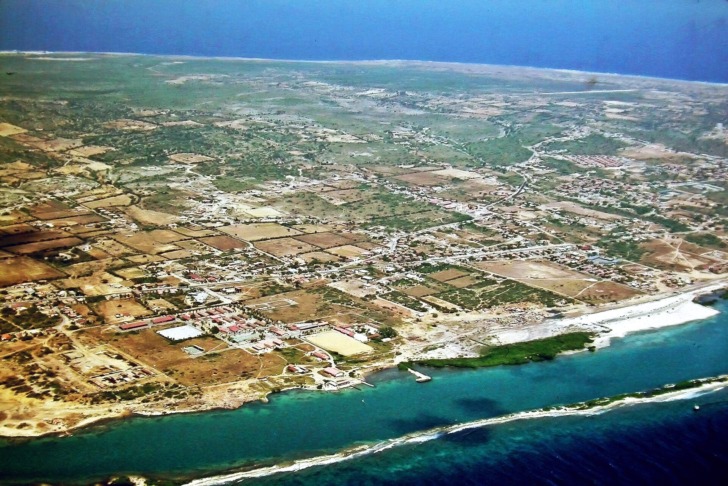
Savaneta is a quiet coastal community on Aruba’s southeastern side, far removed from the high-rise hotels, casinos, and nightlife of Palm Beach.
Once Aruba’s capital, it now feels more like a traditional fishing village, with colorful homes, local restaurants, mangrove-lined water, and a slower rhythm.
The area is especially known for fresh seafood and nearby Mangel Halto, a sheltered beach with shallow turquoise water and accessible snorkeling.
Savaneta gives travelers a more local experience while remaining within easy driving distance of Oranjestad, San Nicolas, Baby Beach, and the airport.
It is generally very safe, but its low-key character means fewer sidewalks, less nightlife transportation, and more isolated coastal areas.
The main concerns are beach theft, driving, heat, currents, and wandering alone after dark.
Warnings & Dangers in Savaneta

OVERALL RISK: LOW
Savaneta is a low-risk destination with little violent crime and a relaxed residential atmosphere. Most travelers feel comfortable visiting beaches, restaurants, and local streets during daylight. Normal precautions still matter, particularly around unattended belongings, isolated shorelines, rental vehicles, and nighttime transportation. Environmental risks are generally more significant than street crime.

TRANSPORT & TAXIS RISK: MEDIUM
Official taxis and hotel-arranged drivers are generally safe, but taxis are less immediately available than in Aruba’s main resort districts. A rental car is useful, although roads may have limited lighting and incomplete sidewalks. Drivers should watch for roundabouts, scooters, pedestrians, sudden stops, and animals, especially after dark.

PICKPOCKETS RISK: LOW
Pickpocketing is uncommon because Savaneta rarely has the large crowds found around cruise terminals or major resort areas. Opportunistic theft remains possible at beaches, restaurants, and parking areas. Never leave a phone, wallet, camera, or car key unattended while swimming, even when the beach appears quiet.

NATURAL DISASTERS RISK: MEDIUM
Aruba lies south of the Caribbean’s most active hurricane zone, but tropical storms can still produce heavy rain, flooding, strong winds, dangerous waves, and travel delays. Extreme sun and heat are more frequent hazards. Currents, reef conditions, and sudden changes in visibility also create risks for swimmers and snorkelers.

MUGGING RISK: LOW
Mugging is rare in central Savaneta and around its established restaurants and beaches. Risk increases on empty roads, isolated coastal paths, and poorly lit areas late at night. Avoid displaying expensive jewelry or large amounts of cash, and use a vehicle rather than walking long distances after dinner.

TERRORISM RISK: LOW
The terrorism risk in Savaneta is low. Aruba is politically stable, and this small coastal community lacks the major transportation, military, or symbolic targets found in larger international destinations. Visitors should maintain normal awareness at the airport and major public events, but terrorism is not a practical concern during an ordinary trip.

SCAMS RISK: LOW
Tourist scams are uncommon in Savaneta. Possible problems include misleading vacation rentals, unclear excursion prices, informal taxi arrangements, or unexpected equipment charges. Confirm the complete price before accepting transportation, snorkeling trips, boat tours, or rentals. Use established businesses and avoid paying large deposits through unusual payment methods.

WOMEN TRAVELERS RISK: LOW
Savaneta is generally safe for women, including those traveling alone. The area is quiet and welcoming, although it becomes less active after dark than Palm Beach or Oranjestad. Solo women should arrange reliable transportation for evenings, avoid isolated beach walks at night, and tell someone before taking independent coastal or snorkeling trips.

TAP WATER RISK: LOW
Tap water in Savaneta is safe to drink. Aruba produces clean drinking water through an advanced desalination and purification system. Visitors can comfortably refill reusable bottles rather than relying on packaged water. Frequent hydration is important because Aruba’s trade winds can make the heat feel less intense than it really is.
Safest Places to Visit in Savaneta
Mangel Halto
Mangel Halto is the best-known beach near Savaneta and one of the area’s safest places for a relaxed daytime visit.
Mangroves provide shade, while the reef helps shelter portions of the shallow water.
Stay close to shore unless you are an experienced swimmer, since currents and deeper water beyond the protected area can be challenging.
Savaneta Village Center
The village center offers a more local side of Aruba, with homes, churches, small businesses, and seafood restaurants.
It is peaceful during the day and easy to explore by car.
Pedestrian infrastructure is limited, so visitors should avoid long roadside walks and choose safe parking near their destination.
Santo Largo Beach
Santo Largo is a shallow, quiet coastal spot that is particularly appealing to families and travelers looking for calm water.
It receives fewer visitors than Aruba’s major resort beaches.
Facilities may be limited, so bring water, sun protection, and anything else you need for the visit.
Spanish Lagoon
Spanish Lagoon is a protected wetland north of Savaneta with mangroves, birdlife, and historical importance.
It is best experienced from recognized roads, viewpoints, or organized kayak tours.
Avoid entering fragile mangrove areas independently, and use an established operator if exploring the lagoon from the water.
Baby Beach During the Day
Baby Beach is located farther south near San Nicolas but is an easy excursion from Savaneta.
Its curved lagoon and shallow sections make it popular with families.
Stay within the protected swimming area, because conditions become more difficult near the lagoon’s opening and beyond the reef.
Places to Avoid in Savaneta
There Are No Recognized No-Go Neighborhoods
Savaneta does not contain a neighborhood that tourists are routinely warned to avoid.
It is a quiet residential and fishing community rather than a dense urban center.
Safety depends more on avoiding isolated situations, poorly lit roads, unsafe water conditions, and unattended property than on staying away from a specific district.
Isolated Shorelines After Dark
Quiet beaches and coastal paths can become completely empty at night.
Avoid walking alone along the shoreline after restaurants and beach activity have ended.
Lighting is limited, and it can be difficult to see rocks, fishing equipment, changing waves, or people approaching from nearby roads.
Deep Water Beyond Mangel Halto’s Reef
The shallow water near Mangel Halto can look extremely calm, but conditions become more demanding farther offshore.
Strong currents, coral, boat traffic, and deeper water may challenge inexperienced snorkelers.
Do not swim beyond your ability, and avoid entering when visibility, wind, or sea conditions are poor.
Unlit Roads Around the Village
Savaneta’s roads are not always designed for pedestrians.
Sidewalks may be missing, shoulders can be narrow, and drivers may not expect walkers after dark.
Avoid walking between distant restaurants, beaches, and accommodations at night.
Arrange a taxi or use a designated sober driver.
Aruba’s Rough Eastern Coast
The rugged eastern coast has powerful surf, rocky terrain, caves, and unpaved tracks.
It is dramatically different from Savaneta’s protected southwestern shoreline.
Avoid swimming where waves are breaking heavily, and do not drive onto rough tracks with a vehicle that your rental agreement does not permit.
Empty Lots and Abandoned Properties
Do not enter vacant homes, construction areas, private land, or abandoned buildings.
These locations may contain unstable surfaces, exposed materials, open pits, or guard dogs.
They also provide less visibility and assistance than recognized tourist attractions and public beaches.
Safety Tips for Traveling to Savaneta
- Rent a car or arrange dependable transportation. Savaneta is spread out, and many restaurants, beaches, and accommodations are not comfortably connected on foot. A rental car provides flexibility, while taxis are useful for evening meals. Confirm return transportation before heading out because taxis may not wait nearby as they do in resort districts.
- Never leave valuables unattended near the water. Mangel Halto and other local beaches feel peaceful, but unattended phones, wallets, cameras, and keys can still disappear. Leave passports and extra cash in your accommodation safe. Use a waterproof pouch or have someone watch your belongings whenever the entire group enters the water.
- Stay within your snorkeling ability. The reef and clear water near Savaneta attract snorkelers, but the calm appearance can be misleading. Currents become stronger farther offshore, and coral can cause cuts. Beginners should remain in protected shallow areas or join a guided excursion with appropriate equipment and local knowledge.
- Drive carefully after sunset. Road lighting can be limited, and pedestrians, cyclists, scooters, animals, and parked vehicles may be difficult to see. Reduce your speed and avoid using your phone. If you plan to drink at a waterfront restaurant, arrange a taxi or choose a sober driver before the evening begins.
- Protect yourself from Aruba’s intense sun. The constant breeze makes Savaneta feel comfortable, but it does not reduce ultraviolet exposure. Apply sunscreen regularly, wear a hat and sunglasses, and seek shade during the hottest hours. Drink tap water throughout the day, particularly before and after snorkeling or boating.
- Wear water shoes around coral and rocks. Some coastal entry points contain sharp rocks, coral fragments, shells, or slippery surfaces. Water shoes provide useful protection, but they do not make it acceptable to stand on living coral. Enter slowly, watch where you step, and avoid touching marine life.
- Check tropical weather during the hurricane season. The Atlantic hurricane season runs from June through November. Aruba experiences fewer direct strikes than many Caribbean islands, but nearby systems can still bring heavy rain, flooding, flight delays, and rough water. Check forecasts and follow instructions from local authorities and accommodation staff.
- Choose established boat and kayak operators. Before booking a lagoon tour, fishing trip, snorkeling excursion, or kayak rental, confirm the route, price, safety equipment, and cancellation policy. Life jackets should be available and properly fitted. Avoid operators who dismiss changing weather or seem unwilling to explain their safety procedures.
- Lock rental vehicles and hide belongings. Do not leave luggage, electronics, wallets, or shopping bags visible inside a parked car. Put belongings in the trunk before arriving at the beach so nobody sees you hiding them. Lock the doors and take keys with you, even during a quick roadside or restaurant stop.
- Respect residential areas and local privacy. Savaneta is a real community rather than a purpose-built resort. Avoid entering private docks, yards, fishing areas, or beach access routes that cross residential property. Ask before photographing people or homes, keep noise reasonable, and park without blocking driveways or narrow streets.
So... How Safe Is Savaneta Really?
Savaneta is one of Aruba’s safest and most relaxed places to stay, particularly for travelers who prefer local restaurants, smaller accommodations, and quiet beaches to large resorts.
Aruba has a strong overall safety profile, and serious violence involving tourists is uncommon.
Savaneta’s residential character and low crowd levels further reduce the likelihood of pickpocketing or aggressive tourist scams.
Its quietness does create a few practical challenges.
Visitors cannot rely on constant taxis, busy pedestrian streets, lifeguards at every beach, or resort staff appearing immediately when something goes wrong.
Renting a car, carrying water, and planning excursions carefully are more important here than in Palm Beach.
Water safety deserves particular attention.
Mangel Halto has sheltered shallow sections, but the reef, deeper channels, and offshore currents require caution.
Inexperienced swimmers should remain close to shore or explore with a guide.
Beach theft is possible, especially when belongings are left unattended while everyone swims.
The island’s sun, heat, and road conditions are more likely to affect an ordinary trip than crime.
Tropical storms rarely strike Aruba directly, but they can still disrupt sea conditions and transportation.
Savaneta receives a low overall risk rating.
It is suitable for families, couples, solo travelers, and women traveling alone.
Protect your belongings, respect the water, drive cautiously, and arrange evening transportation.
How Does Savaneta Compare?
| City | Safety Index |
|---|---|
| Savaneta |
90 |
| San Nicolas |
79 |
| Palm Beach |
88 |
| Oranjestad |
85 |
| Noord |
88 |
| Eagle Beach |
91 |
 Bowling Green Bowling Green | 76 |
 Srimangal Srimangal | 68 |
| Huntsville | 66 |
| Kennett Square | 84 |
 Dickenson Bay Dickenson Bay | 86 |
| Snellville | 51 |
Useful Information

Visas
Visa requirements depend on nationality, although many tourists can enter Aruba without obtaining a visa in advance. All arriving travelers must complete the electronic Embarkation and Disembarkation Card. Most visitors arriving by air also pay a US$20 sustainability fee through the official entry process. Immigration determines the permitted length of stay.

Currency
Savaneta uses the Aruban florin, which is fixed at approximately 1.79 florins to US$1. US dollars are widely accepted, but change may be provided in local currency. Cards work at many restaurants and supermarkets. Carry small cash notes for taxis, tips, local businesses, and beach facilities.

Weather
Savaneta is hot, sunny, dry, and breezy throughout most of the year, with typical daytime temperatures around 29°C to 32°C. Rain is more likely from October through January but often arrives in brief showers. Pack lightweight clothing, strong sunscreen, sunglasses, a hat, swimwear, and water shoes.

Airports
Queen Beatrix International Airport is Aruba’s only major airport and is roughly 15 to 20 minutes from Savaneta by car, depending on traffic and the location of your accommodation. Taxis and rental cars are available at the terminal. Arrange directions carefully because smaller vacation rentals may be difficult to identify after dark.

Travel Insurance
Travel insurance is recommended for Savaneta, particularly if you plan to snorkel, dive, kayak, rent a car, or take boat trips. Choose coverage for emergency treatment, medical evacuation, rental-car damage, cancellations, lost baggage, theft, and tropical weather disruption. Confirm that your planned water activities are specifically covered.
Savaneta Weather Averages (Temperatures)
Average High/Low Temperature
| Temperature / Month | Jan | Feb | Mar | Apr | May | Jun | Jul | Aug | Sep | Oct | Nov | Dec |
|---|---|---|---|---|---|---|---|---|---|---|---|---|
| High °C |
28 | 27 | 28 | 29 | 29 | 29 | 29 | 30 | 30 | 30 | 29 | 28 |
| Low °C |
25 | 25 | 25 | 25 | 27 | 27 | 27 | 27 | 27 | 26 | 26 | 25 |
| High °F |
82 | 81 | 82 | 84 | 84 | 84 | 84 | 86 | 86 | 86 | 84 | 82 |
| Low °F |
77 | 77 | 77 | 77 | 81 | 81 | 81 | 81 | 81 | 79 | 79 | 77 |
Aruba - Safety by City
| City | Safety Index |
|---|---|
| Eagle Beach | 91 |
| Noord | 88 |
| Oranjestad | 85 |
| Palm Beach | 88 |
| San Nicolas | 79 |
| Savaneta | 90 |