 Bangladesh : Safety by City
Bangladesh - safety as a country
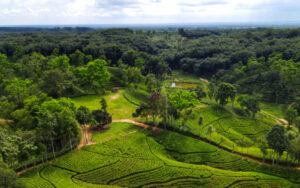
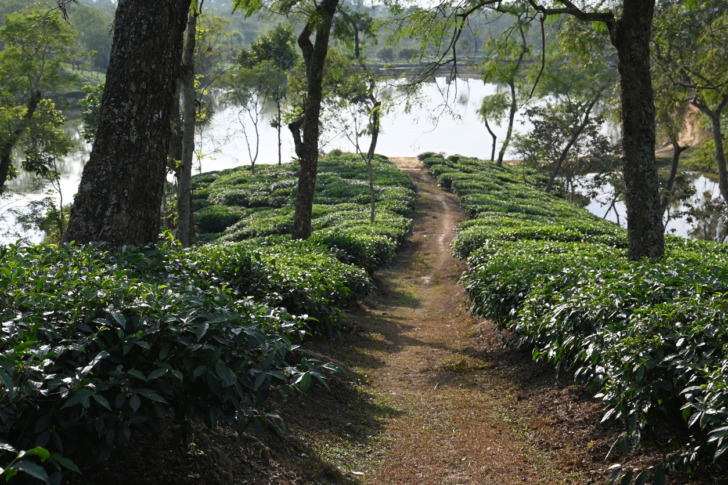
Srimangal, also commonly spelled Sreemangal, is a lush little town in northeastern Bangladesh surrounded by rolling tea estates, tropical forest, pineapple fields, lemon groves, wetlands, and villages.
Located in Moulvibazar District in the greater Sylhet region, it is often called the tea capital of Bangladesh, and the landscape can look surprisingly different from the country’s crowded cities and flat river plains.
Travelers come for endless green tea gardens, Lawachara National Park, wildlife, cycling, birdwatching, tribal communities, and the famous layered tea served at local shops.
Srimangal feels slower and calmer than Dhaka or Chattogram, and everyday street crime is relatively limited.
However, Bangladesh’s wider political situation, monsoon flooding, road safety, mosquitoes, limited medical facilities, and risks associated with remote forest travel mean visitors should still plan carefully.
Warnings & Dangers in Srimangal

OVERALL RISK: MEDIUM
Srimangal itself is relatively peaceful and generally safer-feeling than Bangladesh's largest cities. However, the country's broader security environment includes political unrest, demonstrations, terrorism concerns, and transportation disruptions. Tourists should stay informed, avoid political gatherings, use reputable accommodation, and arrange longer excursions through established guides or drivers.

TRANSPORT & TAXIS RISK: MEDIUM
Road safety is one of Srimangal's biggest practical risks. Auto-rickshaws, motorcycles, buses, bicycles, pedestrians, and trucks often share narrow roads. Driving standards may be unpredictable, and nighttime visibility is poor outside town. Use hotel-arranged vehicles or established drivers and avoid unnecessary road travel after dark.

PICKPOCKETS RISK: LOW
Pickpocketing is not a major problem in Srimangal, although opportunistic theft can occur around markets, the railway station, crowded buses, festivals, and busy tourist attractions. Keep wallets and phones secured and avoid leaving cameras or bags unattended. Visitors tend to stand out, so displaying expensive equipment unnecessarily is best avoided.

NATURAL DISASTERS RISK: MEDIUM
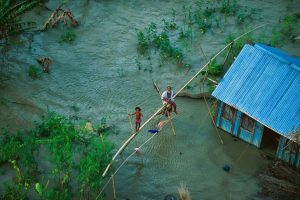
Srimangal experiences heavy rainfall and is vulnerable to seasonal flooding, thunderstorms, lightning, and occasional landslides in surrounding hilly areas. Northeastern Bangladesh can receive intense pre-monsoon and monsoon rainfall with little warning. Forest trails become muddy and slippery, while flooded roads can temporarily isolate rural attractions.

MUGGING RISK: LOW
Muggings are relatively uncommon in central Srimangal, particularly during daylight. Risk increases on quiet rural roads, isolated tea-estate tracks, forest paths, and poorly lit streets after dark. Avoid walking alone outside the center late at night, carry limited cash, and use a trusted auto-rickshaw or car when returning from restaurants or excursions.

TERRORISM RISK: MEDIUM
Bangladesh continues to face a terrorism threat, although Srimangal is not usually considered a major target. Travelers should remain aware around religious sites, transportation hubs, hotels, public events, and large gatherings. Avoid political demonstrations completely and leave any area where security forces, roadblocks, or unusually large crowds begin to appear.

SCAMS RISK: MEDIUM
Scams are generally basic rather than sophisticated. Visitors may encounter inflated auto-rickshaw fares, unofficial guides, unclear tea-estate tour prices, or people requesting unexpected fees for access or photography. Agree on prices beforehand, book excursions through established accommodation providers, and avoid handing money to anyone claiming an attraction suddenly requires a special payment.

WOMEN TRAVELERS RISK: MEDIUM
Women can visit Srimangal safely, including solo travelers, but Bangladesh is socially conservative. Staring, unwanted attention, intrusive questions, and occasional harassment are possible. Modest clothing helps reduce attention. Solo women should avoid isolated forest trails and rural roads alone, use reputable guides, and arrange trusted transportation after dark.

TAP WATER RISK: HIGH
Travelers should not drink untreated tap water in Srimangal. Use factory-sealed bottled water or properly filtered and purified water. Visitors with sensitive stomachs may also prefer bottled water for brushing their teeth. Avoid questionable ice, unwashed produce, and street drinks made with water from an uncertain source.
Safest Places to Visit in Srimangal
Central Srimangal
Central Srimangal is the easiest and safest place for first-time visitors.
Hotels, restaurants, tea shops, supermarkets, banks, pharmacies, and transportation are concentrated here, and the streets stay active throughout the day.
The area around the railway station becomes busy when trains arrive, so keep luggage and phones secured.
After dark, use an auto-rickshaw rather than walking long distances toward accommodation outside the center.
Lawachara National Park
Lawachara National Park is about 8 kilometers from Srimangal and is one of the region’s biggest attractions.
The protected semi-evergreen forest is home to primates, birds, reptiles, and an impressive variety of plants.
Visit during daylight, preferably with an experienced local guide.
Stay on established trails, carry drinking water, use insect repellent, and wear shoes with good grip.
Monsoon rain can make paths extremely slippery.
Established Tea Estates
The tea gardens surrounding Srimangal create some of Bangladesh’s most beautiful scenery.
Estates that officially welcome visitors are generally safe, particularly when visited with a guide or through an organized tour.
Remember that tea gardens are working properties rather than public parks.
Do not enter restricted sections, photograph workers without permission, or wander away from known roads.
Madhabpur Lake
Madhabpur Lake, surrounded by tea-covered hills, is a peaceful daytime excursion from Srimangal.
The scenery is excellent for photography and birdwatching, especially during cooler months.
Travel with a known driver because public transportation is less convenient.
Avoid slippery banks during heavy rain and return before dark, when rural roads become much harder to navigate.
Places to Avoid in Srimangal
Remote Tea-Estate Roads After Dark
Tea plantations look peaceful during the day but become extremely dark at night.
Roads may have no lighting, few houses, uneven surfaces, animals, and limited mobile reception.
Do not attempt long evening walks between resorts and town.
Arrange a vehicle before dinner or ask your hotel to organize an auto-rickshaw or driver.
Lawachara Forest After Closing Hours
Do not enter Lawachara National Park after normal visiting hours or wander onto unofficial forest tracks.
Besides becoming disoriented, visitors may encounter wildlife, slippery terrain, falling branches, or people using remote routes for purposes unrelated to tourism.
Stay with your guide and return while there is plenty of daylight.
Flooded Roads During Monsoon
Never attempt to cross a flooded road simply because local vehicles are doing it.
Water can hide collapsed pavement, drainage channels, debris, or strong currents.
Flooding can develop quickly across the Sylhet region during heavy rain.
If your driver considers a route unsafe, turn around rather than trying an improvised shortcut through villages or tea estates.
Political Demonstrations
Avoid demonstrations, marches, political meetings, university protests, and large groups confronting police.
Bangladesh has experienced periods in which protests have become violent, and transportation has been disrupted.
Do not photograph confrontations or remain nearby simply to see what happens.
Return to your accommodation and ask staff about safe transportation.
Remote Border Routes
Srimangal is relatively close to Bangladesh’s border with India, and some countryside excursions can approach border districts.
Tourists should not explore border fences, checkpoints, isolated tracks, or security installations without a legitimate reason.
Use established tourist routes and never photograph border guards or attempt to cross outside an official immigration point.
Safety Tips for Traveling to Srimangal
- Hire a local guide for forest walks. Lawachara may be one of Bangladesh’s best-known forests, but trails can branch quickly and become confusing. A good guide helps with navigation, wildlife spotting, local customs, and changing trail conditions. Guides are especially useful during the wetter months, when paths can become muddy, and some routes may be temporarily inaccessible.
- Prepare seriously for rain. Srimangal is one of Bangladesh’s rainiest areas, and a sunny morning does not guarantee a dry afternoon. Carry a compact waterproof jacket, protect electronics, and wear shoes that can handle mud. During intense monsoon rain, postpone forest hikes and long road trips rather than forcing an itinerary through unsafe conditions.
- Use insect repellent every day. Mosquito-borne illnesses are a concern in Bangladesh, including dengue, while other biting insects are common around forests, tea gardens, and wetlands. Apply repellent, wear long trousers in forest areas, and consider long sleeves around sunrise and sunset. Choose accommodation with screens, mosquito nets, or air conditioning where possible.
- Drink only safe water. Use sealed bottled water or properly purified water and carry enough during day trips. Be careful with ice, juices, raw salads, and cut fruit from uncertain sources. A stomach illness that would be annoying at home becomes much more difficult when you are several kilometers down a rural road.
- Avoid nighttime road travel. Roads outside Srimangal may be narrow, dark, and shared with pedestrians, animals, bicycles, motorcycles, and poorly illuminated vehicles. Plan tea-estate and forest visits so you return before sunset. If an evening journey is necessary, use an experienced local driver rather than walking or renting an unfamiliar vehicle.
- Ask before entering tea estates. Not every tea garden is open to tourists. Some are private working estates with security and employee-only areas. Arrange visits through your hotel or guide and ask before photographing workers. Respect signs, gates, and local instructions rather than treating every green hill as an unrestricted hiking trail.
- Dress modestly outside resorts. Bangladesh is conservative, particularly away from large international hotels. Lightweight trousers, longer skirts, and shirts covering the shoulders are practical and culturally appropriate. Women may receive less unwanted attention when dressing modestly, while men should also avoid walking around town shirtless or wearing beach-style clothing.
- Keep valuables discreet. Do not constantly carry an expensive camera or phone in your hand while walking through markets or transportation areas. Keep passports and extra money locked at your accommodation. Carry only the cash you expect to use that day and split backup cards and money between secure locations.
- Avoid monkeys and other wildlife. Wild animals should never be fed, touched, or approached for photographs. Monkeys can bite or scratch when food is involved, while snakes and other wildlife may be difficult to see along forest trails. Wear closed shoes, follow your guide, and seek medical treatment promptly after any animal bite or scratch.
- Monitor local conditions before traveling onward. Political unrest, strikes, flooding, or transportation disruptions can affect trains and roads with little notice. Ask your hotel about conditions before leaving for Dhaka, Sylhet, or other destinations. Leave extra time before flights or important connections instead of assuming transportation will run exactly as scheduled.
So... How Safe Is Srimangal Really?
Srimangal is one of the calmer destinations in Bangladesh, and the town itself generally feels safer and less stressful than Dhaka or Chattogram.
Serious tourist-targeted violence is uncommon, crowded urban crime is less intense, and local tourism revolves around tea estates, nature, family travel, and small guesthouses rather than nightlife.
However, the wider national situation matters.
International travel guidance for Bangladesh remains elevated in 2026 because of civil unrest, demonstrations, terrorism concerns, and the possibility of transport disruption.
These problems do not mean that Srimangal is experiencing constant instability, but travelers should not ignore events elsewhere in the country.
Weather is the more immediate local concern.
Northeastern Bangladesh is vulnerable to seasonal flooding, particularly around the pre-monsoon and monsoon periods.
Heavy rain can affect roads, railways, forest trails, and rural communities with little warning.
Lawachara and surrounding tea estates become much harder to explore during severe weather.
Health and transportation are also important.
Untreated water should be avoided, mosquitoes require protection, and road accidents are a more realistic threat than violent crime.
I assess that Srimangal has a low local crime risk but a medium overall travel risk.
Stay informed, use reliable drivers, avoid demonstrations, plan forest excursions properly, and respect monsoon conditions.
With those precautions, Srimangal can be one of Bangladesh’s most peaceful and rewarding destinations.
How Does Srimangal Compare?
| City | Safety Index |
|---|---|
| Srimangal |
68 |
| Sylhet |
64 |
| Chattogram |
61 |
| Khulna |
66 |
| Cox’s Bazar |
55 |
| Rajshahi |
68 |
| Dhaka |
32 |
 Atakor Atakor | 52 |
 Quincy Quincy | 84 |
 Bangkok Bangkok | 65 |
 Pogradec Pogradec | 81 |
| Ogallala | 80 |
 Bologna Bologna | 56 |
Useful Information

Visas
Bangladesh's visa requirements depend on nationality. Eligible travelers may receive a visa on arrival for up to 30 days. The standard visa-on-arrival fee is generally US$50 plus applicable processing charges, and travelers may need proof of onward travel, accommodation, and access to at least US$500 in funds. Confirm eligibility before departure.

Currency
Srimangal uses the Bangladeshi taka. Cash is especially useful for auto-rickshaws, markets, guides, smaller restaurants, tea shops, and rural attractions. Larger hotels may accept cards, but payment systems should not be relied upon everywhere. Withdraw money from established bank ATMs and carry smaller notes for everyday transactions.

Weather
Srimangal has a warm, humid climate with very heavy seasonal rainfall. November through February is generally the most comfortable period for sightseeing, with cooler temperatures and less rain. The monsoon peaks during summer. Pack breathable clothing, rain protection, insect repellent, sturdy walking shoes, sunscreen, and a light layer for cooler winter mornings.

Airports
The nearest major airport is Osmani International Airport in Sylhet, roughly 90 kilometers from Srimangal. The road journey commonly takes around two to three hours, depending on traffic and conditions. Many travelers also reach Srimangal by train from Dhaka or Sylhet, which can be slower but avoids some road traffic.

Travel Insurance
Travel insurance is strongly recommended for Srimangal. Look for coverage that includes medical treatment, emergency evacuation, flooding, missed transportation, lost luggage, theft, and political disruption. Travelers planning hiking, wildlife excursions, or extensive rural travel should confirm those activities are covered and keep policy information available offline.
Srimangal Weather Averages (Temperatures)
Average High/Low Temperature
| Temperature / Month | Jan | Feb | Mar | Apr | May | Jun | Jul | Aug | Sep | Oct | Nov | Dec |
|---|---|---|---|---|---|---|---|---|---|---|---|---|
| High °C |
25 | 29 | 33 | 34 | 33 | 32 | 32 | 31 | 31 | 31 | 29 | 26 |
| Low °C |
11 | 15 | 19 | 23 | 24 | 26 | 26 | 25 | 25 | 22 | 18 | 15 |
| High °F |
77 | 84 | 91 | 93 | 91 | 90 | 90 | 88 | 88 | 88 | 84 | 79 |
| Low °F |
52 | 59 | 66 | 73 | 75 | 79 | 79 | 77 | 77 | 72 | 64 | 59 |
Bangladesh - Safety by City
| City | Safety Index |
|---|---|
| Chattogram | 61 |
| Cox’s Bazar | 55 |
| Dhaka | 32 |
| Khulna | 66 |
| Rajshahi | 68 |
| Srimangal | 68 |
| Sylhet | 64 |