 Bangladesh : Safety by City
Bangladesh - safety as a country
Khulna is Bangladesh’s third-largest city and the main urban gateway to the country’s southwestern region.
Sitting near the Rupsha and Bhairab rivers, it is surrounded by waterways, farmland, shrimp-producing areas, industrial communities, and some of Bangladesh’s most important natural and historical attractions.
Most travelers arrive because Khulna provides access to the Sundarbans, the enormous mangrove forest shared by Bangladesh and India and home to Bengal tigers, crocodiles, deer, monkeys, and countless birds.
The historic mosque city of Bagerhat is another major draw.
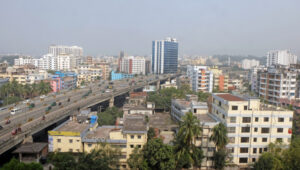
Khulna itself is busy rather than conventionally beautiful, with markets, universities, restaurants, river activity, and distinctly Bangladeshi urban energy.
Travel is possible, but visitors need to prepare for chaotic traffic, flooding, cyclones, political unrest, petty crime, unsafe water, mosquitoes, and limited emergency infrastructure.
Warnings & Dangers in Khulna

OVERALL RISK: MEDIUM
Khulna has a medium overall risk for travelers. Serious incidents involving foreign visitors are not routine, but Bangladesh’s wider security situation includes political unrest, crime, terrorism concerns, and kidnapping risks. Traffic, flooding, food and water illness, mosquito-borne disease, and poorly planned Sundarbans trips are more likely to affect an ordinary visitor.

TRANSPORT & TAXIS RISK: HIGH
Traffic is one of Khulna’s biggest safety problems. Roads are shared by buses, cars, motorcycles, bicycles, rickshaws, auto-rickshaws, pedestrians, and trucks, often with limited separation. Driving standards can be unpredictable. Use hotel-arranged cars or reputable ride services, avoid overcrowded vehicles, and limit long-distance road travel after dark.

PICKPOCKETS RISK: MEDIUM
Pickpocketing and opportunistic theft can occur in markets, bus terminals, railway areas, crowded streets, ferry points, and shopping districts. Keep phones and wallets concealed, wear bags across the body, and avoid displaying expensive cameras or jewelry. Foreign visitors can stand out, so keeping a low profile is useful.

NATURAL DISASTERS RISK: HIGH
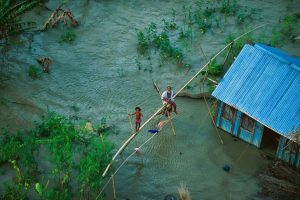
Khulna is vulnerable to cyclones, storm surge, extreme rainfall, flooding, heat, lightning, and the effects of rising coastal water levels. The surrounding southwestern region can be severely affected during major storms. Travelers visiting during monsoon or cyclone season should monitor conditions carefully and never ignore evacuation or transportation warnings.

MUGGING RISK: MEDIUM
Mugging and robbery are possible, especially after dark, around transport areas, quiet riverfront sections, or poorly lit streets. Avoid walking alone late at night or carrying large amounts of cash. Use reliable transportation after evening meals and keep expensive electronics out of sight when moving through unfamiliar neighborhoods.

TERRORISM RISK: MEDIUM
Bangladesh continues to face a terrorism threat, although attacks are not a normal part of daily life in Khulna. Religious sites, public gatherings, police facilities, transportation hubs, and crowded locations may represent potential targets. Avoid suspicious activity, political events, and unnecessary time around government or security installations.

SCAMS RISK: MEDIUM
Travelers may encounter taxi overcharging, unofficial guides, inflated boat-trip prices, misleading Sundarbans tours, currency exchange tricks, and people offering unnecessary assistance at transport terminals. Confirm prices before paying, use established operators, and be particularly careful with anyone promising unusually cheap access to the Sundarbans.

WOMEN TRAVELERS RISK: MEDIUM
Women can visit Khulna, but conservative social customs and possible harassment require additional awareness. Modest clothing is recommended, especially away from international hotels. Solo women should use trusted transportation after dark, avoid isolated streets, and consider traveling with established guides for excursions outside the city.

TAP WATER RISK: HIGH
Visitors should not drink untreated tap water in Khulna. Use factory-sealed bottled water or properly filtered and purified water. Avoid questionable ice, uncooked food washed in untreated water, and drinks from uncertain sources. Stomach illness can become more serious in hot weather because dehydration develops quickly.
Safest Places to Visit in Khulna
Central Khulna
The busier central parts of Khulna are generally the easiest areas for visitors.
Hotels, restaurants, banks, shops, and transportation services provide more activity and easier access to assistance than residential outskirts.
Explore during daylight and early evening, keep valuables discreet, and be particularly cautious when crossing streets.
In Khulna, traffic is usually a more immediate concern than violent crime.
Khulna Divisional Museum
The Khulna Divisional Museum is a straightforward cultural attraction for visitors interested in archaeology, regional history, coins, sculptures, and artifacts from southwestern Bangladesh.
The organized indoor environment also makes it a useful stop during heavy rain or extreme heat.
Visit during normal opening hours and arrange transportation rather than walking long distances through unfamiliar parts of the city.
Rupsha River and Bridge Area
The Rupsha River is central to Khulna’s identity, and the Khan Jahan Ali Bridge provides broad views across the water and surrounding landscape.
Busier viewing areas can be visited safely during daylight.
Stay away from traffic lanes, industrial waterfront activity, and unprotected river edges.
Avoid isolated sections after sunset, especially if you are carrying a camera.
Bagerhat
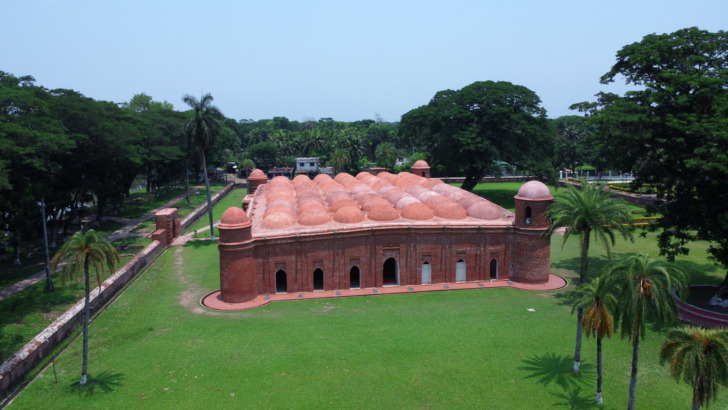
Bagerhat is one of the most rewarding excursions from Khulna and is famous for its UNESCO-listed historic mosque city.
The Sixty Dome Mosque is the best-known landmark, but several other medieval Islamic structures are scattered around the area.
Visit with a reliable driver or organized tour, dress respectfully, and complete sightseeing during daylight.
The Sundarbans With an Established Operator
The Sundarbans are the region’s greatest attraction, but they should only be explored through reputable, properly organized trips.
Established tours provide boats, guides, sleeping arrangements, permits, food, and local knowledge.
Never attempt to explore mangrove waterways independently.
Crocodiles, tides, wildlife, storms, navigation problems, and remoteness make local expertise essential.
Places to Avoid in Khulna
Political Demonstrations
Avoid every political rally, protest, strike gathering, or roadblock.
Even peaceful events can become confrontational or involve police action, property damage, or transportation disruption.
If you notice crowds gathering, chanting, police deployments, fires, or blocked roads, leave immediately.
Do not stop to take photographs or videos.
Quiet Riverfront Areas After Dark
Khulna’s rivers and ghats are interesting during daylight but can become poorly lit and isolated at night.
Avoid walking alone near quiet docks, warehouses, ferry points, or industrial riverbanks after businesses close.
There are also practical dangers from slippery surfaces, unprotected water edges, boats, ropes, and cargo activity.
Industrial Zones
Khulna has significant industrial activity, including shipyards and manufacturing areas.
These neighborhoods offer little tourist value and may contain heavy trucks, restricted facilities, poor pedestrian infrastructure, and limited lighting.
Stay out of working industrial compounds and avoid photographing sensitive infrastructure without permission.
Flooded Streets
Never walk or drive casually through deep floodwater.
Roads may contain uncovered drains, damaged pavement, electrical hazards, sewage, or fast-moving water hidden beneath the surface.
During heavy rain, stay at your accommodation until conditions improve rather than continue sightseeing.
Remote Sundarbans Access Points Without a Guide
Do not accept informal offers from random boat owners promising cheaper or faster access to the Sundarbans.
Remote river communities have limited emergency services, and waterways become confusing very quickly.
Use recognized entry points, licensed guides, and established tour arrangements.
Safety Tips for Traveling to Khulna
- Arrange reliable transportation. Traffic is probably the most consistent danger visitors will encounter. Ask your hotel to arrange cars or use reputable transportation services rather than accepting rides from strangers. Always use seatbelts when available and avoid vehicles that appear badly maintained or dangerously overloaded.
- Choose your Sundarbans operator carefully. The Sundarbans are not an ordinary sightseeing park. You are entering an enormous tidal mangrove ecosystem with crocodiles, wildlife, changing waterways, and limited emergency access. Choose an established operator that arranges permits, experienced guides, suitable boats, life jackets, food, drinking water, and overnight accommodation where necessary.
- Avoid all political gatherings. Bangladesh has experienced significant political unrest, and demonstrations can disrupt roads or become violent. Do not attempt to walk through rallies or roadblocks simply because your hotel is nearby. Turn around, stay indoors when necessary, and follow local instructions.
- Drink only safe water. Use sealed bottled water or a reliable purification system. Check bottle caps before drinking and be cautious with ice, fruit juice, street drinks, and uncooked food. Carry oral rehydration salts because diarrhea combined with Khulna’s heat can cause dehydration surprisingly quickly.
- Protect yourself from mosquitoes. Mosquito-borne illnesses, including dengue, are an important health concern in Bangladesh. Use effective repellent, wear lightweight long sleeves and trousers when mosquitoes are active, and choose accommodation with screens or air conditioning. Seek medical care promptly if you develop a significant fever during or after the trip.
- Cross roads as if nobody has seen you. Do not assume vehicles will stop at pedestrian crossings. Watch cars, buses, motorcycles, bicycles, and rickshaws from every direction. Cross with local pedestrian traffic when practical and put your phone away completely before stepping into the road.
- Keep electronics discreet. Avoid walking around with an expensive smartphone permanently in your hand. Take photographs, check directions, then put the device away. Carry cameras in an ordinary-looking bag and avoid wearing expensive jewelry or watches. The less wealthy you appear, the less attractive you are to opportunistic thieves.
- Prepare for cyclones and flooding. If visiting during the wetter part of the year, monitor forecasts every day. Keep your passport, medication, cash, phone, power bank, and essential supplies together. Follow evacuation instructions immediately during cyclone warnings and stay away from rivers and coastal areas during severe storms.
- Dress modestly and respect local customs. Bangladesh is socially conservative. Lightweight clothing covering shoulders and knees is appropriate for most travelers and also protects from mosquitoes and sun. Women may feel more comfortable in loose trousers or longer skirts. Remove shoes when required at mosques and ask before photographing people.
- Avoid wandering after midnight. Khulna is not a city where late-night exploration adds much to the travel experience. Streets become quieter, reliable transportation becomes harder to find, and robbery risk increases. Finish sightseeing during daylight, enjoy dinner, and use arranged transportation back to your accommodation afterward.
So... How Safe Is Khulna Really?
Khulna is manageable for experienced travelers, but I would not describe it as a low-risk destination.
The city itself is not defined by violent crime, and visitors who stay in established accommodation, use reliable transport, and explore during the day may encounter few security problems.
Bangladesh’s broader situation raises the risk.
Political unrest, crime, kidnapping concerns, and terrorism threats remain relevant nationwide.
Large gatherings should be avoided completely, and travelers should pay attention to local developments rather than assuming yesterday’s conditions will automatically continue tomorrow.
The more common dangers are less dramatic.
Road accidents, unsafe water, foodborne illness, mosquitoes, flooding, and heat are much more likely to interfere with a typical trip.
Khulna’s location in southwestern Bangladesh also exposes it to significant cyclone risk, particularly for those moving toward coastal communities or the Sundarbans.
The Sundarbans deserve special respect.
They are extraordinary, but they are remote wilderness rather than a casual city attraction.
Boat safety, drinking water, weather, tides, wildlife, communication, and medical evacuation all become more complicated there.
Overall, I rate Khulna as medium risk.
It is worth visiting for travelers interested in the Sundarbans, Bagerhat, and southwestern Bangladesh, but it rewards preparation.
Use trusted transport, avoid demonstrations, drink safe water, prepare for weather, and never improvise a wilderness excursion.
How Does Khulna Compare?
| City | Safety Index |
|---|---|
| Khulna |
66 |
| Rajshahi |
68 |
| Cox’s Bazar |
55 |
| Sylhet |
64 |
| Chattogram |
61 |
| Srimangal |
68 |
| Dhaka |
32 |
 Corolla Corolla | 81 |
| Vail | 86 |
 Kuching Kuching | 81 |
 Xinjiang Xinjiang | 80 |
| Princeville | 88 |
 Mombasa Mombasa | 60 |
Useful Information

Visas
Bangladesh visa requirements depend on nationality. Eligible travelers may receive a visa on arrival for tourism, generally for a single-entry stay of up to 30 days. The standard visa-on-arrival fee is US$50 and should be carried in acceptable foreign currency cash. Other travelers must arrange a visa before departure.

Currency
Khulna uses the Bangladeshi taka. Cash remains important for taxis, markets, restaurants, local transportation, and rural excursions. Cards are accepted at larger hotels and some established businesses. Use ATMs attached to reputable banks and exchange foreign currency through authorized banks or exchange offices.

Weather
Khulna has a hot, humid tropical climate. Summers are extremely warm, while the monsoon brings heavy rain and flooding. Cyclones are another seasonal threat across southwestern Bangladesh. Pack breathable clothes, rain protection, sunscreen, mosquito repellent, sturdy shoes, and modest lightweight clothing suitable for humid weather.

Airports
The nearest airport with regular passenger services is Jashore Airport, roughly 60 to 70 kilometers from Khulna. The road transfer generally takes around one and a half to two hours depending on traffic. Many international travelers arrive through Dhaka and continue by domestic flight, train, bus, or private vehicle.

Travel Insurance
The nearest airport with regular passenger services is Jashore Airport, roughly 60 to 70 kilometers from Khulna. The road transfer generally takes around one and a half to two hours, depending on traffic. Many international travelers arrive through Dhaka and continue by domestic flight, train, bus, or private vehicle.
Khulna Weather Averages (Temperatures)
Average High/Low Temperature
| Temperature / Month | Jan | Feb | Mar | Apr | May | Jun | Jul | Aug | Sep | Oct | Nov | Dec |
|---|---|---|---|---|---|---|---|---|---|---|---|---|
| High °C |
27 | 29 | 33 | 36 | 35 | 32 | 31 | 31 | 32 | 32 | 29 | 27 |
| Low °C |
15 | 18 | 22 | 26 | 26 | 27 | 26 | 26 | 26 | 23 | 19 | 15 |
| High °F |
81 | 84 | 91 | 97 | 95 | 90 | 88 | 88 | 90 | 90 | 84 | 81 |
| Low °F |
59 | 64 | 72 | 79 | 79 | 81 | 79 | 79 | 79 | 73 | 66 | 59 |
Bangladesh - Safety by City
| City | Safety Index |
|---|---|
| Chattogram | 61 |
| Cox’s Bazar | 55 |
| Dhaka | 32 |
| Khulna | 66 |
| Rajshahi | 68 |
| Srimangal | 68 |
| Sylhet | 64 |