


 Bangladesh : Safety by City
Bangladesh - safety as a country
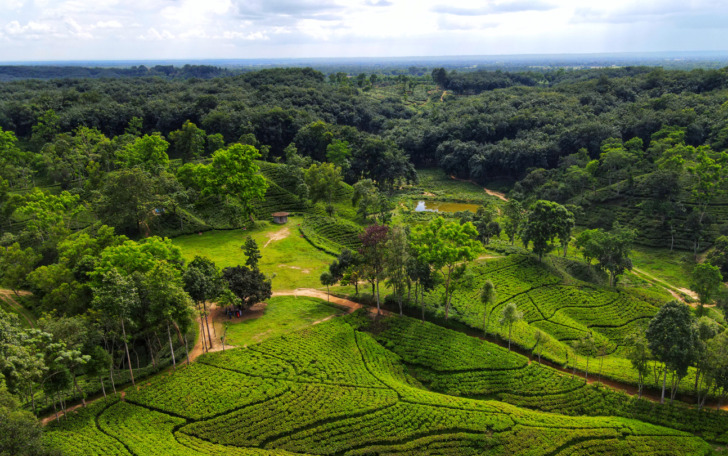
Sylhet is one of Bangladesh’s greenest and most distinctive cities, sitting in the country’s northeast near the Indian state of Meghalaya.
Surrounded by tea estates, wetlands, rivers, low hills, and tropical vegetation, it feels noticeably different from the dense urban landscapes of Dhaka and Chattogram.
The wider Sylhet region is famous for its tea industry, Sufi heritage, enormous haor wetlands, and natural attractions such as Ratargul Swamp Forest and Jaflong.
It also receives extraordinary amounts of rain, with roughly 4,000 millimeters or more possible in an average year.
Sylhet can be rewarding for travelers who want to experience a less familiar side of Bangladesh, but current national security concerns, political unrest, flooding, road safety, and health risks mean visitors should prepare carefully.
Warnings & Dangers in Sylhet

OVERALL RISK: MEDIUM
Sylhet itself is generally calmer than Dhaka, but Bangladesh currently requires increased caution because of political unrest, crime, terrorism concerns, and limited emergency services. Demonstrations can become violent without much warning. Travelers should avoid political gatherings, use trusted transportation, stay in established accommodation, and monitor local conditions before making regional trips.

TRANSPORT & TAXIS RISK: MEDIUM
Traffic accidents are one of the most realistic dangers in Sylhet. Roads can be congested, chaotic, poorly lit, or flooded during heavy rain. Buses and CNG autorickshaws may not meet the safety standards foreign travelers expect. A private car with an experienced driver is usually the safest transportation option, especially outside the city.

PICKPOCKETS RISK: MEDIUM
Pickpocketing and phone theft can occur in markets, transport terminals, crowded shopping areas, and around major religious sites. Foreign visitors may attract attention, particularly when carrying cameras or checking maps. Keep phones away when not needed, carry bags securely, and avoid storing wallets in exposed pockets.

NATURAL DISASTERS RISK: HIGH
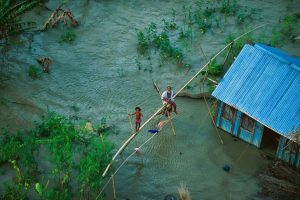
Flooding is a major concern in Sylhet. Heavy pre-monsoon and monsoon rainfall can rapidly inundate roads, villages, wetlands, and low-lying neighborhoods. The region is also located in a high earthquake-risk zone. Landslides, lightning, thunderstorms, and transport disruption are additional concerns during the wetter months.

MUGGING RISK: MEDIUM
Robbery can occur in Bangladeshi cities, including Sylhet, although tourists are not routinely targeted. Risk increases after dark, around transport terminals, ATMs, quiet streets, and isolated areas. Avoid displaying expensive watches, jewelry, cameras, or large amounts of cash. Do not resist if confronted by an armed robber.

TERRORISM RISK: MEDIUM
Terrorist activity remains a concern across Bangladesh. Potential targets can include religious sites, public transportation, hotels, restaurants, markets, public buildings, and political gatherings. Sylhet is not normally viewed as the country’s highest-risk city, but visitors should remain alert in crowded locations and avoid unnecessary gatherings or locations with unusual security activity.

SCAMS RISK: MEDIUM
Common problems include inflated taxi prices, airport touts, unofficial guides, poor currency-exchange deals, and requests for unnecessary fees. Agree on transportation prices before departure and avoid strangers offering unsolicited help with luggage or tickets. Book hotels, guides, and longer excursions through established providers.

WOMEN TRAVELERS RISK: MEDIUM
Women can travel in Sylhet, but harassment and unwanted attention are possible, particularly for women traveling alone. Dress modestly, avoid isolated areas, use trusted transportation after dark, and remain cautious when interacting with strangers. Women should also avoid traveling alone on buses, trains, or informal transport late at night.

TAP WATER RISK: HIGH
Travelers should not drink untreated tap water in Sylhet. Use sealed bottled water or properly boiled and filtered water for drinking. Visitors with sensitive stomachs should also use safe water for brushing their teeth. Avoid ice from uncertain sources and be careful with raw salads, unpeeled fruit, and street food washed in local water.
Safest Places to Visit in Sylhet
Hazrat Shah Jalal Shrine
The shrine of Hazrat Shah Jalal is one of Sylhet’s most significant religious landmarks and attracts large numbers of pilgrims.
It is generally comfortable to visit during daylight, but crowds require extra attention to phones and wallets.
Dress modestly, follow religious customs, and ask permission before photographing worshippers.
Sylhet Tea Gardens
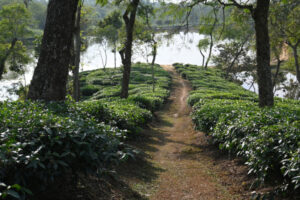
The tea estates surrounding Sylhet provide some of the region’s most memorable scenery.
Established estates and organized tea-garden visits are usually safe during daylight.
Do not enter private plantation areas without permission, and use a local driver who knows which roads remain passable during the rainy season.
Ratargul Swamp Forest
Ratargul is a freshwater swamp forest north of Sylhet and one of the area’s best nature excursions.
Boat trips through the flooded forest can be fascinating, but use an established boat operator, wear a life jacket, and avoid visiting during dangerous flooding or thunderstorms.
Lalakhal
Lalakhal is known for its river scenery, tea-covered hills, and views toward the Indian border region.
Organized daytime visits are normally peaceful.
Use a reliable driver or tour operator, stay away from restricted border infrastructure, and avoid boating if heavy rain or strong currents are present.
Central Sylhet During Daylight
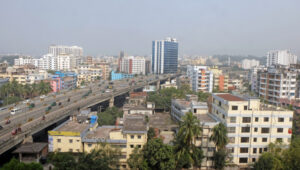
The main commercial districts, established hotels, restaurants, and central shopping areas are generally manageable during daylight.
Visitors should still watch belongings, use trusted transport, and avoid becoming caught in demonstrations or unusually crowded political gatherings.
Places to Avoid in Sylhet
Political Demonstrations and Rallies
Avoid demonstrations even when they appear peaceful.
Bangladesh held national elections in February 2026, and political gatherings can still produce clashes, vandalism, roadblocks, or confrontations with security forces.
If a crowd begins forming, leave the area instead of stopping to watch or photograph it.
Low-Lying Areas During Flooding
Sylhet is one of Bangladesh’s most flood-prone regions.
Avoid riverbanks, flooded roads, haor areas, and low-lying villages during heavy rainfall.
Water can rise rapidly and conceal damaged roads, open drains, electrical hazards, and strong currents.
Sylhet Railway and Bus Areas Late at Night
Transport hubs are practical during busy hours but become less comfortable late at night.
Travelers carrying luggage may attract thieves, touts, or unofficial drivers.
Arrange transportation before arrival and avoid waiting outside stations alone with visible bags or electronics.
India Border Zones
Attractions such as Jaflong and Lalakhal bring travelers relatively close to the Bangladesh-India border.
Stay within recognized visitor areas and do not approach border fences, military posts, or unofficial crossing points.
Illegal crossings can result in serious consequences and border incidents occasionally occur.
Isolated Streets After Dark
Sylhet does not have one clearly defined tourist no-go neighborhood, but poorly lit residential and commercial streets should be avoided late at night.
Use a private driver or trusted ride rather than walking unfamiliar routes, especially when carrying a phone, camera, or cash.
Flooded Rural Roads
Never assume a submerged road is safe because local vehicles are crossing it.
Floodwater can hide washed-out pavement, holes, damaged bridges, or strong currents.
During the monsoon, confirm road conditions before leaving for Ratargul, Jaflong, tea estates, or rural accommodation.
Safety Tips for Traveling to Sylhet
- Avoid all political gatherings. Political demonstrations in Bangladesh can change character quickly. A peaceful rally may turn into clashes, roadblocks, vandalism, or confrontation with police. Do not stop to watch or take photographs. If you notice crowds gathering, move in the opposite direction and return to your hotel using a different route.
- Use a private car and trusted driver when possible. Driving conditions are one of Sylhet’s biggest risks. Experienced local drivers understand traffic patterns, flooded roads, rural routes, and safe stopping points. Ask your hotel or tour operator to arrange transportation rather than relying on random drivers outside airports or stations.
- Never travel through floodwater. Sylhet receives some of Bangladesh’s heaviest rainfall. Flooded streets can hide open drains, damaged pavement, electrical hazards, or fast currents. If a road is underwater, turn around. During heavy rain, allow extra days in your itinerary in case excursions or transportation are canceled.
- Protect yourself from mosquitoes. Mosquito-borne illnesses occur in Bangladesh. Use insect repellent, wear long sleeves and trousers around dawn and dusk, and choose accommodation with screens or air conditioning. Ask a travel-health professional whether additional preventive measures are appropriate for your itinerary.
- Drink only safe water. Choose sealed bottled, boiled, or properly filtered water. Check bottle caps before drinking. Avoid ice when you cannot confirm its source and be cautious with uncooked vegetables. Stomach illness is one of the easiest ways to turn a good trip into several miserable days.
- Keep your phone discreet. Do not walk beside busy roads staring at an expensive phone. Motorcycle or rickshaw-based thieves can take devices quickly in Bangladeshi cities. Step inside a shop or hotel lobby when you need to check directions, and keep your phone securely stored between uses.
- Dress modestly. Sylhet is culturally conservative and strongly influenced by Islam. Men and women should avoid overly revealing clothing, while women may feel more comfortable with shoulders and legs covered. At mosques and Sufi shrines, follow local instructions and remove shoes when required.
- Plan rural trips around daylight. Start excursions to Jaflong, Ratargul, Lalakhal, tea estates, and haor areas early. Rural roads become much harder to navigate after dark, particularly during rain. Complete the return journey before sunset whenever possible and carry additional water, cash, and a charged phone.
- Be careful at ATMs and money exchanges. Use ATMs inside banks, shopping centers, or established hotels during daylight. Shield your PIN and decline help from strangers. Carry only the cash needed for the day and keep backup money and cards separately. Use licensed currency exchange businesses rather than street dealers.
- Prepare for limited emergency assistance. Emergency response may be slower and less advanced than visitors from Europe, North America, or Australia expect. Carry basic medication, oral rehydration salts, travel insurance information, and copies of important documents. For serious illness or injury, transfer to Dhaka or evacuation abroad may be necessary.
So... How Safe Is Sylhet Really?
Sylhet is not one of Bangladesh’s most dangerous destinations, and the normal experience of walking through central areas, visiting tea estates, eating at restaurants, and exploring religious landmarks can feel surprisingly relaxed.
However, the national security situation means it would be misleading to rate the city as completely low risk in 2026.
Bangladesh remains affected by political tension following the major unrest of 2024 and the national election held on February 12, 2026.
Protests continue to occur, and even demonstrations planned as peaceful gatherings can become violent.
Crime has also increased in some parts of the country since the upheaval of 2024.
Sylhet adds an environmental challenge that many other Bangladeshi cities do not face to the same degree.
It is one of the wettest major regions in the country, with annual rainfall often exceeding 4,000 millimeters.
Severe flooding affected northeastern Bangladesh again in 2026, and tens of thousands of hectares of farmland were submerged during heavy pre-monsoon rains.
The region is also located in a high earthquake-risk zone, adding another low-frequency but potentially serious hazard.
My overall rating is medium risk.
Sylhet can be visited safely by prepared travelers who avoid political gatherings, use private transportation, monitor flooding, protect against mosquitoes, and avoid nighttime wandering.
The city itself is manageable, but conditions can change quickly.
How Does Sylhet Compare?
| City | Safety Index |
|---|---|
| Sylhet |
64 |
| Cox’s Bazar |
55 |
| Srimangal |
68 |
| Chattogram |
61 |
| Khulna |
66 |
| Dhaka |
32 |
| Rajshahi |
68 |
 Ankeny Ankeny | 83 |
| Reading | 58 |
| Rye | 76 |
| East Point | 54 |
| Sevierville | 73 |
| Bolingbrook | 92 |
Useful Information

Visas
Bangladesh visa requirements depend on nationality. Many travelers need to arrange a tourist visa before departure, while citizens of certain countries may qualify for a visa on arrival for stays of up to 30 days. The visa-on-arrival fee is typically around US$51. Carry accommodation details, onward travel confirmation, and sufficient funds.

Currency
Sylhet uses the Bangladeshi taka. Cash remains important for taxis, markets, smaller restaurants, and rural businesses, although larger hotels and shops may accept cards. Use ATMs inside established banks or shopping centers. Carry smaller notes and avoid exchanging money with informal dealers offering unusually favorable rates.

Weather
Sylhet has a hot, humid monsoon climate. The heaviest rain generally falls from May through September, with June often exceptionally wet. Temperatures frequently reach around 30°C or higher in the warmer months. November through February is drier and more comfortable. Pack breathable clothing, waterproof shoes, insect repellent, and reliable rain protection.

Airports
Osmani International Airport is the main airport serving Sylhet and handles domestic and international flights. It is located only a short drive from the city center. Theft, luggage touts, harassment, and taxi overcharging can occur around the airport, so keep documents secure and arrange your transportation before arrival whenever possible.

Travel Insurance
Comprehensive travel insurance is strongly recommended for Sylhet. Coverage should include medical treatment, evacuation, flooding, trip cancellation, theft, political disruption, and missed transportation connections. Check whether travel during civil unrest or government warnings affects coverage, and confirm that evacuation to Dhaka or another country is included.
Sylhet Weather Averages (Temperatures)
Average High/Low Temperature
| Temperature / Month | Jan | Feb | Mar | Apr | May | Jun | Jul | Aug | Sep | Oct | Nov | Dec |
|---|---|---|---|---|---|---|---|---|---|---|---|---|
| High °C |
24 | 27 | 31 | 31 | 32 | 31 | 31 | 33 | 32 | 31 | 29 | 26 |
| Low °C |
12 | 14 | 18 | 21 | 23 | 25 | 25 | 26 | 25 | 23 | 18 | 14 |
| High °F |
75 | 81 | 88 | 88 | 90 | 88 | 88 | 91 | 90 | 88 | 84 | 79 |
| Low °F |
54 | 57 | 64 | 70 | 73 | 77 | 77 | 79 | 77 | 73 | 64 | 57 |
Bangladesh - Safety by City
| City | Safety Index |
|---|---|
| Chattogram | 61 |
| Cox’s Bazar | 55 |
| Dhaka | 32 |
| Khulna | 66 |
| Rajshahi | 68 |
| Srimangal | 68 |
| Sylhet | 64 |












Yeah, nothing like trying to enjoy tea estates while constantly wondering if you’re about to be soaked by a monsoon the size of a small ocean.