


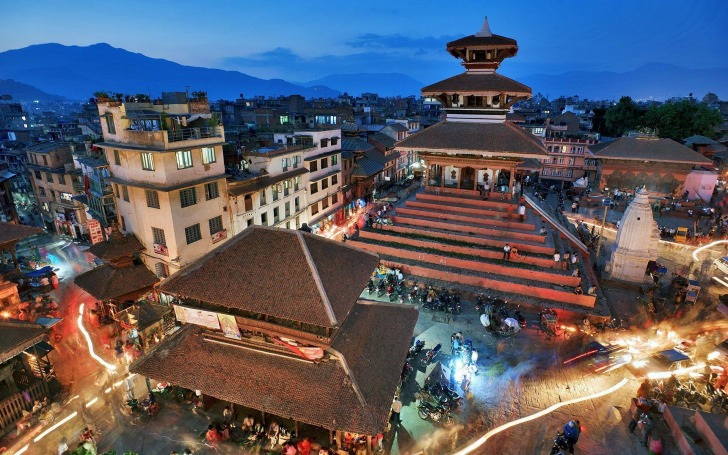
Kathmandu sits in a bowl-shaped valley at about 4,600 feet above sea level, surrounded by Himalayan foothills and crowned by snow peaks on clear days.
As the capital of Nepal, it is a sensory overload in the best way possible.
Ancient temples share space with trekking shops, incense floats through medieval alleyways, and motorbikes weave past centuries old stupas.
This is the gateway to Everest, home to UNESCO listed Durbar Squares, and a city where Hindu and Buddhist traditions intertwine in everyday life.
But alongside the magic comes a fair question: how safe is Kathmandu for travelers?
After spending time navigating its streets, speaking with locals, and reviewing current safety data, here is my honest, practical breakdown.
Warnings & Dangers in Kathmandu

OVERALL RISK: MEDIUM
Kathmandu is generally safe for tourists, especially compared to many global capitals. Violent crime against visitors is relatively rare. However, infrastructure challenges, petty theft, traffic chaos, air pollution, and earthquake risk push it into the medium category. With basic precautions and situational awareness, most travelers experience a smooth and memorable trip.

TRANSPORT & TAXIS RISK: MEDIUM
Traffic in Kathmandu can feel lawless. Congestion, limited traffic enforcement, and unpredictable driving patterns increase accident risk. Taxis are widely available, but meters are often ignored and overcharging can happen. Ride apps exist but are not always consistent. Road safety, especially as a pedestrian, is one of the city’s biggest daily hazards.

PICKPOCKETS RISK: MEDIUM
Pickpocketing occurs in busy tourist hubs like Thamel and around major temples and bus stations. It is not rampant, but distracted travelers can become easy targets. Crowded festivals and markets increase the risk. Secure bags, zipped pockets, and minimal display of valuables significantly reduce the chance of becoming a victim.

NATURAL DISASTERS RISK: HIGH
Nepal sits in a seismically active zone. The devastating 2015 earthquake is still fresh in memory and remains the most significant natural threat. Monsoon season can also bring flooding and landslides, particularly outside the city. While earthquakes are unpredictable, travelers should be aware of evacuation procedures and building safety.

MUGGING RISK: MEDIUM
Street robberies are not common in central tourist areas, especially during the day. However, isolated streets at night, particularly outside well lit neighborhoods, increase vulnerability. Most incidents are opportunistic rather than violent. Staying in busy areas and avoiding solo late night wandering lowers the risk considerably.

TERRORISM RISK: LOW
Nepal has experienced political unrest in the past, but terrorism targeting tourists is rare. Occasional strikes or protests called bandas can disrupt transportation and services. These events are typically politically motivated and not aimed at visitors, but they can cause inconvenience and temporary closures.

SCAMS RISK: MEDIUM
Scams are one of the most common traveler complaints. These include inflated taxi fares, fake trekking permits, commission driven tour sales, and overcharging in souvenir shops. The risks are manageable with research and booking through reputable operators. Always verify trekking permits and guide credentials.

WOMEN TRAVELERS RISK: MEDIUM
Kathmandu is more relaxed than many South Asian cities, and many women travel here solo without issue. However, harassment can occur, particularly at night or in less crowded areas. Conservative dress and awareness of surroundings are recommended. Female travelers often report feeling comfortable in tourist zones like Thamel and Boudha.

TAP WATER RISK: HIGH
Tap water in Kathmandu is not safe to drink. Contamination risks are significant, and even locals typically boil or filter water. Travelers should use bottled water from reputable brands or bring a high quality purification system. Avoid ice in small establishments unless you are certain it uses purified water.
Safest Places to Visit in Kathmandu
Thamel: The Tourist Hub With Built In Safety Nets
Thamel is chaotic, colorful, and unapologetically touristy, which actually works in your favor from a safety standpoint.
The area is packed with hotels, guesthouses, restaurants, trekking shops, banks, and currency exchange counters.
There is constant foot traffic from early morning until late evening, and that visibility reduces the risk of serious crime.
While petty theft can happen, especially in crowded bars or markets, the presence of other travelers, shopkeepers, and security guards creates a kind of informal safety network.
If you are visiting Kathmandu for the first time, staying in Thamel gives you easy access to transport, food options, and help if something goes wrong.
Boudhanath: Calm, Spiritual, and Community Focused
The neighborhood surrounding Boudhanath Stupa feels noticeably calmer than central Kathmandu.
The wide circular plaza around the stupa is well lit, open, and heavily frequented by monks, families, and tourists walking the kora, or ritual circuit.
Guesthouses here tend to be quieter and more relaxed.
The area has a strong sense of community, and the presence of monasteries adds to the peaceful atmosphere.
For solo travelers, especially women, Boudha often feels more comfortable at night compared to busier commercial zones.
Patan: Cultural Depth With Lower Chaos
Just across the river in Lalitpur, Patan offers a more organized and less congested environment.
Patan Durbar Square is well maintained, and the surrounding streets are filled with artisans, small museums, and boutique hotels.
Traffic is lighter than in central Kathmandu, and the atmosphere feels more residential.
You still get incredible architecture and history, but with fewer aggressive vendors and less noise.
For travelers who value both safety and cultural immersion, Patan strikes an excellent balance.
Swayambhunath: Safe During Daylight Hours
Swayambhunath, known as the Monkey Temple, sits on a hill overlooking the valley.
During the day, it is busy with visitors and locals, and the stairways are generally safe.
The panoramic views are worth the climb.
Visit in the morning or early afternoon.
After sunset, the surrounding paths can become isolated, so plan your return before dark.
Places to Avoid in Kathmandu
Ratna Park and the Old Bus Park: Crowded and Opportunistic
Ratna Park and the nearby old bus park are chaotic transit zones.
The dense crowds, informal vendors, and limited organization create ideal conditions for pickpocketing.
This does not mean you should never pass through, but do not linger unnecessarily.
Keep your phone out of sight, your bag zipped, and your attention sharp.
Travelers unfamiliar with the layout may feel overwhelmed.
Bagmati Riverbanks at Night: Poor Lighting and Isolation
Certain stretches along the Bagmati River, especially away from major temples, are poorly lit and quiet after dark.
During the day, these areas can be culturally interesting.
At night, however, they lack foot traffic and visible security.
If you are exploring riverfront sites, go during daylight hours and return to busier neighborhoods before evening.
Outer Ring Road and Industrial Edges: Little Reason to Wander
The outer districts near the Ring Road and industrial zones offer little for tourists and can feel disconnected from the more vibrant parts of the city.
Lighting is inconsistent, sidewalks are uneven, and traffic is heavy.
These areas are not notorious for violent crime, but they increase your exposure to road accidents and isolation risks.
Unless you have a specific reason to be there, stick to central and well known neighborhoods.
Political Gatherings and Strike Zones
Nepal occasionally experiences political demonstrations or transportation strikes.
These usually occur near government buildings or central squares.
While tourists are not typically targeted, protests can escalate or cause sudden road closures.
If you hear about a banda or rally, adjust your plans for the day.
Avoid large crowds and monitor local news or ask your hotel staff for updates.
Narrow, Unlit Alleys Late at Night
Kathmandu’s medieval alleyways are charming during the day but can become confusing and dark at night.
Power cuts, uneven paving, and minimal lighting create both safety and navigation challenges.
If you are out in the evening, stick to main roads with open shops and restaurants.
Use a trusted taxi rather than walking long distances after midnight.
Safety Tips for Traveling to Kathmandu
- Carry a crossbody anti theft bag. Busy streets and markets create opportunities for petty theft. A crossbody bag with secure zippers makes it significantly harder for pickpockets to access your belongings unnoticed.
- Agree on taxi fares before entering. Most taxi drivers do not use meters for tourists. Negotiate clearly before the ride begins. Having small bills in Nepali rupees helps avoid disputes.
- Drink only treated or bottled water. Even brushing your teeth with tap water can cause stomach issues. Stick to sealed bottles or use a reliable water purification system.
- Register trekking plans properly. If heading beyond Kathmandu for trekking, register your trip and obtain the required TIMS card and park permits. Inform someone of your itinerary.
- Monitor air quality. Air pollution can be high, especially during dry months. Consider wearing a mask in heavy traffic areas if you are sensitive to pollution.
- Be earthquake aware. Know your hotel’s evacuation plan. Choose accommodations that follow modern construction standards where possible.
- Avoid isolated streets at night. Kathmandu’s lighting is inconsistent. Stick to busy, well known areas after dark and avoid shortcuts through unfamiliar alleys.
- Use reputable tour agencies. Book treks and tours through well reviewed, licensed agencies. Avoid deals that seem unusually cheap.
- Keep digital and paper copies of documents
Store passport and visa copies separately. In case of theft or loss, this speeds up embassy assistance. - Dress respectfully. Modest clothing is appreciated, especially at temples and monasteries. It reduces unwanted attention and shows cultural awareness.
So... How Safe Is Kathmandu Really?
Kathmandu is not a polished, highly regulated city.
Infrastructure challenges, road safety issues, and earthquake risk are real considerations.
However, violent crime against tourists is statistically low compared to many global capitals.
Most reported incidents involve petty theft, minor scams, or transportation disputes rather than serious harm.
Nepal’s economy depends heavily on tourism, and locals are generally welcoming and protective of visitors.
The 2015 earthquake highlighted structural vulnerabilities, but rebuilding efforts have improved resilience in many areas.
Political instability has decreased compared to earlier decades, and large scale unrest is now uncommon.
In practical terms, Kathmandu requires alertness rather than fear.
Travelers who use common sense, secure their belongings, and respect local customs typically find the city safe and deeply rewarding.
Overall, I would classify Kathmandu as moderately safe, with most risks manageable through preparation and awareness.
How Does Kathmandu Compare?
| City | Safety Index |
|---|---|
 Kathmandu Kathmandu |
60 |
| Pokhara |
76 |
 Eau Claire Eau Claire | 77 |
| Honolulu | 65 |
 Puebla Puebla | 75 |
 Perugia Perugia | 60 |
| Pennsylvania | 59 |
| Memphis | 54 |
Useful Information

Visas
Most nationalities can obtain a visa on arrival at Tribhuvan International Airport. Fees are typically 30 USD for 15 days, 50 USD for 30 days, and 125 USD for 90 days. Bring passport photos and cash in USD if possible. You can also apply online before arrival.

Currency
Nepal uses the Nepali rupee. ATMs are widely available in tourist areas. Exchange money at authorized counters rather than on the street. US dollars are accepted in some trekking contexts but not for daily purchases.

Weather
Kathmandu has mild winters and warm summers. Spring and autumn offer the best weather, with clear skies and comfortable temperatures. Pack layers, especially if trekking. During monsoon season from June to September, bring waterproof gear.

Airports
Tribhuvan International Airport is the main gateway to Kathmandu. It is about 6 kilometers from Thamel. Taxis are the primary transport option to the city center and usually take 20 to 30 minutes depending on traffic.

Travel Insurance
Comprehensive travel insurance is strongly recommended, especially if trekking. Medical evacuation from mountainous regions can be extremely expensive. Ensure your policy covers high altitude trekking if you plan to explore beyond the valley.
Kathmandu Weather Averages (Temperatures)
Average High/Low Temperature
| Temperature / Month | Jan | Feb | Mar | Apr | May | Jun | Jul | Aug | Sep | Oct | Nov | Dec |
|---|---|---|---|---|---|---|---|---|---|---|---|---|
| High °C |
19 | 20 | 24 | 27 | 28 | 28 | 28 | 28 | 27 | 25 | 23 | 20 |
| Low °C |
3 | 4 | 7 | 11 | 15 | 19 | 21 | 20 | 18 | 13 | 8 | 4 |
| High °F |
66 | 68 | 75 | 81 | 82 | 82 | 82 | 82 | 81 | 77 | 73 | 68 |
| Low °F |
37 | 39 | 45 | 52 | 59 | 66 | 70 | 68 | 64 | 55 | 46 | 39 |
Nepal - Safety by City
| City | Safety Index |
|---|---|
| Kathmandu | 60 |
| Pokhara | 76 |












A no-go for me
I didn’t have much of a clue that Kathmandu was so polluted. It’s so strange to think this since it’s the capital of Nepal and you’d think that Nepal wasn’t this polluted. I don’t know about their cities but this one is a no-go for me from now on. Pollution and plenty of potential natural disasters make this a not so friendly place unfortunately.
Is it just me or does the incense-and-exhaust mix here make Kathmandu feel strangely cozy, I was a bit breathless at 4,600 feet but kept wandering those alleys grinning?
I remember feeling a bit overwhelmed by the chaotic mix of scents and sounds while walking past those ancient temples, but it somehow felt alive and real in a way no other city has for me.