


 Israel : Safety by City
Israel - safety as a country
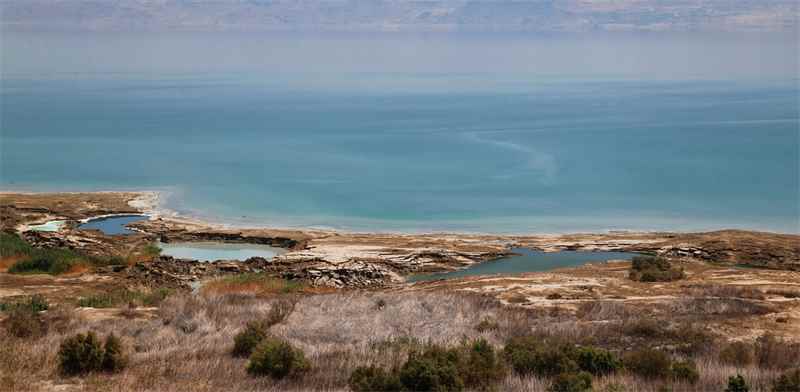
The Dead Sea is one of those places that feels almost unreal the first time you see it.
Sitting more than 400 meters below sea level and shared by Jordan, Israel, and the West Bank, it is famous for its mineral-rich water, dramatic desert scenery, and the odd but unforgettable experience of floating effortlessly on the surface.
It is not a traditional beach destination, though.
This is a harsh, beautiful landscape where luxury resorts, rocky shorelines, salt formations, and desert roads all meet in one striking setting.
From a traveler’s point of view, the Dead Sea can be both relaxing and demanding.
It is easy to spend a peaceful day at a resort spa, but it is just as easy to underestimate the heat, the salt, the remoteness, and the region’s changing security climate.
That mix is exactly what makes the Dead Sea worth understanding before you go.
Warnings & Dangers in Dead Sea

OVERALL RISK: MEDIUM
The Dead Sea is not a chaotic tourist spot, and the main resort areas are generally orderly and well managed. Still, this is a destination with some real complications. Regional security concerns, extreme heat, sudden flash floods, isolated roads, and unsafe informal shoreline access push the overall risk above low. Travelers who stay in established tourist zones usually do much better.

TRANSPORT & TAXIS RISK: MEDIUM
Transport risk is moderate because the Dead Sea is spread out and many attractions are reached by highway or private transfer. Roads are usually straightforward, but the area is remote, and closures can happen during bad weather or security incidents. Taxis booked through hotels or reputable apps are safer than random roadside arrangements, especially if you arrive late.

PICKPOCKETS RISK: LOW
Pickpocketing is not the main concern at the Dead Sea the way it can be in big city transit hubs. Most visitors spend their time in resorts, organized beach clubs, spas, or day-trip sites. That said, you should still watch your phone, wallet, and passport in hotel lobbies, public changing areas, and busy tour buses where distracted travelers are easiest to target.

NATURAL DISASTERS RISK: MEDIUM
Natural hazards are very real here. The biggest issues are extreme heat, dehydration, sun exposure, and flash flooding in nearby desert areas and wadis. Even when the Dead Sea shoreline looks calm, heavy rain elsewhere can create dangerous conditions on roads and in canyons. Sinkholes and unstable ground also affect some shoreline sections, especially away from official tourist zones.

MUGGING RISK: LOW
Violent street crime is not the defining threat in the main Dead Sea resort districts. Most tourist visits are peaceful, especially in controlled hotel areas with security presence and limited public foot traffic. The risk rises if you drive into isolated places after dark, stop at unofficial roadside areas, or wander into deserted shoreline stretches where help may be far away if something goes wrong.

TERRORISM RISK: HIGH
This is the category that most clearly raises the Dead Sea’s overall safety score. The destination sits in a sensitive region where the security environment can change quickly. Even if resort zones feel calm, regional tensions, cross-border instability, and sudden travel advisories can affect plans with little warning. Travelers need to monitor conditions closely and avoid assuming that a quiet morning guarantees a quiet week.

SCAMS RISK: LOW
Classic tourist scams are less intense here than in major capitals, but they do exist. Overpriced private transfers, inflated souvenir pricing, unofficial guides, and misleading claims about mud products are the most common annoyances. Book transport and treatments through reputable hotels or established providers, and be skeptical of anyone trying to rush you into paying cash for something vaguely described.

WOMEN TRAVELERS RISK: MEDIUM
Women can absolutely enjoy the Dead Sea, especially at resorts and on organized trips, but extra awareness is smart. Solo female travelers usually have the easiest experience when using licensed transport, dressing with local norms in mind outside pool areas, and avoiding remote stretches alone. Most visits go smoothly, but the isolated nature of the region means good planning matters more than spontaneity.

TAP WATER RISK: MEDIUM
Tap water quality varies depending on exactly where you stay, and many visitors prefer bottled or filtered water. Even where the water is treated, the climate makes hydration especially important, and stomach issues can ruin a short trip fast. Use bottled water if you have a sensitive stomach, and never swallow Dead Sea water, which is extremely salty and dangerous if ingested.
Safest Places to Visit in Dead Sea
Sweimeh And The Jordan Resort Strip
On the Jordanian side, Sweimeh and the main resort corridor are among the safest and easiest places for tourists to base themselves.
This is where you will find large hotels, private beaches, spas, reliable transfers, and staff used to international visitors.
It is a good choice for families, first-time visitors, and anyone who wants a controlled environment with fewer logistical headaches.
Ein Bokek And Neve Zohar
On the Israeli side, Ein Bokek and nearby Neve Zohar are the best-known resort areas.
These zones are designed for tourism and wellness travel, so they tend to offer the most predictable experience in terms of access, facilities, and services.
Travelers who want marked swimming areas, hotel security, and easier resort-style planning usually feel most comfortable here.
Masada In Daylight
Masada is one of the region’s most memorable historic sites and is generally safest when visited as a daytime stop on a planned route.
The area is organized for tourism, and combining it with a resort stay works well.
Bring water, sun protection, and proper shoes, because the real danger here is environmental rather than criminal.
Official Beach Clubs And Managed Spa Areas
The safest way to experience the Dead Sea itself is through official beaches, hotel waterfronts, and managed spa complexes.
These places offer showers, shaded areas, lifeguard presence or staff support, and controlled entry points into the water.
That matters because the shoreline can be rocky, slippery, and painful on bare feet, especially for first-time visitors.
Places to Avoid in Dead Sea
Unofficial Shoreline Access Points
One of the biggest mistakes travelers make is trying to save money by using random pull-offs or unmarked shoreline entries.
Some areas have unstable ground, sharp salt deposits, poor access, or no nearby help if you fall or injure yourself.
The Dead Sea is not the kind of place where improvising your own beach stop is always a smart idea.
Sinkhole-Prone Areas And Closed Sections
Parts of the broader Dead Sea region have experienced sinkholes and shoreline instability.
If an area is fenced, closed, or clearly marked off, take it seriously.
The landscape changes over time, and ground that looks solid can be unsafe.
I would not treat this as a place for adventurous wandering just because the desert looks open and empty.
Desert Wadis During Rainy Periods
Nearby canyons and low-lying desert routes can become dangerous fast during rain events, even if the weather seems fine where you are standing.
Flash floods are one of the most underestimated hazards in the region.
Avoid hiking or driving into wadis if rain is forecast anywhere nearby, and do not count on experience from other desert destinations to protect you here.
Border-Sensitive And Isolated Night Areas
Because the Dead Sea lies in a politically sensitive region, travelers should avoid drifting toward restricted border zones, military areas, or remote roadside stops after dark.
Night driving in unfamiliar areas is not ideal unless you are staying on main routes with a clear destination.
If your hotel suggests avoiding a route or area, listen.
Safety Tips for Traveling to Dead Sea
- Use Official Beaches And Resort Access Points. The Dead Sea is famous for floating, but that does not mean every shoreline is safe. Official access points are worth paying for because they usually provide safer entry, cleaner facilities, and staff who can help if the salt gets in your eyes or you slip on the rocks.
- Do Not Shave Right Before Swimming. This sounds minor until you learn it the hard way. Freshly shaved skin plus Dead Sea water is a brutal combination. Tiny cuts you cannot even see will sting intensely. Save yourself the misery and avoid shaving on the same day you plan to get in the water.
- Never Put Your Face In The Water. The salt concentration is extreme. If the water gets in your eyes, nose, or mouth, it can cause immediate pain and panic. Float on your back, keep your hands away from your face, and move calmly. This is one body of water where playful splashing is a terrible idea.
- Wear Water Shoes Or Sandals With Grip. The shoreline can be rough, slippery, rocky, and covered with sharp salt formations. Going barefoot may sound natural, but it is one of the quickest ways to ruin your visit. Good footwear makes getting in and out of the water much safer and far less painful.
- Treat Heat As A Serious Risk. The Dead Sea can feel deceptively manageable because many people visit for wellness and relaxation. But this is still a very hot desert environment. Carry more water than you think you need, limit midday exposure, and do not ignore signs of dehydration such as headache, dizziness, or unusual fatigue.
- Avoid Wadis And Remote Trails During Rain Forecasts. Flash floods are not just a theoretical risk here. Rain in nearby high ground can send dangerous water through dry-looking channels with little warning. If there is any weather concern at all, skip canyon hikes and desert detours. It is better to lose a half day than gamble with a flood zone.
- Follow Regional Security Updates Closely. The Dead Sea sits in a part of the world where conditions can shift quickly. Even if your specific hotel area feels quiet, broader events may affect roads, border crossings, or flights. Check official guidance before travel and again during your stay, especially if you are crossing between jurisdictions.
- Arrange Transport Before You Need It. This is not a place where I would rely on luck late at night. Pre-book airport transfers, ask your hotel about return transport, and confirm pickup details in advance. The more remote your hotel or beach club, the more important this becomes.
- Protect Your Skin And Eyes. Besides the obvious sunscreen issue, Dead Sea minerals can irritate sensitive skin, especially if you stay in too long. Keep your soak short, rinse off immediately after, and avoid entering the water if you have open cuts, a rash, or sunburn. The “more is better” approach does not work here.
- Stay In Well-Known Tourist Zones If You Are New To The Area. First-time visitors should resist the urge to overcomplicate the trip. Established resort areas exist for a reason. They give you safer swimming access, easier transport, more predictable food and water options, and a much better margin for error in a region that can be less forgiving than it looks.
So... How Safe Is Dead Sea Really?
The Dead Sea is one of those destinations where the answer depends heavily on how you travel.
If you stay in recognized resort areas, use official beach access, pre-arrange transport, and keep an eye on the regional security situation, the trip can be very manageable.
Many travelers come specifically for wellness tourism, short luxury stays, and famous sites like Masada, and they leave with no safety issues at all.
What stops me from calling it low-risk is the combination of factors that exist beyond the hotel gates.
The region’s political sensitivity can affect travel plans quickly.
The environment itself can also be harsher than people expect.
Extreme heat, dehydration, unstable shoreline areas, flash floods, and salt-related injuries are not rare “what if” problems.
They are part of the destination.
So my honest take is this: the Dead Sea can be safe for prepared travelers, but it is not carefree.
It rewards caution.
It punishes complacency.
If you go with good planning, realistic expectations, and a strong respect for both the landscape and the region’s changing security picture, you can absolutely enjoy it.
If you treat it like an ordinary beach stop, you are far more likely to run into trouble.
How Does Dead Sea Compare?
| City | Safety Index |
|---|---|
| Dead Sea |
65 |
| Haifa |
67 |
| Golan Heights |
55 |
| Tel Aviv |
60 |
| Acre |
46 |
| Eilat |
47 |
| Jerusalem |
55 |
 Shkoder Shkoder | 77 |
 Chesterfield Chesterfield | 78 |
 Trongsa Trongsa | 90 |
| Beckley | 65 |
| North Port | 87 |
 Rumonge Rumonge | 54 |
Useful Information

Visas
Visa rules depend on which side of the Dead Sea you visit. On the Jordanian side, many travelers can get a visa on arrival or arrange one in advance, while entry on the Israeli side depends on nationality and current rules. Check requirements before booking because border procedures and regional conditions can change quickly.

Currency
The Jordanian side uses the Jordanian dinar, while the Israeli side uses the Israeli shekel. If you are crossing between sides, do not assume one currency will be convenient everywhere. Exchange money through airports, banks, or official counters, and keep some small cash for taxis, tips, and roadside purchases.

Weather
The Dead Sea is hot for much of the year and can be brutally hot in summer. Lightweight clothing, a hat, sunglasses, and strong sun protection are essential. Even in cooler months, daytime sun can be intense. I would also pack sandals for the beach and one light layer for indoor air conditioning.

Airports
The main airport for the Jordanian side is Queen Alia International Airport near Amman, usually around an hour by road from the resort strip. For the Israeli side, Ben Gurion Airport near Tel Aviv is the main international gateway, followed by a longer road transfer. Pre-booking transport makes arrival much easier.

Travel Insurance
Travel insurance is a smart idea for any Dead Sea trip, and I would consider it essential here. The destination combines regional uncertainty with real environmental risks such as heat illness, trip interruption, and transport disruption. Choose a policy that includes medical coverage, emergency assistance, and protection for delays or sudden itinerary changes.
Dead Sea Weather Averages (Temperatures)
Average High/Low Temperature
| Temperature / Month | Jan | Feb | Mar | Apr | May | Jun | Jul | Aug | Sep | Oct | Nov | Dec |
|---|---|---|---|---|---|---|---|---|---|---|---|---|
| High °C |
20 | 21 | 25 | 30 | 34 | 37 | 39 | 39 | 36 | 33 | 27 | 21 |
| Low °C |
11 | 12 | 15 | 19 | 23 | 26 | 28 | 29 | 26 | 23 | 18 | 13 |
| High °F |
68 | 70 | 77 | 86 | 93 | 99 | 102 | 102 | 97 | 91 | 81 | 70 |
| Low °F |
52 | 54 | 59 | 66 | 73 | 79 | 82 | 84 | 79 | 73 | 64 | 55 |
Israel - Safety by City
| City | Safety Index |
|---|---|
| Acre | 46 |
| Dead Sea | 65 |
| Eilat | 47 |
| Golan Heights | 55 |
| Haifa | 67 |
| Jerusalem | 55 |
| Nazareth | 58 |
| Tel Aviv | 60 |












A fun day
Really enjoyed our trip to the Israeli side of the Dead Sea. Loads of guards and good changing fascilities helped relax us. An area has been laid out with buoys for safe lifeguard supervised swimming. A very pleasant day out.
How safe did you feel in Israel
There’s something surreal about floating in the Dead Sea and just letting your worries drift away while soaking in those mineral-rich waters.
I never thought floating in water could feel so surreal until I bobbed around in the Dead Sea, and honestly, the way the mineral-rich water made my skin feel afterwards was just amazing.
After floating in that salty water and just soaking in the unique vibe of the place, I can totally see why everyone raves about it; there’s something really special about being at the lowest point on earth while surrounded by such beautiful scenery.
Wasn’t expecting to float like a cork in that salty sea, but somehow sunbathing while covered in mud feels like the ultimate spa hack!
Where do you go to escape the brutal noon sun and the crunchy salt that caked onto my sandals after a short walk from the car?
Falling asleep covered in that salty mud after floating there felt oddly calming despite the blistering sun beating down all day.
Falling backwards into that salty water and actually floating without trying felt like some kind of magic trick, but man, the sun hits hard way faster than you expect.
Falling asleep floating there was surreal but definitely underestimated how harsh the sun gets, so bring extra shade if you go.