


 Israel : Safety by City
Israel - safety as a country
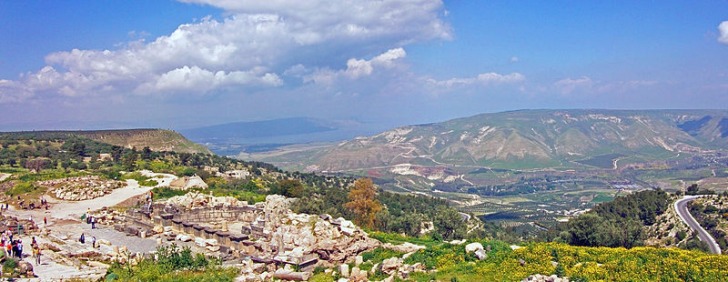
The Golan Heights is one of those places that feels both dramatic and complicated the moment you look at a map.
Sitting in the far northeast of Israel, near the borders with Syria and Lebanon, it is known for volcanic landscapes, sweeping viewpoints, waterfalls, vineyards, old fortresses, and nature reserves that can feel worlds away from the bigger cities.
On a purely scenic level, it is easy to see the appeal.
On a practical travel level, though, this is not a normal destination guide.
The Golan Heights lies in a region shaped by military tensions, changing border conditions, and periodic security alerts.
That means the answer to “is it safe?” depends less on crime and more on geopolitics, proximity to restricted areas, and how current the security situation is on the day you travel.
Right now, that distinction matters a lot.
Warnings & Dangers in Golan Heights

OVERALL RISK: HIGH
For ordinary street crime, the Golan Heights is not especially intimidating. The real issue is that it sits in a volatile border region during a period of heightened conflict affecting Israel more broadly. Official guidance has warned travelers about areas close to the Syrian border. That alone pushes the overall risk into the high category.

TRANSPORT & TAXIS RISK: MEDIUM
Road travel inside settled, and tourism-oriented parts of the Golan can be straightforward if conditions are calm, especially by rental car. The problem is that border-adjacent roads, sudden restrictions, air raid warnings, and wider national travel disruptions can change plans quickly. Transport risk is less about unsafe drivers and more about instability, delays, and route sensitivity.

PICKPOCKETS RISK: LOW
Pickpocketing is not what makes the Golan Heights risky. It is not a classic dense urban tourist zone where bag-snatching and metro theft dominate the travel conversation. In visitor areas, normal caution is still smart, but petty theft is generally not the headline concern here. The far bigger issue is regional security, not street-level opportunistic crime.

NATURAL DISASTERS RISK: LOW
The Golan Heights has weather and terrain hazards, especially in winter when trails can get slippery and higher elevations turn cold, but catastrophic natural disaster risk is not the main travel concern. Seasonal rain, stronger stream conditions, and exposure on hikes matter more than major natural disasters. Practical outdoor caution usually covers the main environmental risks.

MUGGING RISK: LOW
Violent street robbery is not the defining danger for travelers in the Golan Heights. Visitors are much more likely to encounter inconvenience from closures, checkpoints, or security alerts than mugging. That said, isolated viewpoints, trails, and parking areas always call for basic common sense, especially after dark or when traveling alone.

TERRORISM RISK: HIGH
This is the category that changes the whole equation. The Golan Heights is close to the Syrian frontier, and broader conflict conditions in Israel and the region have increased concern about missiles, drones, and armed escalation. Official travel advisories regularly point to terrorism, armed conflict, and unpredictable security conditions. For this destination, terrorism risk cannot be treated as a minor footnote.

SCAMS RISK: LOW
Tourist scams are not the first thing travelers worry about in the Golan Heights. You are less likely to deal with fake taxi theatrics or aggressive overcharging than in larger urban tourism hubs. Still, use standard safeguards with tour bookings, winery visits, drivers, and cash payments, especially if plans are changing quickly due to security conditions.

WOMEN TRAVELERS RISK: MEDIUM
Women travelers can often visit nature sites and tourism areas in relative comfort during daylight, especially in organized settings or by car. The risk moves up because of remoteness, limited public transport in some areas, and the wider security picture, not because the region has a strong reputation for gender-targeted street crime. Solo travelers should avoid isolated areas late in the day.

TAP WATER RISK: LOW
Tap water in Israel is generally considered safe to drink, and that applies to most normal travel situations in the Golan Heights. The caveat is that local boil-water notices can occasionally happen in specific communities, so travelers should pay attention to local instructions rather than assume every faucet is identical every day.
Safest Places to Visit in Golan Heights
Banias Nature Reserve
Banias is one of the best choices for travelers who want a structured outdoor site rather than an improvised border adventure.
The reserve is well known, managed, and clearly set up for visitors, which matters in a region where wandering off casually is a bad idea.
You get dramatic scenery, water, archaeological remains, and a defined tourism experience that feels safer than exploring remote back roads.
Gamla Nature Reserve
Gamla is another strong option for travelers who want scenery and history in a formal park setting.
It is appealing because it combines big views, marked visitor areas, and a more controlled environment than random roadside stops.
For cautious travelers, places like this make the most sense because they reduce the guesswork.
Nimrod Fortress
Nimrod Fortress works well for visitors who prefer a major attraction with infrastructure, opening hours, and a recognized tourism pattern.
In an area where security context matters, that kind of predictability is valuable.
It gives you a memorable site without the feeling that you are drifting into a sensitive zone by accident.
Established Visitor Areas Near Katzrin
Settled tourism-oriented pockets, especially where accommodations, wineries, restaurants, and visitor services are clustered, tend to feel more manageable than sparsely populated edges of the plateau.
The safest strategy is not chasing the most dramatic frontier view.
It is sticking to recognized attractions, developed hospitality areas, and day travel with a clear route.
Places to Avoid in Golan Heights
Border-Adjacent Areas Near Syria
This is the most important warning.
Any area close to the Syrian border deserves extra caution, and some border-adjacent zones are simply not appropriate for casual travelers.
Travel guidance has specifically warned against getting too close to the Syrian border because of continued military presence and activity.
In plain English, that is not sightseeing territory.
Unmarked Open Land and Off-Trail Terrain
The Golan Heights has a military history, and travelers should never assume an empty field is harmless just because it looks pretty.
Sticking to marked trails, official sites, and public roads is essential.
This is not a region where freestyle hiking or dirt-road curiosity should be rewarded.
Remote open areas can carry real risk even when they appear peaceful.
Isolated Roads During Security Escalations
A road that is fine on a quiet week may feel very different during an active regional flare-up.
Avoid unnecessary drives in exposed or lightly populated areas if alerts are active, especially after dark.
Even if crime is low, being far from services during a missile warning, closure, or sudden military incident is a bad position to be in.
Any Area You Are Unsure About
In the Golan Heights, uncertainty itself is a red flag.
If you cannot clearly confirm that a place is open, civilian, marked, and routinely used by visitors, skip it.
This is one of those destinations where conservative decision-making is part of staying safe, not overreacting.
Safety Tips for Traveling to Golan Heights
- Check the security situation right before you go. This is not a destination where last month’s advice is good enough. Conditions can change quickly, so look at current official alerts before departure and again during the trip.
- Avoid border-hugging itineraries. The closer you get to the Syrian frontier, the less this feels like normal tourism. Build your day around established attractions, not dramatic map-pin bragging rights.
- Use marked parks and official visitor sites. Banias, Gamla, and Nimrod Fortress make more sense than random overlooks or isolated tracks. Formal sites give you structure, signage, staff, and a better chance of receiving timely instructions.
- Rent a car only if you are comfortable with route discipline. A car can be useful because public transport is limited in some areas, but you need to stay on known roads and avoid impulsive detours. In the Golan, “let’s see where this road goes” is not a charming travel strategy.
- Do not wander off marked trails. This is one of the clearest rules. Scenic land can also be sensitive land. Follow signs, barriers, and park instructions exactly.
- Travel in daylight whenever possible. Day travel gives you better visibility, better orientation, and more flexibility if something changes. Night driving or late isolated stops add unnecessary stress in a region where conditions can shift fast.
- Keep your phone charged and alerts enabled. You want to receive warnings, route changes, and transport updates in real time. A dead battery is annoying anywhere, but here it can become a genuine safety problem.
- Have a backup exit plan. If flights are disrupted or roads are restricted, you need options. The wider regional conflict has already affected air traffic and travel logistics, so avoid tight schedules.
- Dress for changing conditions. Even when Israel is warm elsewhere, the Golan can be cooler, windier, and wetter, especially outside summer. Good shoes, layers, and water matter more than stylish packing.
- Be honest about your risk tolerance. Some travelers hear “beautiful border region” and picture adventure. Others hear “missiles, military activity, and official warnings” and book somewhere else. Both reactions are rational. Pick based on your comfort level, not your itinerary ego.
So... How Safe Is Golan Heights Really?
If I strip away the postcard language and answer plainly, the Golan Heights is not a good choice for risk-averse travelers right now.
That is not because it is full of pickpockets, chaotic city crime, or tourist traps.
In fact, many of the classic travel annoyances rank lower here than in far more famous destinations.
The issue is bigger than ordinary tourism risk. It is the region itself.
The Golan Heights sits next to Syria, within a broader security environment that many governments describe as volatile and unpredictable.
Warnings for travel near the Syrian border, ongoing armed tensions, and the possibility of missiles or military escalation all raise the risk profile.
Flight disruptions can add another layer of uncertainty, which means even getting in and out of the country can become complicated.
So is it safe? In limited, controlled, tourism-oriented parts of the Golan, it can feel calm on the ground.
But calm does not equal low risk in a border region with active security concerns.
My honest take is this: the Golan Heights can be rewarding for very informed travelers who monitor conditions closely, stick to official sites, and accept uncertainty.
For everyone else, this is a destination to approach cautiously or postpone.
How Does Golan Heights Compare?
| City | Safety Index |
|---|---|
| Golan Heights |
55 |
| Eilat |
47 |
| Jerusalem |
55 |
| Acre |
46 |
| Haifa |
67 |
| Nazareth |
58 |
| Dead Sea |
65 |
 Szczecin Szczecin | 83 |
 Guthrie Guthrie | 84 |
 Tunis Tunis | 55 |
| Windsor Locks | 86 |
| Louisville | 65 |
 Kandahar Kandahar | 35 |
Useful Information

Visas
Many travelers from visa-exempt countries now need an electronic travel authorization before arriving in Israel. Tourist entry is generally for short stays, often up to 90 days, but passport validity and nationality rules matter. Apply in advance rather than assuming you can sort it out at the airport.

Currency
The currency used is the Israeli new shekel, usually written as ILS or ₪. Card payments are common, but having some cash is useful in smaller tourism spots or rural stops. Exchange money through standard banks, exchange desks, or ATMs rather than informal sellers.

Weather
The Golan Heights usually has a rainy winter season and a dry summer season, but elevation makes it cooler than many other parts of Israel. Winters can be chilly and wet, and higher areas may even see snow. Pack layers, a light waterproof jacket, and sturdy shoes, especially for reserve visits.

Airports
Most international travelers arrive through Ben Gurion Airport near Tel Aviv and continue north by car or a train-and-bus combination. Under normal conditions, it is the main gateway, but security conditions can cause major flight restrictions and disruptions, so airport planning needs extra caution.

Travel Insurance
Travel insurance is especially important for a trip like this. Do not settle for bare-bones coverage. You want a policy that clearly handles medical emergencies, cancellations, delays, and conflict-related disruption to the extent the policy allows. Read the exclusions carefully, because standard policies can be picky about high-risk destinations.
Golan Heights Weather Averages (Temperatures)
Average High/Low Temperature
| Temperature / Month | Jan | Feb | Mar | Apr | May | Jun | Jul | Aug | Sep | Oct | Nov | Dec |
|---|---|---|---|---|---|---|---|---|---|---|---|---|
| High °C |
10 | 13 | 16 | 21 | 26 | 28 | 31 | 31 | 29 | 25 | 19 | 12 |
| Low °C |
5 | 6 | 8 | 11 | 16 | 17 | 20 | 20 | 19 | 16 | 12 | 7 |
| High °F |
50 | 55 | 61 | 70 | 79 | 82 | 88 | 88 | 84 | 77 | 66 | 54 |
| Low °F |
41 | 43 | 46 | 52 | 61 | 63 | 68 | 68 | 66 | 61 | 54 | 45 |
Israel - Safety by City
| City | Safety Index |
|---|---|
| Acre | 46 |
| Dead Sea | 65 |
| Eilat | 47 |
| Golan Heights | 55 |
| Haifa | 67 |
| Jerusalem | 55 |
| Nazareth | 58 |
| Tel Aviv | 60 |












For nature lovers
I’ve always found it a routine to read up on a place before I visit them, and I’m so glad I did with Golan heights! I was able to maximize my time and had a lot of outdoor activities after attending a day tour. Its a place for nature lovers, so if you are one I would highly recommend a visit!
It’s kind of wild to think about all the history hidden in those ancient synagogues, especially when you’re surrounded by such stunning landscapes.
I’ve walked past the 62 ancient synagogues here and the waterfalls still make me grin every time.
Seeing those waterfalls up close made my feet go numb, and around here the fact there are 62 ancient synagogues tucked into the hills keeps pulling at my curiosity.
Around here the sunset over the vineyards can stop you cold, but I still remember a day when a security alert buzzed our phones and we awkwardly shoved sandwiches back into the cooler.
Around here the waterfalls really take your breath away, and you can’t help smiling nervously knowing the borders aren’t far off.
Around here the view from Mount Bental makes you grin at the cliffs and get a bit nervous when you spot the old bunkers.
I stood on a windy lookout as vineyards rolled toward the Syrian border and felt this weird mix of awe at the view and a low-grade unease about how close everything is.
Didn’t expect the view from the lookout to be so stunning and yet so unsettling, the thin air up there made my chest tight and it stayed with me for days.
Never cross a fence in the Golan
I live in the Golan, and one important thing is missing from this review: The Golan is heavily mined (explosive mines) from the pre-1967 era. Mine removal is a long-term, ongoing project. There are still many, many mined areas that are very close to roads, trails, etc.
A basic rule in the Golan: NEVER cross a fence unless you are 100% positive you’re supposed to. Mined areas are fenced off, but not always marked clearly, and we get 2-3 incidents a year where someone wanders off a trail into a minefield and has to be rescued. I haven’t heard of any injuries or deaths, except for the occasional cow.
Apart from that, the Golan is amazing. Come enjoy the nature, history, and local prduce.
Tried hiking near those volcanic rocks last summer and ended up just staring at the view way longer than planned because it’s seriously something else.