


 Israel : Safety by City
Israel - safety as a country
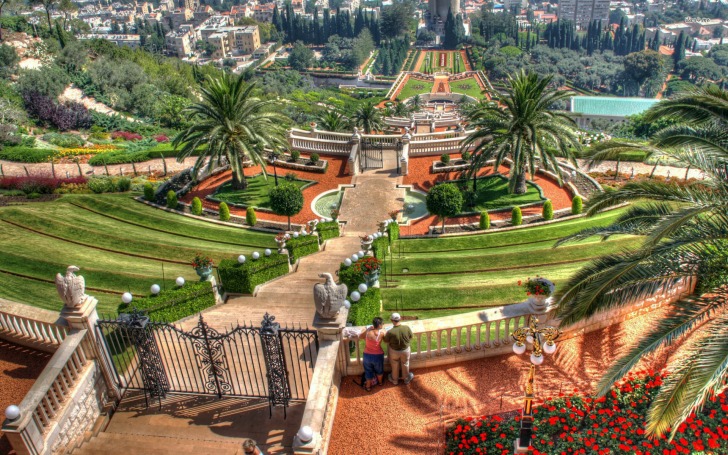
Haifa sits on Israel’s northern Mediterranean coast, climbing up the slopes of Mount Carmel in a way that makes the whole city feel layered, dramatic, and just a little cinematic.
It is known for its terraced Bahá’í Gardens, busy port, mixed Jewish and Arab communities, and a more laid-back feel than Tel Aviv or Jerusalem.
On a normal travel day, Haifa can seem surprisingly calm, with beach promenades, hillside neighborhoods, and sea views everywhere you turn.
That said, Haifa is not a destination where safety can be judged only by street crime or tourist comfort.
The bigger issue is the wider regional security climate, which can change fast and affect everyday life with little warning.
For travelers, that means Haifa can feel orderly and enjoyable on the ground, while still carrying a serious layer of geopolitical risk.
Warnings & Dangers in Haifa

OVERALL RISK: HIGH
Haifa is not a city where tourists usually struggle with pickpockets, aggressive scammers, or chaotic urban crime. In day-to-day terms, it often feels organized and fairly easy to navigate. The problem is the broader regional security situation. Missile threats, military escalation, and sudden changes in official guidance push Haifa into the high-risk category overall.

TRANSPORT & TAXIS RISK: LOW
Public transportation in and around Haifa is generally efficient, and taxis are widely available. Roads, trains, buses, and ride services usually make getting around fairly straightforward. The real transport risk is not poor infrastructure but disruption. Security incidents, alerts, or route changes can affect movement quickly, so travelers need backup plans and extra patience.

PICKPOCKETS RISK: LOW
Pickpocketing is not the first safety concern most visitors think about in Haifa, and it is not usually the city’s defining travel problem. Still, busy bus stations, markets, nightlife pockets, and crowded waterfront areas are never the place to get careless. Keep bags zipped, phones secure, and wallets out of back pockets, especially in crowded transit areas.

NATURAL DISASTERS RISK: MEDIUM
Haifa does not face the kind of constant natural-disaster pressure seen in typhoon or earthquake hotspots, but it is not risk-free. Heat waves can be intense in summer, wildfires are a real concern in dry periods around Mount Carmel, and winter storms can bring slick roads and localized flooding. Most travelers can manage this risk with simple preparation.

MUGGING RISK: LOW
Violent street robbery is not one of the biggest dangers for tourists in Haifa. In most well-trafficked parts of the city, travelers are more likely to deal with confusion over routes than direct confrontation. Even so, deserted streets, isolated stairways, poorly lit areas, and late-night wandering in unfamiliar neighborhoods are all worth avoiding.

TERRORISM RISK: MEDIUM
This is the category that changes the entire safety picture. Haifa has strategic importance as a northern port city and has faced security threats connected to wider regional conflict. Even if daily life appears normal, the possibility of sirens, missile alerts, or rapidly changing conditions cannot be ignored. Travelers need to treat this risk as real, not theoretical.

SCAMS RISK: LOW
Haifa is not especially notorious for tourist scams compared with many global destinations. You are more likely to encounter the occasional overcharge, vague pricing, or informal taxi confusion than elaborate fraud. Basic traveler habits go a long way here: confirm prices in advance, use official transport when possible, and be skeptical of rushed payment situations.

WOMEN TRAVELERS RISK: MEDIUM
Many women travel through Haifa without serious trouble, especially in central, busy, and well-lit areas. The city is more relaxed than some travelers expect, and mixed public spaces are common. Still, solo women should use the same caution they would in any unfamiliar city: avoid isolated areas at night, monitor local conditions closely, and choose accommodation in active neighborhoods.

TAP WATER RISK: LOW
Tap water in Haifa is generally considered safe to drink. For most travelers, it is fine for brushing teeth and everyday hydration. The bigger concern is comfort rather than safety, since some visitors may prefer filtered or bottled water due to taste or stomach sensitivity. During hot months, staying hydrated matters much more than the source.
Safest Places to Visit in Haifa
Bahá’í Gardens and German Colony
This is the polished postcard version of Haifa, and for good reason.
The Bahá’í Gardens area is scenic, well known, and usually feels orderly.
The nearby German Colony, with its restaurants and walkable main street, is one of the easiest places for first-time visitors to settle into the city.
Because it attracts both locals and tourists, it tends to feel comfortable during the day and early evening.
Carmel Center and Upper Carmel
If you want a part of Haifa that feels residential, elevated, and comparatively calm, Mount Carmel’s upper neighborhoods are a strong bet.
Carmel Center has cafés, shops, hotels, and a more relaxed atmosphere than the busier lower sections of the city.
It is a good area for travelers who want a comfortable base and easier nighttime footing than rougher urban pockets.
Bat Galim and the Beachfront
Haifa’s coastal side can be one of the city’s most enjoyable faces.
Bat Galim has a lived-in local feel, a seafront vibe, and more breathing room than packed downtown zones.
During daylight hours especially, the beachfront areas are among the easiest places to enjoy Haifa without constantly feeling on edge.
Stick to active stretches rather than empty corners late at night.
Wadi Nisnas by Day
Wadi Nisnas is one of the most interesting parts of Haifa culturally, with food, street life, and a sense of the city’s mixed identity.
During the day, it can be a rewarding place to walk, eat, and explore.
It is better approached with normal urban awareness than fear, especially if you visit during busy hours rather than drifting through after dark.
Places to Avoid in Haifa
Border-Oriented Travel in the North
The biggest area to think twice about is not one specific Haifa block but the broader northern zone connected to tensions near the Lebanese border.
Haifa is farther south than the immediate frontier, but it still sits in a part of the country where northern security developments matter.
Travelers should avoid casual side trips northward unless conditions are clearly stable and officially permitted.
Industrial and Port Edges After Dark
Haifa is a major port city, and not every waterfront or industrial stretch is designed for relaxed tourism.
The industrial bay areas and sparsely populated port-side roads can feel empty, poorly lit, and inconvenient late at night.
Even when they are not especially crime-heavy, they are the kind of places where travelers can feel stranded, disoriented, or simply exposed.
Hadar and Neglected Side Streets at Night
Hadar is a large and mixed district, not a single danger zone, and parts of it are busy and useful during the day.
Still, some side streets can feel run-down, steep, and isolated after dark.
Travelers who do not know the area well should be selective, especially at night, and avoid wandering aimlessly through quiet stretches or back stairways.
Transit Hubs and Empty Downtown Pockets Late
Downtown Haifa has restaurants, nightlife, and good energy in the right places, but timing matters.
Around transport hubs and quieter blocks after the crowds thin out, the area can feel very different from early evening.
It is smart to enjoy downtown when it is active, then use a taxi or direct ride back rather than lingering once the streets empty.
Safety Tips for Traveling to Haifa
- Check the security situation every single day. In Haifa, safety can change much faster than in a typical beach city. Do not rely on what conditions were a week ago, or even yesterday. Monitor official alerts, local news, and hotel guidance each morning and again before heading out.
- Know where the nearest shelter or protected area is. This is not dramatic overplanning. It is practical. When you arrive at your hotel, apartment, train station, or café, take note of where you would go if an alert sounds. Thinking about it once in advance is much better than panicking later.
- Choose your accommodation carefully. Stay in a well-known, active area such as the German Colony, Carmel Center, or another central neighborhood with good reviews and clear access to transport. A cheap place in an isolated pocket is rarely worth the trade-off in a city where location really matters.
- Do your walking in daylight when possible. Haifa is hilly, full of staircases, and neighborhood-by-neighborhood in feel. That makes daytime exploring much easier and safer. If you want to see side streets, markets, or scenic viewpoints, morning and afternoon are better than late-night wandering.
- Use licensed taxis or trusted ride options. Transportation is usually fine, but it is still smart to avoid vague informal rides or price confusion. Confirm the fare method before the trip starts, especially if you are tired, arriving late, or carrying luggage from a station or airport transfer.
- Carry less and keep essentials secure. Haifa is not a classic pickpocket capital, but crowded public spaces are still crowded public spaces. Carry only what you need for the day, keep your phone secure, and store passport backups separately from the original.
- Respect local tension points and avoid demonstrations. Haifa is a mixed city with a complex identity, and regional events can spill emotionally into public space. If you see a protest, heavy police presence, or rising tension, leave the area. You are traveling, not trying to win a front-row seat to volatility.
- Dress for heat, hills, and sun. People focus so much on political risk that they forget the basic physical strain of visiting Haifa. You will likely be walking uphill, downhill, and in strong sun. Good shoes, water, sunscreen, and lighter clothing in warm months make a real difference.
- Build a flexible itinerary. Haifa rewards travelers who can adapt. Maybe the beach is perfect one day and not practical the next. Maybe trains are smooth in the morning and delayed later. Leave room to change plans without ruining the trip emotionally or financially.
- Get comprehensive travel insurance and read the fine print. This is one place where cheap insurance is not enough. You want a policy that clearly covers medical issues, cancellations, and disruptions related to regional instability if available. Read the exclusions carefully before you leave home, not after something happens.
So... How Safe Is Haifa Really?
Haifa is one of those places where two truths sit next to each other.
On one hand, it can feel surprisingly normal for a traveler.
Many neighborhoods are orderly, locals go about daily life, public transport works, and the city does not revolve around tourist-targeted street crime.
If you judged Haifa only by pickpockets, scams, and ordinary urban safety, you would probably rate it better than many large cities around the world.
But that is not the full story, and pretending otherwise would be irresponsible.
Haifa’s real safety challenge is strategic rather than street-level.
As a major northern port city with important infrastructure, it is affected by the broader security environment in a way that can rapidly reshape risk.
In practical terms, that means a traveler might spend a calm morning walking through the German Colony and still need to respond seriously to alerts, transport changes, or new official warnings later.
So how safe is Haifa really?
For everyday crime, fairly manageable.
For regional conflict exposure, much more serious.
Right now, I would describe Haifa as a place that can be workable for informed, flexible travelers, but not one I would call low-risk in the bigger picture.
How Does Haifa Compare?
| City | Safety Index |
|---|---|
| Haifa |
67 |
| Acre |
46 |
| Nazareth |
58 |
| Tel Aviv |
60 |
| Golan Heights |
55 |
| Dead Sea |
65 |
| Eilat |
47 |
 Sturgeon Bay Sturgeon Bay | 83 |
| Long Island | 83 |
| Snellville | 51 |
| Schenectady | 52 |
 Ayacucho Ayacucho | 44 |
| Jeffersonville | 81 |
Useful Information

Visas
For many tourists, Israel allows short visits without a traditional visa, but entry rules have become more structured. Many visa-exempt travelers now need an electronic travel authorization before arrival, and passport validity matters. Entry decisions can also be strict. Check your nationality’s current requirements well before departure rather than assuming old rules still apply.

Currency
Haifa uses the Israeli new shekel. Card payments are common, especially in hotels, restaurants, and larger shops, so travelers usually do not need to carry huge amounts of cash. Exchange money through reputable counters or bank-linked services rather than random kiosk offers. Keep a little local cash for small purchases, tips, or transit situations.

Weather
Haifa has a Mediterranean climate, which means hot, dry summers and cooler, wetter winters. Summer calls for breathable clothes, sunglasses, sunscreen, and good walking shoes. Winter is milder than many European cities, but rain and wind can still surprise you, especially on the coast and higher up on Mount Carmel.

Airports
Most international travelers heading to Haifa arrive through Ben Gurion Airport near Tel Aviv, then continue north by train, bus, car, or taxi. Haifa also has its own smaller airport with more limited service. Ben Gurion is the main gateway, but schedules and transport options can shift, so check onward connections before landing.

Travel Insurance
Travel insurance is not optional in a destination like Haifa. Even a smooth trip can be affected by flight changes, regional tension, medical needs, or last-minute cancellations. Choose a policy that fits the reality of the destination, not just a basic cheapest-plan checkbox. Strong coverage gives you flexibility when plans suddenly stop being simple.
Haifa Weather Averages (Temperatures)
Average High/Low Temperature
| Temperature / Month | Jan | Feb | Mar | Apr | May | Jun | Jul | Aug | Sep | Oct | Nov | Dec |
|---|---|---|---|---|---|---|---|---|---|---|---|---|
| High °C |
17 | 17 | 19 | 22 | 25 | 28 | 31 | 32 | 30 | 28 | 24 | 19 |
| Low °C |
8 | 8 | 9 | 12 | 15 | 18 | 21 | 22 | 21 | 18 | 14 | 10 |
| High °F |
63 | 63 | 66 | 72 | 77 | 82 | 88 | 90 | 86 | 82 | 75 | 66 |
| Low °F |
46 | 46 | 48 | 54 | 59 | 64 | 70 | 72 | 70 | 64 | 57 | 50 |
Israel - Safety by City
| City | Safety Index |
|---|---|
| Acre | 46 |
| Dead Sea | 65 |
| Eilat | 47 |
| Golan Heights | 55 |
| Haifa | 67 |
| Jerusalem | 55 |
| Nazareth | 58 |
| Tel Aviv | 60 |







Quiet and peaceful
I agree, Haifa is indeed a quiet city and from what I can tell one of the most peaceful cities I’ve visited in my travels. Its smaller than Tel Aviv but there are still a couple of things to enjoy while you’re there. I only did a day tour, but I think you would be able to truly experience the city if you opt for at least a night or two.
Lived in Haifa for work
I lived in Haifa for about 5 years for work, I worked at Microsoft there, and let me tell you, this is a great city to live in, very lively and fun, with many bars and parties.
On special occasions they have fireworks and singers coming to perform, a wonder to see.
The problem is, the Jewish-Arabic conflict is too deep, you feel the tension between the two.
It happened many times that Arabs went after Jews or vice versa, so… be extra vigilant and stay away from fights as they can escalate rather quickly here.
Those terraced Bahá’í Gardens and the constant salty breeze are gorgeous, yet I still had this low-level nervousness walking the promenade knowing how quickly things can shift.
Seeing the terraced Bahá’í Gardens against the sea made my chest tighten, it felt so peaceful on the surface yet I kept thinking how fast everything could change.
I once sat by the beach watching the sunset over the Bahá’í Gardens, and even with the quiet around me, I couldn’t shake this weird mix of calm and tension hanging in the air.
Sure, nothing like enjoying the calm sea views while secretly wondering if today’s the day the geopolitical drama starts ramping up.
There’s something about walking along the beach watching the sun set behind those gardens that makes you hold your breath, knowing how quickly things can change around here.
is the south side of haifa a safe side for me and the texas longhorn cattle that i am bring home to israel?