


 Israel : Safety by City
Israel - safety as a country
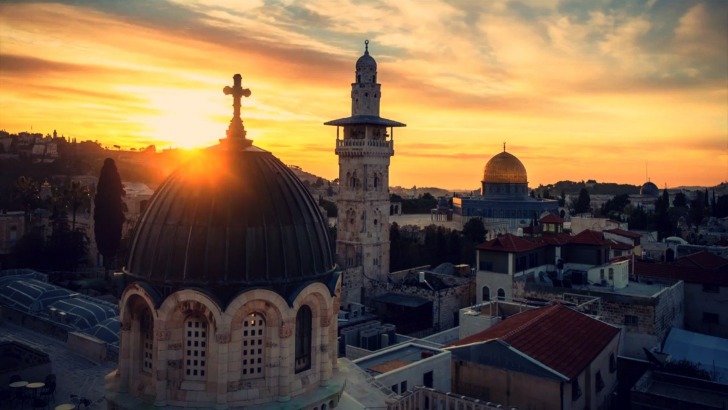
Jerusalem is one of the most historically, culturally, and religiously significant cities in the world.
Located in the Middle East, the city sits at the crossroads of Europe, Asia, and Africa and has been inhabited continuously for thousands of years.
As a sacred location for Judaism, Christianity, and Islam, Jerusalem draws millions of visitors annually who come to explore its ancient streets, holy sites, museums, and layered cultural history.
From the Western Wall and Church of the Holy Sepulchre to the Dome of the Rock, the city offers experiences found nowhere else on Earth.
At the same time, Jerusalem exists within a complex political and security environment.
Media coverage of the area often focuses on conflict, protests, or isolated violent incidents, which can make potential visitors question whether travel is safe.
The reality is much more nuanced than what might be seen on the nightly news.
Jerusalem is heavily secured, and the vast majority of tourists visit without encountering any safety issues.
However, political tensions, religious sensitivities, and regional instability mean travelers must be informed, respectful, and attentive.
Warnings & Dangers in Jerusalem

OVERALL RISK: MEDIUM
Jerusalem carries a medium overall risk for travelers. Violent crime against tourists is fortunately rare, but political tensions and security incidents can occur unexpectedly, and that can sometimes affect visitors to the area. Staying alert and checking for travel advisories ahead of your visit is important. The city maintains a strong security presence, particularly in tourist zones and near religious sites. If you stay aware of your surroundings, avoid demonstrations, and follow local guidance, you'll most likely experience a safe and trouble-free visit.

TRANSPORT & TAXIS RISK: MEDIUM
Public transportation in Jerusalem is generally safe, clean, and widely used by locals and visitors. Both buses and the light rail system are efficient, though they may be crowded during peak hours. It can be easier to travel on them if you plan your adventures with off-hours travel to avoid the congestion. Licensed taxis are reliable, but fare disputes can occur if meters are not activated, so you'll want to pay close attention to how the driver is handling your request for a ride. Agreeing on a price in advance or using ride-share apps can be great choices to help prevent misunderstandings. Security checks may also cause delays at stations or roadways, particularly during heightened alert periods, so remember to build in some extra travel time if you have a planned event or reservations somewhere.

PICKPOCKETS RISK: MEDIUM
Pickpocketing occurs in busy tourist areas, markets, and public transport, with the Old City, light rail, and crowded religious sites presenting the highest risk. While the overall level is lower than in many European capitals, travelers should still use anti-theft bags and avoid displaying valuables openly. If you keep jewelry to a minimum and don't display your phone or cash around others, you'll be less of a target for opportunistic thieves who are looking for distracted tourists.

NATURAL DISASTERS RISK: LOW
Jerusalem faces minimal natural disaster threats. Earthquakes are possible due to regional fault lines, but are rare and typically minor. They're not something the typical tourist needs to spend time worrying about. Extreme heat during the summer months poses a much more realistic risk, particularly for visitors walking long distances in the Old City. It's important to dress for the weather, stay hydrated, and get out of the sun if you find yourself struggling with the temperature or starting to feel ill.

MUGGING RISK: LOW
Muggings are uncommon, especially in areas frequented by tourists, and most incidents occur late at night in poorly lit or isolated neighborhoods. Staying in central areas and using transportation after dark instead of walking significantly lowers your risk. If you plan to be out exploring the city, especially by yourself, it's important to stick to more widely-used streets and locations where there are other people nearby. Also, avoid staying out too late, and don't wander off from any guided tours or groups, particularly after dark or in unfamiliar areas.

TERRORISM RISK: MEDIUM
The risk of terrorism exists due to the ongoing Israeli-Palestinian conflict. Although attacks are infrequent, they can occur without warning, and sometimes tourists in the wrong place at the wrong time can be caught up in them. Security forces are highly visible throughout the city, especially near transport hubs, religious sites, and government buildings, and most incidents are localized and resolved quickly. Tourists are rarely targeted, and staying aware of your surroundings can go a long way toward avoiding most of the risk.

SCAMS RISK: MEDIUM
Scams primarily target tourists in the Old City and around major landmarks, and these may include inflated prices, unofficial guides, or misleading directions leading to shops demanding payment. Using licensed guides, agreeing on prices beforehand, and being firm but polite helps avoid issues. If you plan most of your itinerary beforehand, you'll have scheduled events and adventures with trusted individuals and companies, greatly reducing the chances of getting caught up with "helpful" locals who plan to scam tourists.

WOMEN TRAVELERS RISK: LOW
Jerusalem is generally safe for women travelers, including those traveling alone, and street harassment is uncommon, though cultural expectations vary by neighborhood. Modest dress is important in religious areas, and women should exercise standard nighttime precautions, particularly in quieter districts. In short, women should avoid walking alone, displaying jewelry or other indications of wealth, and being too trusting of people they don't know.

TAP WATER RISK: LOW
Tap water in Jerusalem is safe and treated to international standards. Many locals drink it daily, and it's considered safe for visitors, as well. Many travelers may still prefer to drink bottled water, especially during hot weather, but tap water poses no health risk if you want to consume it during your visit.
Safest Places to Visit in Jerusalem
There are many safe locations throughout the city where travelers can stay in hotels, dine out, and explore what the area has to offer.
West Jerusalem is generally considered the safest area for tourists, and neighborhoods like Rehavia, the city center, and areas near major hotels offer strong security and excellent infrastructure.
The Old City is heavily monitored and generally safe during daylight hours, although it may be best to avoid it after dark, especially late at night.
Additionally, religious sites, museums, and shopping areas have visible security presence and frequent patrols, making them good choices for tourist exploration.
Tourist-focused neighborhoods benefit from enhanced policing and security coordination, so you can generally feel safe and at ease in them.
The standard caveats of staying alert and aware apply, but there’s no need to be heavily on guard.
Places to Avoid in Jerusalem
Some areas may become unsafe during periods of heightened political tension, and neighborhoods near checkpoints, flashpoints, or active protests should be avoided.
While tourists aren’t specifically targeted in most cases, you still don’t want to be in the wrong place at the wrong time when it’s easily avoided.
Parts of East Jerusalem may experience unrest, particularly during religious holidays or political events, and travelers should avoid demonstrations and follow real-time local advice.
Checking for local travel alerts and information can help you decide whether to adjust your itinerary for the day.
Safety Tips for Traveling to Jerusalem
- Stay Informed About Local Conditions: Jerusalem’s political and security situation can change quickly, so before heading out each day, check local news and official government advisories. Also, pay attention to updates about demonstrations, religious events, or security alerts, especially during holidays or periods of heightened tension.
- Avoid Demonstrations and Protests: Public demonstrations can occur with little notice and may escalate rapidly. Even if a gathering appears peaceful, it’s best to leave the area immediately to reduce any chances of being caught up in something that may not stay peaceful. Security forces often respond quickly, which can also lead to road closures or crowd control measures that affect bystanders, including tourists.
- Respect Religious and Cultural Norms: Jerusalem is deeply religious, and cultural expectations vary by neighborhood. It’s wise to dress modestly when visiting religious sites, covering shoulders and knees when required. Respectful behavior helps avoid unwanted attention and shows consideration for local customs.
- Plan Old City Visits During Daylight Hours: The Old City is safest, busiest, and easiest to navigate during the day when crowds, security patrols, and open businesses make the area feel more controlled. At night, some sections become quiet and harder to navigate, especially for first-time visitors or women travelers.
- Use Licensed Transportation Only: Stick to licensed taxis, public buses, or hotel-arranged transportation for safety and to reduce the risk of being scammed. If you’re using a taxi, ensure the meter is running or agree on the fare before starting the trip, and always avoid accepting rides from unofficial drivers.
- Expect Security Checks and Stay Calm: Bag checks and security screenings are common at malls, public buildings, transport hubs, and attractions. These are routine and not cause for concern, but you may want to allow extra time in your schedule for them. Also, be sure to cooperate calmly with security personnel.
- Secure Personal Belongings in Crowded Areas: Markets, religious sites, and public transport can attract pickpockets, so use zipped bags, keep valuables close to your body, and avoid displaying expensive items openly. It’s essential to remain extra alert, especially during busy times.
- Carry Identification at All Times: Security personnel may request your identification, especially near sensitive areas, and you’ll want to carry your passport or a photocopy, along with your entry documentation, whenever you’re out.
- Be Aware in Mixed or Tense Neighborhoods: Some areas experience higher tensions at certain times of the day or year. If you notice an increased police presence, rising tensions, or uncomfortable interactions, leave the area promptly and head to a busier location where tensions are lower and tourists are less likely to be viewed negatively.
- Trust Your Instincts Above All: If a situation feels unsafe or uncomfortable, don’t hesitate to remove yourself from it right away. Jerusalem is generally safe for tourists, but awareness and intuition are your best tools for staying safe in a complex environment that can change fast.
So... How Safe Is Jerusalem Really?
Jerusalem is far safer for tourists than its reputation suggests.
While political tensions exist, most travelers experience a calm, organized city with a strong security infrastructure that helps put them at ease.
Crime rates affecting tourists are low, and violent incidents rarely involve visitors.
The main risks when visiting the city stem from regional instability rather than everyday criminal activity.
By staying informed, avoiding demonstrations, respecting cultural norms, and exercising standard travel precautions, most travelers can safely experience one of the world’s most remarkable cities without incident.
How Does Jerusalem Compare?
| City | Safety Index |
|---|---|
| Jerusalem |
55 |
| Nazareth |
58 |
| Golan Heights |
55 |
| Tel Aviv |
60 |
| Acre |
46 |
| Haifa |
67 |
| Dead Sea |
65 |
 Havana Havana | 55 |
 Kirkwood Kirkwood | 77 |
 Port Moresby Port Moresby | 25 |
 La Massana La Massana | 93 |
 Makati Makati | 60 |
| Maui | 91 |
Useful Information

Visas
Visa requirements vary by nationality, so it's crucial to look at your specific requirements before booking your trip. Many travelers receive visa-free entry or visas on arrival, but that's not the case for every country's passport holders.

Currency
The Israeli New Shekel (ILS) is widely used. Cards and ATMs are easily accessible, so you can use either option conveniently in most establishments.

Weather
Summers are hot and dry, and winters are mild. Comfortable shoes and sun protection are essential all throughout the year, so you'll want to make them part of your trip packing list.

Airports
Ben Gurion Airport (TLV) serves Jerusalem. Transport options include train, bus, taxi, and private transfer, allowing you to get to your hotel or other location no matter what time of day your flight lands.

Travel Insurance
Travel insurance is strongly recommended for visitors to Jerusalem, including coverage that includes medical care and emergency evacuation.
Jerusalem Weather Averages (Temperatures)
Average High/Low Temperature
| Temperature / Month | Jan | Feb | Mar | Apr | May | Jun | Jul | Aug | Sep | Oct | Nov | Dec |
|---|---|---|---|---|---|---|---|---|---|---|---|---|
| High °C |
12 | 13 | 16 | 21 | 25 | 28 | 29 | 29 | 28 | 25 | 20 | 14 |
| Low °C |
4 | 5 | 6 | 10 | 12 | 15 | 17 | 17 | 16 | 14 | 10 | 6 |
| High °F |
54 | 55 | 61 | 70 | 77 | 82 | 84 | 84 | 82 | 77 | 68 | 57 |
| Low °F |
39 | 41 | 43 | 50 | 54 | 59 | 63 | 63 | 61 | 57 | 50 | 43 |
Israel - Safety by City
| City | Safety Index |
|---|---|
| Acre | 46 |
| Dead Sea | 65 |
| Eilat | 47 |
| Golan Heights | 55 |
| Haifa | 67 |
| Jerusalem | 55 |
| Nazareth | 58 |
| Tel Aviv | 60 |












Looking forward to touring in the near future
Looking forward to touring in the near future.
very safe city, especially in the jewish neighborhoods
I studied in Israel in the early 2000. I lived in an orthodox neighborhood in Jerusalem, and felt extremely safe. Not only did I not have to worry about getting robbed, but if any object/item was found in the street, people would put signs on the spot, telling people what they found and how to contact the person, to get it back. Little kids walk around freely on the streets, and I was frequently asked by young kids to help them cross the street. Unfortunately the only time I had my cel phone stolen was when I went to Tel Aviv, which is not an orthodox area, and has a much bigger mix of ethnicities. At that time, Israel still hadn’t installed all the security walls, so there were a number of terrorist attacks during my stay (mainly in buses). Nowadays, that is much more infrequent, since palestinians have to go through security checks before they enter Israeli territory, which makes it more difficult to smuggle weapons for attacks. Being jewish, I definitely avoided the arab parts of the city (I once passed there by bus, and our bus got stoned by kids). Other than that, I felt much safer there than I do in Sao Paulo, where I live
i love esraeal i am nine an love live in esraeal
Oh sure, nothing says “capital city” like a place you can cross in fifteen minutes, right?
Did you feel the weight of history in the air when you were exploring the ancient streets? It’s hard to imagine such a profound mix of cultures and beliefs in one place.
Walking through the Old City at night, hearing church bells and the call to prayer echo together, felt strangely calm considering everything you see on the news about this place.
Walking through the Old City at night with all the lights on the stone walls, it honestly felt a lot calmer and safer than I expected from watching the news, as long as you just stay aware of what’s going on around you.
So you’re saying Jerusalem is mostly safe for visitors, then how come I was stuck in a 45-minute security queue at the Old City, sweating and way more anxious than reassured?
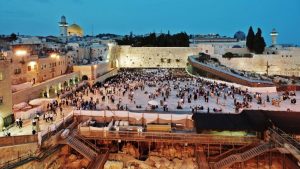
Did you notice how even walking near the Western Wall feels like stepping through layers of time and faith, or was it just me getting chills there?
Sure, nothing like dodging armed guards and feeling like you’re in a history book come to life to spice up a vacation.