


 Israel : Safety by City
Israel - safety as a country
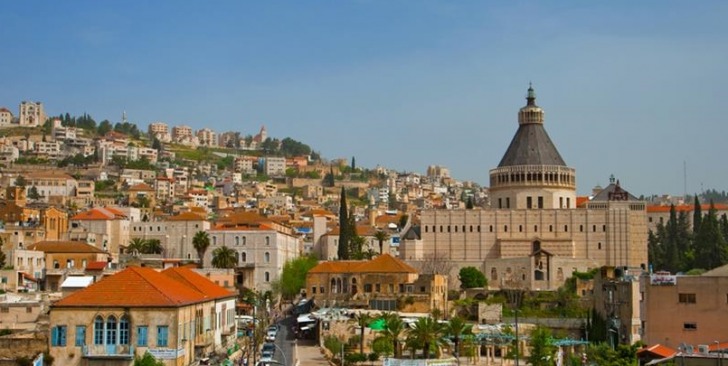
Nazareth sits in the hills of Lower Galilee in northern Israel, and it is one of those places that feels bigger than its size because of what it means to so many people.
For Christian travelers especially, this city carries enormous spiritual weight, but even if you are not visiting for religious reasons, Nazareth is memorable for its stone lanes, church domes, market energy, and layered history.
The Basilica of the Annunciation, St. Joseph’s Church, Mary’s Well, and the old souk give the city a character that feels deeply rooted and very human.
Nazareth itself is often calmer than outsiders expect on a normal day, but travel safety here cannot be separated from the broader security environment in Israel, which can change quickly and without much warning.
Warnings & Dangers in Nazareth

OVERALL RISK: MEDIUM
Nazareth is not usually a high-crime destination for tourists, and many visits pass without any serious problem. The biggest reason I rate it Medium is not everyday street crime, but the wider regional security situation. Local sightseeing can feel peaceful, yet broader events in Israel can lead to sudden disruptions, heightened alert levels, and transport complications.

TRANSPORT & TAXIS RISK: LOW
Getting around Nazareth is generally manageable by bus, taxi, and organized tour transport. The main transport risks are practical rather than violent: traffic, language confusion, occasional overcharging, and disrupted schedules if the national security situation changes. Use official taxis, confirm the fare or meter before departure, and avoid relying on last-minute transport late at night.

PICKPOCKETS RISK: LOW
Pickpocketing can happen anywhere tourists gather, and Nazareth’s markets, church plazas, and crowded festival periods create the usual opportunities for petty theft. Still, this is not a destination best known for aggressive pickpocketing. Basic precautions usually go a long way: keep your phone secure, avoid open bags, and do not carry all your cash in one place.

NATURAL DISASTERS RISK: LOW
Nazareth does not face the kind of frequent natural disasters that define travel risk in some parts of the world. The bigger practical concerns are summer heat, dehydration, slippery stone streets in wet weather, and the occasional travel disruption caused by storms. Earthquake risk exists in the broader region, but for most visitors, this is not the top day-to-day safety issue.

MUGGING RISK: LOW
Violent street crime against tourists is not usually the main concern in Nazareth. Muggings can happen, especially in quiet areas after dark, but they are not what defines the city’s reputation. Common sense matters more than paranoia here: avoid isolated lanes late at night, keep valuables out of sight, and use taxis rather than wandering unfamiliar outskirts after hours.

TERRORISM RISK: HIGH
This is the category that raises Nazareth’s overall safety concern. Even if Nazareth itself may feel quiet on a given day, the broader national security environment remains volatile. Official advisories continue to warn that attacks, missile incidents, civil unrest, and sudden restrictions can occur with little warning across Israel, and that travelers should monitor alerts closely.

SCAMS RISK: LOW
Scam risk in Nazareth is usually limited to tourist-standard annoyances such as inflated taxi pricing, souvenir overpricing, or overly pushy sales tactics near popular sites. You are much more likely to deal with minor price games than with serious fraud. Ask prices before buying, use cards where practical, and book tours through established operators when possible.

WOMEN TRAVELERS RISK: LOW
Women can and do travel through Nazareth without major issues, especially in daylight and in central tourist areas. The city is conservative in parts, so modest dress helps visitors blend in more comfortably, particularly around religious sites. Solo women should take the usual precautions at night, avoid deserted streets, and use prearranged transport when moving around after dark.

TAP WATER RISK: LOW
Tap water in Israel is generally considered safe to drink, and that includes Nazareth. For travelers with sensitive stomachs, bottled water may still feel easier during the first day or two, especially in hot weather when hydration matters more. But this is not a destination where unsafe tap water is usually a core travel risk.
Safest Places to Visit in Nazareth
Basilica of the Annunciation Area
This is the heart of Nazareth’s visitor experience and one of the easiest places for travelers to navigate with confidence during the day.
The area around the basilica sees a steady flow of pilgrims, tour groups, local businesses, and security-aware staff, which naturally makes it feel more comfortable for first-time visitors.
It is busy, visible, and easy to orient yourself in, which is exactly what many travelers want when exploring a historic city on foot.
St. Joseph’s Church and the Historic Core
The historic center around St. Joseph’s Church is one of the best places to wander if you like heritage without needing to overcomplicate your route.
You will find a mix of religious landmarks, old stone buildings, and walkable streets that stay active during normal sightseeing hours.
In my view, this is where Nazareth feels most approachable: central, cultural, and well-suited to slow travel.
Mary’s Well and the Main Tourist Corridors
Mary’s Well and the surrounding public spaces are among the more open and recognizable spots in the city.
This part of Nazareth tends to feel easier for independent travelers because it is less maze-like than some of the older alleyways.
If you prefer visible streets, passing traffic, and simpler navigation, this area is a smart choice for daytime exploring.
Organized Day Routes Linking Nazareth with Galilee
Another safe way to enjoy Nazareth is not just choosing the right site, but choosing the right style of movement.
Many visitors pair Nazareth with Galilee highlights through organized day itineraries, which reduces transport stress and limits the need to figure out shifting local logistics on your own.
In a place where regional conditions matter, structured travel can be one of the safest choices.
Places to Avoid in Nazareth
Quiet Old City Alleys Late at Night
The Old City is fascinating by day, but after dark, some of the smaller alleyways become quiet, poorly lit, and harder to navigate.
I would not call them dangerous in a dramatic sense, but they are the kind of places where a visitor can feel disoriented fast.
For most travelers, this is simply a good daytime area rather than a late-night wandering zone.
Isolated Hillside Viewpoints After Dark
Nazareth’s hilltop setting creates beautiful overlooks, but isolated viewpoints and less-trafficked hillside roads are not ideal places to linger after sunset.
The risk here is less about a known crime hotspot and more about being alone in an unfamiliar place with limited lighting, few people around, and uncertain transport back to your hotel.
Busier Commercial Strips When Tensions Rise
If there are demonstrations, heightened security measures, or national alert changes, avoid gathering points, transport hubs, and any area where crowds start building quickly.
In destinations affected by regional tension, a perfectly normal commercial street can become stressful fast.
This matters more than neighborhood reputation because the broader situation can shift the risk profile in real time.
Any Area Near Unfolding Security Incidents
This may sound obvious, but it is the most important warning in Nazareth right now.
The places to avoid are not always fixed on a map.
If sirens sound, if authorities issue guidance, or if locals start clearing an area, do not stay to observe.
Leave immediately, move to shelter if instructed, and treat official alerts as your first source of truth.
Safety Tips for Traveling to Nazareth
- Monitor the regional security situation every day. Nazareth can feel calm even when the wider region is tense, so do not judge safety only by what you see outside your hotel window. Check official alerts each morning and again before longer day trips. Security conditions in Israel can change fast, and that matters more than local vibes.
- Stay in a central, well-reviewed area. Choose accommodation near major religious sites, main roads, or clearly active central districts. A central hotel makes it easier to walk during the day, find transport quickly, and avoid getting stranded in quiet areas at night. In Nazareth, convenience and safety overlap quite a bit.
- Keep your plans flexible. This is not the kind of destination where rigid minute-by-minute planning is always wise. Flights, road access, and day-trip timing can all change on short notice depending on national conditions. Build breathing room into your schedule so one disruption does not wreck your whole trip.
- Use official taxis or trusted transport only. Do not hop into random cars, and do not assume every fare will be tourist-friendly. Ask whether the meter is being used or agree on the cost before the ride begins. If your accommodation can call a taxi for you, even better.
- Dress respectfully around religious sites. Nazareth is one of those cities where local context matters. Clothing that feels normal at a beach destination may feel out of place in churches or conservative neighborhoods. Modest dress helps avoid unwanted attention and makes your visit smoother and more respectful.
- Do not flash valuables in markets or crowded plazas. You probably do not need a money belt and spy-level paranoia, but you do need basic awareness. Keep your phone secured, wear your bag cross-body, and avoid counting cash in public. Crowded tourist areas are where small thefts are most likely to happen.
- Carry water and plan for heat. Even when safety conversations focus on politics or security, plain old heat can ruin a trip faster than expected. Walking uphill through Nazareth in warm weather is tiring. Carry water, wear good shoes, and take shade breaks often.
- Avoid aimless late-night wandering. Nazareth is better as a daytime city for most travelers. Once the main sights quiet down, some streets feel much more deserted. If you are out late, move with purpose and use a taxi back rather than experimenting with unfamiliar backstreets.
- Keep your passport, entry approval, and insurance details accessible. Israel now requires many visa-exempt travelers to hold an ETA-IL approval before travel, and you do not want to be digging through old emails at the airport. Keep digital and paper copies of your key documents in separate places.
- Listen to locals when the mood changes. One of the best travel instincts in Nazareth is humility. If hotel staff, guides, shopkeepers, or drivers tell you to avoid a certain area, delay a trip, or head inside, take that seriously. Locals often recognize an uneasy shift well before an outsider does.
So... How Safe Is Nazareth Really?
Nazareth is one of those destinations where two truths exist at the same time.
On the ground, it often feels welcoming, historic, walkable, and much more relaxed than people imagine when they hear “northern Israel.”
For everyday tourist activity, especially around the main religious and historic sites, the city itself is usually manageable with standard urban precautions.
That is the reassuring part.
The less reassuring part is that Nazareth does not exist in a bubble.
Official travel advisories for Israel remain serious, and they emphasize terrorism, civil unrest, missile and drone threats, and the possibility of sudden restrictions or transport disruption.
That broader reality matters even if your hotel street looks perfectly normal.
In practical terms, Nazareth is not a city where pickpockets or muggings are the main story.
The real risk comes from events beyond the city’s old stone lanes.
My honest take is this: Nazareth can still be visited carefully by informed travelers who understand the context, monitor alerts, and stay flexible.
If you are the kind of traveler who gets rattled by uncertainty, this may not feel relaxing right now.
If you are experienced, cautious, and realistic, Nazareth can still be meaningful and rewarding, but it is not a place to visit on autopilot.
How Does Nazareth Compare?
| City | Safety Index |
|---|---|
| Nazareth |
58 |
| Tel Aviv |
60 |
| Jerusalem |
55 |
| Haifa |
67 |
| Eilat |
47 |
| Golan Heights |
55 |
| Dead Sea |
65 |
 Port Moresby Port Moresby | 25 |
 Ahmedabad Ahmedabad | 67 |
 Arlington Heights Arlington Heights | 88 |
 Mendoza Mendoza | 68 |
| Chesapeake | 69 |
 Montevideo Montevideo | 44 |
Useful Information

Visas
Many travelers from visa-exempt countries now need an approved ETA-IL before boarding for Israel. Official guidance says eligible visitors can usually stay up to 90 days per visit, the ETA-IL can remain valid for up to two years or until passport expiry, the current official fee is 25 NIS, and responses are typically issued within 72 hours.

Currency
The local currency is the New Israeli Shekel, usually shortened to shekel or NIS. For most travelers, the easiest move is to withdraw a small amount from an airport ATM and use cards for the rest, since cards are widely accepted. If you exchange cash, do it through banks, hotels, or licensed exchange offices and compare rates first.

Weather
Nazareth is often warm for much of the year, and the biggest packing mistake is underestimating sun exposure and uphill walking. Light clothing, comfortable shoes, sun protection, and a refillable bottle are smart basics. Even in milder months, daytime sightseeing can feel hotter than expected once you are climbing stairs and stone streets.

Airports
Most international travelers heading to Nazareth use Ben Gurion Airport near Tel Aviv, then continue north by road or a combination of rail and bus. Haifa Airport is closer geographically, but it has a much smaller flight network. One important note right now: airport operations in Israel can change quickly under the current security situation, so confirm status before travel day.

Travel Insurance
Travel insurance is absolutely worth it for Nazareth. This is not just about lost luggage or a twisted ankle on old stone steps. You want coverage that includes medical care, trip interruption, and security-related disruption. In a destination where flights and movement can change suddenly, good insurance is not optional in my book.
Nazareth Weather Averages (Temperatures)
Average High/Low Temperature
| Temperature / Month | Jan | Feb | Mar | Apr | May | Jun | Jul | Aug | Sep | Oct | Nov | Dec |
|---|---|---|---|---|---|---|---|---|---|---|---|---|
| High °C |
13 | 13 | 16 | 20 | 24 | 27 | 30 | 30 | 29 | 25 | 20 | 15 |
| Low °C |
5 | 5 | 7 | 9 | 12 | 15 | 18 | 18 | 17 | 14 | 10 | 7 |
| High °F |
55 | 55 | 61 | 68 | 75 | 81 | 86 | 86 | 84 | 77 | 68 | 59 |
| Low °F |
41 | 41 | 45 | 48 | 54 | 59 | 64 | 64 | 63 | 57 | 50 | 45 |
Israel - Safety by City
| City | Safety Index |
|---|---|
| Acre | 46 |
| Dead Sea | 65 |
| Eilat | 47 |
| Golan Heights | 55 |
| Haifa | 67 |
| Jerusalem | 55 |
| Nazareth | 58 |
| Tel Aviv | 60 |












Very safe & spiritually enriching
I traveled to Israel in November and December, 2017. The weather was extremely nice, cool in and mild later in the day. We visited Israel, the Dead Sea, the Sea of Galilee, the Jordan River, the Wailing Wall, the Garden Tomb, and many other places. It was very exciting to have walked in many of the places where our Lord and Savior Jesus Christ walked. I found Israel to be a very safe place! It was also beautiful and I desire so much to go back again!
Strolling through the Old City really gave me a taste of the incredible local culture and the vibrant atmosphere is just unforgettable.