


 Belgium : Safety by City
Belgium - safety as a country
Brussels sits in the heart of Belgium and, in many ways, in the heart of Europe too.
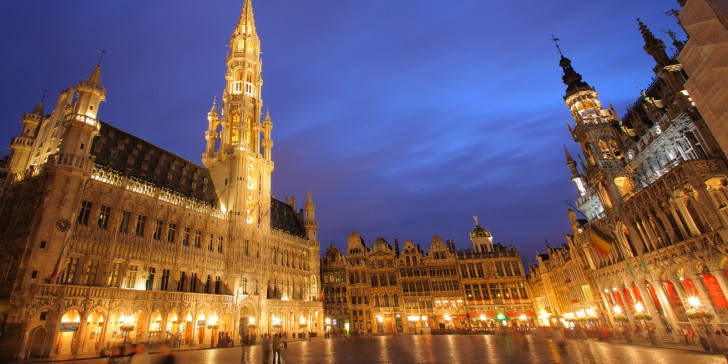
It is the headquarters of the European Union, a city of grand squares, comic-book murals, golden guildhalls, waffle shops, serious politics, and delightfully unserious food culture.
One minute you are standing in the ornate Grand Place, and the next you are riding a tram past sleek EU buildings or ducking into a neighborhood bar for fries and a local beer.
That mix is part of Brussels’ charm, but it also means the city feels different from block to block.
Some areas are polished and calm, while others feel gritty, crowded, and stressful, especially around major transit hubs.
For most travelers, Brussels is manageable and enjoyable, but it rewards awareness.
It is not a city that usually feels dangerous all day long, yet it is definitely one where smart habits matter.
Warnings & Dangers in Brussels

OVERALL RISK: MEDIUM
Brussels is generally safe for tourists who use common sense, but it is not carefree. The biggest issue is petty crime, especially theft in crowded areas and around train stations. Violent crime is not what most visitors encounter, but the city does carry an elevated terrorism caution, and some neighborhoods feel rougher after dark.

TRANSPORT & TAXIS RISK: MEDIUM
Public transport is extensive and useful, and the airport train connection to the center is fast and easy. The real risk is not the system itself but what happens in busy stations, metro corridors, and crowded carriages, where thieves target distracted travelers with luggage. Licensed taxis and ride apps are generally fine, but late-night pickups near major stations deserve extra caution.

PICKPOCKETS RISK: HIGH
This is Brussels’ most consistent tourist problem. Pickpocketing and bag snatching are common in dense visitor zones, on public transport, and at the city’s main rail stations. Criminals often use distraction tactics, work in pairs, and look for phones, wallets, backpacks, and light luggage. If there is one risk travelers should plan around, this is it.

NATURAL DISASTERS RISK: LOW
Brussels is not a destination known for dramatic natural disasters. You are far more likely to deal with gray skies, rain, wind, and slippery pavements than with any major environmental emergency. Heavy rain and stormy weather can occasionally disrupt plans, but natural-disaster risk is low compared with many other world capitals.

MUGGING RISK: MEDIUM
Mugging is not the defining danger for most tourists, but it is not something to dismiss either, particularly late at night in poorly lit or less active areas. Travelers who wander alone near troubled station districts, empty streets, or nightlife spillover zones are at higher risk than those staying in busy central areas and using normal precautions.

TERRORISM RISK: MEDIUM
Belgium remains under an increased-caution travel advisory because of terrorism concerns, and official guidance continues to warn that attacks could happen with little warning in transport hubs, shopping areas, tourist sites, and public events. Most visitors will never experience anything beyond visible security presence, but this is still a factor in Brussels safety planning.

SCAMS RISK: MEDIUM
Scams in Brussels are usually low-level and opportunistic rather than elaborate. The most common problem is distraction theft disguised as help, conversation, or confusion. Someone spilling something, asking odd questions, or offering too much assistance near a station should make you alert. ATM awareness and card security also matter in crowded tourist areas.

WOMEN TRAVELERS RISK: MEDIUM
Women can enjoy Brussels without major problems, and many visit solo, but the city still calls for the same big-city caution you would use elsewhere in Europe. Harassment or unwanted attention can happen, especially late at night or near nightlife and transit zones. Staying in central, well-trafficked districts and avoiding isolated walks after dark makes a noticeable difference.

TAP WATER RISK: LOW
Tap water in Brussels is safe to drink. It is strictly controlled and must meet extensive quality criteria under Belgian and European rules. Unless your accommodation has unusually old plumbing or a host specifically warns otherwise, bottled water is more a preference than a necessity.
Safest Places to Visit in Brussels
If you want the Brussels that feels easiest and most comfortable for travelers, start with the historic center around the Grand Place during the day and early evening.
It is busy, heavily visited, and well monitored, which helps, even if you still need to watch your bag.
Nearby Galeries Royales Saint-Hubert is another good pick for travelers who want a polished, central area with plenty of foot traffic.
The Sablon is one of the most pleasant parts of the city for a relaxed visit.
It has a more upscale feel, elegant streets, antique shops, chocolate boutiques, and fewer of the rough edges that surprise first-time visitors elsewhere.
The upper town around Mont des Arts also tends to feel comfortable for sightseeing, with museums, viewpoints, and a more orderly atmosphere.
The European Quarter is another smart base, especially for business travelers, solo travelers, and anyone who prefers quieter streets, wider avenues, and a more structured environment.
It lacks some of the postcard charm of the center, but it often feels cleaner and calmer.
Ixelles, especially around Avenue Louise and the ponds area, can also be a very appealing part of a Brussels trip, with restaurants, shops, and a more residential rhythm.
In general, the safest sightseeing strategy in Brussels is simple: favor busy central areas, established tourist districts, museum zones, and well-connected neighborhoods where people are out and about.
Brussels is much more enjoyable when you move through it with purpose instead of drifting into unfamiliar blocks just because they are nearby.
Places to Avoid in Brussels
Brussels is not a city where tourists need to panic over entire districts, but there are definitely areas where caution should go up.
The most commonly flagged trouble spots are around the major train stations, especially Brussels-Midi, Brussels-North, and, to a lesser extent, parts of Brussels-Central.
These are the places where theft, distraction tactics, and general unease show up most often.
They are transport zones that many travelers cannot avoid, but they are not good places to linger with luggage, stare at your phone, or arrive unprepared late at night.
Parts of Sint-Jans-Molenbeek, Anderlecht, and some side streets near station districts can also feel rougher, especially after dark.
That does not mean every street is dangerous or that every tourist will have a problem.
Still, these are not the neighborhoods I would recommend for aimless evening walks or budget bookings chosen without checking the immediate surroundings.
Brussels can change mood very quickly from one block to the next.
Around Gare du Midi in particular, travelers should think practically.
Arrive knowing exactly where you are going, keep valuables zipped away, and move on rather than hanging around outside the station.
The same goes for quiet stretches near Brussels-North at night.
My general rule for Brussels is this: avoid isolated areas after dark, avoid lingering near major stations unless you are actively traveling, and do not assume that a cheap hotel beside a transport hub is automatically a smart deal.
In Brussels, location quality matters a lot.
Safety Tips for Traveling to Brussels
- Treat train stations like transit zones, not sightseeing stops. Brussels-Midi, North, and Central are practical places to pass through, but not ideal places to loiter with luggage. Know your platform, route, or exit before you arrive.
- Keep your phone and wallet out of easy reach. Back pockets, open coat pockets, and loose tote bags are an invitation in crowded areas. Use zippered compartments and keep your bag in front of you on public transport.
- Watch for distraction tactics. If someone spills something on you, asks a strangely urgent question, or tries to create confusion, check your belongings first. In Brussels, the “helpful stranger” routine can sometimes be a cover for theft.
- Book your hotel with the neighborhood in mind, not just the price. A cheap stay near a major station can cost you peace of mind. Sablon, the upper center, the European Quarter, and good parts of Ixelles are often easier bases for visitors.
- Be more careful after dark. Brussels is much easier in daylight. At night, use direct routes, stay on well-lit streets, and avoid wandering into unfamiliar areas just because they look close on a map.
- Use official taxis or established ride services. If you need a car late at night or with heavy luggage, do not jump into random vehicles. Order from a trusted source, especially near stations and nightlife areas.
- Stay alert in tourist hotspots too. Grand Place is beautiful, but beauty does not cancel out pickpockets. Busy squares, tram stops, and attractions are exactly where thieves prefer distracted visitors.
- Do not flash valuables in cafes or on terraces. A phone on the table edge or a bag hanging loosely off a chair is easy to grab. Keep expensive items close and visible to you at all times.
- Follow local security instructions at events and public places. Belgium maintains a serious terrorism threat level, so visible policing, bag checks, or transport disruptions should be taken seriously rather than treated as an annoyance.
- Trust your instincts about atmosphere. One of the most useful Brussels safety tools is simple awareness. If a street suddenly feels empty, tense, or poorly lit, turn back, change route, or take transport instead of trying to prove you are relaxed about it.
So... How Safe Is Brussels Really?
Brussels is not a city I would label unsafe in the dramatic sense, but I would not call it effortlessly safe either.
The most accurate answer is that Brussels is a medium-risk European capital where ordinary tourism usually goes well, but sloppy tourism can go badly.
Most visitors will deal with nothing more serious than aggressive crowds, transit stress, and the need to guard their belongings.
The city’s main challenge is concentrated petty crime, especially at rail stations, on the metro, and in heavily visited areas like Grand Place.
That tells you the problem is persistent rather than anecdotal.
The other piece of the puzzle is terrorism awareness.
Belgium remains under increased-caution guidance, and public places such as transport hubs, tourist sites, and events are part of official risk messaging.
That does not mean travelers should avoid Brussels.
It means they should stay attentive and not confuse a beautiful city break with a risk-free environment.
In practical terms, Brussels is very manageable.
Sleep in a solid neighborhood, keep a grip on your valuables, avoid hanging around rough station areas, and stay sharper at night than you might in smaller Belgian cities like Bruges or Ghent.
Do that, and Brussels is usually a rewarding trip rather than a worrying one.
How Does Brussels Compare?
| City | Safety Index |
|---|---|
| Brussels |
60 |
| Leuven |
87 |
| Bruges |
84 |
| Dinant |
88 |
| Waterloo |
85 |
| Mons |
86 |
| Antwerp |
65 |
 Port Moresby Port Moresby | 25 |
 North Little Rock North Little Rock | 59 |
| Schaumburg | 88 |
| Chadron | 78 |
 Annecy Annecy | 88 |
| Rock Island | 82 |
Useful Information

Visas
Belgium is in the Schengen Area. Many tourists, including U.S. travelers, can visit visa-free for up to 90 days within any 180-day period, while others need a short-stay C visa. As of March 2026, the standard short-stay visa fee is generally €90 for adults. ETIAS is not yet active and is scheduled for the last quarter of 2026.

Currency
Brussels uses the euro. Card payments are widely accepted, but carrying a small amount of cash is still useful for minor purchases. Skip airport or tourist-trap exchange counters when possible, and use bank ATMs in secure, busy locations. Always choose to be charged in euros rather than your home currency at payment terminals.

Weather
Brussels has a temperate climate with cool winters, mild summers, and regular rain through much of the year. Winter averages hover near 1 to 4°C, while summer is usually comfortable rather than scorching. Pack layers, a light waterproof jacket, and shoes that can handle wet pavements. An umbrella is useful, but wind can make it annoying.

Airports
The main airport is Brussels Airport in Zaventem, and it is well connected to the city by train. The rail trip to Brussels-North, Central, or South takes around 18 minutes, making it one of the easiest airport transfers in Europe. Brussels South Charleroi Airport is another option, mainly used by low-cost carriers, but it is farther from the city.

Travel Insurance
Travel insurance is a very good idea for Brussels. The city is not high risk in the disaster sense, but theft, transport disruption, medical issues, and canceled bookings can still derail a trip. A policy with coverage for medical expenses, stolen valuables, and trip interruption is the sensible way to travel here.
Brussels Weather Averages (Temperatures)
Average High/Low Temperature
| Temperature / Month | Jan | Feb | Mar | Apr | May | Jun | Jul | Aug | Sep | Oct | Nov | Dec |
|---|---|---|---|---|---|---|---|---|---|---|---|---|
| High °C |
6 | 7 | 11 | 14 | 18 | 20 | 23 | 23 | 19 | 15 | 10 | 6 |
| Low °C |
1 | 1 | 3 | 5 | 8 | 11 | 13 | 13 | 10 | 7 | 4 | 2 |
| High °F |
43 | 45 | 52 | 57 | 64 | 68 | 73 | 73 | 66 | 59 | 50 | 43 |
| Low °F |
34 | 34 | 37 | 41 | 46 | 52 | 55 | 55 | 50 | 45 | 39 | 36 |
Belgium - Safety by City
| City | Safety Index |
|---|---|
| Antwerp | 65 |
| Bruges | 84 |
| Brussels | 60 |
| Dinant | 88 |
| Ghent | 70 |
| Leuven | 87 |
| Mechelen | 84 |
| Mons | 86 |
| Namur | 85 |
| Waterloo | 85 |





It tells alot about safety
it is really helpful
Hell hole Brussels
About 50% of bruxelles is dangerous, especially after dark,thanks to north africans, bulgarian and romanian gangs.some area’s are even dangerous for the Police to Come, like Molenbeek, Anderlecht, Schaarbeek, St Joost,Brussels South and North stations.i used to work there 22 years ago…is was bad back then, now is much worse..especially muggings,assault, knife attacks, rapes and also gunviolence(murder)
Where did you find Bulgarians in Brussels? Bulgarians in Belgium are probably at work, trying to pay their bills. You should check your eastern european phobia before you say something this dumb
Great info, very informative…
Brussels, not a fan.
Not impressed. Very beautiful buildings but totally rude people. We were trying to leave the Atomium and our cab driver and another got in a shouting match. We left both drivers arguing and got into a third. I tried to ask a question at the Atomium restaurant and was promptly told to “set down”. There were armed military stationed outside our hotel at the central bus station. Finding a cab at Midi was next to impossible. So in summary, not a fan. Will not return.
Worst than terrible
Thief as **** in Brussel Belgium, I and my family got 2 times to attempt to steal our bag & wallet. First, they throw sth at us pretend that it’s a bird shit & help us clean, then they start to steal our wallet but we catch that. Second, the case we are not lucky enough at Atomi, they have their team, they come to us asking us to help them take their picture for them, while we taking pictures of them another one steals our bag, then runs. We call police immediately all we got is just a report & police said they cannot do anything about it. That so pisses off. If you can Please avoid Brussel, Belgium such a thief & pickpocket place! Overall there is not much interesting attraction too. Be careful guys.
Don't miss this amazing city!
I only visited Brussels once and just for a few days. I found it a wonderful city with beautiful architecture, plenty to do, very clean and loved to sit at a cafe outside and drink wonderful beers and watch the changing colors on the buildings in Grand Place. I didn’t have any issues with crime or beggars. I really haven’t had enough experience with Belgians so it would be unfair to weigh in on that. Certainly had no issues / incidents with the people there, though. They’re a bit reserved but certainly didn’t find them rude.
there is a treat hiding for everyone
I live there. If you are vulnerable, avoid west of the city wich is poor, thiefs and other criminals could notice you, some neighborhoods are not easy for everyone. East is quite rich and there is no problems in there but also quite boring. All the attractions and things to do are usually in the middle, so just notice where is the north and cruise at your convenience in a beautiful mashup city
Pls don’t go there for your safe
Very dangerous city. The worst I have ever been. Rats size nearly like cat size . They steal my necklace first day of my visit, when I was with my son…. Just someone slap my face and pull my necklace…I checked police comments and after I realised that they don’t do nothing… nearly no tourist because everyone knows how dangerous is there . I didn’t know… I didn’t know because is not any information on the internet how bad is there, only wrong article that is dangerous same like in the other countries. No!!!! Is very dangerous city!!!!!!! I thing the most dangerous city in Europe. now I know and my friends and family know as well that for safe they shouldn’t go there. Very dirty . And expensive for such a bad city with not many attractions .
been there tons of time and never felt unsafe
Beautiful city
We had a lovely time in Brussels. Never felt unsafe. I didn’t notice any more crime or criminals than any other large European city. Use some common sense and enjoy yourself.
Horrible
Horrible place. Very dangerous and expensive. Don’t go with expensive item. Such a phone bag rings necklace glasses… poor looking town . Very dirty. A lot of gangs and homeless people. It is not worth to be there even for one minute. Nothing interesting there . Seriously nothing …
Not safe for women
Bruxelles is absolutely not safe for women especially in “non touristic” areas. Never travel alone there and stay away from the “Midi” area, that place is a disaster.
Way overpriced and very unsafe at night.Not worth a visit in my opinion. Italy is the place to go.Much to see and do there.
Brussels is the dirtiest capital that I’ve seen in Europe. Trash is thrown on the street instead of bins (like, really???) homeless and druggies stinking everywhere, metro is horrible, and everything smells like piss. The weather is bad, people are boring.
And when you tell them that the really city needs to be more clean/safe, they just say – welp, Its like that in all big cities lmao. I guess they never been to Scandi cities/Amsterdam.
Soooo I give Brussels …. a hard 1/10
Did you actually find Mini-Europe worth the ticket price, because after an afternoon wandering around the royal gardens and some Art Nouveau streets it felt a bit like a crowded school trip to me?
Standing in the Grand Place with a warm waffle, then ten minutes later squeezed onto a packed tram, I always find myself amused at how Brussels can flip from baroque to bedraggled in a blink.
Kind of surprising how the ornate Grand Place still gives me goosebumps, and somehow I always end up with fries and a beer near the tram stop to calm down when the transit hubs get hectic.
Nothing beats ducking out of the Grand Place crowd for fries and a local beer at a tiny bar near the tram when the station rush starts making me tense.
Did you find any spots where the mix of polished and gritty vibes actually made you feel uneasy at all during the day?
I get the vibe about some parts feeling a bit sketchy because I once got stuck near a crowded transit stop and it was honestly a bit overwhelming with all the noise and people.
Sure, the waffles are tasty and all, but after getting lost three times trying to find a quiet spot away from the EU buildings’ chaos, I’m starting to think that enjoying Brussels means having a love-hate relationship with its weirdly uneven vibe.
Has Sketchy Areas But Overall a Great City Break Destination
Had a great, short trip as a solo female traveller. Felt generally safe and found it easy to navigate the city via public transport, however the part around Brussels Midi-Zuid Station where the Eurostar arrives felt very sketchy and I would not like to be in this area at night. There’s a modest amount to do in the city itself beyond a day or two but it’s central location and good transport connections to other places in Belgium make it a great hub from which to explore the rest of the country. The weather tends to be very changeable like most of Northern Europe, even in summer months, and was told they get over 200 days of rain a year so would definitely pack a raincoat or umbrella if you plan on going. Overall a good city break destination I would recommend but like most major European cities has it’s sketchy areas to avoid and get’s very busy on weekends so go midweek if you don’t like crowds.